
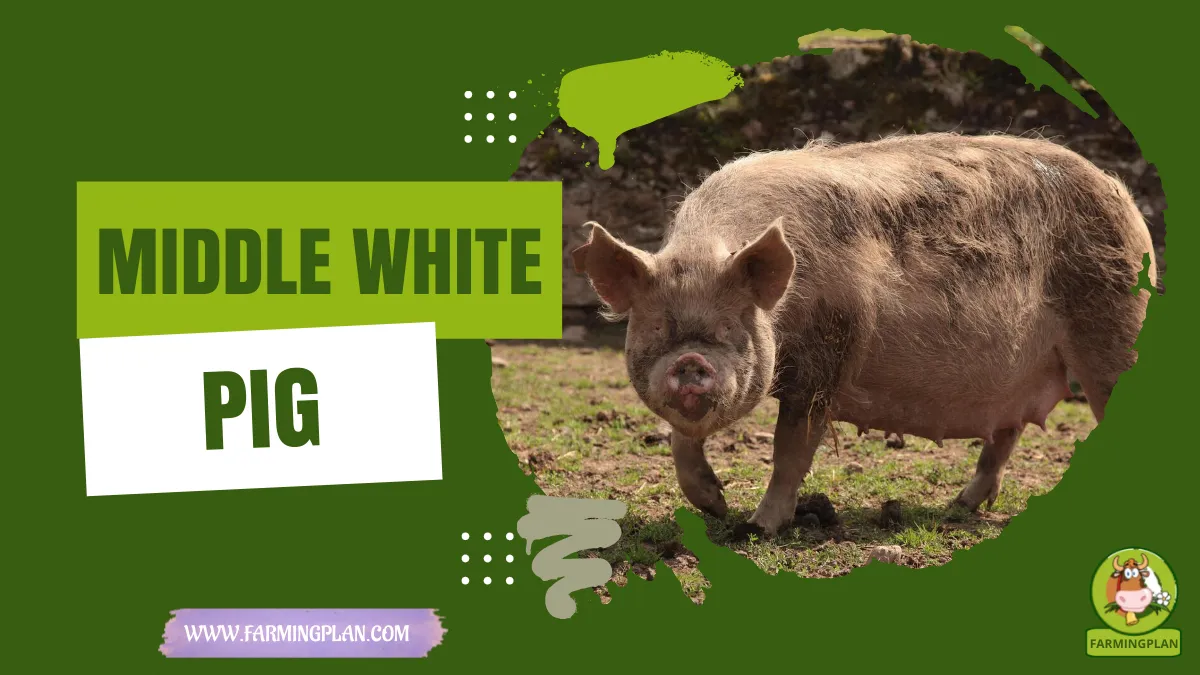
The Middle White pig holds a truly special place on my farm and in my heart as a traditional British livestock choice. I have spent years working with rare heritage stock, and this unique pig breed always manages to charm every single visitor who steps onto my land. You can easily recognize them by their short squashed snout, turned up nose, and distinctive pricked ears that give them a playful, friendly face.
Farmers originally created this remarkable breed in Keighley, Yorkshire, during the 1850’s by crossing the Large White pig with the now-extinct Small White pigs. Today, the Rare Breeds Survival Trust watches over their population closely because pedigree sows and stock boars remain quite rare. In this guide, I will share my personal hands-on experience so you can successfully raise, feed, and manage these wonderful animals on your own smallholding.
History & Origin of Middle White Pig
The story of the Middle White pig began back in 1852 in Keighley, Yorkshire, during a local agricultural show. A weaver named Joseph Tuley presented a draft of pigs that did not quite fit the standard classes of the era. They were too small to compete as Large Whites, yet they were significantly bigger than the tiny Small White pigs of that time. Judges eventually created a brand-new class for Tuley’s remarkable livestock, which gave birth to the official pedigree line we know today. By 1882, dedicated farmers established the National Pig Association and official breed association records to protect these special animals.
The breed gained massive fame across the United Kingdom as the ultimate “London Porker” because urban butchers in London loved their compact carcasses and exceptional meat quality. During the early twentieth century, these pigs thrived on grassland enclosures, estates like Woburn Safari Park, and family farms across England and Scotland. However, the commercial pork industry changed rapidly after World War II, shifting favor toward long-bodied bacon breeds like Danish bacon stock and Duroc crosses.
The specialized butcher market shifted, and smaller carcass production dropped sharply across Europe. By 1991, official breed population tracking via databases like DAD-IS showed a alarming drop in registered pedigree stock boars. Thanks to historic breeding stock saved by dedicated groups like the Middle White Pig Breeders’ Club and historic farms like Huntsham Court Farm in the Wye Valley, we avoided total loss. Today, ethical farmers continue to raise this unique breed, preserving a rich piece of agricultural history for future generations.
Read More: Finnish Landrace Pig: Premium Breeding Secrets
Characteristics of Middle White Pig
When you walk into my pasture, you can immediately spot my herd because their physical traits are unlike any other swine on the farm. Their most striking feature is their deeply dished face, short squashed snout, and pointy ears that stand perfectly upright. Their scientific name is Sus scrofa domesticus, but their adorable turned up nose makes them look like something straight out of a storybook. They possess a dense coat of fine white hair covering a clean, pink skin tone that requires proper shade during hot summer days. Adult boars and sows carry a broad, compact frame with well-sprung ribs, short legs, and a sturdy body built for efficient foraging on healthy pasture.
Here is a quick breakdown of their physical traits:
- Facial Profile: Extremely dished face with a short squashed snout and turned up nose.
- Ears: Sharp, upright pricked ears that alert them to every sound on the farm.
- Coat & Skin: Fine white bristles over soft pink skin.
- Body Structure: Heavy, deep chest with thick quarters and medium bone density.
- Average Lifespan: 10 to 15 years with proper care and management.
These compact proportions mean they grow steadily while maintaining high carcass yield without demanding massive grain supplies. Their distinctive snout actually prevents them from destroying pasture as aggressively as longer-snouted commercial breeds might do. Their small stature makes them remarkably easy to handle inside stock pens or around mobile barn shelters. Whether you visit a small holding near Kenilworth or see them at Killruddery House & Gardens, their memorable look instantly captures your heart.
Nature and Temperament of Middle White Pig
I always tell new farmers that the personality of this breed makes daily farm chores an absolute joy. They possess a naturally calm, docile, and affectionate temperament that makes them perfect for small scale breeders and family farms alike. My pedigree sows love getting belly rubs right in the middle of the field, often flopping over with deep contentment. Their quiet disposition means less stress for you when moving animals between pasture paddocks or running routine vet checks. Even my mature stock boars show incredible patience, provided you treat them with steady respect and gentle routines.
Their friendly personality extends to their maternal instincts, as mothers nurse their piglets with immense care inside clean farrowing pens. Piglets show curious, playful behaviors early on, happily running around paddock boundaries like farmyard friends named Winnie or Wilbur. They adapt wonderfully to mixed farming systems alongside Ryeland Sheep, Shetland cattle, and free-range poultry without causing friction. Children and farm visitors adore interacting with them because their gentle nature prevents aggressive head-pushing during feeding times. If you want a peaceful livestock experience without wrestling rowdy animals, this friendly breed offers the perfect solution.
Food and Diet of Middle White Pig
Feeding your herd correctly keeps their coat shining, supports immune health, and ensures steady growth without excess fat accumulation. These animals thrive on high-fiber feed routines combined with fresh grassland grazing opportunities across all seasons. I offer mine a balanced commercial pellet mixture formulated specifically for traditional breeds, complemented by fresh farm scraps. Carrots, apples, cooked pumpkins, and green forage give them natural vitamins while satisfying their instinct to chew. Always provide clean, fresh drinking water near their feed troughs, as hydration directly impacts their digestion and thermal regulation.
- Essential Feed Staples: Quality pig pellet mix, fresh pasture grass, alfalfa hay, and clean water.
- Healthy Farm Treats: Fresh carrots, fodder beets, crisp apples, and squash.
- Foods to Avoid: Raw potatoes, salty kitchen scraps, spoiled meat, or processed human snacks.
Farmer’s Tip: Always keep feed troughs elevated slightly above ground level to keep food clean and reduce waste from stray birds.
Be careful not to overfeed grain rations, as heritage animals naturally lay down fat more quickly than modern commercial lean stock. Keep a Weigh tape for Pigs handy so you can monitor body weight changes and adjust feed portions accurately every month. During cold winters, increase their fiber intake with quality legume hay to help them generate internal body heat naturally. A balanced diet keeps your stock boars energetic, your pregnant sows healthy, and your growing piglets developing strong bone structures.
Usage and Agricultural Purpose of Middle White Pig
Farmers historically raised this breed specifically for prime pork production, earning them a famous reputation as the ultimate “London Porker.” Today, top chefs at Michelin starred restaurants and renowned establishments like the River Café actively seek out this rare meat. Famous culinary figures like James Martin praise the rich flavor, deep marbling, and crisp crackling produced by traditional Middle White pork loin. The meat contains ideal intra-muscular fat that retains moisture during cooking, delivering an tender dining experience that lean modern pork simply cannot match. From traditional butcher shops to gastropubs on the 50 Best Restaurants in the World list, demand for this vintage pork remains extremely high.
Beyond commercial culinary use, these animals serve an essential role in agricultural conservation and historical landscape management. Smallholders across Scotland, England, and Wales keep them as ideal pasture clearers and gentle soil rejuvenators. Their manageable size and slow-growing nature fit perfectly into extensive management systems focused on sustainable land use rather than high-speed industrial output. Participating in regional livestock shows or supplying specialty pork boxes gives breeders multiple avenues to profit from their herd. By raising this unique breed, you directly support biodiversity while producing some of the highest quality pork available anywhere.
Special Features of Middle White Pig
The defining charm of this livestock centers around its striking facial structure and unbeatable meat marbling traits. That pushed-in snout isn’t just for show; it alters how they root through soil compared to destructive commercial breeds. They tend to graze foliage and topsoil gently, leaving pasture turf far more intact over long rotation cycles. Their calm nervous system means they secrete fewer stress hormones, which directly improves meat tenderness and post-harvest carcass quality. Furthermore, their bright white coats and perky ears make them standout performers in show rings across the nation.
Another remarkable feature is how efficiently they convert simple forage into premium, highly marbled meat on minimal commercial feed inputs. Smallholders love their compact frame because you can house two of these animals in the space required for one massive industrial sow. Their strong parental traits mean sows rarely step on piglets, leading to higher survival rates during unassisted farrowing. Dedicated conservationists like Rosemary Champion actively promote these special attributes to encourage new breeders to step forward. Every aspect of their build, history, and temperament makes them a prized asset for any sustainable farm operation.
Health Issues and Preventive Care of Middle White Pig
Maintaining a healthy herd requires consistent preventive care, clean housing, and vigilant daily monitoring for early symptoms of disease. Because of their white skin and fine hair, sunburn presents a real danger during hot summer days without adequate shade. Provide plenty of natural shade or broad wooden shelters alongside a clean mud bath so they can coat their skin naturally. Their short squashed snout also makes them slightly more sensitive to extreme heat, so good airflow in barns remains critical. Regularly inspect their hooves for rot or cracks, especially if your soil stays muddy for long periods in winter.
- Sunburn & Overheating: Provide deep mud wallows, shade sails, and cool drinking water during summer peaks.
- Parasite Control: Deworm your stock twice yearly using vet-approved drenches or feed additives.
- Respiratory Watch: Ensure good barn ventilation to prevent coughing caused by dust or damp conditions.
- Skin Health: Check regularly for mange mites or lice, treating promptly with topical applications.
Keep a well-stocked health kit in your barn containing a Pig Tattoo Ink Pad for permanent identification and a Pig Breeding/Service Record Book. Vaccinate your herd against erysipelas and parvovirus according to your local veterinarian’s recommended schedule. Keeping records of vaccinations, weight gains, and breeding dates keeps your farm running smoothly and protects your investment. Early intervention prevents minor health issues from turning into major problems that disrupt your entire breeding plan.
Every Great Farm Journey Begins With A Single Happy Pig Mud Bath.
Step-by-Step Farming Guide for Middle White Pig
Starting your own herd requires thoughtful planning, proper infrastructure, and daily dedication to build a successful breeding operation. Raising these animals brings incredible satisfaction, whether you manage two pedigree sows or maintain a complete breeding pack. Below, I have laid out the step-by-step process I follow on my farm to help you get started on the right foot with confidence.
Step 1: Set Up Enclosures and Infrastructure
Before bringing any animals home, build secure fencing around your pasture using sturdy wooden posts and thick pig-wire netting. Electric fencing wires set at snout height keep animals safely within designated paddock zones while encouraging rotational grazing. Build clean, draft-free arks or wooden shelters packed with fresh wheat straw for dry sleeping areas during wet nights. Ensure your outdoor enclosures feature proper drainage so mud wallows remain hygienic rather than stagnant swamps. Set up heavy-duty feed troughs and automatic waterers firmly anchored to prevent animals from tipping them over during play.
Step 2: Source Pedigree Breeding Stock
Acquire your initial animals from established breeders affiliated with the Rare Breeds Survival Trust or the Pig Breeders’ Club. Inspect pedigree certificates carefully to ensure your stock boars and young sows carry clean genetic lines free from severe inbreeding. Look for alert piglets with clear eyes, upright ears, correct snout structure, and smooth movement across the yard. Purchasing a matched pair of pedigree Middle White piglets gives you a solid foundation for future breeding successes. Establishing good relationships with local breeders like those at Huntsham herd provides ongoing mentorship as your farm grows.
Step 3: Establish Daily Feeding and Management Routines
Maintain a strict feeding schedule, offering measured pellets twice daily alongside fresh seasonal greens and forage options. Walk through your pasture daily to observe individual behavior, checking that every animal comes to the trough eagerly. Keep a dedicated Pig Breeding/Service Record Book near your feed store to log weight gains, feed changes, and health observations. Clean water troughs every few days to eliminate algae and bacteria that degrade water quality. Regular personal contact during feeding times keeps your stock extremely tame, calm, and cooperative.
Step 4: Manage Breeding and Gestation Cycles
Monitor your mature sows for heat cycles, which occur roughly every twenty-one days when they become vocal and receptive. The typical Gestation Period for pigs lasts approximately 114 days (3 months, 3 weeks, and 3 days). Move your pregnant sow to a clean, well-bedded farrowing ark two weeks before her expected due date. Provide extra bedding straw so she can construct a comfortable natural nest without getting stressed by herd noise. Stay nearby during farrowing to offer assistance if necessary, ensuring piglets dry quickly and nurse vital colostrum.
Step 5: Care for Piglets and Manage Weaning
Keep farrowing spaces warm and dry, as newborn piglets cannot regulate their body temperature effectively during their first week. Provide creep feed options around three weeks of age so young piglets learn to digest solid food alongside milk. Wean piglets safely between six and eight weeks old, moving them into clean grower paddocks with gentle herd mates. Mark your pedigree stock using your Pig Tattoo Ink Pad to preserve verifiable registry records for future buyers. Continuous monitoring ensures your young stock grows strong, healthy, and ready for market or future breeding roles.
Read More: Dutch Landrace Pig: Extraordinary Guide to Swine
Expert Tips and Best Practices for Middle White Pig
- Maintain Rotational Pasture: Divide your land into smaller paddocks to rotate stock every few weeks, keeping pasture fresh and worm loads low.
- Provide Deep Mud Wallows: Create clean mud pits in summer; mud acts as natural sunscreen and keeps skin parasite-free.
- Keep Precise Breeding Records: Log every service date, farrowing result, and litter size in your barn book to protect pedigree lineage.
- Use Proper Weigh Tapes: Measure heart girth monthly with a specialized tape to adjust feed rations without buying expensive scales.
- Socialize Stock Early: Spend quiet time in the paddock with young piglets so they grow into calm, gentle adults.
- Join Regional Breed Clubs: Connect with local breed associations to trade stock boars and stay updated on conservation events.
- Offer Enriched Environments: Place heavy rubber balls or wooden logs in paddocks to keep smart swine entertained and content.
FAQs
How rare is the Middle White pig today?
This breed remains classified as a rare breed with vulnerable population numbers monitored by conservation groups. Pedigree sow numbers are low, making active breeding programs essential to prevent extinction.
Are Middle White pigs suitable for smallholdings?
Yes, their compact size, calm personality, and gentle rooting habits make them ideal for smallholders with limited acreage. They thrive on simple pasture management systems without requiring high-tech industrial housing.
What makes Middle White pork so famous among chefs?
The meat offers exceptional intra-muscular marbling, rich traditional flavor, and incredible crackling quality. Top chefs select this vintage pork because it remains tender and juicy during gourmet cooking methods.
Do Middle White pigs need special sunburn protection?
Because they feature white bristles and pale pink skin, they require shade structures or mud wallows during sunny summer days. The mud provides natural sunblock while keeping the animal cool in warm weather.
How long do these pigs live on average?
When kept as breeding stock or farm companions, they live between 10 to 15 years with proper care. A healthy diet, regular deworming, and clean housing ensure a long, productive life on the farm.
Conclusion
Raising the Middle White pig brings immense reward, connecting you directly to generations of rich British agricultural heritage. Their friendly nature, iconic turned up nose, and outstanding meat quality make them a standout choice for smallholders and conservationists alike. By introducing these traditional animals to your land, you help protect a vulnerable heritage breed while producing top-tier pork or pedigree stock. I encourage you to take the next step on your farming journey today. Leave a comment below sharing your pig keeping experiences, ask any questions you have about pasture setups, or share this guide with fellow livestock enthusiasts to spread the word about saving this wonderful breed!


