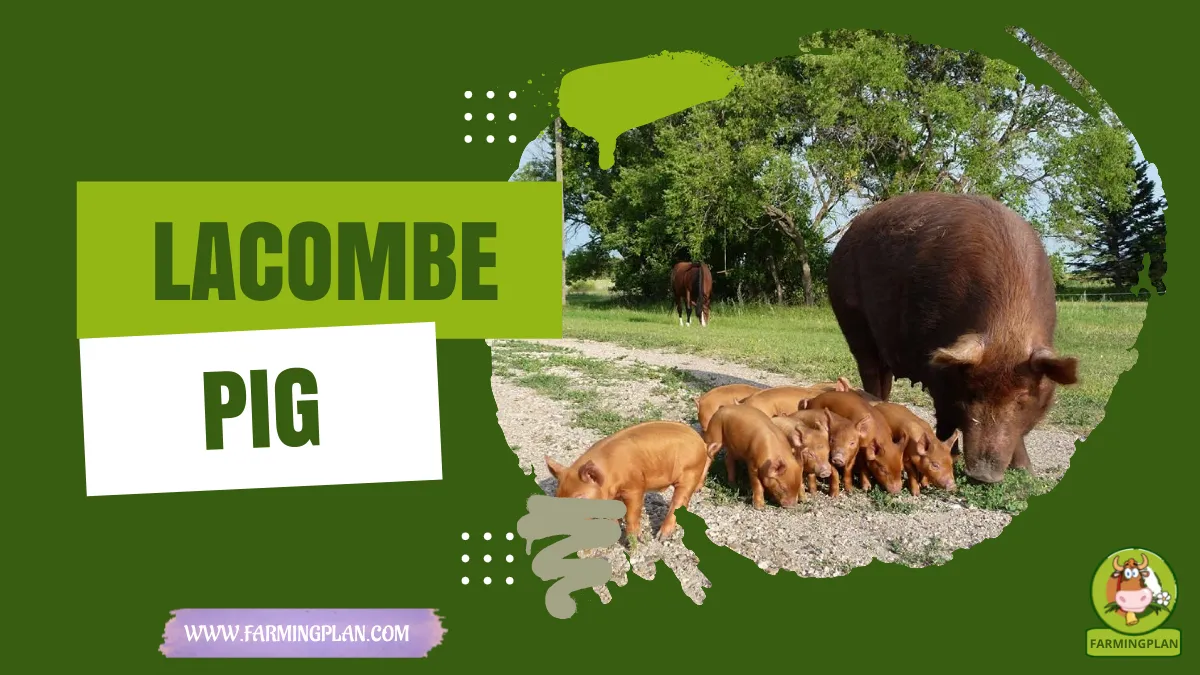
As a long-time swine specialist, I am thrilled to share my passion for the incredible Lacombe pig with you today. Researchers developed this impressive white pig breed right in Canada to meet the exact needs of modern farmers. When I first introduced this livestock development into my own barn, I immediately noticed their rapid growth rates and wonderful mothering ability.
They share great traits with iconic heritage swine breeds like the Berkshire pig, Duroc pig, Hampshire pig, and Yorkshire pig, while bringing unique genetic strengths to the feeder pen. In this complete guide, I will share my personal experiences on feed conversion, farrowing management, and climate tolerance. Whether you raise heritage pork for niche markets or want a reliable production animal for your homestead, this sweet-tempered Canadian breed will transform your farm operations.
History & Origin of Lacombe Pig
I always love telling the story of how this pioneer animal came to be. Back in 1947, dedicated scientists at the Canadian Department of Agriculture Research Station, now known as the Lacombe Research and Development Centre in Alberta, began a bold breeding program. They wanted a top-tier animal tailored specifically for Canadian feed and weather conditions.
The researchers carefully crossed Danish Landrace, Chester White boars, and Berkshire sows over thirteen years of intense selective breeding. By 1960, they officially unveiled the Lacombe breed to global agriculture. It actually became the very first livestock breed developed entirely within Canada! The Canadian Swine Breeders Association and Canadian Livestock Records promptly registered these magnificent animals, setting a high standard for livestock phenomics and performance testing.
Over the decades, commercial crossbreeding trends favored animals like the Large White×Landrace hybrid. This shift unfortunately pushed purebred Lacombe swine into a steep decline. Organizations like Rare Breeds Canada now classify their conservation status as critically endangered. Preserving their genetic diversity is essential because their unique genetic purity offers vital disease resistance and adaptability for our future food system.
Read More: Rinderpest Threat Revealed: Essential Livestock Care Secrets
Characteristics of Lacombe Pig
When you walk into my barn, you can spot a Lacombe pig instantly! These large, long-bodied white pigs feature a remarkably deep chest and low center of gravity. They carry distinct, floppy ears that drop forward over their faces, which differentiates them from the erect ears of a Yorkshire pig or Hampshire pig. Their skin and coat are entirely white, with no dark pigment or colored hair permitted in purebred lines. Their broad backs and solid bone structure give them outstanding carcass quality and impressive carcass value.
In carcass dissection tests, their meat yields fantastic marbling without excess backfat. Their pork quality features favorable levels of oleic acid and healthy omega-3 fatty acids. Compared to dark-skinned options like the Mangalica pig, Devon pig, Large Black, or Red Wattle pork producers, this white pig breed yields clean, attractive cuts that butchers and chefs absolutely love.
Nature/Temperament of Lacombe Pig
I often refer to my herd as the gentle giants of my farm. Their calm, docility, and easygoing personality make them a absolute joy to manage daily. Even massive boars show a relaxed nature that keeps barn chores stress-free for handlers of all experience levels. Their placid demeanor shines brightest during farrowing management. Lacombe sows display world-class mothering ability, carefully lying down without crushing their piglets. They welcome human interaction, making health checks and vaccinations simple.
Their gentle disposition makes them far easier to manage than wilder heritage options like the Ossabaw Island Hog or Iberian black pig. They bond well with handlers, adapt peacefully to pasture herds, and thrive under simple security protocols without showing aggressive or destructive behaviors. This classic Canadian breed seamlessly combines rapid growth rates, sweet temperaments, and exceptional cold tolerance into one outstanding livestock package.
Food & Diet of Lacombe Pig
Feeding these pigs correctly unlocks their full potential for rapid growth rates and superior feed conversion. I design their diet around clean grains, balanced proteins, and fresh forage to support their heavy frame and active metabolic needs. During their growing phase, I feed them a balanced ration of ground barley, oats, wheat, and soybean meal. I always supply fresh, clean water through automatic nipple drinkers. You can supplement their grain feed with alfalfa, pasture grasses, and root vegetables to enhance carcass dissection scores and meat texture naturally.
- Do: Provide high-protein grower feed (16% to 18% crude protein) for young pigs to build strong muscle.
- Do: Offer clean pasture or quality hay to support healthy digestion and natural foraging behavior.
- Don’t: Feed moldy grain, spoiled kitchen scraps, or high-salt human leftovers that disrupt digestion.
- Don’t: Restrict clean water access, especially during warm weather or active nursing periods.
Usage/Purpose of Lacombe Pig
I value this swine breed because it excels across multiple agricultural roles. Scientists engineered them as a high-performance production animal, and they still deliver stellar results for both modern commercial setups and traditional pasture operations. Commercial breeders frequently use them in crossbreeding systems alongside Chester White, Duroc, or Bangur pig lines.
Their offspring inherit exceptional growth rates, strong bones, and lean meat yield. At the same time, small-scale farmers rely on them for high-end farm-to-table pork production. Their rich, tender pork features outstanding flavor profiles evaluated by professional sensory panels. Purebred boars and semen also serve a vital role in genetic conservation programs to preserve heritage pork lines worldwide.
Special Features of Lacombe Pig
This breed packs incredible advantages that set it apart from other traditional swine options. Their unique historical breeding grants them specialized traits that solve everyday management challenges on the farm.
- Superior Feed Efficiency: They convert standard grains into high-value muscle quickly, saving you money on commercial feed costs.
- Extreme Climate Tolerance: Built for cold environments, they thrive in harsh winter conditions where thinner breeds struggle.
- Outstanding Carcass Value: They yield thick loins, deep sides for bacon, and wonderfully marbled hams without excess backfat.
- Unmatched Mothering Ability: Sows produce large, healthy litters and abundant milk, bringing high survival rates to your farrowing house.
“Raising A Remarkable Heritage Breed Like The Lacombe Swine Brings Real Passion, Pride, And Superior Quality Pork Back To Our Global Agriculture.”
Health Issues & Prevention of Lacombe Pig
Keeping your animals healthy requires proactive care, clean facilities, and consistent monitoring. In my years of breeding, I have found that this breed possesses excellent natural vigor, but they still require standard herd protections. Because of their white skin, sunburn presents a real concern during sunny summers. Always provide shaded outdoor areas or mud wallows so your pigs can protect their skin naturally. Watch for respiratory issues caused by dusty bedding or poor air movement. Maintain a strict vaccination protocol for Porcine Circovirus and common swine diseases. Clean your pens regularly, isolate incoming stock, and work closely with your local veterinarian to keep disease risks near zero.
Step-by-Step Farming Guide
Raising these pigs successfully requires clear planning, proper infrastructure, and daily care routines. I built this comprehensive step-by-step guide from years of hands-on experience so you can start your own thriving herd with complete confidence. Following these practical steps ensures fast growth rates, fantastic health, and stress-free management from day one!
Step 1: Secure Proper Housing and Heavy-Duty Fencing
Setting up strong infrastructure is your very first priority before bringing animals home. I build spacious pens that provide at least 50 square feet of indoor shelter per mature pig, along with access to an outdoor paddock. Use heavy-duty woven wire fencing or high-tensile electric fence lines set at nose height. Pigs love to root around edges, so anchor your posts securely.
Step 2: Set Up Clean Feeding and Watering Systems
Your feeding area must handle heavy daily use while keeping feed clean and dry. I install durable concrete or heavy steel troughs elevated slightly off the ground to prevent feed contamination. Set up automatic, freeze-proof nipple waterers attached to clean water lines. A growing animal drinks 2 to 5 gallons of fresh water daily, while nursing sows require up to 10 gallons.
Step 3: Source Superior Breeding Stock and Genetic Lines
Invest in top-quality stock from trusted breeders registered with recognized livestock organizations. Look for animals with clear genetic history, straight top lines, strong feet, and calm temperaments. If you aim to support breed conservation, verify registration credentials through official breeder records. Inspect the parent stock to ensure they demonstrate true physical traits, excellent bone density, and no visible health flaws before completing your purchase.
Step 4: Execute Daily Herd Management and Biosecurity Routines
Establish a consistent daily routine to keep your herd healthy and productive. I feed my pigs twice daily at the exact same times, inspect water nipples, and replace soiled bedding with fresh straw. Implement strict biosecurity practices by limiting visitors, cleaning boots before entering pens, and quarantining new animals for 30 days. Maintain precise health records, track weight gains, and follow a regular deworming schedule under your veterinarian’s guidance.
Step 5: Master Farrowing Care and Piglet Weaning
Create a clean, dedicated farrowing area lined with fresh, shallow straw bedding to keep newborn piglets safe. Keep the farrowing room warm (around 85°F/29°C for piglets) using safe heat lamps. Ensure piglets nurse rich colostrum within their first two hours of life to build immunity. Clip needle teeth if necessary, supply iron injections, and provide high-protein creep feed at two weeks of age. Wean your piglets comfortably at 4 to 6 weeks.
Read More: West Indian Duck Secrets Every Birder Must Master
Expert Tips & Best Practices
Over the years, I have gathered practical tricks that save time, reduce costs, and improve animal welfare. Here are my favorite tips for raising top-performing pigs:
- Provide Wallows in Summer: White pigs burn easily; a natural mud wallow cools them down and provides instant sun protection.
- Mix Barley for Firm Fat: Feeding ground barley during the finishing stage produces bright white, firm pork fat that butchers love.
- Use Deep Straw Bedding: Deep bedding allows natural rooting behavior, keeps pigs clean, and generates warmth as it ferments underneath.
- Handle Animals Early: Spend five minutes daily walking through your pens scratching backs; early taming creates docile, manageable adult animals.
- Track Feed Conversion Ratios: Weigh your feed and animals regularly to spot health issues early and optimize your profit margins.
FAQs
What makes the Lacombe pig different from the Yorkshire pig?
The Lacombe pig has large, forward-drooping ears and a longer, deeper body frame, whereas the Yorkshire pig features upright, erect ears. Additionally, researchers specifically bred this Canadian swine for cold climate tolerance and gentle temperaments.
Is the Lacombe pig breed critically endangered today?
Yes, purebred lines are currently classified as critically endangered due to historical shifts toward commercial crossbreeding hybrids. Dedicated conservation groups and heritage pork farmers are working actively to preserve their remaining genetic purity.
How fast do Lacombe pigs reach market weight?
These pigs exhibit rapid growth rates and impressive feed conversion efficiency, typically reaching market weight (240–260 lbs) within 5.5 to 6 months. Their growth rate depends on proper diet quality, protein intake, and health management.
Are Lacombe pigs suitable for pasture-based farming?
They excel on pasture thanks to their strong legs, deep chest capacity, and high forage tolerance. Their calm temperament allows them to graze peacefully without destroying perimeter fencing when provided adequate pasture rotation.
How many piglets do Lacombe sows produce per litter?
Sows typically produce large, healthy litters averaging 10 to 12 piglets. They possess exceptional mothering ability and abundant milk production, ensuring high survival rates through weaning.
Conclusion
In conclusion, taking the time to discover and raise the marvelous Lacombe pig offers incredible rewards for modern farmers, heritage enthusiasts, and homesteaders alike. By incorporating these gentle white hogs onto your land, you produce delicious, high-quality pork while actively protecting a critically endangered piece of agricultural history. I urge you to take action today by connecting with local heritage swine associations, supporting rare breed conservationists, or even welcoming a few feeder pigs to your own homestead pasture! Share your thoughts in the comments below, pass this guide along to fellow farmers, and join us in keeping this iconic breed alive and thriving for generations to come.