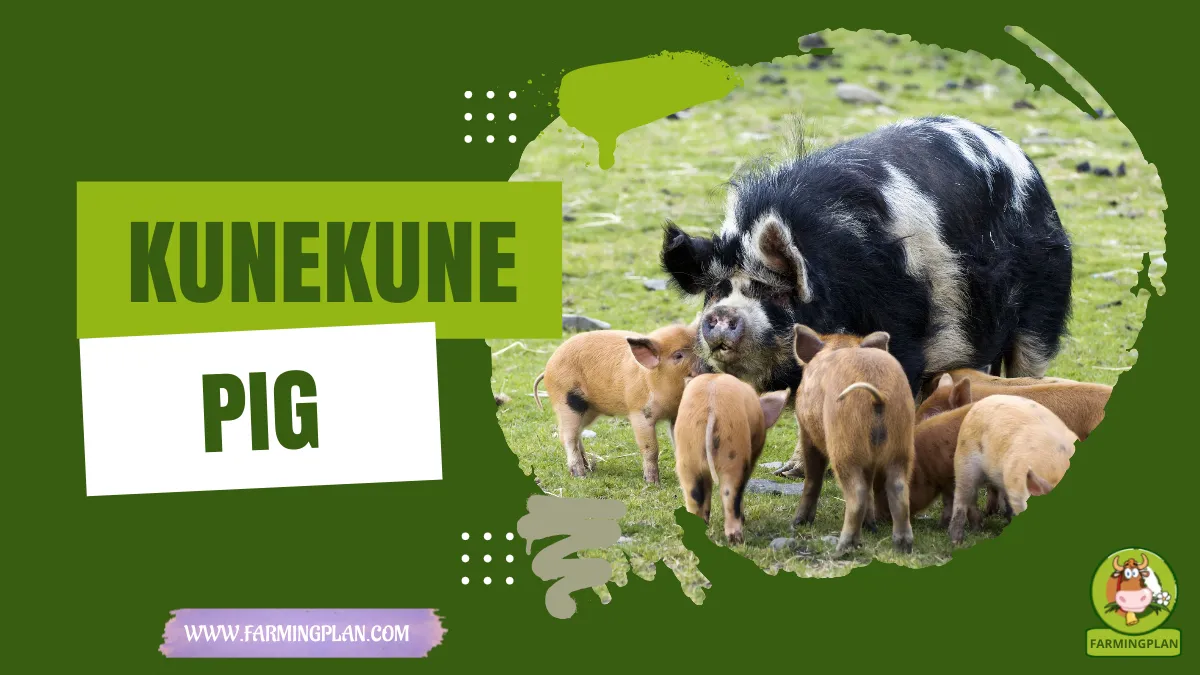
The Kunekune Pig stands out as one of the friendliest and easiest pigs I have ever raised on a homestead. These small, fluffy-looking pigs came from New Zealand and quickly became popular with pet owners, breeders, and small farmers around the world. Many people search for Kunekune pigs for sale because they want a calm pig that grazes on pasture, stays social with humans, and fits well into small-scale farming. I often recommend KuneKune pigs to beginners because they usually behave gently, adapt well to rotational grazing, and require less feed than many commercial pork breeds.
Their adorable wattles, short snout, and colorful hair make them unforgettable. Some people keep them as a pet pig, while others raise them for pork, lard, breeding stock, or conservation programs. In this guide, I’ll share my practical experience with feeding, fencing, breeding, housing, health care, piglet care, and daily management so you can confidently raise healthy and happy KuneKune pigs.
History & Origin
The KuneKune pig has a fascinating history connected to the Māori people of New Zealand. The word “KuneKune” comes from the Māori language and means “fat and round.” That name fits perfectly because these pigs develop a sturdy, chunky body with soft fat layers instead of the lean shape found in many commercial pigs. Māori tribes treasured these pigs for generations because they supplied meat, lard, and companionship.
Ancient Māori Heritage And New Zealand Roots
Historians believe early whalers and sailors may have introduced Asian domestic breed pigs to New Zealand many years ago. Over time, local communities selectively bred calmer and smaller pigs that adapted well to pasture conditions. Unlike aggressive wild-type pigs, the domesticated breed developed a gentle personality and became easier to handle around homes and gardens.
Near Extinction And Breed Recovery Programme
By the 1970s, the KuneKune pig population became dangerously small. Commercial farming focused on faster-growing pork breeds, so many heritage breed pigs disappeared. Conservationists, breeders, and organizations such as the American Kunekune Society and the British Kunekune Pig Society worked hard to save the breed.
A famous breeding recovery programme helped rebuild healthy bloodlines using carefully selected breeding stock. Farmers tracked genetics, litter notification records, and DNA Test results to protect breed standards. Today, KuneKune pigs thrive across New Zealand, Australia, the United Kingdom, the United States, and many homesteads worldwide.
Why Farmers Still Value This Heritage Breed
Modern homesteaders love KuneKune pigs because they graze grass efficiently and damage pasture less than larger pig breeds. Many people compare them to lawn mower pigs because they happily trim grass while producing natural fertilizer. Their calm personality also makes them popular among pet pig owners and hobby farmers.
Reads More: Newcastle Disease Powerful Protection Guide
Characteristics
KuneKune pigs have a very recognizable appearance. They usually carry a short, upturned snout, rounded belly, medium legs, and long hair. Most pigs grow decorative wattles called piri piri beneath the lower jaw. These wattles do not serve a major purpose, but they add charm and help identify the breed. Hair colours vary widely. I’ve personally raised black, ginger, cream, spotted, and tri-colored pigs. Their coat grows thicker during colder months, which helps them tolerate cool climates better than many smooth-skinned pigs.
KuneKune Pig Size And Weight
Many people ask about KuneKune pig size because they hear the term “mini pig.” While smaller than commercial hogs, KuneKune pigs still grow larger than most people expect. Adult males often weigh between 200 and 400 pounds, while females usually stay slightly smaller. Barrows, boars, and gilts all develop differently depending on feed and pasture quality. Young piglets start small and adorable, but owners should prepare for steady growth. A healthy boar develops a thick body and muscular shoulders, while females maintain softer body confirmation.
Strong Grazing Ability And Adaptability
Unlike many domestic pig breeds, KuneKune pigs naturally graze pasture and grass. They prefer grazing over rooting, which helps protect gardens and fields. Their shorter snout reduces digging behavior, although hungry pigs may still root occasionally. These pigs adapt well to homesteads, small farms, and rotational grazing systems. I’ve seen them thrive with electric fencing, shelter access, and simple pasture management.
Nature & Temperament
Calm Behavior Around Humans
One reason I recommend KuneKune pigs to beginners involves their gentle temperament. Most KuneKune pigs behave calmly around adults, children, and other herd animals. They enjoy human interaction and quickly learn feeding routines. I often describe them as “dogs trapped inside pig bodies.” They recognize voices, follow caretakers, and communicate through vocalization and body language. Many pigs wag their tails when excited for treats or scratches.
Social Learning And Herd Instincts
KuneKune pigs thrive in groups because they are naturally social animals. I rarely advise keeping a single pig alone. Pigs learn through social learning, scent markings, and group behavior. Young piglets become more confident when raised with siblings or companion pigs. Separate males and females when breeding season approaches unless you plan controlled mating. Mature boars can become pushy during heat cycles, though KuneKune boars generally stay calmer than many larger breeds.
Great Choice For Families And Small Farms
Families often choose KuneKune pigs because they balance friendliness with practical farming value. These pigs work well for homesteaders who want sustainable pork production without managing giant commercial hogs. Pet owners also appreciate their intelligence and manageable size. Still, prospective owners should remember that owning pigs requires time, fencing, housing, and regular care.
Food & Diet
Grass-Based Feeding And Pasture Nutrition
KuneKune pigs rank among the best herbivores in the pig world. Healthy pasture forms the foundation of their diet. Good grass supplies fiber, vitamins, and daily grazing activity. Rotational grazing helps maintain fresh pasture while preventing mud and parasite problems. I move my pigs regularly between fenced grazing sections. This rotational grazing method improves grass recovery and reduces feed costs. During spring and summer, pigs often get most of their calories directly from pasture.
Pig Feed, Garden Scraps, And Supplements
Even though these pigs graze efficiently, they still need balanced pig feed. I use pig nuts or quality commercial pig feed to provide protein, minerals, and vitamins. Growing piglets, pregnant sows, and breeding boars require more nutrition than adult maintenance pigs. Garden scraps, vegetables, and kitchen scraps work well as treats. My pigs love pumpkins, cucumbers, carrots, and leafy greens. Avoid spoiled food, salty snacks, chocolate, raw meat, and moldy feed because these can cause serious health problems.
Water, Minerals, And Feeding Mistakes
Fresh water matters every single day. Pigs drink heavily during hot weather, especially near farrowing or nursing periods. I also provide mineral supplements and access to a wallow for cooling. Overfeeding remains one of the biggest mistakes with KuneKune pigs. Fat pigs may suffer joint problems, poor breeding performance, and heat stress. Balanced feeding creates healthier animals and better meat quality.
Usage & Purpose
Many people keep KuneKune pigs mainly as pets. Their friendly personality, manageable size, and playful nature make them ideal for hobby farms and rural homes. They often become part of the family and enjoy attention from visitors. Pet pig owners usually focus on companionship rather than meat production. These pigs respond well to training, daily routines, and gentle handling.
Pork Production And Meat Quality
KuneKune pork has rich marbling and excellent flavor. Unlike ultra-lean commercial pork, heritage breed KuneKune pork contains higher fat content that creates juicy pork chops, bacon, and lard. Small-scale pork producing breeders value this meat quality because customers enjoy flavorful heritage pork. Feeder pigs and breeding pairs also provide income opportunities for small farmers. Registered breeding stock with strong bloodlines often sells at premium prices.
Conservation And Breeding Programs
Breed societies continue protecting healthy genetics and breed standards. Organizations such as the International Kunekune Hog Registry encourage responsible breeding programs and record keeping. Conservationists value KuneKune pigs because they represent an important domesticated breed with historical importance.
Special Features
One feature separates KuneKune pigs from many other pigs: their ability to thrive mainly on grass. Their short snout reduces destructive rooting behavior. Farmers often use them as natural lawn mower pigs for pasture maintenance. This grazing ability lowers feed bills and makes them ideal for rotational grazing systems.
Adorable Wattles And Color Variety
Their hanging wattles, fluffy coats, and wide range of hair colours make them visually unique. Some pigs look almost like walking teddy bears. Visitors always notice their cute appearance first.
Excellent Mothers And Easy Keepers
KuneKune sows usually handle farrowing well and care attentively for young piglets. Litters often grow steadily with less management than high-production commercial pigs. These pigs also tolerate outdoor living better than many breeds when owners provide proper housing, dry bedding, and wind protection.
Health Issues & Prevention
Like all pigs, KuneKune pigs can face parasites, obesity, respiratory infections, and foot issues. Worm infestations commonly affect pasture pigs, especially in wet conditions. I follow strict deworming schedules and rotate pasture areas regularly. Obesity creates another major concern. Because these pigs efficiently convert feed into fat, overfeeding quickly leads to unhealthy weight gain.
Vaccinations, Biosecurity, And Quarantine
Good biosecurity protects both your pigs and neighboring livestock. I always quarantine new pigs before introducing them to the herd. A quarantine period helps detect illness and reduces disease spread. Vaccinations, parasite control, clean housing, and fresh bedding support long-term herd health. Consult a livestock veterinarian for regional vaccination recommendations.
Warning Signs Owners Should Never Ignore
Watch carefully for coughing, limping, appetite loss, diarrhea, or unusual aggression. Healthy pigs stay active, alert, and social. Sick pigs often isolate themselves or stop eating. Clean pig pens, dry pigsty conditions, and safe fencing reduce injuries and disease risks.
“Happy KuneKune Pigs Thrive On Good Grass, Gentle Care, And Daily Attention — A Calm Pig Always Makes Farm Life Better.”
Step-By-Step KuneKune Pig Care Guide
Raising KuneKune pigs successfully requires planning, patience, and daily care. I always tell beginners that these pigs reward consistency more than expensive equipment. When you build a proper setup from the beginning, your pigs grow healthier, calmer, and easier to manage. New owners should focus on fencing, pasture quality, feeding routines, housing, and social interaction before bringing pigs home.
Many people buy adorable piglets without preparing their farm first. That mistake usually creates stress for both pigs and owners. KuneKune pigs need safe fencing, shade, water access, and enough space for grazing. They also need companionship because pigs are herd animals. I recommend starting with two pigs instead of one. A breeding pair, sibling pair, or two young barrows usually settle into farm life quickly. Before purchasing pigs, contact registered breeders who follow breed standards and maintain healthy breeding stock records.
Step 1 – Prepare Strong Fencing And Safe Housing
Strong fencing prevents escape problems and keeps predators away. I use electric fencing combined with fence poles and solid fence hardware. KuneKune pigs respect electric wires once they learn boundaries properly. Avoid weak pallets or damaged barbed wire because pigs eventually push through unsafe areas.
Fence testing should happen weekly. Check corners, gates, and grounding systems regularly. Housing should stay dry, simple, and well-ventilated. My pigs use a three-sided shelter with straw bedding and wind protection. During rainy weather, dry sleeping areas help prevent illness and foot problems.
Step 2 – Build A Healthy Feeding Routine
Feed pigs consistently every day. I combine pasture grazing with measured pig feed to maintain healthy body condition. Young piglets need higher protein feed for growth, while adult pigs maintain weight easily on grass and moderate supplements. Avoid unlimited grain feeding because fat pigs develop health problems quickly. I also provide garden scraps, vegetables, and occasional fruit treats. Fresh water remains essential every day. Pigs easily become stressed during hot weather without clean drinking water or access to a wallow.
Step 3 – Practice Smart Rotational Grazing
Rotational grazing improves pasture quality and reduces parasite buildup. I divide my pasture into several smaller sections using electric fences. Pigs graze one section while other areas recover naturally. This system lowers mud problems and keeps grass healthier year-round. Healthy pasture reduces feed costs significantly over time. Move pigs before pasture becomes overgrazed. Healthy grass supports better digestion and calmer behavior.
Step 4 – Manage Breeding And Farrowing Carefully
Breeding requires planning and proper record keeping. Separate males and females unless intentional mating takes place. Track heat cycles carefully and avoid close brother/sister relationship breeding to protect genetic quality. Pregnant gilts and sows need extra nutrition during gestation period. Before farrowing, prepare a clean, dry pen with soft bedding. Monitor newborn piglets closely during cold weather. Healthy piglets nurse quickly and stay active near the sow.
Step 5 – Handle Daily Care And Socialization
Daily interaction keeps pigs calm and easier to manage. I spend time walking through my herd every day while checking appetite, movement, and body condition. Social pigs respond better during health checks, hoof trimming, and transport. Gentle handling also lowers stress during veterinary visits. Clean feeding areas regularly and remove spoiled feed quickly. Good hygiene supports strong biosecurity and healthier pigs.
Reads More: Asil Chicken Amazing Breed Guide
Expert Tips & Best Practices
Practical KuneKune Pig Success Tips
- Start with healthy registered breeding stock from trusted breeders.
- Use rotational grazing to reduce feed bills and parasite problems.
- Never underestimate fencing strength. Smart pigs test weak areas constantly.
- Keep pigs in pairs or groups because herd animals dislike isolation.
- Avoid overfeeding grain-heavy diets.
- Provide shade and wallow access during hot weather.
- Quarantine new pigs before mixing herds.
- Schedule regular deworming and health checks.
- Train pigs using calm routines and positive interaction.
- Maintain accurate breeding and litter records for better herd management.
- Use electric fences early so piglets learn boundaries properly.
- Watch body language carefully because pigs communicate stress clearly.
- Choose pasture areas with good drainage to prevent muddy conditions.
- Handle piglets gently from a young age to improve social behavior.
- Learn local livestock regulations, CPH number rules, and veterinary requirements before buying pigs.
FAQs
Are KuneKune pigs good pets?
Yes, KuneKune pigs make excellent pets for many owners. They behave gently, enjoy human interaction, and adapt well to small farms and homesteads.
How big does a KuneKune pig get?
Adult KuneKune pigs often weigh between 200 and 400 pounds. They stay smaller than commercial hog breeds but grow much larger than tiny “teacup pigs.”
Can KuneKune pigs live mainly on grass?
Yes, KuneKune pigs graze better than most pig breeds. They still need balanced pig feed, minerals, and fresh water for complete nutrition.
How long do KuneKune pigs live?
With proper care, many KuneKune pigs live 10 to 15 years. Good feeding, clean housing, and preventive health care improve lifespan greatly.
Do KuneKune pigs root up the ground?
They root less than many pig breeds because of their short snout. Hungry or bored pigs may still dig occasionally, especially in wet soil.
Conclusion
The KuneKune pig combines charm, intelligence, and practical farming value into one unforgettable package. I’ve worked with many livestock breeds over the years, yet these calm and social pigs continue to impress me with their grazing ability, friendly temperament, and easy-going nature. Whether you want a pet pig, a sustainable homestead animal, quality heritage breed pork, or registered breeding stock, KuneKune pigs offer tremendous value for small farmers and hobby breeders alike. Success comes from proper fencing, healthy pasture, balanced feeding, strong biosecurity, and daily attention. If you’re thinking about raising KuneKune pigs, start slowly, learn from experienced breeders, and enjoy the process. Share your experiences, ask questions, and help preserve this amazing heritage breed for future generations.