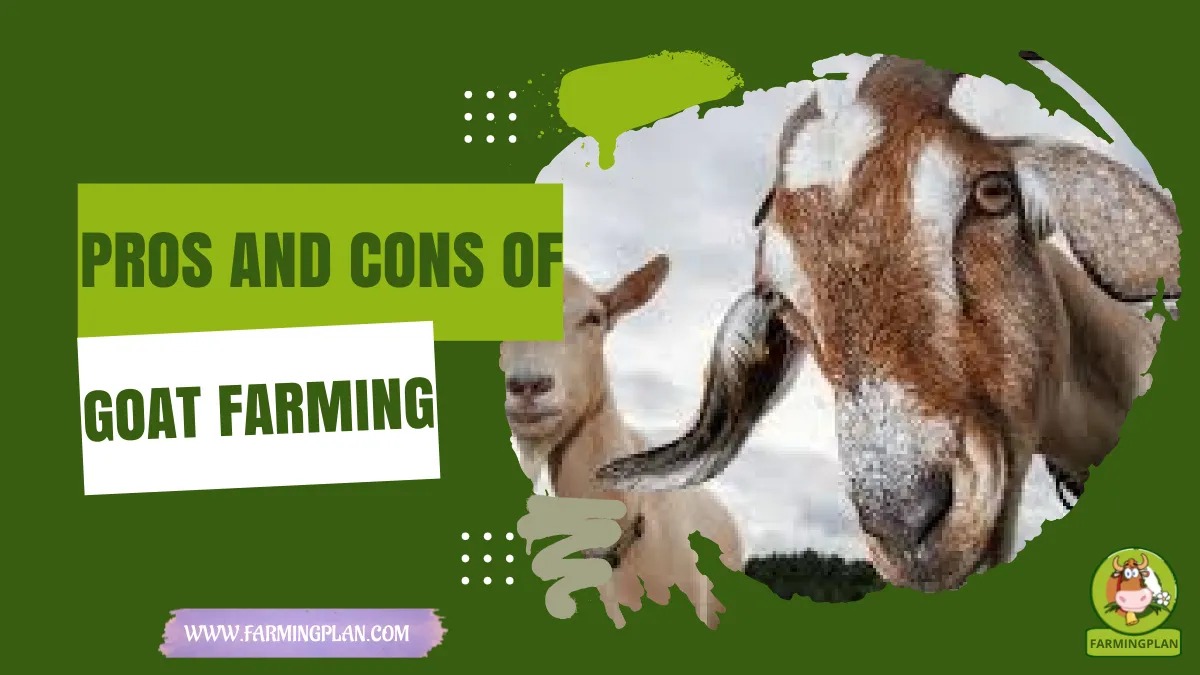
I still remember the day I brought my first pair of does back to my homestead. Navigating the pros and cons of goat farming opened up a whole new world of livestock management that completely transformed my life. Whether you are looking at raising goats for meat, rich dairy milk, or luxurious wool, running a successful herd requires balancing incredible rewards with serious everyday challenges. Goats bring unmatched versatility to small farms, converting wild forage and rough fodder into valuable farm products while building rich soil fertilizer.
However, they also demand proper fencing, vigilant health monitoring against common diseases, and solid market planning. Over the years, I have raised various livestock including pigs, chickens, rabbits, quails, and even mini cows, but goats hold a unique place in my daily operation. In this guide, I will share my hands-on insights on managing a profitable herd, setting up electronic fencing, choosing the right goat breeds, and utilizing government support options like industrial project reports to make your farming venture a resounding success.
History & Origin of Pros and Cons of Goat Farming
Goats were among the very first animals domesticated by humans over 10,000 years ago in the fertile crescent of Southwestern Asia. My fascination with these animals grew deeper when I researched how ancient tribes relied on wild bezoar ibex stock to build early agriculture. Early farmers quickly realized that these agile creatures could thrive in rugged mountain terrains where cattle and sheep struggled to survive. Over thousands of years, trade routes spread these hardy animals across Asia, Africa, and Europe, adapting them to diverse climates and environments.
As human civilization expanded, breeders selectively developed specific livestock traits to maximize utility. In regions like India, native breeds evolved to produce high-quality meat and premium skins, while European lines were bred for heavy milk yields. Understanding this rich historical background helps modern homesteaders appreciate why goats possess such diverse traits today. They have evolved alongside humanity as dependable sources of sustenance, clothing, and agricultural prosperity.
Read More: Goat Feeding Guide: How to Keep Goats Healthy
Characteristics of Pros and Cons of Goat Farming
When you inspect a goat up close, you immediately notice physical features designed for ultimate survival and efficiency. They possess horizontal rectangular pupils that grant them a broad field of vision, helping them spot potential threats while grazing out in open pasture. Their split hooves are remarkably tough and flexible, enabling them to navigate steep rocks, uneven hilltops, and rough land clearing zones with extreme balance and confidence. The variety among goat breeds is vast, ranging from large, heavily muscled meat animals like the Boer to small, compact miniature options like pygmy goats.
By carefully studying the pros and cons of goat farming before buying your first foundation herd, you can build a resilient, highly practical farm plan that maximizes your land’s natural forage, protects your livestock investments, and turns your farming passion into a thriving agricultural business. Dairy breeds like the Nubian feature long, drooping ears and high-butterfat milk production, whereas fiber producers like Angora goats grow beautiful coats of glossy wool. Female goats, or does, generally mature quickly, reaching full breeding maturity within 7 to 10 months depending on their overall health and nutrition.
Nature/Temperament of Pros and Cons of Goat Farming
Managing a goat herd requires understanding their bold, highly inquisitive, and social nature. Unlike sheep, which tend to follow a flock blindly, goats display sharp individual intelligence and endless curiosity. They explore their environment using their sensitive upper lips and mouths, which means they will nibble on your clothing, gate latches, tool handles, and low-hanging tree branches just to see what they are made of.
Their social dynamic is established through a clear herd hierarchy headed by a dominant queen doe and a strong lead buck. Goats form deep bonds with their companions and can become anxious or vocal if kept alone in an enclosure. While their playful personalities make them endlessly entertaining farm companions, their stubborn persistence means you must maintain firm boundaries to keep them out of garden beds, fruit orchards, and unwanted property zones.
Food & Diet of Pros and Cons of Goat Farming
Feeding your animals a balanced, nutrient-dense diet is absolute priority number one for maintaining long-term herd vitality and production. Goats are natural browsers rather than grazers, meaning they prefer eating woody brush, weeds, vines, and shrubs over short ground pasture grass. This distinct habit makes them ideal partners for natural forage clearance, brush management, and controlling invasive broadleaf weed species around farm perimeter lines. A healthy diet should consist of clean forage, quality grass or legume hay, and balanced mineral supplements containing copper and selenium.
Balancing the clear pros and cons of goat farming allows you to contrast incredible benefits—like rapid reproduction cycles, efficient brush clearing, rich organic fertilizer, and high-quality milk or meat—against real operational challenges, including strict fencing requirements, parasite management, and daily herd maintenance. Never overfeed high-starch grain concentrates, as sudden dietary shifts can cause fatal digestive bloat or severe enterotoxemia. Always provide clean, fresh drinking water daily, and avoid toxic plants like wild cherry leaves, azaleas, rhododendrons, and nightshades that can cause rapid poisoning.
Usage/Purpose of Pros and Cons of Goat Farming
One major reason I recommend this enterprise to smallholders is the multi-stream revenue and household utility a single herd provides. Goats produce lean, delectable red meat that is consumed widely across global markets, alongside wholesome dairy milk that is easier to digest than cow milk. Their nutrient-dense manure makes fantastic organic fertilizer, enriching crop soil without adding weed seeds to your gardens.
Beyond food and fiber production, goats excel at eco-friendly land maintenance, clearing stubborn thickets where heavy machinery cannot operate safely. Fiber breeds yield expensive mohair and cashmere wool that fetches top dollar in textile specialty markets. Whether you operate a commercial farming operation or maintain a small family homestead, these animals deliver continuous returns through milk, offspring sales, fleece harvesting, and natural weed control.
Special Features of Pros and Cons of Goat Farming
Goats possess several remarkable biological capabilities that set them completely apart from other domestic livestock species. Their four-compartment complex stomach system enables them to digest fibrous woody matter that would cause severe illness in simple-stomached animals like pigs or chickens. They also exhibit incredible climate tolerance, thriving in scorching dry desert heat as well as cold, snowy mountain environments with basic shelter support.
- Superior Feed Conversion: Efficiently convert rough brush and weeds into high-protein meat and rich milk.
- Exceptional Agility: Master balance allows them to climb steep hills, fallen logs, and elevated structures safely.
- Rapid Herd Expansion: High rate of multiple births, frequently producing healthy twins or triplets per kidding cycle.
- Innate Parasite Warning: Keen behavioral signaling lets attentive handlers spot early signs of health stress quickly.
Their rapid reproduction cycle allows small-scale farm owners to expand herd numbers rapidly within just a few breeding seasons. Additionally, goat milk contains smaller fat globules and higher concentrations of short-chain fatty acids compared to cow milk. This unique composition makes it a preferred nutritional choice for children, elderly individuals, and people with mild dairy sensitivities or lactose intolerance issues.
Health Issues & Prevention of Pros and Cons of Goat Farming
Maintaining a healthy herd requires proactive management, daily monitoring, and strict sanitation habits across shelters and paddocks. Internal parasites, particularly the barber pole worm, pose the single greatest threat to goat health, leading to severe anemia, weight loss, and sudden mortality if ignored. I regularly check eye mucous membranes using the FAMACHA anemia scoring chart to identify animals requiring targeted deworming treatments.
Common infectious conditions include contagious ecthyma (sore mouth), caseous lymphadenitis (CL), caprine arthritis encephalitis (CAE), and enterotoxemia (overeating disease). You can prevent devastating disease outbreaks by administering annual CDT vaccinations, enforcing 30-day quarantine protocols for newly purchased livestock, and keeping living spaces completely dry. Regular hoof trimming every 4 to 6 weeks stops painful foot rot and lameness from developing in wet bedding.
Always Build Your Fencing Stronger Than You Think Necessary, Because If Water Can Get Through It, A Goat Probably Can Too!
Step-by-Step Farming Guide of Pros and Cons of Goat Farming
Starting your livestock setup requires structured planning, proper infrastructure, step-by-step land preparation, and ongoing care to ensure healthy herd performance. Following a systematic operational roadmap keeps your initial capital expenses manageable while building a durable foundation for long-term production. Navigating the pros and cons of goat farming is the single most critical step for any homesteading enthusiast or beginner livestock manager, as understanding the pros and cons of goat farming directly dictates your long-term success, daily routines, and ultimate profit margins. Explore the pros and cons of goat farming with my ultimate guide on breeds, feed, care tips, and profitability strategies!
Step 1: Crafting Your Business Strategy and Location Plan
Begin your project by defining your clear primary focus, whether you plan on producing meat, dairy, breeding stock, or brush clearing services. Secure access to land with adequate drainage, good sun exposure, and plenty of natural forage or browse. Check local municipal zoning laws, verify property access permissions, and evaluate regional market demand before purchasing your foundation stock.
Reviewing industrial project reports and formal guidebooks like the Engineers India Research Institute (EIRI) publications can help you map out realistic operational budgets, equipment costs, and expected returns. Draft a comprehensive project blueprint covering your feed sourcing, veterinary care contacts, and labor requirements. Establishing a solid business framework early prevents costly operational errors later on.
Step 2: Designing High-Security Fencing and Shelter Systems
Installing high-grade fencing is the most vital physical protection task on any goat homestead or commercial livestock operation. Goats are notorious escape artists that will climb, crawl, or squeeze through tiny gaps in wire barriers. Build physical perimeter fences standing at least four to five feet tall using heavy woven field wire reinforced with tensioned high-tensile wire.
Add internal electronic fencing strands along top and bottom rails to prevent animals from pushing against or standing on mesh wire. Construct a well-ventilated, leak-proof shelter that provides 15 to 20 square feet of dry interior space per animal. Ensure your barn layout includes clean resting pens, feeding troughs positioned off the floor, and secure latching hardware on every access door.
Step 3: Selecting Healthy Foundation Breeds and Animals
Purchasing healthy foundation animals determines the future genetic quality, disease resilience, and overall productivity of your entire herd. Buy directly from reputable, certified breeders who keep precise health records, vaccination histories, and herd testing documents. Avoid livestock auctions or unverified private sales where sick or culled animals are frequently traded.
Examine each animal carefully before purchasing, checking for bright eyes, smooth glossy coats, alert postures, and clean, healthy hooves. Check udders on female does to ensure balanced anatomy without hard lumps or scarring from past mastitis infections. Ensure male bucks show strong muscular structure, proper leg alignment, and excellent breeding vigor to build a strong genetic foundation.
Step 4: Establishing Daily Feeding, Watering, and Pasture Management
Set up an organized daily feeding schedule that gives your herd consistent access to clean water, fresh browse, and high-quality roughage. Place hay feeders above ground level to prevent contamination from feces, bedding, and damp mud. Supply clean water in heavy-duty troughs that are easy to scrub and refill twice daily.
Implement rotational grazing across divided paddock zones to allow forage grasses and shrubs adequate time to recover fully. Moving animals to fresh pasture paddocks every two to three weeks breaks internal parasite life cycles naturally while improving overall pasture yield. Monitor body condition scores weekly and adjust supplemental grain feeds according to individual growth or milking demands.
Step 5: Implementing Routine Veterinary Care and Herd Maintenance
Maintain a strict veterinary care protocol that covers scheduled vaccinations, preventive deworming, and routine health checks. Keep a fully stocked farm first-aid kit containing wound sprays, bandages, thermometer, antiseptic scrub, and bloat remedies. Perform regular hoof trimming every four to six weeks using sharp shears to prevent lameness and hoof rot.
Maintain detailed written or digital farm records tracking breeding dates, vaccination schedules, kidding records, milk yields, and expense line items. Quarantining new livestock acquisitions for 30 days protects your main herd from introduced diseases or external parasites. Consistent preventive care drastically reduces emergency vet calls and maintains high overall farm productivity.
Read More: Aachen Lacquer Shield Owl Pigeon: An Unusual Combination
Expert Tips & Best Practices for Pros and Cons of Goat Farming
- Start with a Small Herd: Begin your operation with 3 to 5 hardy animals to gain practical management experience before scaling up your livestock numbers.
- Invest in Superior Fencing: Spend money upfront on strong woven wire and energizers; cheap fencing leads to lost animals, ruined gardens, and predator attacks.
- Keep Stalls Bone Dry: Damp wood shavings or straw bedding breed foot rot bacteria and cause severe respiratory problems in young kids.
- Provide Free-Choice Minerals: Keep loose caprine mineral mixes available continuously to prevent copper deficiencies and metabolic health issues.
- Use Guardian Animals: Deploy trained livestock guardian dogs, donkeys, or llamas to defend your herd against coyotes, stray dogs, and neighborhood predators.
- Elevate Feed and Water Stations: Mounting water buckets and hay racks off the ground keeps feed pristine and dramatically cuts down internal parasite cycles.
FAQs
What are the main advantages of goat farming compared to cattle?
Goats require significantly less initial investment, smaller acreage, and lower overall feed input while multiplying faster through frequent twin births. They excel at clearing rough brush, converting low-quality forage into rich meat, milk, and valuable fertilizer. Their manageable physical size also makes them much easier for smallholders and solo farmers to handle safely.
How much land do I need to raise a small herd of goats?
As a general rule of thumb, you can comfortably raise 6 to 8 goats per acre of clean, lush pasture or productive browsing land. If you rely primarily on dry hay and commercial feeds, you can manage a small herd on less space provided they have adequate exercise yards. Always avoid overcrowding your paddocks, as tight quarters increase parasite loads and herd stress levels.
What is the hardest part about raising goats for beginners?
The biggest challenges for new goat owners are containing these clever escape artists with adequate fencing and managing internal parasite risks. Goats constantly test enclosure boundaries, requiring tight, well-maintained fencing structures. Additionally, keeping bedding completely dry and maintaining strict pasture rotation is essential to prevent internal barber pole worm infestations.
Are pygmies or mini goat breeds better for small homesteads?
Miniature breeds like Pygmy or Nigerian Dwarf goats are fantastic choices if you have limited space, tight budgets, or young children helping around the farm. They require less feed and smaller shelter spaces while providing manageable handling for beginners. However, keep in mind that mini breeds produce smaller meat cuts and lower total daily milk volume than standard dairy lines.
How do I market and sell goat products for maximum profit?
Maximize your farm revenue by diversifying product offerings, such as selling meat cuts directly to local consumers, offering registered breeding stock, and marketing craft goat milk soaps. You can also offer eco-friendly brush clearing services to local landowners seeking natural weed control. Building strong community connections and utilizing local online farming networks helps secure steady buyers year-round.
Conclusion
Exploring the pros and cons of goat farming reveals a uniquely rewarding pathway to agricultural self-sufficiency and farm profitability. While these intelligent creatures demand secure fencing, dry shelter conditions, and active health management against internal parasites, their multi-stream production capabilities make them an incredible investment for modern smallholders. By selecting robust foundation breeds, establishing strict rotational grazing practices, and following proper diet guidelines, you can build a resilient herd that turns rough browse into continuous value. Jump into this fulfilling farming journey today by reaching out to local breeders, assessing your land requirements, and mapping out your custom farm blueprint!