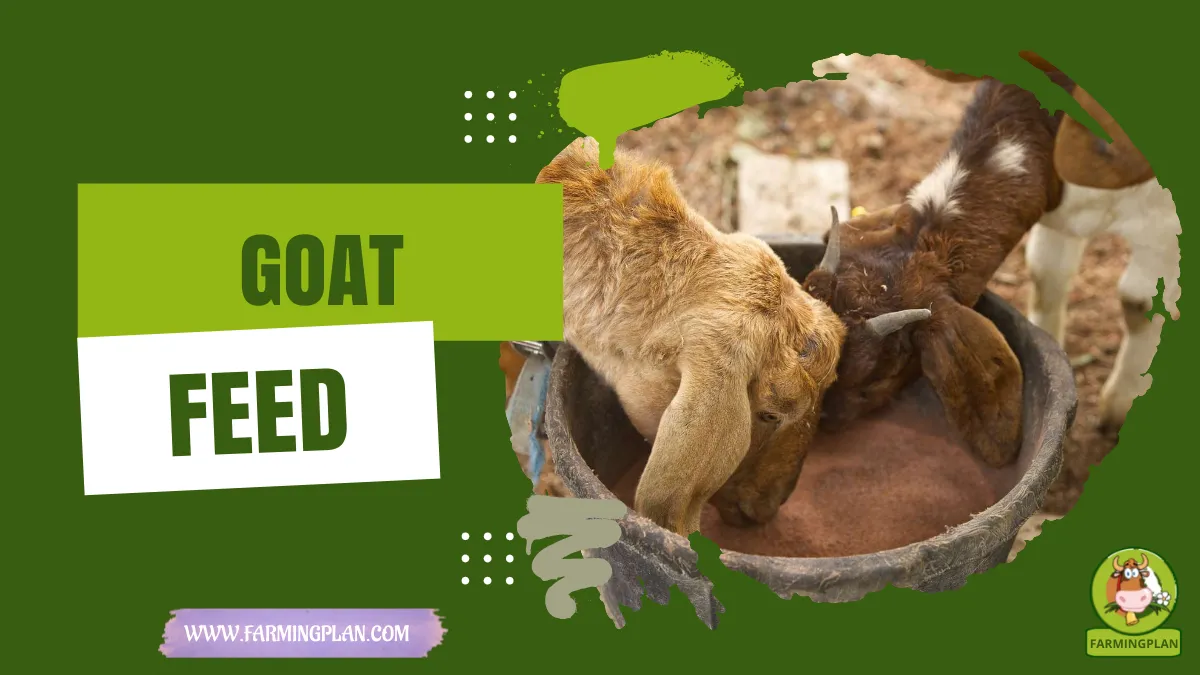
Goat feed forms the foundation of every successful homestead and commercial livestock operation that I manage. When I started raising goats, I realized that providing nutritionally balanced rations made a massive difference in milk yields and meat production. Your herd needs a clean mix of Crude Protein, essential minerals like Calcium and Copper, and high-quality roughage to stay active.
Whether you care for lactating does, growing lambs, or energetic herd bucks, matching your feeding program to their exact life stage keeps your farm thriving. I always mix wholesome grains like steam rolled barley with yeast culture, probiotics, and crucial trace minerals to protect against digestive issues. Managing proper nutrition prevents common problems like bloat and urinary issues while boosting immunity across your entire livestock group.
History & Origin of Goat Feed
Centuries ago, livestock survived mostly by browsing on wild brush, woody plants, and native grasses across rugged terrain. Early farmers noticed that wild vegetation alone could not sustain high milk production or rapid growth during harsh winter months. As agricultural science evolved, producers began supplementing natural forage with harvested grains, seeds, and agricultural byproducts to improve animal survival rates. Over time, agricultural research proved that ruminants require specific balances of micro-nutrients to reach their full potential.
In modern livestock care, we moved from simple grain supplementation to highly specialized pellet rations and balanced complete feed formulas. Scientists discovered that proper ratios of Calcium to Phosphorus prevent serious metabolic diseases in domestic herds. The development of medicated complete feed options like decoquinate helped farmers combat coccidiosis, an intestinal parasite caused by Eimeria species. Today, we combine traditional forage with advanced ingredients like Saccharomyces cerevisiae, yeast culture, andchelated minerals to ensure optimal rumen development.
Read More: Pig Farming Mastery: Proven Secrets for Success
Characteristics of Goat Feed
Quality feed comes in several distinct forms, including textured mixes, crushed grains, and uniform mini pellet varieties. I prefer pelleted feeds because they prevent picky animals from sorting out essential vitamins and consuming only the sweet components. A well-formulated complete feed contains guaranteed analysis labels that show precise percentages of Crude Protein, Crude Fat, and Crude Fiber. High-energy meat goat rations and specialized dairy goat rations always list key trace elements like Selenium, Sodium, and Vitamin A Supplement.
The physical traits of feed directly impact how well your herd ingests and digests their daily nutrients. For instance, goat granola mixes combine crimped oats, steam rolled barley, and a touch of sweet molasses for supreme palatability. Meanwhile, fortified pellets incorporate pellet binder and mineral oil to minimize dust and keep the nutrients firmly locked together. Choosing between a Goat Grower-Finisher blend or an all-purpose sheep feed depends on the exact nutrient demands of your livestock.
Nature and Temperament of Goat Feed
Feeding time reveals the true personality and dynamic social hierarchy within your farm herd. Goats act naturally curious, energetic, and surprisingly selective when you present them with fresh food choices in the barn. Dominant herd bucks and mature does will aggressively bully younger animals away from trough spaces if you offer limited feeding areas. I always set up creep feed stations so growing youngsters can eat high-energy rations without competing against larger adult animals.
Understanding herd behavior helps you design a stress-free feeding system that supports every animal. Calm, well-fed livestock exhibit happy vocalizations, active chewing of their cud, and steady weight gains across all life stages. When you offer a sweet, nutritionally balanced feed containing natural herbs like fenugreek or yucca, your animals willingly gather around the feed stalls. Maintaining a consistent feeding schedule keeps your animals relaxed, friendly, and easy to handle during daily routine checks.
Food and Diet Essentials for Optimal Growth
A complete goat feeding program requires a careful balance of quality forage, energy grains, and targeted mineral supplements. Ruminants require high-fiber hay or good pasture as the primary foundation of their daily intake to maintain healthy rumen motility. You should supplement forage with a pelleted complete feed containing at least 16% to 18% Crude Protein for growing kids and lactating does. I always keep clean water, salt blocks, and loose trace minerals containing Copper and Vitamin D3 Supplement available at all times.
You must avoid feeding toxic garden plants, moldy hay, or excessive amounts of rich, simple grains that trigger severe bloat. Never offer feeds designed for horses or swine, as those feeds lack the specific mineral ratios required by small ruminants. Avoid feeding plain sheep rations to breeding goats long-term, because sheep feeds intentionally exclude essential Copper levels that goats desperately need. Always transition your animals to new feed formulas gradually over a ten-day period to protect delicate gut microorganisms like Lactobacillus acidophilus.
Usage and Purpose of Goat Feed
We tailor feed selections to meet specific production goals, such as milk production, meat growth, or general herd maintenance. Dairy goats working through active lactation demand high-protein, high-energy feeds like Sweet Goat 18% or La Cuesta Milk Goat Feed to sustain milk yields. Meat goat breeders utilize high-energy formulations like Goat Grower-Finisher pellets to encourage steady muscle development and solid frame growth. Maintenance animals and dry does thrive on good pasture supplemented with basic Hay Replacer pellets and balanced minerals.
Specialty components within commercial feed serve vital health purposes during critical life stages like gestation and early growth. For example, feeding specialized creep feed helps young kids transition smoothly from milk to solid forage without experiencing sudden weight drop. Show breeders use specialized show feeds containing Lambitine technology and antioxidants to develop lustrous coats and superior muscle tone. Using targeted feeding programs ensures that every buck, doe, and kid receives exact nutritional support for their specific purpose.
Special Features of Goat Feed
Modern livestock feed incorporates cutting-edge nutritional technology designed to maximize nutrient absorption and promote animal health. Premium feeds utilize chelated minerals like Bioplex and Sel-Plex, which bond minerals to amino acids for superior biological availability. Advanced formulas also include Bio-Mos 2 and specialty yeast cultures to support immune competence and stabilize gut acidity. These ingredients work together inside the digestive system to protect against harmful pathogens while optimizing daily nutrient intake.
Another unique feature of modern rations is the inclusion of natural plant extracts like yucca and fenugreek to enhance overall palatability. Specialty pellet binder ingredients ensure that every mini pellet maintains structural integrity during shipping, handling, and storage in your barn. Formulations featuring extra antioxidants help support colostrum feeding quality in pregnant does, giving newborn kids a strong immune start. These tailored features transform simple agricultural grains into powerful tools for long-term livestock vitality.
Health Issues and Prevention of Goat Feed
Improper feeding strategies cause many common diseases, but you can prevent most health issues through intelligent nutrition management. Coccidiosis strikes young kids, causing severe diarrhea, weight loss, and intestinal damage caused by Eimeria ninakohlyakimovae parasites. I prevent this threat by feeding a pelleted medicated complete feed containing decoquinate or monensin during vulnerable growth periods. Another serious threat is enterotoxemia, or overeating disease, which occurs when animals consume excessive simple sugars or rich grains too quickly.
Calculi formation in the urinary system poses a deadly risk to male goats fed unbalanced grain diets lacking proper Calcium to Phosphorus ratios. You must maintain a 2:1 Calcium to Phosphorus ratio in all feed rations to keep the urinary tract clear and functioning. Adding Ammonium Chloride to grain mixes helps prevent crystal buildup, while feeding adequate roughage stimulates saliva production to buffer the rumen naturally. Always monitor your herd for early signs of bloat, lethargy, or reduced cud chewing so you can adjust rations quickly.
Feed Your Herd With Care Today To Build A Flourishing Farm Tomorrow.
Step-by-Step Farming Guide for Goat Feed
Providing proper nutrition requires a disciplined daily routine, structured facilities, and clean feeding equipment across every season. Managing a healthy herd demands clear organization, proper storage, and careful calculation of daily feed ratios based on body weight. Follow these proven step-by-step guidelines to build an efficient, highly productive feeding system on your farm.
Step 1: Evaluating Herd Requirements and Pasture Quality
I begin by calculating the exact nutritional needs of my herd based on body weight, age, and current production status. Pregnant does, lactating does, and growing kids require significantly higher protein and energy levels than mature wethers resting on maintenance diets. Inspect your pasture regularly to assess the availability of desirable browse, legumes, and native grasses throughout the growing season. Test your soil and hay samples to identify natural mineral deficiencies, particularly regarding local Selenium and Calcium levels.
Select commercial feed products that match your production goals, such as Nutrena Country Feeds 18% Pelleted Goat Feed or Sweet Goat 18%. Read every product code, guaranteed analysis tag, and feeding instructions document thoroughly before purchasing feed bags in bulk. Store all feed inside sealed, pest-proof metal bins kept in a dry area to prevent mold, moisture, and rodent contamination. Calculate your daily feed costs against current market regular price offers to keep your homestead or commercial farm profitable.
Step 2: Setting Up Clean Feeding Stations and Equipment
Design clean, elevated feeding stations that prevent animals from stepping into or defecating on their food supplies. Goats refuse to eat dirty or trampled feed, so elevated fenceline feeders and covered hay racks save money and reduce waste. Construct separate creep feed areas featuring small entry gates so young kids can access high-protein grower pellets without adult interference. Provide ample feeder space per head so subordinate animals can eat peacefully without getting rammed by dominant herd members.
Position clean water troughs and trace mineral blocks near your main feeding areas to encourage constant hydration and nutrient uptake. I install dedicated mineral feeders off the ground to protect loose formulations like Purina Wind & Rain Goat Mineral from rain. Check water troughs twice daily to remove debris, leaves, and algae, ensuring fresh, cool water remains available continuously. Clean water is the single most important component of your feeding setup, directly affecting digestion and total feed consumption.
Step 3: Executing Daily Feeding Routines and Monitoring Intake
Establish a strict daily feeding schedule, offering grain rations at the exact same times every morning and evening. Measure out grain portions using accurate weigh scales rather than volume scoops to ensure consistent caloric intake for every animal. Begin by offering high-quality alfalfa or grass hay first, allowing the rumen to fill with fiber before introducing concentrated grains. Monitor how eagerly your animals approach the feed trough, as a sudden lack of appetite signals early illness or digestive distress.
Observe individual body condition scores weekly to determine if you need to increase or decrease daily grain allowances. Adjust feeding amounts gradually during major life transitions, such as moving from dry gestation into active lactation phases. Clean out uneaten grain or wet hay from troughs daily to prevent mold growth and bacterial contamination in the feed zone. Keep detailed record logs of daily feed consumption, growth rates, and milk yields to optimize your farm management strategies.
Read More: Cattle Feed Mastery Guide for Best Success
Expert Tips and Best Practices for Goat Feed
- Always provide loose trace minerals containing vital Copper instead of relying solely on standard sheep blocks.
- Keep clean, fresh water available at all times, as water intake directly drives feed digestion and milk production.
- Feed high-quality alfalfa hay to lactating does to meet their heavy demand for Calcium and Crude Protein.
- Use a medicated feed with decoquinate to protect young kids from destructive internal coccidiosis parasites.
- Never make sudden changes to grain rations; transition to new feed formulas slowly over ten full days.
- Install dedicated creep feeders to ensure young kids receive uninterrupted access to high-energy grower rations.
- Offer yeast culture supplements like Saccharomyces cerevisiae to maintain stable rumen pH and boost fiber digestion.
- Keep dry does on simple forage and balanced minerals to prevent them from becoming overly fat before breeding.
- Maintain a strict 2:1 Calcium to Phosphorus ratio in all male goat diets to prevent fatal urinary calculi crystals.
- Elevate all hay mangers and grain troughs off the ground to eliminate feed waste and parasite transmission.
FAQs
What is the best commercial goat feed for weight gain?
The best feed for rapid weight gain is a pelleted Goat Grower-Finisher ration containing 16% to 18% Crude Protein fortified with high-energy grains like steam-rolled barley and canola oil. Adding healthy fats, yeast cultures, and proper minerals ensures steady muscle development and efficient digestion.
Can I feed sheep feed to my goats safely?
You should not feed standard sheep feed to goats long-term because sheep formulations lack the higher Copper levels that goats require for basic health. Goats need significant Copper for coat quality, immune function, and parasite resistance, whereas sheep can suffer from Copper toxicity at those same levels.
How much grain should a lactating doe eat daily?
A lactating doe generally requires about one pound of high-protein grain feed for every two to three pounds of milk she produces, in addition to free-choice quality hay. Always adjust grain portions gradually based on her individual body condition score and overall daily milk yield.
How do I prevent bloat when introducing new grain?
Prevent bloat by introducing new feed formulations slowly over a period of seven to ten days while offering plenty of long-stem dry hay first. Feeding hay before grain slows down grain consumption and stimulates protective saliva production, which buffers the digestive system naturally.
Why are loose minerals better than mineral blocks?
Loose minerals are better because a goat’s smooth tongue cannot lick hard mineral blocks efficiently enough to satisfy their daily micro-nutrient requirements. Offering free-choice loose minerals ensures your herd consumes adequate levels of Calcium, Selenium, Copper, and essential vitamins daily.
Conclusion
Providing your herd with proper goat feed is the single most effective way to ensure fast growth, high milk yields, and excellent overall herd health. A balanced diet combining quality forage, essential minerals like Copper and Calcium, and high-energy pelleted grains keeps your livestock thriving across every life stage. By understanding their unique dietary needs, preventing common digestive issues, and keeping clean feeding stations, you build a strong foundation for homesteading success. Start evaluating your herd’s nutritional plan today, upgrade your feeding equipment, and leave a comment below sharing your favorite feeding routines or ask any questions to keep our farming community growing strong!