The Jakhrana Goat is one of the absolute best dairy breeds you can ever raise on your farm. I remember the exact moment I brought my very first herd to my homestead years ago. These large, beautiful animals surprised me with their massive milk production and calm attitude right from day one. If you want a hardy animal that delivers incredible daily milk yield even in harsh, hot and dry areas, you are looking at the perfect livestock choice. Many new breeders ask me about the right balance between meat production and dairy returns. This outstanding breed handles both goals easily without demanding expensive maintenance.
In this complete guide, I will walk you through everything I learned from years of hands-on experience in the field. We will cover body weight ranges, daily feeding routines, disease prevention, and proper shelter design. You will get practical tips on handling twins, triplets, colostrum feeding, and basic breeding schedules. My goal is to help you build a profitable, happy farm with this remarkable animal genetic resource. Let us jump right in and explore why this legendary breed stands out from all other Indian goats.
History and Origin of Jakhrana Goat
The legendary Jakhrana Goat gets its name directly from its native village, Jakhrana, located in the Alwar district of Rajasthan. Local farmers in this semi-arid region bred these animals for generations to survive on tough local vegetation while producing high milk yield. Over time, the breed spread into parts of Haryana and nearby states due to its solid reputation. Farmers loved how these resilient goats adapted to extreme heat without dropping their daily milk output.
Unlike other popular domestic animals like the Kutchi goat or Malabari goat, this specific breed developed under strict local selection for large body size and dairy capacity. Historical records and local animal genetic evaluation programs highlight its close ties to the broader Capra hircus family tree. Neolithic farmers in dry belts selected ancestors that could thrive on sparse bushes and dry fodder. Today, the purebred population remains concentrated around Alwar, where dedicated breeders preserve its clean genetic traits.
Understanding where these animals come from helps us replicate their natural conditions on our modern farms. When you build shelter or choose grazing grounds, remember that their ancestors thrived in dry climate zones with plenty of fresh air. They do not like damp muddy floors or soggy fields. Honoring their natural origin keeps your herd healthy and productive year after year.
Read More: Bantu Pig Secrets Unleashed: Farming Business From Scratch
Characteristics of Jakhrana Goat
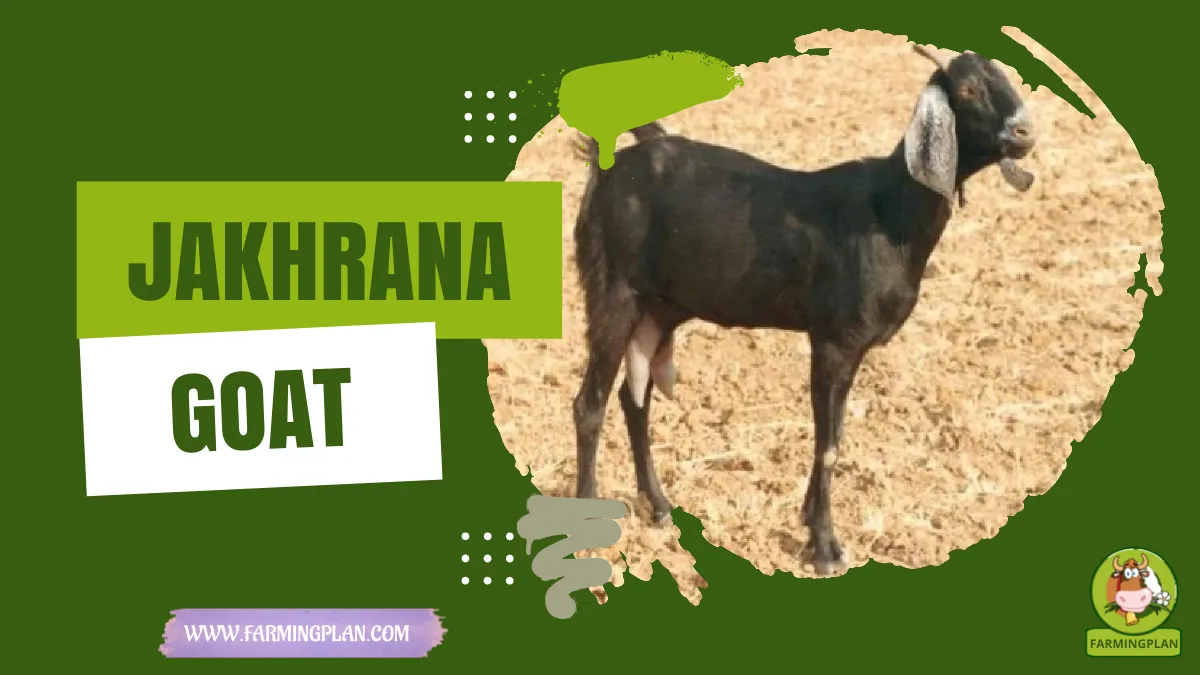
When you walk into a crowded livestock market, you can spot a purebred Jakhrana Goat instantly. They carry a sleek, shiny black Jakhrana Goat usually marked with tiny white specks on their ears and muzzle. Their large, majestic body structure resembles the famous Beetal goat, but they possess distinct traits all their own. They have long, pendulous ears that flop downward, protecting their ear canals from dust and debris during grazing.
Both bucks and does carry medium-sized horns that curve backward and upward in a soft spiral pattern. Their physical measurements show impressive body height, long body length, and a deep heart girth that indicates strong lung capacity. Adult bucks often weigh between 55 to 70 kilograms, while mature does typically range from 45 to 55 kilograms. Their wide udders feature well-developed teats, making hand milking or machine milking smooth and efficient every single morning.
Unmistakable Features of the Jakhrana Goat
| Physical Measurement | Adult Buck Range | Adult Doe Range |
| Body Weight | 55 – 70 kg | 45 – 55 kg |
| Body Height | 80 – 90 cm | 70 – 80 cm |
| Body Length | 85 – 95 cm | 75 – 85 cm |
| Heart Girth | 85 – 95 cm | 75 – 85 cm |
Their skin is smooth, dense, and highly valued in the local tanning industry after their natural lifespan ends. The combination of strong legs, long stride, and deep chest lets them walk long distances across rough terrain without tiring. Their distinct coat finish shines in full sunlight when they receive proper nutrition and mineral supplements.
Nature and Temperament on Jakhrana Goat
Managing a herd becomes a genuine pleasure when your animals possess a gentle, calm temperament. I find this breed remarkably easy to handle compared to more nervous or skittish livestock breeds. Does display wonderful mothering instincts right after kidding, cleaning their newborns quickly and encouraging them to nurse without human friction.
Bucks can grow quite large, yet they remain manageable when you train them with regular handling from an early age. They respond well to gentle voices, familiar routines, and tasty treats like green fodder or grain mixes. Children and young farm hands can safely learn basic chores around these friendly animals under basic supervision. Their relaxed attitude keeps stress levels low across the entire barn, which directly boosts overall milk yield.
These Jakhrana Goats form strong social bonds within their group and follow a simple herd hierarchy without violent fights. When you introduce new animals, they settle minor dominance questions fast and return to calm grazing. Their stable nature also makes them great candidates for rotational grazing systems or stalls. You will spend less time repairing broken fences and more time enjoying productive daily farm work.
Food, Diet, and Essential Nutrition Secrets of Jakhrana Goat
Proper nutrition drives high milk yield and healthy body weight growth in your herd. These hungry herbivores need a balanced diet of quality green fodder, dry roughage, and rich concentrate feed. I always provide a steady supply of green legumes like Berseem, Lucerne, and fresh Podded fodder during peak growing seasons.
Daily Feeding Rules for Top Performance
During dry months when green grass is scarce, good quality Silage and dry crop residues keep the rumen functioning perfectly. You should supplement their diet with energy-rich concentrates containing corn, barley, soybean meal, and essential mineral mixtures. A lactating doe needs extra grain to sustain her high daily milk production without losing body condition. Clean, fresh drinking water must remain available 24 hours a day because water intake directly controls milk volume.
- Green Fodder: Berseem, Lucerne, Cowpea, and native tree leaves.
- Dry Fodder: Sorghum stover, wheat straw, and peanut hay.
- Concentrate Feed: Crushed maize, mustard cake, wheat bran, and mineral salt blocks.
Never feed spoiled grain, moldy hay, or chemically sprayed crops to your animals. Sudden dietary changes cause severe digestive issues in their sensitive rumen chamber. Always transition onto new feeds gradually over 7 to 10 days to protect beneficial gut bacteria.
Purpose and Commercial Value for Jakhrana Goat
This outstanding livestock option serves as a true dual-purpose breed, excelling in both dairy performance and meat production. A well-managed doe delivers an average milk yield of 2 to 3 liters per day throughout a lactation period lasting up to 180 or 200 days. Her milk contains high butterfat content, making it excellent for fresh consumption, direct sale, or farm-made artisanal cheese.
Beyond milk, their impressive growth rate makes young bucks ideal for the premium meat market. The meat is tender, lean, and highly sought after during festive seasons when livestock demand spikes. Their strong hides also command top prices from commercial leather processors due to their thickness and clear grain texture.
Dual-Purpose Power for Milk and Meat Production
Total Economic Returns
├── Daily Milk Sales (2-3 Liters/Day)
├── Meat Sales (Fast-Growing Young Bucks)
├── Kid Sales (High Twinning & Triplet Rates)
└── Premium Skin & Leather Byproducts
Because of this double income stream, commercial livestock owners recover their initial investment rapidly. You can sell fresh milk daily for steady cash flow while raising young stock for seasonal livestock sales. This balance shields your farm business from sudden market shifts in any single product category.
“Raising Healthy Livestock Brings True Joy And Daily Wealth To Every Dedicated Farmer.”
Special Features and Unique Genetic Traits of Jakhrana Goat
One standout feature of this breed is its incredible kidding performance under traditional homestead management. Does frequently give birth to twins, and healthy, well-fed does often produce triplets during prime reproductive years. This high twinning percentage speeds up your herd expansion plans without requiring you to purchase additional breeding stock.
Another unique genetic gift is their natural heat tolerance and drought resistance. While imported foreign dairy breeds like the Saanen struggle in blazing summer heat, this native wonder continues grazing and producing milk smoothly. Their digestive system efficiently converts low-quality bushes, tree leaves, and dry fodder into high-quality protein and milk.
Their thick, sturdy hooves naturally resist rot and foot wear, even when walking across hard, stony ground daily. Their broad muzzle lets them gather sparse vegetation fast, maximizing intake during short grazing periods. These combined survival skills make them an unmatched asset for farmers in arid or changing climate zones.
Health Issues and Preventive for Jakhrana Goat
Keeping your herd healthy requires proactive care, clean housing, and strict adherence to seasonal vaccination schedules. Common health threats include Pinkeye, Coccidiosis, and Johne’s disease, which can spread fast if sanitation slips. You must watch your animals daily for warning signs like watery eyes, dull coats, reduced appetite, or watery diarrhea.
Infectious respiratory issues can occur during sudden seasonal shifts if barns suffer from poor ventilation or damp bedding. Worm infestations lower body weight fast and drain energy, so implement a routine deworming program every three to four months. Newborn kids need special protection against enterotoxemia by ensuring their mothers receive proper vaccines before kidding season starts.
Guarding Your Herd Against Common Diseases
Work closely with your local veterinarian to stock essential remedies and establish a firm preventive care calendar. Isolate any sick animal immediately in a warm, dry quarantine stall to protect the rest of your healthy herd. Clean water troughs daily and sanitize feeding bunks weekly to destroy harmful parasites before they cause trouble.
Step-by-Step Farming Guide for Jakhrana Goat
Building a successful farm with this elite Jakhrana Goat breed requires clear planning, proper shelter, strategic feeding, and structured breeding management. I have broken down the complete management process into six detailed, actionable steps that guarantee long-term health and maximum profitability for your farm.
Step 1: Housing Setup and Floor Management
Designing a clean, safe goat house provides the foundation for total herd wellness. Construct your barn on high ground to prevent water accumulation during rainy seasons. Use a Clay floor packed tightly over gravel or build raised wooden slatted floors to allow easy waste removal. Ensure the roof protects against rain and hot sun while leaving open side vents for constant fresh air movement. Install sturdy perimeter fencing using woven wire to keep predators out and stop curious goats from wandering off into neighboring crops.
Step 2: Selecting Quality Breeding Stock
Selecting strong foundation animals directly determines your future success in dairy production. Purchase young does showing deep bodies, wide hips, clear eyes, and broad udders with well-placed teats. Verify that bucks possess strong legs, large testicles, and a proud, aggressive masculine posture without structural defects. Examine herd records to confirm high milk production history in the mother’s line before finalizing your order. Avoid buying animals from overcrowded, dirty markets where disease exposure runs dangerously high.
Step 3: Feeding Protocols and Colostrum Care
Establish a rigid feeding schedule that satisfies energy, protein, and mineral needs every day. Feed high-quality green fodder every morning, followed by clean dry roughage and custom concentrate mixes in the afternoon. When newborn kids arrive, ensure they consume warm Colostrum within the first two hours of life to gain essential antibodies. Transition growing kids onto solid feeds like soft Berseem and starter grain pellets around three weeks of age. Keep mineral salt blocks hung at shoulder height throughout the shelter so animals can self-regulate their mineral intake.
Step 4: Breeding and Kidding Management
Schedule your breeding cycle so kids arrive during moderate weather months when green feed is plentiful. Keep track of breeding dates; the typical gestation period runs about 150 days from service. Prepare clean, dry, heavily bedded kidding pens two weeks before expected delivery dates to give mothers privacy. Monitor deliveries closely, but allow nature to take its course unless a mother shows clear distress during hard contractions. After birth, dip naval cords in iodine solution immediately to prevent deep bacterial infections.
Step 5: Routine Sanitation and Health Checks
Maintain strict sanitation protocols across every square foot of your farm facilities every single week. Scoop manure daily from sleeping areas and replace wet bedding with fresh, dry straw or wood shavings. Wash water buckets with scrub brushes and clean water daily to prevent algae and bacterial growth. Perform regular hoof trimming every six to eight weeks to prevent painful overgrown hooves and foot rot. Administer required seasonal vaccines like CDT and PPR according to your veterinarian’s strict local guidelines.
Step 6: Milk Production and Record Keeping
Execute clean milking procedures every morning and evening at exact, regular time intervals. Wash the doe’s udder with warm water and sanitize your hands thoroughly before handling milk pails. Record daily milk volume for every individual doe in a simple farm logbook or digital spreadsheet. Track kidding interval times, growth weight rates, and medical treatment dates across the whole year. Review these detailed records quarterly to cull poor producers and breed only your top-performing dairy does.
Expert Tips and Best Success Strategies of Jakhrana Goat
Practical Secrets from Years in the Field
Success in commercial animal husbandry comes down to mastering small daily details that keep your livestock thriving. Here is my personal collection of proven strategies to help you maximize your farm profits and keep your herd healthy:
- Group Animals by Age: Keep growing kids, lactating does, and mature bucks in separate housing pens to prevent bullying at feeding troughs.
- Use Elevation for Feeders: Mount feed racks at least 30 centimeters above the floor to stop animals from stepping on or dirtying expensive fodder.
- Plant On-Farm Fodder Trees: Grow fast-growing fodder trees along fence lines to provide free, nutrient-rich green leaf feed during dry summer months.
- Invest in Good Lighting: Install bright barn lighting to make early morning milking and late-night kidding inspections easy and safe.
- Rotational Grazing: Divide pasture fields into small paddocks and rotate your herd weekly to break parasite life cycles naturally.
- Maintain Emergency Supplies: Keep a clean farm kit stocked with bandages, iodine, thermometer, syringes, electrolyte powder, and basic bloat remedies.
Implementing these simple, reliable habits reduces daily labor, lowers veterinary costs, and improves overall milk production across every lactation cycle.
Read More: Buff Back Goose: Nature’s Golden Elegance Soars!
FAQs
What is the average milk per day for a Jakhrana Goat?
A healthy doe in her prime produces between 2 to 3 liters of nutritious milk per day under good care. Exceptional does with optimal concentrate feeding can yield even higher amounts during peak lactation months.
What is the typical body weight of a mature Jakhrana Goat?
Mature bucks generally weigh between 55 and 70 kilograms, while adult does weigh between 45 and 55 kilograms. Proper feed nutrition directly supports maximum growth and weight retention.
Where did the Jakhrana breed originate?
This famous dairy breed originated in the village of Jakhrana, located in the Alwar district of Rajasthan. It thrives in hot, dry climate zones across northwestern India.
Are Jakhrana Goats good for commercial meat production?
Yes, they make excellent dual-purpose animals that produce fast-growing kids with high meat yields alongside milk. Their large body frame produces heavy carcasses that sell for high prices at markets.
What is the average kidding rate for this breed?
This breed boasts a high kidding rate, frequently producing twins and occasionally triplets when properly nourished. Their strong reproductive performance allows fast, profitable herd expansion.
Conclusion
The Jakhrana Goat offers an incredible opportunity for farmers, breeders, and homesteaders looking to build a resilient, highly profitable livestock business. With its remarkable daily milk output, rapid growth rate, and tough resistance to harsh climate conditions, this dual-purpose powerhouse stands out as a true champion in the field. By applying the practical housing, feeding, and healthcare steps shared in this guide, you can establish a thriving herd that delivers steady income and genuine daily satisfaction for years to come.