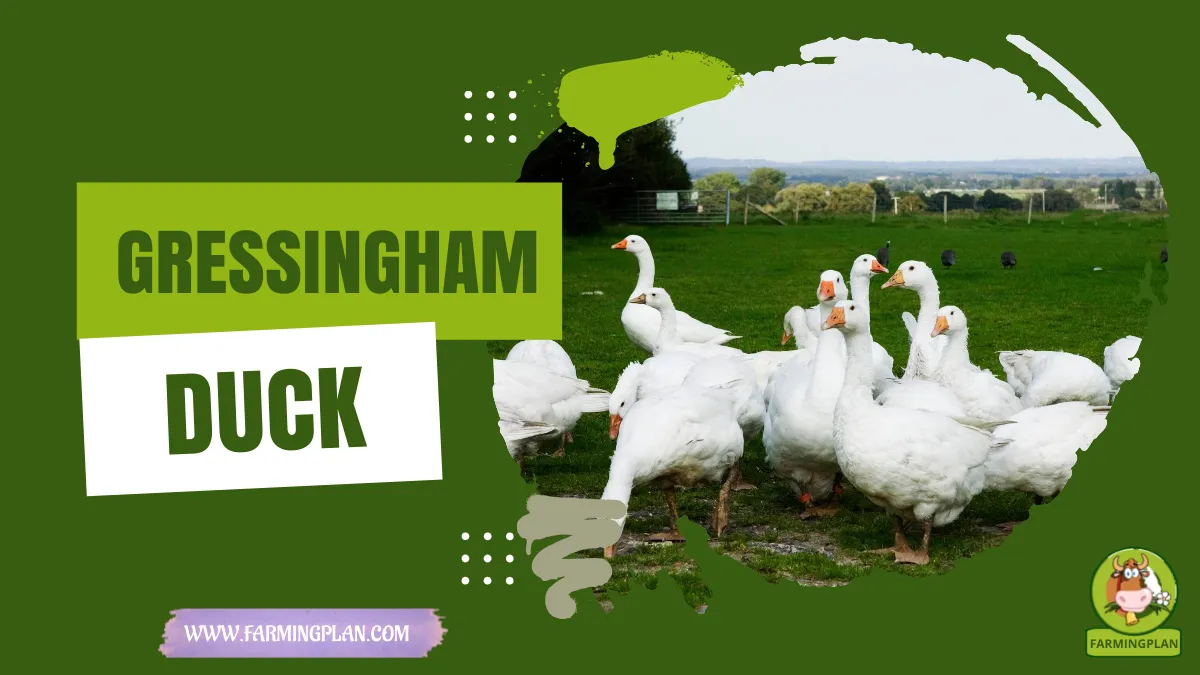
I always get excited when talk turns to the iconic Gressingham duck, a remarkable bird that completely transformed how we enjoy fresh poultry at home and in fine restaurants. As a farming specialist with years of hands-on experience in the field, I love sharing my personal insights about raising these famous birds on rural farms. The Gressingham duck is a unique crossbreed between the wild Mallard and the fleshy Pekin duck, giving us a delicious bird with remarkable breast meat and rich, succulently deep flavours.
Whether you want to master roasting a whole bird, sear juicy duck breasts in an ovenproof frying pan, or craft a rich red wine sauce using homemade stock, understanding this breed helps you appreciate what ends up on your plate. From local butcher shops to major supermarket shelves like Tesco duck selections, Gressingham Foods transformed the culinary landscape by offering premium quality duck ready meals and fresh cuts. Let us explore the origins, traits, care guidelines, and kitchen tips for this extraordinary bird together today!
History & Origin of Gressingham Duck
I remember my first visit to the lush countryside of England, where the story of this exceptional bird began several decades ago. Back in 1980, a visionary farmer in the small village of Gressingham, Lancashire, decided to experiment with crossing two popular duck breeds. He wanted to combine the distinct, intense flavor of the wild Mallard with the large, succulent body structure of the domestic Pekin duck. The result of this clever breeding project was a brand-new bird that caught the immediate attention of top chefs across the country.
The brand grew rapidly from a small regional enterprise into a national favorite, eventually coming under the stewardship of Green Label Holdings and Gressingham Foods. The company shifted its primary farming operations to East Anglia, where the gentle climate, sandy soil, and spacious fields provided the ultimate home for free-range poultry production. Over the years, these farms refined their sustainable husbandry practices to ensure maximum bird welfare, which directly translates into high-quality meat. Today, food lovers recognize this specific breed as the gold standard for home cooking, Sunday roasts, and holiday feasts.
Growing up around livestock, I have watched many poultry breeds come and go, but this crossbreed permanently altered the commercial waterfowl industry. The success of this hybrid paved the way for accessible culinary duck products, allowing home cooks to purchase fresh mini fillets, spatchcock cuts, and whole roasts right off the grocery shelf. By focusing on sustainable growth, healthy nutrition, and careful genetic selection, the producers created a lasting agricultural success story that continues to inspire young farmers like me.
Read More: Biellese Sheep Bring Remarkable Joy To Farmers Everywhere
Characteristics of Gressingham Duck
When you observe a flock of these birds moving across an open pasture, their striking physical appearance immediately catches your eye. They inherit the glossy, beautiful feathering patterns of their Mallard ancestors alongside the robust, sturdy stature of the Pekin line. The birds possess clean, orange legs and feet, paired with a broad chest that produces an impressive amount of dark, flavorful breast meat. Compared to standard commercial ducks, they carry significantly higher ratios of meat to bone, making them exceptionally valuable for small-scale farmers and commercial producers alike.
The defining characteristic of this breed lies beneath its skin, where you find a much higher proportion of succulent breast meat and far less fat than traditional ducks. This lower fat profile makes the meat far less greasy during cooking while preserving that distinctive, deep gamey flavour everyone loves. The natural skin yields a wonderfully crisp texture when you score the surface, sprinkle it with sea salt, and sear it in a hot pan. Inside, the meat retains moisture effortlessly, providing a tender bite whether you cook fresh duck breasts or prepare slow-roasted duck legs.
Another great trait is the versatility of the meat across various culinary applications, from classic European roasting methods to modern Asian-inspired recipes. The dark meat holds up remarkably well against bold, complex ingredients like star anise, port, red wine vinegar, juniper berries, and sweet plum sauce. You can also harvest rich duck fat during the roasting process, which provides the ultimate cooking medium for crispy roast potatoes, spuds, and roasted vegetables. Understanding these physical attributes helps farmers manage their flocks better and helps cooks achieve restaurant-quality results every single time.
Nature and Temperament on Gressingham Duck
Working directly with these birds in the yard has taught me a lot about their unique social behavior and calm, adaptable nature. Unlike some high-strung breeds of domestic waterfowl, these ducks display a remarkably docile and gentle temperament that makes them a absolute joy to manage daily. They move together in cohesive groups, displaying strong flocking instincts whenever you guide them across open pastures or into secure night shelters. Their steady demeanor reduces stress levels within the flock, which actively promotes healthier growth rates and better overall physical condition.
I often tell new farmers that these birds thrive in peaceful, spacious environments where they can forage naturally among grass, insects, and fresh greenery. They enjoy exploring shallow water troughs and clean ponds, spending hours preening their feathers to maintain their natural waterproof coating. They rarely show aggression toward humans or other farm animals, making them ideal for mixed-use homesteads or small family farms. Their calm disposition also means they handle routine health checks, weigh-ins, and housing transitions with minimal fuss or panic.
Their peaceful personality directly impacts the quality of the final product you bring to the kitchen. Calm, stress-free birds produce far more tender meat, as elevated stress hormones can make muscle fibers tough and dry. Providing a predictable daily routine with consistent feeding schedules, clean water access, and comfortable bedding keeps their spirits high and their bodies healthy. If you treat these intelligent creatures with gentle care and respect, they will reward your efforts with steady growth and outstanding farm performance every day.
Food & Ideal Diet Requirements of Gressingham Duck
Feeding my flock a balanced, high-quality diet remains one of my top priorities as a dedicated farming specialist. To help these birds develop strong bones and abundant breast meat, I provide a wholesome diet rich in essential proteins, vitamins, and natural minerals. During their early growing stages, young ducklings require a specialized starter feed containing roughly twenty percent crude protein to support rapid muscle development. As they mature into adult birds, I transition them to a balanced grower pellet blended with natural grains, wheat, and fresh farm greens.
Clean, fresh water plays a vital role in their digestive process and overall metabolic health, as ducks need water to swallow their food properly. They routinely submerge their bills in water troughs while eating to flush out their nostrils and moisten their grain meals. I supplement their regular feed with fresh garden greens like Cavalo Nero, leafy greens, chopped carrots, and leftover roast vegetables to diversify their nutritional intake. I always avoid feeding them moldy bread, salty snacks, or processed foods, as these items cause severe digestive issues and permanent health problems.
In addition to commercial feeds, allowing the flock to forage outdoors provides natural nutrients that enhance the natural gamey flavour of their meat. They love hunting through the pasture for wild seeds, worms, grubs, and fresh grass shoots throughout the early morning hours. I also make sure they have constant access to coarse sand or grit, which helps their gizzards grind up tough grains and forage efficiently. A well-managed feeding regimen ensures optimal health, brilliant feather condition, and superior culinary qualities in the harvest.
Usage and Agricultural Purpose of Gressingham Duck
I primary raise these specialized hybrid birds for premium culinary meat production, as their lean profile sets them apart from other commercial breeds. Restaurants, professional chefs, and home cooks value this bird because it delivers the deep flavor of wild waterfowl without the excessive grease of standard domestic duck. The generous proportion of breast meat makes it perfect for pan-searing, while the flavorful legs work wonderfully for classic dishes like Confit de Canard. From everyday family dinners to elegant Christmas gatherings, this bird serves as a versatile central feature for any dining table.
Beyond the main cuts of meat, almost every single part of this animal offers tremendous value in the kitchen and on the farm. I always save the giblets, neck, and carcass bones to simmer rich duck stock, which serves as the perfect foundation for a velvety red wine gravy. The golden fat rendered during roasting is famous among cooks for creating the crispest, most delicious roast potatoes and spuds imaginable. Even the feathers can serve as natural insulation material, making this bird a truly sustainable and resource-efficient choice for agricultural production.
On the farm side, these ducks excel at natural pest control and pasture management when you allow them to graze across orchard floor spaces. They eagerly gobble up garden slugs, harmful beetles, and weed seeds without tearing up the turf as aggressively as heavy heritage chickens often do. Their nitrogen-rich manure makes fantastic organic fertilizer for growing garden crops, vegetables, and fruit trees after proper composting. Raising this multipurpose bird allows farmers to diversify their income streams while running a cleaner, more sustainable agricultural operation.
Special Features of Gressingham Duck
What sets this bird apart from every other breed on the market is its unique genetic heritage, blending the best traits of two distinct species. The wild Mallard contributes a rich, complex flavor profile and higher muscle density, while the Pekin provides rapid growth rates and generous breast meat proportions. This precise genetic combination results in a bird with significantly higher meat-to-bone yields than purebred wild ducks, giving consumers far better value. Additionally, the skin features tight pore structures that crisp up effortlessly under high heat in an air fryer or conventional oven.
Another special feature I love is the remarkable culinary flexibility this meat offers in both traditional and modern kitchen setups. You can cook duck breasts quickly in an ovenproof frying pan using minimal added oil, as the natural fat layer melts down to coat the meat perfectly. The meat absorbs complex marinades, dry rubs, garlic cloves, fresh thyme, dried thyme, and rosemary with incredible ease. Whether you steam mini fillets in a bamboo steamer for Duck Lettuce Wraps or roast a spatchcock bird in a foil tray, the results remain tender and delicious.
The natural composition of the fat layer is another rare advantage that culinary enthusiasts appreciate deeply. Duck fat contains a higher proportion of healthy unsaturated fats compared to butter or lard, giving it a lower melting point and a remarkably clean finish. You can easily decant rendered fat from your roasting tray into a glass preserving jar or food storage box for future cooking projects. This unique combination of lean meat, crispy skin, and high-quality cooking fat makes the bird a favorite for holiday feasts, Mother’s Day dinners, and casual weeknight meals alike.
Health Issues, Prevention, and Care of Gressingham Duck
Keeping a healthy flock requires daily observation, proper environmental management, and proactive preventive care routines. Like all poultry, these ducks can fall victim to common respiratory ailments if kept in damp, poorly ventilated housing with high ammonia levels. I prevent these issues by spreading clean wood shavings or dry straw across the coop floor daily and ensuring constant cross-ventilation near the rooflines. Watching for early warning signs like runny eyes, lethargy, or reduced appetite allows you to isolate sick birds before diseases spread through the flock.
Parasites like intestinal worms and external lice can occasionally affect your birds if they forage in wet, muddy areas without proper drainage. I control external pests by offering dry soil dust baths mixed with natural diatomaceous earth, which keeps their feathers clean and free of mites. Rotating your pasture areas regularly prevents the buildup of internal parasites in the soil and gives fresh forage a chance to regrow naturally. I also keep wild birds away from our farm feeding stations using covered hoppers to prevent the spread of avian influenza and other airborne diseases.
Foot injuries like bumblefoot can occur if the birds walk over sharp stones, thorny weeds, or rough concrete surfaces regularly. I inspect their feet during routine health checks, ensuring their walking paths consist of soft grass, deep bedding, or smooth soil surfaces. Providing clean drinking water at all times prevents blockages in their digestive tracts and keeps their immune systems strong year-round. Taking these simple preventive steps ensures your flock stays vibrant, healthy, and productive throughout their lifespan on the farm.
“Nurture Every Gressingham Duck With Care, Patience, Love, And Great Passion.”
Step-by-Step Farming & Raising Guide of Gressingham Duck
Raising your own flock of Gressingham ducks requires careful planning, dedicated daily care, and proper housing setups to achieve maximum success. Over my years on the farm, I have developed a straightforward system that guides young birds safely from tiny hatchlings to mature, healthy adult stock. By providing the right environment, balanced nutrition, clean water, and predator protection at every stage, you can maintain a thriving flock on your land. Follow these detailed steps to establish your own productive waterfowl setup at home.
Step 1: Setting Up the Brooder Environment
When your young ducklings arrive on the farm, they need a warm, draft-free brooder box lined with soft, absorbent paper towels or clean wood shavings. I position a heat lamp securely above one side of the container, maintaining a warm temperature of 90 degrees Fahrenheit for their first week. You should lower the temperature by five degrees each week until the young birds grow their full natural feathers and handle ambient outdoor weather easily. Provide constant access to a shallow water drinker designed specifically to prevent small ducklings from accidentally falling in or chilling themselves.
Step 2: Transitioning to the Outdoor Coop and Run
At around four weeks of age, your growing ducklings are ready to move out to a secure outdoor coop connected to a spacious pasture run. I build sturdy wooden housing with elevated floor surfaces, covered with clean straw, to protect the birds from cold night ground temperatures. Ensure the outdoor enclosure features heavy-duty hardware cloth fencing buried six inches into the soil to stop digging predators like foxes or raccoons. Provide adequate shade structures, fresh water troughs, and clean feeding areas so your growing flock stays comfortable during hot summer days.
Step 3: Managing Daily Feeding and Pasture Grazing
I establish a consistent daily routine by opening the coop at sunrise and filling clean feed hoppers with fresh grower pellets and grain blends. Allow your flock to roam across clean pasture areas where they can hunt for natural bugs, wild seeds, and leafy weeds throughout the morning. Check water troughs twice daily, scrubbing out any mud or debris so the birds always have clean water to wash down their feed. In the evening, herd the flock gently back into their secure coop, offer a small grain snack, and lock the doors tightly against night predators.
Read More: Idegem Duck Care Secrets for Amazing Results
Expert Pro Tips for Culinary and Farm Success
- Score the duck breast skin in a crosshatch pattern using a sharp knife without cutting into the red meat below.
- Always start cooking duck breasts skin-side down in a cold, dry frying pan to allow the natural fat layer to render out slowly.
- Save every drop of golden fat from your roasting tray in a clean preserving jar to roast crisp Arran Victory potatoes or spuds later.
- Use a reliable digital meat thermometer or meat probe to check the internal temperature, aiming for 135 degrees Fahrenheit for medium-rare duck breast meat.
- Rest your cooked duck meat on a warm plate wrapped loosely with foil for ten minutes before carving to allow the juices to redistribute evenly.
- Simmer the roasted carcass bones with garlic, thyme, bay leaves, black peppercorns, and red wine vinegar to create a rich, velvety homemade stock.
- Pair your finished duck roasts with bright, acidic sides like braised red cabbage, redcurrants, clementine slices, or a sweet plum sauce to cut through the rich meat.
FAQs
How do I cook a Gressingham duck breast perfectly at home?
Score the skin, season generously with sea salt, and place it skin-side down in a cold frying pan over medium heat for eight minutes. Turn the breast over once the skin turns golden and crisp, then roast in a preheated oven at 380 degrees Fahrenheit for six to eight minutes. Rest the meat for ten minutes before carving to keep it juicy and tender.
Where can I buy Gressingham duck products for my kitchen?
You can find fresh whole ducks, breasts, mini fillets, and duck ready meals at major UK supermarkets like Tesco, as well as local butcher shops. Many specialized farm stores and online meat purveyors also deliver fresh poultry cuts straight to your home door.
What makes a Gressingham duck different from a standard duck?
This bird is a special crossbreed between a wild Mallard and a domestic Pekin duck, giving it a distinctive balance of flavors. It features significantly more succulent breast meat and far less fat than standard commercial ducks, making it healthier and easier to cook.
What are the best side dishes to serve alongside roast duck?
Roast duck pairs wonderfully with duck-fat roasted potatoes, braised red cabbage, Cavalo Nero, Orange Butter Carrots, and Layered Mash Potato. You can also serve it with a rich red wine sauce, sweet chilli sauce, or hoisin sauce for Asian-inspired wraps.
How should I store leftover duck meat and rendered fat?
Place cooked duck meat into a sealed food storage box in the refrigerator and consume it within three days or freeze it for later use. Decant clean rendered duck fat through a fine sieve into a glass preserving jar and store it in the fridge for up to three months.
Conclusion
Raising and preparing the famous Gressingham duck offers an extraordinarily rewarding experience for small-scale farmers, homesteaders, and passionate home cooks alike. From its humble origins in Lancashire to its status as a culinary favorite, this exceptional hybrid bird delivers an unbeatable combination of easy farm management and superior meat quality. By applying proper poultry care methods, maintaining clean housing, and using smart kitchen techniques like slow fat rendering and proper meat resting, you can enjoy restaurant-quality poultry right from your own farm or kitchen. I invite you to share your personal duck recipes, farm experiences, or favorite cooking tips in the comments section below so we can keep learning and growing together!