Are you thinking of owning an Austrian Black and Tan Hound dog? Perhaps you are doing research to discover more about this breed for a school project, or maybe you want to learn about the history and lifestyle of this popular four-legged friend. Whatever your reasons, if you’re looking for the ultimate guide on dog farming with the Austrian Black and Tan Hound, then look no further! In this blog post, we will inform you on everything from its heritage to how best to care for these wonderful animals. The Austrian Black and Tan Hound has stolen my heart with its incredible hunting spirit and gentle soul.
We cover various topics such as buying an AKU (Austrian Kennel Club) approved puppy, understanding their special food needs as well as tips on exercising them so they can stay healthy and happy throughout their lifetime. Read all about it here! As a working animal specialist, I love raising an Austrian black and tan hound puppy because of their sharp mind and keen nose. Known in its native home as the Österreichische Glatthaarige or Brandlbracke, this breed excels at scenting game across tough mountainous terrain.
History & Origin of the Austrian Black and Tan Hound Dog
I have spent decades working with working hunting dogs, and the history of this noble breed never fails to impress me. These dogs trace their direct lineage back to the ancient Celtic Hounds that roamed Europe centuries ago. In the high-altitude mountain regions of Austria, hunters carefully selectively bred these dogs for tracking game over rough cliffs. They needed a hardy dog capable of tracking wounded game through snow, thick timber, and steep rocky paths.
The breed earned the local nickname Vieräugl or Vieraugli, which translates to “four-eyed,” because of the distinct tan patches above their dark eyes. In Austria, breeders focused heavily on physical performance, scenting abilities, and resilience against cold winds rather than mere looks. The Federation Cynologique Internationale officially recognized the breed under Group VI for Medium sized Scenthounds. While they share ancestral traits with European foxhounds, Bloodhound strains, and even distant cousins like the American Black and Tan Coonhound, this hound remains a unique jewel of Austrian heritage.
I always tell new dog owners that understanding this working history explains their modern behavior. These dogs were never meant to be quiet couch potatoes. Their ancestors worked tirelessly alongside mountain hunters tracking game for hours. Today, reputable breeders maintain those exact scenting skills, high stamina, and keen tracking abilities.
Read More: Australian Performing Tumbler Pigeon: Best Farming Need to Know
Characteristics of the Austrian Black and Tan Hound Dog
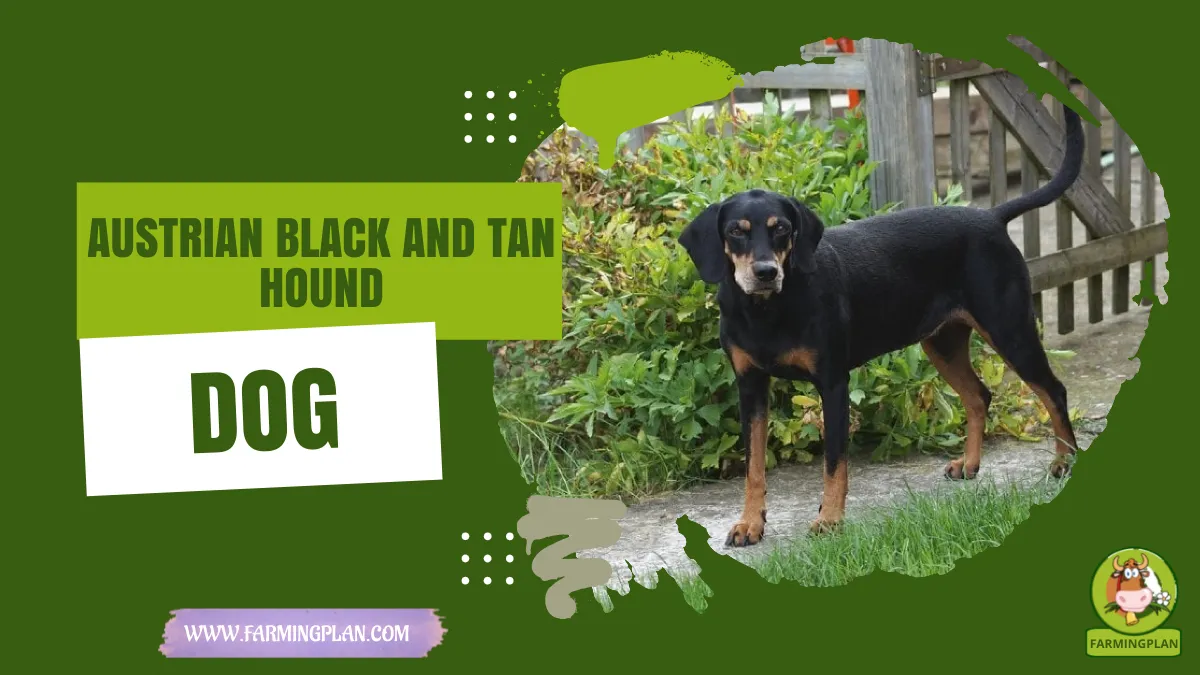
Whenever I showcase an Austrian Black and Tan Hound, people immediately notice their sleek athletic body structure and shiny coat. They are a medium-sized breed with males reaching up to 56 cm in height and a typical Austrian black and tan hound weight ranging between 33 to 49 pounds. Their body frame is flexible yet deep-chested, built for incredible speed and endless endurance.
Their coat is short, dense, and smooth with a silky sheen that protects them from harsh weather. The main body color is dense black, accented by bright, sharply defined fawn colorations or tan markings on the chest, legs, muzzle, and above the eyes. They have medium-length, high-set floppy ears that hang close to the cheeks, helping trap scents as they run. Their dark brown eyes express deep intelligence, while their scissors bite and complete set of 42 strong teeth show their working heritage.
- Dense, smooth short coat that sheds lightly to moderately.
- Clear fawn markings above the eyes and on the lower legs.
- Strong, straight forelegs with well-arched paws and tough black pads.
- Long, gently curved tail with a subtle brush of hair underneath.
Nature & Temperament of the Austrian Black and Tan Hound Dog
When I talk about the Austrian black and tan hound temperament, I always highlight their wonderful dual personality. Out in the field, they are fierce, persistent, and laser-focused trackers with a sensitive nose. Once back inside the farm house, they transform into calm, affectionate, and quiet family members who enjoy lounging near your feet.
They show immense loyalty to their human family and display great patience around school-aged children. However, they naturally possess a high prey drive toward small animals and varmint due to their ancestral background. Early socialization is critical to ensure they react calmly around strange dogs, visitors, and farm animals. They are not aggressive guard dogs, though their alert bark will definitely let you know when someone approaches your property.
- Extremely loyal, affectionate, and gentle with family members.
- High energy outdoors with a relaxed attitude inside the home.
- Calm around strangers but somewhat reserved at first.
- Strong instinct to chase small animals if left off a leash.
Food & Diet for the Austrian Black and Tan Hound Dog
Feeding a high-energy scent hound requires a thoughtful approach to daily nutrition. Because these active dogs burn through calories rapidly, I recommend high-quality, protein-rich food suited for active working breeds. A balanced diet protects their joints, fuels their muscles, and keeps their short coat shiny. While closely related to the Tyrolean Hound and Styrian Coarse-haired Hound, this smooth-coated working dog stands out with its striking fawn markings above the eyes.
They make a loving companion when given early socialization and daily activity to balance their strong prey drive. I feed my mature hounds twice daily rather than leaving food out all day. Puppies need three to four small meals of specialized puppy kibble to support fast bone growth. Always monitor their body weight closely to avoid obesity, which puts undue stress on their hips and elbows. Clean, fresh water must always be accessible, especially after heavy tracking or long runs in nature.
- Feed protein-heavy kibble rich in healthy animal fats.
- Include omega-3 fatty acids for coat shine and skin health.
- Avoid heavy exercise for at least one hour after meals.
- Do not feed cooked poultry bones, table scraps, or sugary snacks.
Usage & Purpose of the Austrian Black and Tan Hound Dog
Historically and practically, this breed is built primarily for tracking wounded game across difficult terrains. In Austria and neighboring regions, forestry workers and hunters rely on their scenting abilities to track hares, deer, and wild boar. Their deep, resonant bark allows handlers to easily follow their position through dense forests and steep gulches.
Beyond traditional hunting, these intelligent dogs make wonderful companions for active outdoor lovers. They excel in dog sports like AKC Rally, scent work trials, search-and-rescue training, and long-distance trail hiking. While they are far too vocal and energetic for tiny city apartments, they thrive on rural farms, homesteads, and suburban homes with huge securely fenced yards.
- Exceptional tracking game and trailing wounded game in rugged areas.
- Great partners for hiking, trail running, and outdoor adventures.
- Talented competitors in tracking trials and obedience challenges.
- Loving farm companions that help keep unwanted varmint away.
Special Features of the Austrian Black and Tan Hound Dog
What makes this scent hound stand out among other working breeds is its absolute focus on the trail. Their sensitive nose can distinguish faint scents on cold mountain rock hours after an animal has passed. Their large ears act like funnels, gathering scent particles toward their nostrils as they walk with their heads low. Another unique trait is their legendary endurance in cold weather and high-altitude mountain regions. Unlike heavy hound breeds like the Bloodhound or Coonhound, the Austrian hound possesses a lighter, more agile frame. This agility allows them to jump over rocky crevices and scale brush without tiring quickly or injuring their paws.
- Incredible cold-scenting abilities in harsh climate conditions.
- Remarkable agility and balance on steep mountain slopes.
- Iconic “four-eyed” fawn markings above the dark eyes.
- Very low grooming demands compared to long-haired mountain dogs.
Health Issues & Prevention in Austrian Black and Tan Hound Dog
As a specialist, I am happy to report that this is generally a hardy, healthy breed with a life expectancy of 12 to 15 years. However, like all working dogs, they are prone to specific genetic conditions and physical wear from hard work. Regular veterinary checks and preventive maintenance keep them performing at their absolute best.
They can suffer from joint problems like hip dysplasia and elbow dysplasia if raised on slick floors or over-exercised at a young age. Their long, pendulous ears trap moisture, making them susceptible to ear infections if not cleaned regularly. Owners should also watch for hypothyroidism, demodectic mange, and rare conditions like Coonhound paralysis.
- Perform routine X-rays to check for hip dysplasia before breeding.
- Clean and dry the ears weekly to prevent painful ear infections.
- Maintain annual veterinary checks for bloodwork and parasite prevention.
- Use a vet-approved shampoo during baths to prevent dry skin.
A Great Scent Hound Always Knows How To Follow Its Nose To Happiness.
Step-by-Step Farming Guide for Austrian Black and Tan Hound Dog
The Austrian Black and Tan Hound Dog is a special choice for people who appreciate rare dog breeds, outdoor work, scent tracking, and traditional hunting heritage. When I plan care for an Austrian Black and Tan Hound, I think in terms of routine. The dog needs a safe home, proper nutrition, exercise, mental work, training, grooming, socialization, and veterinary care. None of these areas works alone. A puppy needs different care from an adult working dog. Young joints need sensible exercise rather than forced endurance.
Step 1: Secure Preparation & Homestead Setup
Before bringing your new puppy home, you must prepare your living space carefully. Secure your perimeter with a sturdy fence at least five to six feet high. Scent hounds follow their nose instinctively, and a simple latch or low gate will not stop them if they catch the trail of a rabbit. Inside the home, create a quiet sleeping area with a durable dog bed. Remove exposed electrical cords, chemical sprays, and small household items that a curious puppy might chew on. Stock up on safe chew toys, a strong leash, a comfortable harness, and stainless steel food bowls.
Step 2: Early Socialization & Basic Training
Start your training techniques the moment your hound steps foot into your house. Introduce your puppy gently to various sights, sounds, livestock, adults, and kids. Early exposure prevents their natural reserve around strangers from turning into shy behavior or unwanted fear.
Enroll in a local dog obedience class by twelve weeks of age. Focus on positive reinforcement methods using small food treats and praise. Never use harsh physical punishment, as this sensitive breed will shut down mentally. Work daily on the recall command, though you should always keep them leashed during un-fenced outdoor walks.
Step 3: Daily Exercise & Mental Stimulation
Plan to provide at least 60 to 90 minutes of active exercise every single day. Simple short walks around the block will not burn off their natural mountain endurance. Take them on long hikes, jogging trips, or organized tracking games in safe, enclosed fields. Mental exercise is just as critical as physical workout for a scent hound. Use puzzle toys that give them a task, or hide scent treats around your yard for them to find. Engaging their sensitive nose prevents boredom, which in turn stops unwanted barking, digging, or household destruction.
Step 4: Grooming Routine & Hygiene Management
Grooming this short-coated hound is simple and straight to the point. Brush their coat once or twice a week with a rubber curry brush or deshedder to remove loose hair and keep their skin healthy. They undergo moderate shedding, but routine brushing keeps your furniture hair-free. Inspect their drooping ears weekly for redness, bad odor, or excess dirt build-up. Wipe the ear flaps gently with a damp cotton ball and veterinarian-approved cleaner. Brush their teeth three times a week to prevent tartar build-up, trim their dark nails monthly, and use a coat conditioner after occasional baths.
Read More: Sicilian Honey Bee: Best Farming Need to Know
Expert Tips & Best Practices for Owners
- Always use a long tracking leash during nature walks to prevent your hound from running off after wild game.
- Rotate their puzzle toys weekly to keep their sharp mind fully engaged indoors.
- Mix joint supplements containing glucosamine into their food to support healthy hips.
- Practice crate training early so your dog feels safe during travel or veterinary visits.
- Establish a firm daily routine for feeding, bathroom breaks, and outdoor play.
FAQs
What is an Austrian Black and Tan Hound Dog?
The Austrian Black and Tan Hound Dog is a medium-sized scent hound that was originally bred in Austria to hunt game birds. They are versatile hunters, capable of hunting on land or in water with relative ease.
What is the temperament of an Austrian Black and Tan Hound Dog?
The Austrian Black and Tan Hound is an affectionate and loyal breed with a friendly temperament. They are generally calm, yet playful, but can be strong-willed when it comes to training if not properly handled or socialized early.
What is the best way to train an Austrian Black and Tan Hound Dog?
Traini ng an Austrian Black and Tan Hound Dog is a rewarding yet challenging experience. In order to have the most success with your hound, it’s important to understand the basics of how to go about training them.
What is the average Austrian Black and Tan Hound Dog price?
The price generally ranges between $1,000 and $2,000 depending on the breeder’s reputation and lineage. Because they are rare outside of Europe, importing fees can increase total costs. Always purchase from ethical breeders who test for hereditary hip issues.
Is the Austrian Black and Tan Hound easy to train?
They are intelligent and eager to please, making basic training straightforward with positive reinforcement. However, their strong scent hound instincts mean they can get easily distracted by outdoor smells. Consistent leash training and early recall practice are absolute essentials.
Conclusion
The Austrian Black and Tan Hound is an outstanding working companion that brings unmatched dedication, athletic prowess, and warmth to any active home. All in all, the Austrian Black and Tan Hound Dog is an incredibly versatile breed that fits into any home or lifestyle. Families looking for an enthusiastic pup with a long hunting lineage will find no better option than an Austrian Black and Tan Hound Dog. Although these dogs require additional care to remain healthy and safe, their endearing nature makes it worthwhile to provide them the necessary attention. I wouldn’t recommend choosing one simply because it looks beautiful, though.