Dairy farming has filled my life with pure purpose and daily fulfillment for over fifteen years. When I step out into the crisp morning air to greet my herd, I see the heart of food production in action. This essential agricultural discipline centers on raising dairy cattle to produce fresh milk for consumer dairy products like cheese, butter, and yogurt. Throughout my journey, I have watched the dairy industry evolve with remarkable new technologies, from automated milking systems to precision feeding. Modern dairy farming requires dedication, smart labor, and proper business planning to achieve steady net returns.
Whether you manage a small family farm or a expanding commercial operation, success depends on cow comfort, sustainable forage management, and proper herd health. In this comprehensive guide, I share my practical expertise to help you build a profitable dairy business plan that stands the test of time. Master dairy farming with my simple guide on herd care, milk production, smart automation, and profitable farm management techniques today.
History & Origin of Dairy Farming
Humans started milking animals thousands of years ago during the Neolithic Revolution. Early farmers domesticated wild cattle and quickly recognized milk as a complete, renewable source of vital protein and nutrition. Archeological finds show that ancient societies crafted basic pottery to store fresh milk and ferment early forms of cottage cheese. As human civilizations expanded across Europe, Asia, and Africa, selective breeding helped communities develop distinct dairy cattle breeds known for high yield.
In the United States, early settlers brought European cows to supply their household needs. Over the centuries, American dairy farming transformed from simple backyard operations into a sophisticated commercial sector. The late nineteenth century introduced key innovations like the milk pipeline, mechanical refrigeration, and steam-powered cream separators. The establishment of the United States Department of Agriculture (USDA) and early dairy cooperative networks further organized the market for family dairy farms.
Today, environmental initiatives like the Farm Bill support sustainable conservation practices on modern operations. Dairy farmers of America continue to honor historical traditions while embracing cutting-edge science. From traditional pasture grazing to high-tech operations in the Netherlands like the famous Floating Farm, our shared history proves that constant innovation keeps dairy farming vital for human nutrition worldwide.
Read More: Poultry Equipment Solutions elevate farm
Characteristics of Dairy Farming
Building a high-performing herd starts with understanding the key physical traits of top-tier dairy cows. True dairy breeds possess a strong, angular body frame designed specifically for converting feed energy into rich milk production rather than meat mass. When I inspect my herd, I look for deep barrels, straight toplines, and wide hips that support easy calving. A clean wedge shape from side and top profiles usually indicates high efficiency.
The udder structure represents the single most critical characteristic of any productive dairy cow. A ideal udder shows strong fore-udder attachment, a high rear-udder attachment, and a balanced cleft. Teats should sit squarely under each quarter to allow seamless attachment for automated milking systems or traditional milking parlor units. Proper udder depth keeps the tissue clean, reducing injury risks while walking across pastures or resting in loose-housing barns.
Physical variations depend heavily on your chosen breed and regional climate. Black-and-white Holsteins dominate global production due to their massive volumetric output, while golden Jerseys yield higher milk fat and protein contents. Brown Swiss cows display rugged coats and excellent feet, making them perfect for varying weather conditions. Selecting animals with sound legs, clear eyes, and wide nostrils ensures long-term herd health and strong longevity across multiple lactations.
Nature and Temperament of Dairy Farming
Dairy cattle are social, intelligent herd animals that thrive on predictable daily routines. In my experience on the farm, consistent schedules reduce stress and significantly boost overall milk yields. Dairy cows establish a clear social hierarchy within the herd, often called the pecking order. Dominant cows lead the group to feed bunks and water troughs, while submissive animals wait their turn peacefully.
A cow’s natural temperament directly affects daily farm operations and safety during milking. Well-handled dairy cows show a calm, curious personality and enjoy gentle human interaction. Early handling and positive reward systems build deep trust between the farmer and the herd. Calm animals move smoothly through handling alleys and enter the milking parlor without fear or vocalization, making daily chores safer for everyone involved. Stressful environments, sudden loud noises, or rough handling trigger adrenaline releases that block natural oxytocin production.
This physiological reaction stops milk letdown immediately and harms herd health over time. Gentle handling techniques, consistent contact, and low-stress barn design keep your animals comfortable and docile. Understanding bovine behavior empowers you to handle your herd with ease while building a safe, productive working environment. By combining sustainable forage management, proactive veterinary care, and low-stress animal handling, farmers can optimize herd longevity, maximize milk yields, and build a resilient, profitable farming business that serves local communities for generations.
Food & Diet of Dairy Farming
Proper feeding management serves as the cornerstone of successful dairy operations. A cow’s complex digestive system features four distinct compartments, dominated by the large rumen. The rumen relies on millions of microscopic organisms to break down tough plant fibers into bioavailable energy. Providing a balanced total mixed ration (TMR) ensures your animals receive uniform nutrition with every single bite throughout the day.
High-quality forage forms the essential base of any healthy dairy cow diet. Fresh pasture grasses, alfalfa hay, and fermented corn silage furnish necessary fiber to maintain proper rumen pH and high milk fat levels. I combine these rich roughages with energy-dense grains like ground corn, barley, and soy meal to meet high metabolic demands during peak lactation. Balancing precise starch, protein, and mineral levels keeps the entire digestive tract working at peak efficiency.
Fresh, clean water remains the most vital nutrient in your herd’s daily diet. A single lactating dairy cow drinks up to fifty gallons of fresh water every day to support body maintenance and milk production. Never feed moldy feeds or spoiled silage, as harmful toxins cause immediate digestive upsets and drop milk output. Monitor feed bunks daily, clean waterers frequently, and adjust rations seasonally to match temperature changes and individual herd needs.
Usage and Purpose of Dairy Farming
The primary purpose of any dairy operation revolves around producing high-quality milk for direct consumption and commercial processing. Fresh raw milk undergoes strict testing, pasteurization, and homogenization before reaching grocery store shelves. Beyond fluid milk sales, raw farm output fuels a massive global market for butter, yogurt, skim milk powder, and premium artisan cheeses.
Dairy production also yields valuable secondary materials that strengthen whole-farm sustainability. Bovine manure provides nutrient-rich organic fertilizer for field crops, returning nitrogen, phosphorus, and potassium back into the soil. Advanced operations capture methane gas from decomposing manure using anaerobic digesters, generating clean renewable electricity to offset farm energy costs. This circular approach reduces external input costs while protecting local soil health.
Additionally, dairy herds contribute directly to the beef supply chain through excess bull calves and mature cull cows. Strong breeding programs optimize genetics for both high milk yield and sturdy offspring for beef production. Participating in local farm-to-table initiatives builds strong community connections while diversifying your income stream. Every element of the herd serves a clear purpose in maintaining economic stability and sustainable land stewardship.
Special Features of Dairy Farming
Today’s modern dairy operations integrate high-tech innovations that completely transform everyday farm management. Precision Dairy Farming tools allow us to track individual cow health, rumination patterns, and movement cycles in real time. Collar and ear tag sensors gather continuous data, sending instant alerts to my smartphone if a cow shows signs of illness or heat.
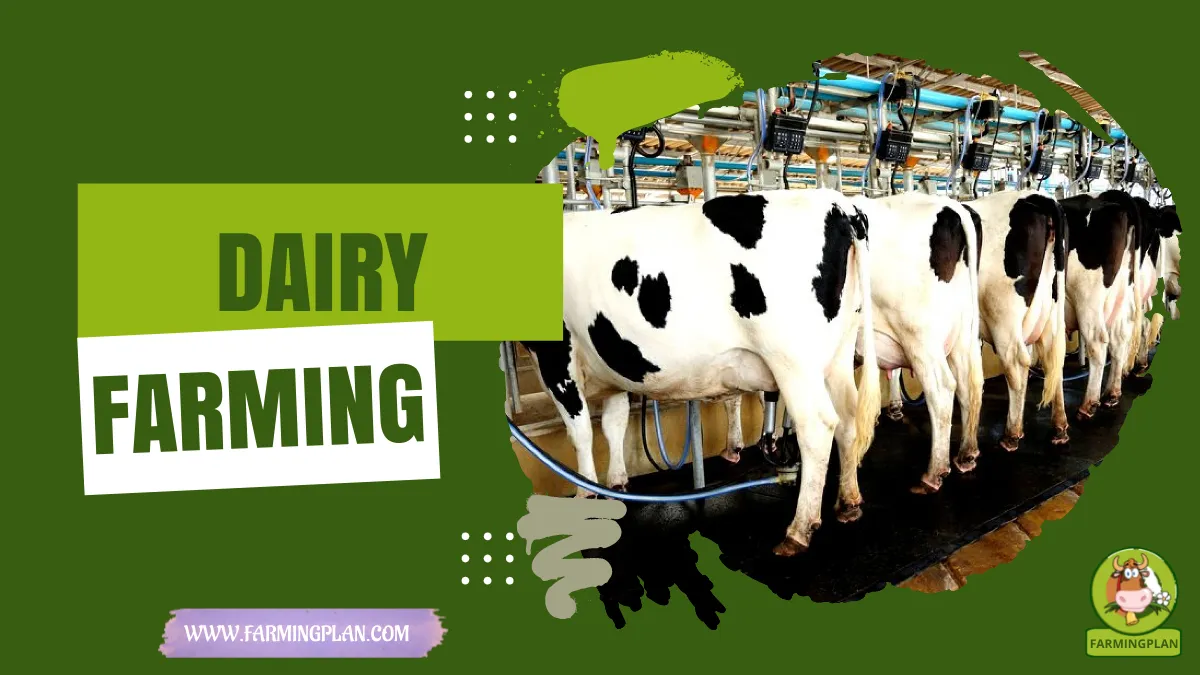
Automated robotic milking systems stand out as one of the most exciting advancements in current agriculture. These machines clean teats, attach teat cups, and record individual milk yields without requiring direct human labor. Cows enter the milking stall voluntarily throughout the day, driven by grain incentives. This voluntary milking process reduces stress, improves udder health, and offers flexible working hours for family farm teams.
Environmental control technologies further elevate modern barn management. Cross-ventilation fans, automated misting systems, and smart curtains adjust indoor climates automatically to prevent summer heat stress. High-efficiency vacuum systems and rotary parlors process hundreds of cows per hour with incredible speed and precision. Embracing these advanced features streamlines everyday labor while raising animal welfare standards across your entire enterprise.
“A Healthy Herd Brings Pure Joy And Sustainable Profit To Every Farmer’s Daily Life.”
Health Issues and Preventive Care of Dairy Farming
Maintaining robust herd health requires proactive preventive strategies, daily observation, and swift medical care. Mastitis represents the most common and costly bacterial infection in dairy operations, causing painful udder inflammation and reduced milk quality. I combat mastitis by maintaining pristine bedded stalls, using antiseptic pre-dips and post-dips during milking, and using clean, dry towels for every single cow.
Metabolic disorders like ketosis, milk fever, and displaced abomasum often strike during early lactation when energy demands spike rapidly. Proper transition cow management—adjusting rations carefully during the weeks right before and after calving—prevents these sudden metabolic crashes. Regular hoof trimming prevents lameness, interdigital dermatitis, and sole ulcers, keeping your cows walking comfortably to feed bunks and milking stalls.
A complete herd health program relies on strict biosecurity protocols and comprehensive vaccination schedules. Work closely with a licensed large-animal veterinarian to establish routine screening for common bovine diseases. Keep fresh isolation pens ready for sick or newly purchased animals to prevent disease spread. Providing clean, well-ventilated housing alongside pristine drinking water protects your investment and ensures high-quality milk sales day after day.
Step-by-Step Farming Guide of Dairy Farming
Dairy farming is a rewarding and vital agricultural enterprise dedicated to raising dairy cattle for fresh, high-quality milk production and wholesome dairy products like cheese, butter, and yogurt. Success in the industry hinges on prioritizing cow comfort, implementing precise nutrition through balanced total mixed rations, maintaining rigorous sanitation in the milking parlor, and leveraging modern technologies like automated milking systems and health-monitoring sensors. Starting a successful enterprise requires careful preparation, clear site evaluation, and systematic execution. Below, I break down the core phases every aspiring producer must complete to turn their dream into a thriving, profitable operation.
Step 1: Planning, Site Selection, and Legal Permits
Before purchasing your first animal, you must construct a thorough business plan detailing your projected startup costs, fuel surcharges, labor needs, and target milk buyer. Choose a suitable land location featuring well-drained soil, abundant clean water access, and reliable road infrastructure for large milk haulers. Research local environmental zoning laws, secure necessary water rights, and obtain building permits from your local environmental department. Connect with regional agricultural extension services or local dairy cooperatives to analyze historical milk prices and regional processing capacity. Establishing clear economic goals early prevents costly mistakes down the road.
Step 2: Designing Facilities and Installing Equipment
Build sturdy, animal-friendly housing like free-stall barns or bedded pack facilities that protect cows from extreme weather. Ensure every stall features soft rubber mats or deep sand bedding to maximize resting times. Design proper ventilation paths using high-capacity fans and drop-down side curtains to clear moisture and ammonia. Install high-efficiency milking systems—such as a modern herringbone parlor, rotary system, or robotic unit—complete with a reliable milkhouse vacuum-breaker, stainless steel milk pipelines, and a refrigerated bulk tank. Clean water lines and reliable waste management channels must be fully operational before stock arrives.
Step 3: Selecting Foundation Herd and Breeding Program
Purchase healthy heifers or young mature cows from reputable, disease-free breeding farms with verified health records. Focus your selection on strong genetics that showcase high milk yield potential, correct udder attachment, and sturdy feet and legs. Establish a structured breeding schedule utilizing high-index artificial insemination (AI) sires to improve your herd’s performance with each generation. Track reproduction metrics carefully, including heat detection rates, conception rates, and calving intervals. Maintaining detailed digital records for every animal helps you identify top-performing lines while culling unproductive animals systematically over time.
Step 4: Establishing Forage Production and Feed Storage
Secure high-quality feed supplies by planting rich pasture grasses, alfalfa fields, or corn silage crops suited to your regional climate. Build robust feed storage facilities, such as concrete bunker silos, ag-bags, or dry hay barns, to store forage without mold growth or nutrient loss. Purchase high-capacity total mixed ration (TMR) mixer wagons equipped with digital scales to mix precise nutritional blends daily. Establish strong relationships with local grain suppliers to secure affordable protein meals and mineral supplements. Storing ample feed reserves protects your balance sheet against sudden market spikes and seasonal feed shortages.
Step 5: Master Daily Operations, Milking, and Sanitation
Execute a strict, repeatable daily farm schedule that prioritizes cow comfort, consistent feeding times, and pristine milking sanitation. Strip teat ends to check for abnormal milk, clean teats thoroughly with approved sanitizing dips, and dry them completely before attaching milking units. Maintain precise vacuum pressure levels in your milk pipeline to protect delicate udder tissue during milk extraction. Clean and sanitize all milk handling equipment, lines, and storage tanks after every single milking cycle using approved food-grade wash solutions. Monitor daily bulk tank somatic cell counts (SCC) to ensure your farm produces top-grade, premium milk continuously.
Read More: Gressingham Duck Ultimate Mastery Guide
Expert Tips and Best Practices for Dairy Farming
- Monitor total mixed ration (TMR) bunk moisture daily to keep dry matter intake consistent across all lactating groups.
- Provide clean sand bedding inside stalls to reduce bacterial growth and minimize environmental mastitis risks.
- Use automated activity monitoring collars to detect natural heat cycles early and raise artificial insemination success rates.
- Keep fresh waterers clean by scrubbing troughs twice weekly to clear algae and dirt buildup.
- Install rubber flooring along handling alleys to lower foot wear and avoid painful hoof lameness.
- Maintain a steady cooling routine in holding areas using overhead fans and low-pressure sprinklers during hot summer months.
- Work closely with an expert animal nutritionist to recalculate feed rations whenever forage quality changes.
- Test your farm backup generator monthly to protect bulk tank cooling and automatic milking parlors during power outages.
FAQs
What is dairy farming in simple terms?
Dairy farming is an agricultural business dedicated to raising female dairy cows, goats, or sheep for long-term milk production. Farmers harvest this fresh milk daily and sell it for direct consumption or commercial processing into cheese, butter, and yogurt.
Which dairy cow breed yields the highest volume of milk?
Holstein-Friesian cows yield the largest volume of milk among all major dairy breeds. Their distinctive black-and-white coats and massive production capacity make them the top choice for commercial dairy operations globally.
How much water does a single Dairy cow drink per day?
A high-producing lactating dairy cow drinks between 30 and 50 gallons of fresh water every single day. Water requirements increase significantly during hot summer weather and peak lactation phases.
What is the average lifespan of a commercial dairy cow?
Most commercial dairy cows remain in production for around four to six years across three to four lactations. With exceptional care and low-stress management, cows can live healthy lives well beyond ten years.
Why is Dairy farming sanitation so critical on a dairy farm?
Proper sanitation prevents harmful bacterial growth in milking equipment, bulk tanks, and housing stalls. Strict hygiene protects animals from udder infections like mastitis and ensures the farm ships high-quality, safe milk to consumers.
Conclusion
Dairy farming offers a fulfilling lifestyle rooted in deep animal care, sustainable land stewardship, and vital food production. By focusing on proper nutritional balance, low-stress handling, and pristine sanitation practices, you can build a resilient herd that delivers high milk yields year after year. Modern advancements in automation and housing design make running a farm more efficient and rewarding than ever before. Success takes patience, continuous learning, and everyday attention to small details, but the ultimate returns are worth every ounce of effort. Now is the ideal time to take your next step into agriculture. Connect with local dairy cooperatives, share this helpful guide with fellow growers, and leave a comment below to join our supportive farming community today!