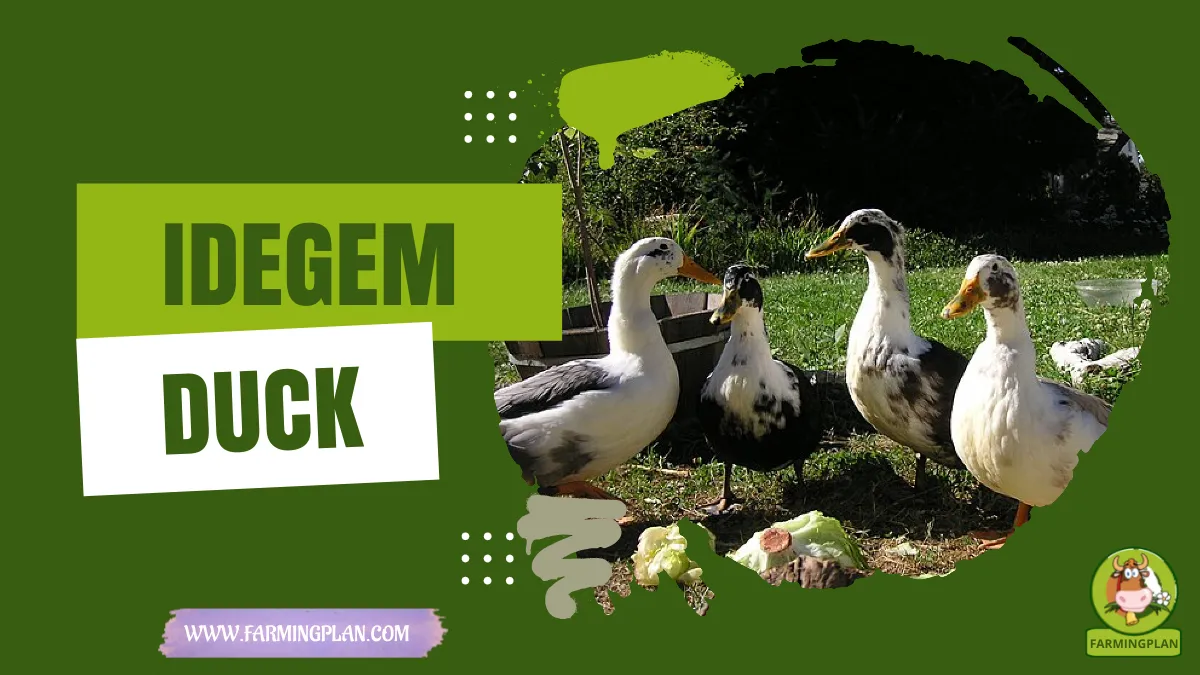
I love raising rare domestic waterfowl, and the Idegem Duck holds a very special place in my heart. This amazing breed comes from Belgium, specifically the region around Grammont. It catches your eye right away with its unique appearance. When you look closely, you will see a small white patch or subtle white patches on its body, along with a tiny crest atop its head. Some folks compare its sleek look to wild dabbing ducks or surface feed birds like the Gadwall and American Wigeon (Mareca americana), but this domestic treasure is completely unique.
Over my years as an agricultural specialist, I have watched these birds splash around ponds, lakes, and marshes. They bring so much life to quiet water holes. Whether you keep a small home flock or manage extensive wetlands, these birds adapt beautifully. They display fascinating feeding behavior, flipping upside down to tip-up for aquatic vegetation just like wild waterfowl. Female Idegem duck birds show incredible mothering instincts during the nesting season. If you want a calm, beautiful bird that enriches your farm, this duck is the perfect choice for your land.
History & Origin of Idegem Duck
I remember the first time I researched the breeding origin of this magnificent bird. The Idegem Duck originated centuries ago in the fertile lands of Belgium near Grammont. Local farmers wanted a hardy bird that could handle cold winters while providing good eggs and meat. They carefully bred local stock to create a resilient waterfowl that thrived near streams, rivers, and ponds.
Historically, these ducks played a vital role in small farm economies across Europe. Breeders focused on survival traits, strong foraging abilities, and a steady temperament. Over time, European bird fanciers began showcasing them at regional trade shows. Their unique crest and compact frame quickly drew attention from rare-breed enthusiasts worldwide.
Sadly, changing industrial farming practices led to population loss for many heritage breeds. The Idegem Duck faced major declines as commercial strains took over. However, dedicated waterfowl keepers steps in to save them. Today, conservation efforts help preserve these historical birds. When you raise them, you help protect a living piece of agricultural history.
Read More: Bond Sheep: Discover Amazing Heavy Wool Producers
Characteristics of Idegem Duck
When I walk out to my farm ponds each morning, the unique beauty of these birds always makes me smile. The Idegem Duck features a medium body size with strong shanks and a sturdy bill or beak. Their plumage presents a stunning visual harmony. You will often notice an iridescent duck sheen across their dark feathers, displaying brilliant emerald duck tones in the sunlight. Other variations show deep coal duck shades or classic white feathered patterns.
One of the most charming features is the small crest perched gracefully on their head. Many birds also show a bold white patch on the throat or a thin white stripe along the neck. Their bright orange feet webbed for swimming give them a classic, endearing waterfowl look. Some people mistake them for a white duck with orange feet at a distance, but their distinct crest sets them apart.
When you look at bird morphology, their weight remains balanced and manageable. Drakes typically weigh slightly more than females, but both sexes maintain an elegant stance. Their eyes are bright and alert, always scanning the water. Their feather density keeps them warm, allowing them to swim effortlessly even across chilly water surfaces.
Nature and Temperament of Idegem Duck
I always tell new duck keepers that temperament makes or breaks your barnyard experience. Fortunately, the Idegem Duck boasts a remarkably gentle and calm personality. They display peaceful behavior around humans, making them wonderful additions to family farms. Unlike some noisy call ducks, their voices stay soft and pleasant throughout the day.
In my experience, these birds get along fantastic with other livestock. They happily share space with chickens, geese, and other domestic waterfowl without starting fights. They love flocking together and showing strong seasonal monogamy traits during the breeding season. You will often see mated pairs swimming together in perfect rhythm across your pond.
Their peaceful nature makes them easy to handle during routine health checks. They rarely show aggression toward their keepers. Even when mother ducks protect their clutch size of eggs during nesting, they remain manageable with gentle care. If you want a stress-free bird that brings calm energy to your yard, this breed will never disappoint you.
Food & Diet of Idegem Duck
Feeding your flock the right food keeps their feathers glossy and their immune systems strong. I base their daily diet on a quality commercial waterfowl pellet. This provides balanced protein, vitamins, and minerals. Unlike wild dabbing ducks that rely solely on natural ponds, domestic birds need consistent nutrient levels to thrive. Natural foraging plays a massive role in their daily happiness and health. I allow my flock access to grassy pastures where they consume aquatic vegetation, bugs, snails, and small seeds.
They love to tip-up in shallow water holes to search for tasty roots. You should also offer fresh green leafy vegetables like lettuce, spinach, and peas as daily treats. Avoid toxic foods at all costs to protect your flock. Never feed your ducks bread, moldy grains, onions, avocado, or salty snacks. Bread offers zero nutritional value and causes severe digestive issues. Always provide fresh, clean water right next to their feeding area. Ducks must dip their beak in water to swallow their food safely.
Usage and Purpose on Idegem Duck
People often ask me why they should choose this specific breed over commercial ducks. The Idegem Duck serves as a fantastic multi-purpose bird for smallholders and homesteaders alike. Historically raised for both meat and egg production, they provide a reliable source of nutritious food for your household. Their meat is lean and flavorful, while females lay high-quality eggs consistently.
Beyond food production, these birds excel as living lawnmowers and biological pest controllers. They spend hours gobbling up ticks, mosquitoes, slugs, and garden pests. Letting them forage in your garden after the harvest season helps clean up fallen fruit and weed seeds naturally. They enrich your soil with nutrient-dense manure as they roam.
Finally, their striking look makes them popular for exhibition and ornamental ponds. Breeders love showing them off at agricultural trade shows to highlight rare heritage traits. Their calm demeanor and beautiful emerald duck iridescence make them a joy to observe. They turn any simple backyard pond into a serene sanctuary.
Special Features of Idegem Duck
What makes this breed truly extraordinary compared to standard farm ducks? First, their head crest gives them a royal appearance that immediately grabs your attention. This unique feather arrangement ranges from a tiny button crest to a fuller puff of soft feathers. It adds massive charm to your water features.
Second, their extreme climate hardiness impresses me every winter. These birds possess dense plumage that sheds water instantly. They stay warm while swimming across frozen lakes or chilly streams. Their strong shanks and tough feet handle frozen ground without easily developing frostbite, making them ideal for northern climates.
Lastly, their foraging efficiency matches wild species like the Gadwall or American Wigeon (Mareca americana). They harvest natural food sources effortlessly, reducing your daily feed costs during spring and summer. Their natural resistance to common poultry stressors allows them to live long, productive lives with minimal intervention.
“Loving Your Waterfowl Everyday Brings Pure Joy And Lasting Farm Happiness.”
Health Issues and Preventive Care of Idegem Duck
Keeping your flock healthy requires proactive care and daily observation. While the Idegem Duck is naturally robust, they can still contract common waterfowl illnesses. Bumblefoot, a bacterial infection on the foot pad, often occurs if they walk on sharp stones or rough bedding. Inspect their orange feet regularly for dark sores or swelling. Respiratory issues can develop if coop ventilation is poor. Damp bedding releases ammonia gas, which irritates their delicate lungs and air sacs.
Keep your shelter clean, dry, and well-ventilated without creating cold drafts. Watch for signs of illness like cloudy eyes, nasal discharge, lethargy, or reduced appetite. Internal and external parasites can also affect your flock’s vital energy. Provide clean soil or sand where ducks can take dust baths to keep lice and mites away. Keep their swimming water fresh to prevent botulism outbreaks from stagnant water. Regular health checks ensure your birds enjoy long, happy, and disease-free lives.
Step-by-Step Farming Guide and Pet Owner Care Guide of Idegem Duck
Raising this heritage breed brings immense satisfaction when you follow structured, proven steps. I have refined this care blueprint over decades of hands-on farming experience. Follow these detailed steps to ensure your flock thrives from day one.
Step 1: Setting Up Proper Brooding and Housing
Preparing the right home before your ducklings arrive is absolute key to success. You need a dry, predator-proof coop built with solid wood or heavy wire mesh. Ensure the housing offers at least four square feet of space per adult bird. Provide clean pine shavings for bedding, and avoid cedar shavings because toxic oils in cedar hurt duck lungs. Install low perches or cozy nesting boxes filled with fresh straw near the ground. Good roof ventilation keeps the air clean while preventing moisture buildup.
Step 2: Securing Fencing and Outdoor Run Space
Ducks require safe outdoor space to exercise, forage, and stretch their wings daily. Build a spacious outdoor run that provides at least ten square feet per bird. Secure the perimeter with heavy-duty hardware cloth buried twelve inches into the dirt. This prevents digging predators like foxes, raccoons, and neighborhood dogs from entering. Shade structures or low-hanging trees shield your flock from aerial hawks during hot summer days. Keep the ground well-drained to avoid mud holes where harmful bacteria thrive.
Step 3: Managing Water Features and Filtration
Waterfowl must have access to clean water for swimming, preening, and clear nostrils. You do not need a massive natural lake; a clean plastic stock tank or kiddie pool works wonderfully. Ensure the water depth allows them to submerge their entire head completely. Build a gentle ramp so younger or older ducks can enter and exit safely. Change the water frequently or install a heavy-duty filtration system. Stagnant water breeds disease, so fresh water remains your highest management priority.
Step 4: Providing Age-Appropriate Nutrition
Feed your birds correctly based on their stage of physical development. Feed young ducklings an unmedicated chick starter pellet containing twenty percent protein for the first three weeks. Transition them to a sixteen percent protein grower feed as they mature. Adult laying females require extra calcium, so offer free-choice crushed oyster shell in a separate dish. Always place feed troughs near clean water sources because ducks take mouthfuls of food and wash it down immediately. Clean up spilled feed nightly to discourage rodents.
Step 5: Daily Inspection and Routine Maintenance
Establish a consistent daily routine to catch potential health problems early. Every morning, let your ducks out, check their food reserves, and refill their water basins. Observe how each bird walks, swims, and interacts with the flock. A healthy duck acts alert, vocal, and eager to eat. Clean out soiled bedding from the coop every afternoon to keep ammonia levels at zero. Lock your birds inside their secure coop before dusk to protect them from nocturnal predators.
Read More: Armorican Cattle Care: Essential Guide for Small Farmers
Expert Tips and Best Practices for Idegem Duck
- Add clean grit to your flock’s diet so their gizzards can process coarse grains efficiently.
- Plant non-toxic aquatic plants along your pond edges to encourage natural foraging behaviors.
- Keep brooder heat lamps secured tightly with safety chains to prevent accidental barn fires.
- Collect fresh eggs every morning to keep them clean and prevent ducks from breaking them.
- Install solar lights near predator fences to deter nocturnal hunters like raccoons and coyotes.
- Provide extra deep straw bedding inside the shelter during extreme winter freezes to keep feet warm.
- quarantine new birds for thirty days before introducing them to your established flock.
FAQs
How long is the incubation period for Idegem Duck eggs?
The incubation period for these eggs usually lasts around twenty-eight days. You must maintain stable temperatures and proper humidity levels in your incubator throughout this time.
Can Idegem Ducks fly long distances like wild waterfowl?
These domestic ducks are heavier than wild birds and generally stay close to home. They may take short, low flights around your yard, but they rarely migrate or fly far away.
What is the average clutch size for a breeding female?
A healthy female typically lays a clutch size of eight to twelve eggs during the spring breeding cycle. She will sit on her nest diligently until the ducklings hatch.
Do these Idegem Ducks need open natural ponds to stay healthy?
No, they do not require a natural lake or pond to thrive on your farm. A simple, clean plastic pool or stock tank provides plenty of water for their bathing and swimming needs.
Are Idegem Ducks noisy compared to other domestic breeds?
These birds are remarkably quiet compared to loud breeds like Call Ducks or Pekins. Females produce gentle quacks, while drakes make very quiet, raspy sounds.
Conclusion
The Idegem Duck is a remarkable heritage breed that brings beauty, calm energy, and practical value to any home or farm. Their quiet nature, striking emerald duck sheen, cute crests, and cold hardiness make them absolute favorites among waterfowl lovers. By providing simple housing, clean water, and healthy food, you can enjoy these wonderful birds for many years. Are you ready to add these rare Belgian treasures to your flock? Start planning your coop today, join a heritage waterfowl community, and share your experience with fellow duck enthusiasts! Discover how the rare Idegem Duck brings beauty to your farm. Learn feeding tips, history, and breeding advice from a farm specialist.