Ameraucana Chicken is one of the most recognizable poultry breeds because of its beautiful blue eggs and distinctive muffs and beards. I’ve worked with many breeds of chickens, but Ameraucanas always attract attention in a backyard flock. People often confuse them with Araucana chickens, Easter Eggers, or Olive Egger chickens. True Ameraucanas follow the American Standard of Perfection and the Ameraucana Breed Standard recognized by the American Poultry Association.
In this guide, I’ll explain Ameraucana chicken eggs, meat qualities, size, colors, egg production, lifespan, temperament, feeding, health issues, and practical farming tips. I’ll also share what I’ve learned about hatchery selection, hatching eggs, brooders, free range management, winter care, and breeding programs. If you’re a pet owner, hobbyist, breeder, or small-scale poultry farmer, this article will help you decide whether Ameraucana chickens fit your goals.
History & Origin
The story begins in Chile with blue-egg laying Chilean Araucanas. Early Araucana chickens carried unusual traits such as ear tufts, rumplessness, and the blue-egg gene. These birds fascinated poultry breeders because they produced blue-shell eggs instead of the typical white or brown eggs. Over time, breeders in North America wanted a more stable and standardized chicken breed that kept the blue egg color but avoided some of the challenges associated with the tufted gene and rumpless genetics.
The Chilean Roots Of Blue-Egg Layers
Breeders developed the Ameraucana by selecting birds with tails, pea combs, and muffs and beards while maintaining the blue-egg gene. The result became a distinct breed recognized by the American Poultry Association and supported by the Ameraucana Breeders Club. This development separated Ameraucanas from Easter Eggers, which are mixed-breed birds that may lay blue, green, or olive colored eggs but do not meet breed standards.
Breed Standards And Recognition
The Standard of Perfection defines acceptable Ameraucana varieties, feather patterns, and body traits. Unlike Araucana chickens, Ameraucanas do not have ear tufts and are not rumpless. That distinction matters because the tufted gene in Araucanas can create lethal genetic combinations. By removing those traits, breeders created a more predictable breeding program while preserving the appeal of blue eggs.
Today, the breed enjoys popularity among backyard poultry keepers, exhibition enthusiasts, and specialty egg producers. Hatcheries, poultry farm-supply stores, and breeders across North America offer day-old chicks, started pullets, and hatching eggs in several recognized varieties.
Read More: Nubian Goat: Amazing Dairy Breed Guide
Characteristics
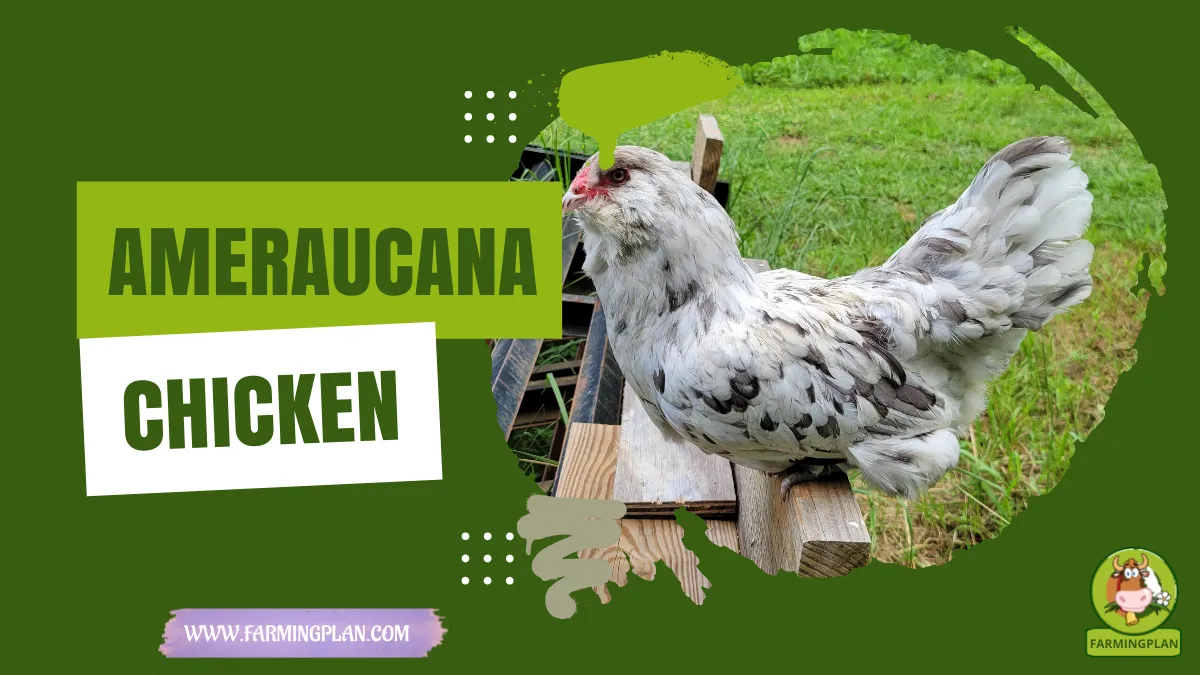
Ameraucanas stand out because of their full muffs and beards, pea comb, slate-colored legs, and compact body shape. Their facial feathering gives them a rounded, almost owl-like expression that many poultry keepers love. I find that these features make them easy to identify even from a distance.
Distinctive Appearance And Feather Traits
The breed comes in several recognized varieties and feather colours. Common Ameraucana chicken colors include Black, Blue, Blue Wheaten, Brown Red, Buff, Silver, White, Wheaten, and self-blue (lavender). Breeders also work with splash and other color variations, although not all variations receive official recognition. Feather colors and feather patterns can vary significantly, which makes the breed visually interesting.
Size, Egg Production, And Lifespan
Ameraucana chicken size falls into a medium category. Hens usually weigh around 4.5–5.5 pounds, while roosters often reach 5.5–6.5 pounds. Their moderate size makes them easier to manage than many large dual-purpose breeds.
When people ask about Ameraucana chicken egg production, I tell them to expect roughly 150–250 eggs per year depending on genetics, nutrition, daylight, and management. The eggs are famous for their blue shells. A healthy hen often lays consistently through much of the year, though production usually slows during molt and winter. The Ameraucana chicken lifespan commonly ranges from 6–10 years, and well-cared-for birds can sometimes live longer.
Nature & Temperament
In my experience, Ameraucanas generally show a calm and friendly temperament. They tend to be curious without becoming overly demanding. Many birds enjoy exploring the yard and interacting with their environment. Because of this balanced personality, they often fit well into backyard flocks that include families and children. Individual birds vary, of course. Some roosters become protective of the flock, while others remain unusually gentle. Hens usually adapt well to routine handling, especially when raised from chicks. Compared with more aggressive breeds, I find Ameraucanas easier to manage during daily chores and health checks.
Flock Compatibility And Free Range Behavior
Ameraucanas usually integrate well with other breeds such as Orpingtons, Wyandottes, Marans, and many mixed backyard flocks. Their moderate activity level helps reduce conflicts at feeders and in the coop. I still recommend introducing new birds gradually to minimize pecking-order stress. These chickens enjoy free range conditions and often forage actively for insects, seeds, and greens. Their alert nature helps them notice potential predators, although they still need secure housing. A predator-proof coop and varmint proof pen remain essential for long-term flock safety.
If you want friendlier birds, spend a few minutes each day near the chicks while they grow. Gentle handling during the brooder stage usually creates calmer adult hens.
Food & Diet
Proper nutrition drives healthy growth, strong feathers, and consistent egg production. I feed day-old chicks a quality chick starter with about 18–20% protein. This feed supports rapid development during the first several weeks. Clean water must stay available at all times. As birds grow, I transition them to a grower ration and later to a layer feed once the hens begin laying. Layer feed typically contains added calcium to support strong eggshells. For free range flocks, I still provide a balanced ration because pasture alone rarely supplies everything a laying hen needs.
Supplements, Treats, And Feeding Mistakes
I offer crushed oyster shell free-choice for laying hens and provide grit when birds do not have access to natural gravel. During molting, I often increase protein slightly to support feather regrowth. Common treats include vegetables, weeds, and occasional fruit. I avoid moldy feed, salty foods, excessive scraps, and anything spoiled. Overfeeding treats can reduce egg production and create obesity. Fresh feed, clean water, and proper storage remain the foundation of flock nutrition.
Usage & Purpose
The primary purpose of Ameraucanas is egg production. Their blue-shell eggs create strong demand at farmers markets, local food sales, and among backyard poultry enthusiasts. Many customers specifically seek colored eggs because they look attractive in cartons alongside brown, white, and olive green eggs. I’ve seen small poultry farms build a loyal customer base around mixed-color egg cartons that include blue eggs. The visual appeal often commands a premium price compared with standard white eggs.
Show Birds, Breeding Stock, And Meat
Ameraucanas also serve as exhibition birds. Their breed standards, feather colors, and facial feathering make them popular in poultry shows. Serious breeders maintain carefully selected lines for color, body shape, and egg quality. Although people sometimes ask about Ameraucana chicken meat, I consider them a secondary meat breed. Their moderate size provides usable carcasses, but they do not match the growth rate or meat yield of specialized meat chickens. Most keepers raise them primarily for eggs, breeding, and hobby purposes.
Special Features
The most famous feature is the blue-egg gene. Unlike brown eggs, which receive color on the shell surface, blue-shell eggs develop their color throughout the shell. This means the shell appears blue both inside and out. When breeders cross Ameraucanas with brown-egg layers, the offspring may produce olive green eggs. This principle forms the basis for many Olive Egger chickens. Easter Eggers may also lay blue and green eggs, but their genetics and appearance vary widely because they are not a standardized breed.
Cold Hardiness And Unique Appearance
The pea comb helps reduce frostbite risk during winter’s cold snap. In colder climates, this trait offers an advantage over breeds with large single combs. Their muffs and beards also provide some facial protection from wind and cold. Ameraucanas combine practical cold tolerance with striking appearance. The facial feathering, slate legs, and wide range of feather colours make them one of the most distinctive poultry breeds available.
Health Issues & Prevention
Ameraucanas generally stay hardy, but they can develop the same poultry issues that affect other backyard chickens. I watch for respiratory infections, mites, lice, internal parasites, and nutritional deficiencies. Wet litter and poor ventilation often trigger health problems faster than genetics. Chicks can suffer from coccidiosis if sanitation declines. Adult birds may experience reduced egg production, weight loss, or poor feather quality when parasites or nutritional problems develop. Early observation remains one of the best management tools.
Genetic Concerns And Preventive Care
Because Ameraucanas descended from blue-egg laying Chilean Araucanas, people sometimes worry about lethal genes associated with tufted Araucanas. True Ameraucanas do not carry the same ear-tuft genetics that create those breeding complications. Reputable breeders still monitor overall flock health, fertility, hatch rates, and physical defects such as crossed beak.
For prevention, I keep the coop dry, provide fresh feed and water, quarantine new birds, control parasites, and maintain proper ventilation. Vaccination programs vary by region and farm size, so I follow local veterinary guidance. Regular cleaning and careful observation usually prevent many serious problems.
Step-by-Step Farming Guide
Raising Ameraucanas successfully requires planning, patience, and daily attention. I’ve raised these birds in both small backyard setups and larger free-range systems, and the same basic principles apply to every flock. Start with healthy chicks or hatching eggs, provide a clean brooder, transition birds into secure housing, and maintain consistent nutrition. Good management matters more than expensive equipment.
I focus on sanitation, predator protection, proper ventilation, and regular observation because those habits prevent many common poultry issues before they become expensive problems. Below, I’ve outlined the practical system I use from the moment chicks arrive until the flock reaches full egg production. If you follow these steps, you’ll create a strong foundation for healthy Ameraucana chickens, reliable blue egg production, and a long-lived flock.
Step 1: Choose Quality Chicks Or Hatching Eggs
I always start by selecting birds from a reputable hatchery or breeder. Look for clear eyes, active behavior, and clean vents in day-old chicks. If you buy hatching eggs, ask about hatch dates, fertility rates, and breeding lines. Good genetics improve egg color, health, and temperament. Many sellers advertise Easter Eggers as Ameraucanas. Ask whether the birds meet the Ameraucana Breed Standard recognized by the American Poultry Association. True Ameraucanas should have tails, pea combs, slate legs, and muffs and beards. Accurate identification helps avoid disappointment later.
Step 2: Set Up The Brooder Correctly
Before chicks arrive, prepare a brooder with heat, bedding, feeders, and waterers. I keep the brooder dry and draft-free. Start the temperature around 95°F (35°C) and reduce it gradually each week as the chicks feather out. Use absorbent bedding such as pine shavings, but avoid slippery surfaces that can cause leg problems. Clean water must remain available at all times. I check chicks several times daily during the first week because early problems develop quickly.
Step 3: Transition To A Secure Coop
When the birds become fully feathered, I move them into a predator-proof coop. Provide about 4 square feet of indoor space per bird and 8–10 square feet in the outdoor run. Good ventilation matters because moisture and ammonia create respiratory problems. I install roosts, nesting boxes, and secure latches. Ameraucanas tolerate cold weather fairly well, but they still need a dry, draft-free shelter. A varmint proof pen helps protect birds from predators during the day.
Step 4: Feed For Growth And Egg Production
Feed chicks a high-quality starter ration, then transition to grower feed as they mature. Once hens begin laying, switch to a balanced layer feed with adequate calcium. I also offer oyster shell separately for strong eggshells. Free-range birds benefit from forage, but they still need a complete ration. Fresh water, clean feeders, and proper feed storage prevent many health problems. Avoid moldy feed and excessive kitchen scraps.
Step 5: Manage The Flock Daily
Each day I check feed, water, egg collection, and bird behavior. Early detection of illness saves time and money. Watch for changes in appetite, posture, droppings, or activity level. I also inspect the coop for wet litter, damaged fencing, and signs of predators. Routine observation helps maintain egg production and overall flock health. Healthy Ameraucanas usually stay active, alert, and curious throughout the day.
Step 6: Handle Molting And Seasonal Changes
Most hens molt annually, which causes temporary feather loss and reduced egg production. During molt, I increase protein slightly and minimize stress. The flock usually returns to normal production after new feathers grow in. In winter, shorter days naturally reduce laying. I focus on good nutrition, dry housing, and frostbite prevention. The pea comb gives Ameraucanas an advantage in cold weather, but they still need protection from extreme wind and damp conditions.
Step 7: Breed Carefully If You Want Show Quality Birds
For breeding, I select birds with strong health, correct body type, good temperament, and consistent blue egg color. Avoid breeding birds with serious defects such as crossed beak. Keep records of hatch rates, egg color, and parentage. Show-quality breeding takes patience. I evaluate feather colors, muffs and beards, comb type, and overall conformation according to the Standard of Perfection. Careful selection improves flock quality over time.
Read More: Acıpayam Sheep: What Is The Best Way To Breed
Expert Tips & Best Practices
- Buy from a reputable source. Many birds sold as Ameraucanas are actually Easter Eggers. Ask about breed standards and parent stock.
- Use a predator-proof coop. Secure latches, buried fencing, and a varmint proof pen save more chickens than any feed supplement.
- Track egg color and production. I keep simple notes on egg numbers, shell color, and hatch rates to identify the best breeding birds.
- Provide separate calcium for layers. Oyster shell allows hens to regulate calcium intake and helps maintain strong eggshells.
- Quarantine new birds. I isolate new chickens for at least 2–4 weeks before introducing them to the flock.
- Watch for molt-related stress. During molt, increase protein slightly and reduce unnecessary handling.
- Collect eggs frequently. Frequent collection keeps eggs cleaner and reduces the chance of breakage or egg eating.
- Maintain dry litter. Wet bedding creates odor, parasites, and respiratory problems. Dry litter supports healthier feet and feathers.
- Select for temperament as well as color. Friendly birds make daily management easier and improve the overall flock experience.
- Learn local poultry regulations. Check zoning rules, vaccination recommendations, and permit requirements before expanding your flock.
FAQs
Do Ameraucana chickens really lay blue eggs?
Yes. True Ameraucanas carry the blue-egg gene and produce blue-shell eggs. The shell remains blue throughout its thickness.
What is the difference between an Ameraucana and an Easter Egger?
Ameraucanas are a standardized breed recognized by the American Poultry Association. Easter Eggers are mixed-breed birds that may lay blue, green, or olive eggs but do not follow the official breed standard.
How many eggs do Ameraucanas lay each year?
Most hens produce about 150–250 eggs annually, depending on genetics, diet, daylight, and management. Production usually slows during molt and winter.
Are Ameraucanas good meat chickens?
They can provide meat, but I consider them primarily an egg and hobby breed. They grow more slowly and produce less meat than specialized meat breeds.
How long do Ameraucana chickens live?
Many Ameraucanas live 6–10 years with proper care. Good nutrition, predator protection, and regular health management can help them live even longer.
Conclusion
Ameraucanas combine beautiful blue eggs, distinctive muffs and beards, calm personalities, and good cold hardiness in one attractive package. I’ve found them rewarding for both backyard poultry keepers and serious breeders because they offer strong egg production, manageable size, and striking appearance. Their blue-egg gene, recognized breed standards, and variety of feather colors make them stand out from Easter Eggers and other mixed-color layers. With quality feed, clean housing, predator protection, and careful flock management, these birds can thrive for many years. If you’re looking for a friendly, productive, and visually unique chicken breed, Ameraucanas deserve a place on your shortlist. Have you raised Ameraucanas before? Share your experience, favorite color variety, or blue-egg stories with fellow poultry enthusiasts.