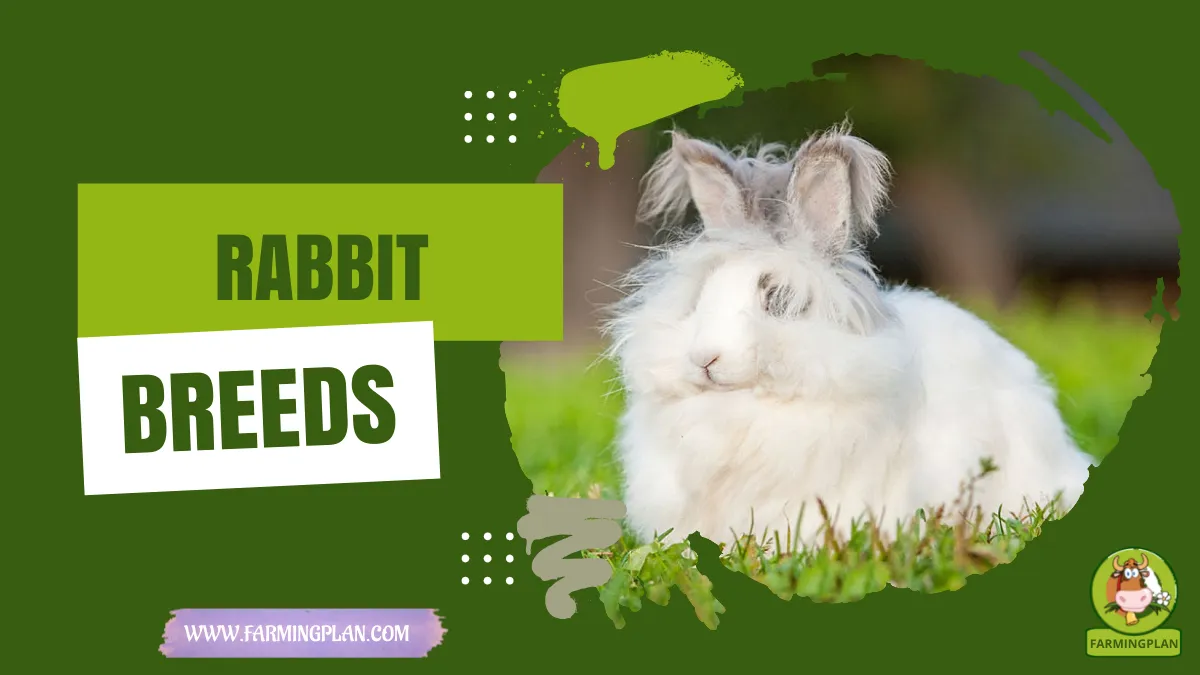
Rabbit Breeds come in many shapes, sizes, and personalities. Over the years, I’ve raised rabbits for pets, showmanship, meat production, and wool harvesting, and I’ve learned that every breed has its own strengths. Some rabbits grow huge like the Flemish Giant, while others stay tiny and playful like the Britannia Petite or Jersey Wooly. Certain breeds produce soft wool for spinning and knitting, while others offer excellent bone-to-meat ratio for farming purposes.
When beginners ask me about the most common rabbit breeds, I usually explain that choosing the right breed depends on your goals. Some people want fluffy rabbit breeds for companionship. Others want hardy meat rabbits like New Zealands or Californians. Many breeders also choose rare rabbit breeds for ARBA show competitions. In this guide, I’ll share my personal experience with rabbit breeding, feeding, grooming, housing, disease prevention, and daily care so you can confidently raise healthy rabbits.
History & Origin of Rabbit Breeds
Domestic rabbit breeding started hundreds of years ago in Europe. Farmers originally raised rabbits for meat, pelts, and survival food. Over time, breeders selected rabbits with better fur attributes, disease resistance, and calmer temperaments. This careful breeding created many famous rabbit breeds we know today. Whether you want a fluffy companion, a productive farm rabbit, or a rare heritage breed, careful research makes all the difference.
How Domestic Rabbit Breeds Developed
The Belgian Hare became one of the earliest popular show rabbits. Later, breeders developed large meat rabbits such as New Zealands, Californians, and Giant Chinchilla rabbits. During the fur industry boom, breeders focused heavily on rex fur and wool rabbits like the English Angora, French Angora, Satin Angora, and Giant Angora. These rabbits produced soft rabbit wool used for spinning, knitting, and fiber harvesting.
The Role Of ARBA And Heritage Breeds
The American Rabbit Breeders Association (ARBA) helped standardize rabbit breeding in the United States. ARBA created breed standard rules for color genes, body structure, fur quality, and show quality. Today, breeders use pedigree records to maintain healthy bloodlines and avoid genetic mutation problems. Several heritage breeds nearly disappeared over time. The Livestock Breed Conservancy worked hard to preserve rare breeds like the American Rabbit, Beveren, Silver Fox, and Blanc de Hotot.
Some extinct breeds vanished because commercial farming favored faster-growing rabbits. I’ve visited rabbit shows where breeders proudly displayed Havanas, Thrianta, American Sable, Cinnamon rabbits, and Checkered Giants. These events taught me how careful selection and proper handling shape healthy rabbits for future generations.
Reads More: Corydoras Catfish Amazing Aquarium Guide
Characteristics of Rabbit Breeds
Rabbit breeds vary greatly in size and appearance. Tiny breeds like the Jersey Wooly may weigh only a few pounds, while giant rabbits like the Continental Giant or Flemish Giant can grow incredibly large. Some giant breeds even rival small dogs in size. Fur texture also differs between breeds. Rex rabbits have velvet-like rex fur that feels extremely soft. Angora rabbits grow long wool that requires regular shearing and grooming. Satin rabbits display glossy fur because of unique hair structure genetics. I always tell new owners that fur type affects grooming needs more than they expect.
Coat Colors And Breed Variations
Many rabbit breeds come in stunning colors and patterns. Dutch Rabbits often feature classic black-and-white markings. Harlequin rabbits display beautiful mixed color patches. Blanc de Hotot rabbits have striking white fur with dark eye rings. American Chinchilla rabbits resemble chinchilla fur with silver-gray shading. Breeders carefully track color genes to maintain breed standard requirements.
Rare color varieties such as Blue Imperial, Blue Holicer, American Lilac, and Tri-Colour Dutch attract serious collectors and show breeders. Body shape also matters in rabbit shows. French Lop rabbits have large droopy ears, while Himalayan rabbits carry slim bodies with dark point coloration. Every breed brings something unique to the rabbit world.
Nature & Temperament of Rabbit Breeds
Temperament matters just as much as appearance. I’ve handled hundreds of rabbits, and I can confidently say some breeds naturally tolerate human interaction better than others. Dutch Rabbits, Havanas, and Mini Lops usually bond well with families and children. These rabbits stay curious, social, and easy to train. Fluffy breeds like Jersey Wooly rabbits often behave calmly during handling sessions. Their gentle nature makes them ideal for beginner owners. American Fuzzy Lop rabbits also make wonderful pets because they enjoy attention and grooming.
Active And Independent Rabbit Personalities
Certain breeds carry higher energy levels. Britannia Petite rabbits stay alert and athletic. Belgian Hares move quickly and need larger exercise spaces. These breeds require patient owners who understand active rabbit behavior. Large breeds like Flemish Giant rabbits often surprise people with their calm personality.
Despite their size, many giant rabbits behave gently around humans. I’ve raised several Flemish Giants that followed me around the farm like dogs. Some show rabbits become nervous in loud environments. Proper socialization from a young age helps reduce fear and aggression. I always encourage breeders to spend daily time interacting with young litters so rabbits become confident and manageable.
Food & Diet of Rabbit Breeds
Good nutrition keeps rabbits healthy and productive. I always build rabbit diets around quality hay because healthy digestion depends on fiber intake. Timothy hay works best for adult rabbits, while young rabbits may benefit from alfalfa hay during growth stages.
Healthy Feeding Basics For Rabbits
Pellet feed also plays an important role. I use balanced pellets with proper protein and fiber levels. Cheap pellets often contain fillers that cause obesity and digestive illness. Fresh water must stay available at all times. Fresh vegetables provide important vitamins. My rabbits enjoy romaine lettuce, parsley, cilantro, carrot tops, and spinach in moderation. Small fruit treats work occasionally, but sugar-heavy foods can upset digestion.
Foods Rabbit Owners Should Avoid
Some foods seriously harm rabbits. I never feed chocolate, onions, garlic, iceberg lettuce, processed snacks, or sugary cereal. These foods may cause bloating, diarrhea, or dangerous digestive shutdown. Proper feeding also supports wool production in Angora rabbits. Wool breeds need extra protein to maintain healthy fiber growth. During molting season, I increase grooming and hydration to reduce wool block risks.
Tip: “A Rabbit’s Health Starts In The Feed Bowl. Fresh Hay, Clean Water, And Balanced Pellets Prevent Most Common Problems.”
Usage & Purpose of Rabbit Breeds
Many people keep rabbits as loving pets. Smaller breeds like Dutch Rabbits, Jersey Wooly rabbits, and American Sable rabbits adapt well to indoor life. Their friendly behavior and manageable size make daily care easier. Show breeders focus heavily on ARBA standards. They study fur density, ear position, color quality, and body structure before entering competitions. Showmanship events teach young breeders responsibility and handling skills.
Rabbits For Meat, Wool, And Farming
Meat rabbits remain popular among homesteaders and small farmers. Californians, New Zealands, and Champagne D’argent rabbits grow quickly and offer strong feed conversion. Their excellent bone-to-meat ratio helps farmers maximize production efficiency. Wool rabbits support fiber harvesting businesses. Angora rabbit wool works wonderfully for spinning wheel projects, knitting, and handmade textiles. Some breeders even sell raw wool to hobby spinners. Pelts from rex fur breeds and Silver Fox rabbits also attract specialty markets. Heritage breed enthusiasts continue preserving rare bloodlines through careful breeding programs.
Special Features of Rabbit Breeds
Some rabbit breeds stand out because of unusual coats. Rex rabbits produce dense velvet fur unlike most animals. Satin rabbits shine under sunlight because their hair shafts reflect light differently. Angora breeds grow long wool continuously. Breeders harvest wool through grooming or shearing several times yearly. I’ve worked with English Angora and Satin Angora rabbits that produced impressive amounts of soft fiber.
Giant And Rare Rabbit Breeds
Giant rabbit breeds always attract attention. Continental Giants and British Giants can reach enormous sizes with proper feeding and genetics. These rabbits require oversized hutches and strong wood frame housing. Rare rabbit breeds like Blanc De Bouscat, Argente Brun, Perlfee, and Orylag remain difficult to find outside specialized breeder circles. Some breeders preserve these bloodlines to maintain agricultural diversity and historical genetics. Several heritage breeds also display strong disease resistance and excellent mothering ability. Silver Fox rabbits, for example, often raise large litters successfully with minimal assistance.
Health Issues & Prevention of Rabbit Breeds
Rabbits hide illness very well, so owners must watch carefully for warning signs. Loss of appetite, diarrhea, sneezing, drooling, and low activity often signal health problems. Parasites create serious issues in crowded cages. Ear mites, fur mites, and intestinal worms spread quickly without sanitation. I clean cages regularly and quarantine new rabbits before introducing them to breeding groups. Hairless sores sometimes develop on wire flooring. I use resting boards and clean bedding to protect sensitive feet. Poor ventilation also increases respiratory illness risks.
Prevention And Veterinary Care of Rabbit Breeds
Prevention always works better than treatment. Clean hutches, dry bedding, fresh water, and balanced nutrition protect rabbits from many diseases. I avoid overcrowding because stress weakens immunity. Breeders should monitor breeding stock carefully for genetic mutation problems and inherited weaknesses. Responsible breeders maintain strong pedigrees and avoid unhealthy pairings. Vaccination needs vary by region, so local veterinarians can provide updated guidance. I also recommend routine nail trimming, grooming, and weight checks to catch problems early.
Reads More: Indian Runner Duck Charming Care Guide
Step-By-Step Rabbit Care Guide For Owners And Breeders
Raising rabbits successfully requires planning, patience, and daily observation. Over the years, I’ve learned that small details make huge differences in rabbit health and productivity. Whether you raise rabbits as pets, wool producers, meat rabbits, or show animals, the basics stay similar. Rabbits need safe housing, proper nutrition, regular grooming, social interaction, and health monitoring. Healthy rabbits should have bright eyes, clean ears, smooth breathing, and active behavior. Avoid rabbits with runny noses, dirty fur, or low energy.
Complete Rabbit Raising System For Beginners
Many beginners fail because they rush into breeding without preparation. I always encourage new rabbit owners to start slowly with healthy stock from a reputable breeder. A strong foundation prevents expensive problems later. Below, I’ll walk through the exact step-by-step process I personally use on my farm.
Step 1 – Choose The Right Rabbit Breed
I always start by matching the breed to the owner’s goals. Families usually prefer calm pet rabbits like Dutch Rabbits or Jersey Wooly rabbits. Farmers often choose Californians, New Zealands, or Silver Fox rabbits for meat production. Wool breeders should consider English Angora or French Angora rabbits. Show breeders may focus on rare breeds with strong pedigree lines. I recommend visiting rabbit shows and talking with ARBA breeders before buying rabbits.
Step 2 – Build Safe Housing And Hutch Setup
Good housing protects rabbits from stress, illness, and predators. I prefer sturdy wood frame hutches with strong wire fronts for airflow. Metal cages also work well when cleaned regularly. Each rabbit needs enough space to stretch comfortably. Giant breeds require much larger hutches than smaller breeds. Clean bedding helps prevent parasites and foot sores. Outdoor hutches should stay protected from rain, heat, and direct sunlight. Indoor rabbits still need exercise space and enrichment toys.
Step 3 – Create A Healthy Feeding Routine
I feed rabbits twice daily using quality hay, balanced pellets, and fresh greens. Clean water bottles or bowls stay available at all times. Young rabbits need careful diet transitions to avoid digestive upset. Sudden feed changes often cause diarrhea or bloating. I introduce new foods gradually over several days. Pregnant does and nursing mothers require extra nutrition for healthy litters. Wool rabbits also need higher protein intake to support fiber growth.
Step 4 – Grooming And Daily Handling
Daily handling builds trust and reduces fear. I gently pick rabbits up while supporting the hindquarters to avoid injury. Long-haired breeds need frequent grooming to prevent matting and wool block. During shedding season, I brush rabbits daily. Nail trimming should happen every few weeks. Rabbits also benefit from mental stimulation. Tunnels, chew toys, and supervised playtime help prevent boredom and destructive behavior.
Step 5 – Breeding And Raising Litters
Responsible breeding requires planning. I only breed healthy rabbits with good temperament and strong genetics. Pregnant does need nesting boxes before delivery. Most rabbits handle birth naturally, but breeders should monitor newborn kits carefully. Foster techniques sometimes help save weak litters. Young rabbits should remain with the mother until proper weaning age. Early separation often creates stress and growth problems.
“Healthy Rabbits Start With Smart Care, Gentle Handling, And A Breeder Who Truly Understands Their Nature.”
Expert Tips & Best Practices From My Rabbit Farm
Smart Rabbit Raising Advice
- Buy rabbits only from reputable breeder programs.
- Keep detailed pedigree and breeding records.
- Separate aggressive rabbits immediately.
- Use high-quality pellets with strong fiber content.
- Groom wool breeds regularly to prevent wool block.
- Quarantine new rabbits for several weeks.
- Avoid overcrowded cages and dirty bedding.
- Provide shade during hot summer weather.
- Rotate breeding stock to maintain healthy gene-set diversity.
- Monitor droppings daily because digestion reflects rabbit health quickly.
Professional Breeding Strategies
I’ve learned that successful rabbit breeding depends on observation more than expensive equipment. Healthy rabbits show consistent eating habits, active movement, and clean coats. Show quality rabbits require strict selection standards. Breeders should study ARBA breed standard guides carefully before entering competitions. I also recommend attending local rabbit clubs to learn from experienced breeders. Farmers raising meat rabbits should track feed efficiency, growth rate, and litter size closely. Strong recordkeeping improves long-term breeding success.
FAQs
What Are The Most Common Rabbit Breeds?
The most common rabbit breeds include Dutch Rabbits, New Zealands, Californians, Flemish Giants, Rex rabbits, and Mini Lops. These breeds remain popular because they adapt well to pets, farming, and show purposes.
Which Rabbit Breed Makes The Best Pet?
Many people consider Jersey Wooly rabbits, Dutch Rabbits, and Havanas excellent pets because they stay friendly and manageable. Calm temperament matters more than appearance when choosing a family rabbit.
What Are The Best Rabbit Breeds For Meat Production?
Californians and New Zealands remain the top meat rabbits because they grow quickly and produce excellent meat yield. Silver Fox rabbits also perform well for homestead farming.
Do Fluffy Rabbit Breeds Need Extra Grooming?
Yes, fluffy rabbit breeds like Angora rabbits require frequent grooming and shearing. Without regular care, wool matting and digestive problems can develop.
How Long Do Domestic Rabbits Live?
Most domestic rabbits live between 7 and 12 years with proper care. Healthy diet, clean housing, exercise, and veterinary care greatly improve lifespan.
Conclusion
Rabbit breeding and rabbit ownership can become one of the most rewarding experiences for animal lovers, hobby farmers, and families. Over the years, I’ve worked with giant breeds, wool rabbits, show rabbits, and meat rabbits, and every breed taught me something valuable. The key to success comes from choosing the right rabbit breed, providing proper nutrition, maintaining clean housing, and spending time understanding rabbit behavior. I hope this guide helps you feel more confident about raising healthy, happy rabbits. If you enjoyed this article, share it with fellow rabbit lovers, leave a comment about your favorite rabbit breed, and keep learning more about responsible rabbit care.