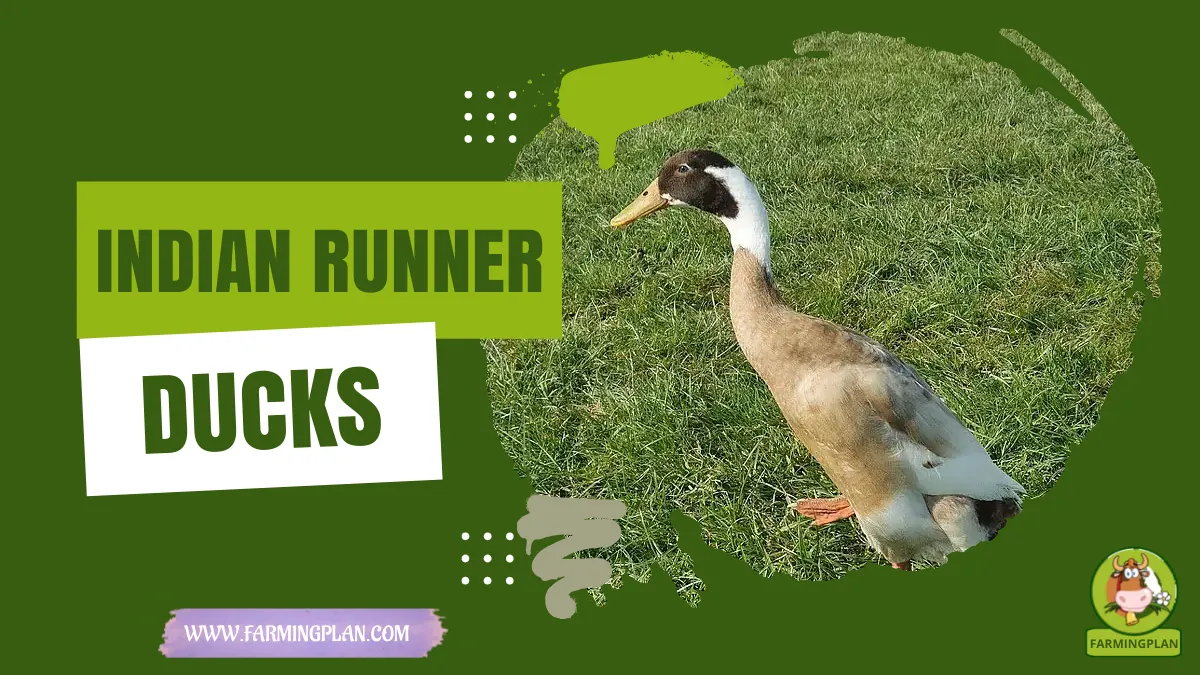
The Indian Runner Duck has become one of my favorite duck breeds to raise because these birds stay active, friendly, and productive all year long. Unlike heavy duck breeds such as the Pekin duck or Aylesbury, Indian Runners stand upright and move quickly across fields and gardens. Many people call them the “penguin ducks” because of their tall posture and fast walking style. I’ve raised White, Chocolate, Blue, Black Indian Runner Duck, Silver Runners, and the beautiful fawn & white variety, and each one brought energy to my backyard flock.
Farmers value them for egg production, pest control, and rice-duck farming systems. Pet owners enjoy their docile temperament and funny personalities. In this guide, I’ll share my hands-on experience about Indian Runner duck eggs, feeding, housing, breeding, ducklings, predators, health care, duck ponds, and practical farming methods that truly work for beginners and experienced breeders alike.
History & Origin
Despite the name, the Indian Runner duck likely developed in areas of Indonesia rather than India. Historians found stone carvings on ancient Javan temples that resemble modern Runner ducks. Farmers in Southeast Asia used these active ducks in rice paddies for centuries. The ducks searched irrigation ditches, trenches, and mud pits for insects, snails, algae, and slugs while naturally fertilizing the fields with duck manure.
Ancient Roots From Southeast Asia
I’ve always admired how smart those early farmers were. They understood that Runner ducks could control pests without chemicals. Modern rice-duck farming still uses this same natural system today. The birds protect roots from harmful insects while their movement improves the environment around wet crops.
Arrival In Europe And America
British sailors and traders brought Indian Runners to Europe during the 1800s. Breeders quickly noticed their excellent egg-laying ability. The American Poultry Association later recognized several colour varieties, including White, Blue, Chocolate, Black, and fawn-and-white Runner duck types. Famous scientists like Charles Darwin and Reginald Punnett even studied duck breeding and feather color inheritance. Today, organizations like The Livestock Conservancy and the Indian Runner Duck Club help protect rare bloodlines and traditional breeding stock.
Reads More: Cinnamon Rabbit Charming Care Guide
Characteristics
The first thing people notice about Indian Runner ducks is their upright stance. Unlike a typical Mallard duck or Rouen duck, these birds stand almost vertically. Their long necks, slim bodies, and strong webbed feet help them run quickly instead of waddling slowly.
Upright Body And Fast Movement
I often joke that my Runners patrol the garden like tiny security guards. They constantly search for slugs, insects, and weeds. Because they stay so active, they usually remain lean and healthy. Most adult females weigh around 3.5 to 4 pounds, while male Runner ducks often reach 4 to 5 pounds.
Feather Colors And Breed Varieties
Indian Runner ducks come in many beautiful colours. Popular varieties include:
- White
- Chocolate
- Blue
- Black Indian Runner Duck
- Silver Runners
- Cumberland blue
- Fawn & white
- Trout
- Gray
- Buff shades
The fawn and white duck remains one of the most popular show varieties. Their clean feather patterns and elegant shape attract many breeders and hobbyists.
Egg Size And Egg Production
Indian Runner ducks rank among the best egg layers in duck world breeding circles. Many females produce 200–300 duck eggs yearly. Their eggs usually show White, Blue-green, or light tinted Egg Color depending on bloodline and diet. Duck eggs feel larger and richer than chicken eggs. I use them for baking because they create fluffy cakes and soft bread. Many backyard flock owners choose Indian Runners instead of chickens because the ducks lay consistently and adapt well to different climates.
Nature & Temperament
Indian Runners have a very active personality, but they usually remain Docile around people. My flock follows me around the farm whenever I carry feed buckets or watering cans. They become curious about everything happening nearby. Unlike aggressive waterfowl breeds, Indian Runner ducks rarely start fights. Females often stay calmer than males during breeding season. They work well with chickens, Goose breeds, and even calm breeds like Khaki Campbell.
Great For Families And Beginners
I often recommend Indian Runner ducks to first-time duck keepers because they adapt easily to small farms and gardens. They don’t need a huge duck pond to stay healthy. Simple water containers deep enough to clean their nostrils work fine. These ducks also enjoy herding competitions and group movement. Their flock behavior helps protect them from predators because they stay alert together. I’ve noticed that predator-wise fencing and secure wooden house shelters reduce stress and improve egg-laying performance during winter.
Food & Diet
Best Daily Foods For Healthy Ducks
Indian Runner ducks need balanced nutrition to support egg production and feather health. I feed my flock a combination of:
- Waterfowl diet pellets
- Cracked corn
- Wheat
- Oats
- Leafy greens
- Peas
- Mealworms
- Rice bran
- Algae-rich forage
Ducklings need higher protein starter feed during early growth. Adult ducks benefit from calcium supplements during egg-laying season. Fresh water remains extremely important. Ducks use water to swallow food properly because their gizzard processes grains differently than chickens.
Foods To Avoid
Some foods create serious health issues. I never feed my ducks:
- Moldy grains
- Salty snacks
- Chocolate
- Raw beans
- Spoiled bread
- Toxic garden plants
Blue-green algae in dirty ponds can poison ducks quickly. I always keep drinking areas clean and replace muddy water regularly.
Natural Garden Feeding
One reason I love Indian Runner ducks involves their pest control ability. They search gardens for slugs, insects, snails, and larvae without destroying plants as heavily as chickens often do. Farmers sometimes rotate Runner ducks through paddock systems to reduce fertilizer use and harmful pests naturally.
Usage & Purpose
Indian Runner ducks gained fame because of their reliable egg production. Some females outproduce many chicken breeds. Their duck eggs contain rich yolks and strong shells, making them valuable for home kitchens and small farms. I sell extra eggs locally because many customers prefer duck eggs for baking and protein content. The consistent laying pattern helps small farmers create dependable income.
Natural Pest Control Experts
Gardeners appreciate Runner ducks because they eat slugs, beetles, insects, and weeds. I use them around vegetable beds after harvest season. Their movement helps control pests without chemical sprays. Rice farmers also use them in rice paddies. The ducks eat insects while their manure enriches soil naturally. This traditional farming style still works beautifully today.
Exhibition And Hobby Farming
The tall posture and elegant feather colours make Indian Runners popular show birds. Breeders participate in exhibitions through Waterfowl Club events and poultry associations. Hobbyists enjoy raising unusual colour patterns like Chocolate, Blue, and Silver Runners.
Special Features
Their vertical posture makes them different from almost every domestic duck breed. Many visitors stop and laugh when they see my flock running across the yard upright like bowling pins. With proper housing, clean water, balanced feeding, and good predator protection, Indian Runners thrive in many environments.
Strong Egg-Laying Genetics
Indian Runners helped improve egg-laying lines in other breeds through selective breeding programs. Their genetics contributed to modern productive duck strains.
Lightweight And Agile
Can Indian Runner ducks fly? Most can only manage short flights because breeders selected them mainly for egg-laying rather than flying strength. Their lightweight bodies still help them move quickly around farms and gardens.
Cleaner Than Many Duck Breeds
Compared with heavier ducks, Indian Runners create less mud damage because they stay active and lighter on the ground. They work well in organized backyard flock systems with proper fencing and drainage.
Health Issues & Prevention
Common Health Problems
Indian Runner ducks stay hardy, but several problems can appear if care becomes poor. Common health issues include:
- Respiratory infections
- Parasites
- Bumblefoot
- Wet feather disease
- Vitamin deficiencies
- Egg-binding in females
Dirty water and overcrowded housing often trigger illness quickly.
Warning Signs I Watch Closely
I always check for symptoms like:
- Loss of appetite
- Limping
- Drooping feathers
- Nasal discharge
- Weak egg production
- Labored breathing
Fast treatment usually prevents larger problems.
Prevention Tips That Work
I keep my ducks healthy through:
- Clean bedding
- Dry coop floors
- Predator-safe fencing
- Fresh water daily
- Proper ventilation
- Balanced nutrition
- Regular coop cleaning
During winter, I add extra straw bedding and protect water containers from freezing. Artificial incubators also require strict hygiene during breeding season to prevent bacterial spread among ducklings.
“Healthy Indian Runner ducks stay busy from sunrise to sunset. I always say a happy Runner duck means fewer garden pests and more fresh eggs for breakfast!”
Step-by-Step Farming Guide
When I first started raising Indian Runner ducks, I quickly realized that success depends on consistency more than expensive equipment. These ducks thrive when farmers provide safe housing, clean water, quality feed, and daily attention. Many beginners overcomplicate duck farming, but Runner ducks actually adapt very well to simple systems.
I’ve raised Runner Duck Assortment groups on small backyard setups and larger farm paddocks. In both situations, the same core principles worked every time. Ducks need space to move, access to water, predator protection, and healthy breeding stock. Once those basics stay stable, the flock usually rewards you with strong egg production and entertaining personalities.
Beginner-Friendly Introduction To Raising Indian Runners
The following step-by-step guide comes directly from my practical experience working with ducklings, adult breeders, and mixed backyard flocks. I designed these methods for hobbyists, pet owners, and farmers who want healthy ducks without unnecessary stress.
Step 1 – Build A Safe And Comfortable Duck House
I always begin with secure housing because predators remain the biggest danger to Runner ducks. Foxes, dogs, snakes, raccoons, and birds of prey attack vulnerable flocks quickly. I use a wooden house with strong ventilation and dry bedding. Each duck needs enough room to stand comfortably and move freely. Wet floors create bacteria problems, so I replace straw often.
Chicken wire fence systems help during daytime grazing, but I never trust lightweight fencing alone at night. Runner ducks don’t perch like chickens. They prefer ground-level sleeping areas with soft bedding. I also create separate nesting corners for females during egg-laying season. Calm nesting spaces improve egg production significantly.
Step 2 – Set Up Water Systems Properly
Many beginners ask, “Do Indian runner ducks need a pond?” My answer stays simple: they do not require a large duck pond, but they absolutely need clean water access every day. I use deep tubs and water containers that allow ducks to dunk their heads fully. This keeps their nostrils and eyes healthy. Ducks spread waterproof substance from special glands while grooming, so bathing access supports feather quality and buoyancy. I avoid muddy standing water because bacteria spreads quickly. Good drainage around watering areas helps keep the coop environment cleaner and safer.
Step 3 – Raise Ducklings Carefully
Ducklings need warmth, clean feed, and safe flooring during their first weeks. I use non-slip bedding because slippery surfaces damage developing legs and webbed feet. Starter feed with proper protein levels supports healthy growth. I introduce shallow water carefully to prevent accidental chilling or drowning. Ducklings grow rapidly, so I expand space often as they mature. Sexed ducklings help breeders manage future egg production goals. I separate aggressive males if flock balance becomes stressful for females.
Step 4 – Manage Feeding And Daily Care
I feed my flock twice daily using balanced waterfowl diet pellets and natural forage. Runner ducks love searching for insects and slugs around gardens, which lowers feed costs naturally. Daily routines matter greatly. I check water, collect eggs, inspect fencing, and observe flock behavior every morning and evening. Small changes in appetite or movement often reveal early health problems. Breeding adults also need calcium support for strong Egg Size and shell quality. I provide crushed oyster shell separately during peak laying season.
Step 5 – Prepare For Breeding And Winter Care
Breeding season requires careful management. I maintain healthy male-to-female ratios to reduce stress and feather damage. Clean nesting areas improve hatch success rates. Some breeders use artificial incubators, while others allow females to brood naturally. I’ve used both methods successfully depending on flock size. Winter care becomes very important in colder climates. I increase bedding depth and block strong wind exposure while maintaining ventilation. Healthy Runner ducks tolerate cool weather surprisingly well when housing stays dry.
Reads More: Heck Cattle: Powerful Wild Heritage Breed
Expert Tips & Best Practices
Practical Tips From My Farm
- Rotate grazing areas to reduce parasites naturally.
- Use fencing around vegetable gardens during planting season.
- Keep feed containers dry to prevent mold growth.
- Add shallow dust bath areas for feather health.
- Introduce new ducks slowly to avoid flock fighting.
- Collect eggs early during hot weather.
- Provide shade during summer heat.
- Watch males closely during breeding season.
- Maintain clean incubation equipment.
- Use predator-wise coop locks every night.
Smart Breeding Advice
I prefer breeding ducks with strong posture, active movement, and calm temperament. Healthy bloodlines produce stronger egg layers and better survival rates. Many professional breeders purchase stock from farms like Metzer Farms because reliable genetics matter greatly in duck farming success.
FAQs
Are Indian Runner ducks good egg layers?
Yes, Indian Runner ducks rank among the best egg-laying duck breeds. Healthy females often lay 200–300 duck eggs yearly with proper nutrition and housing.
Can Indian Runner ducks fly?
Most Indian Runner ducks cannot fly well. They may manage short flights, but breeders developed them mainly for running and egg production rather than flying ability.
Do Indian Runner ducks need a pond?
No, they do not require a full pond. They simply need clean water deep enough to wash their eyes and nostrils properly.
What is the temperament of Indian Runner ducks?
Indian Runners usually stay active, curious, and docile. They work well in backyard flock systems and often mix peacefully with chickens and other ducks.
How much does an Indian Runner duck weigh?
Adult females commonly weigh 3.5–4 pounds, while males usually reach 4–5 pounds depending on breeding and feeding practices.
Conclusion
The Indian Runner Duck combines charm, productivity, intelligence, and practical farm value in one hardworking bird. I’ve raised many duck breeds over the years, but few match the energy and usefulness of Runner ducks. Their excellent egg production, natural pest control skills, friendly temperament, and beautiful feather colours make them perfect for pet owners, breeders, and small farmers alike. Whether you want a lively backyard flock, reliable duck eggs, or eco-friendly garden helpers, these ducks fit the job wonderfully. If you’ve been thinking about adding ducks to your farm or garden, this breed deserves serious consideration. Share your experiences, ask questions, or tell other duck lovers about your favorite Runner duck colours and farming tips!