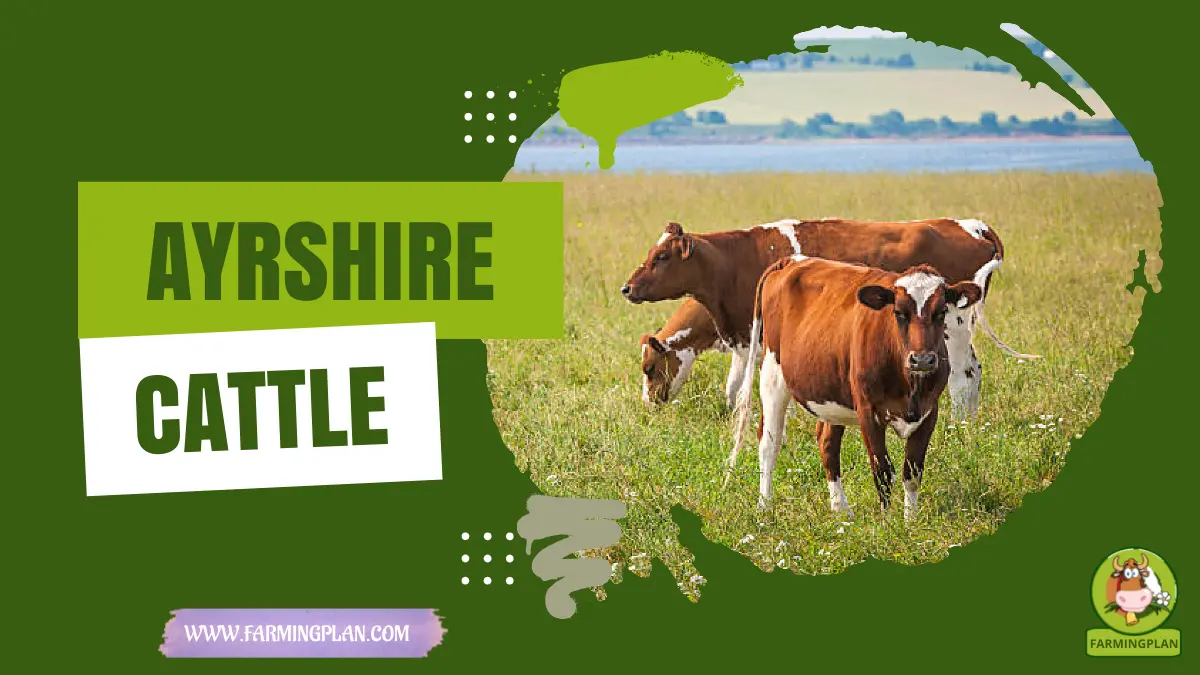
I have worked with many dairy cattle breeds over the years, but Ayrshire Cattle always impress me with their balance of milk production, strong health, and calm dairy temperament. These beautiful red and white dairy cows came from Scotland and quickly became popular across North America, Europe, Australia, and many dairy regions around the world. Dairy farmers value the Ayrshire breed because these cows produce quality milk with excellent butterfat and protein-to-fat ratio while staying hardy under different management systems.
Many farmers compare Ayrshire cows with Holstein, Jersey, Brown Swiss, Guernsey, Milking Shorthorn, and Holstein-Friesian cattle. In my experience, Ayrshire cattle offer a practical mix of milk yield, fertility, udder conformation, and long productive life. Whether you raise Pedigree Ayrshires for show competitions like the Spring Dairy Expo or keep a small family dairy herd, this Scottish breed gives dependable results. I will share practical notes, feeding methods, calving advice, health management, lactation care, and step-by-step farming guidance based on real dairy experience.
History & Origin of Ayrshire Cattle
Ayrshire Cattle originated in County Ayr in Scotland during the late 1700s and early 1800s. Farmers in this region wanted strong dairy cattle that could survive harsh weather while producing rich milk. Breeders carefully improved local Scottish cattle by crossing them with Teeswater cattle, Dutch herdbook cattle, Flemish cattle, and other European breeds. Over time, breeders created the modern Ayrshire dairy breed that we know today. If you plan to build a sustainable dairy herd with quality milk and manageable cattle, the Ayrshire breed deserves serious attention.
The Highland Agricultural Society played an important role in improving herd standards and recording breed information. The Ayrshire Cattle Herd Book Society later established official herdbook records to protect breed purity and improve genetics. Breeders focused heavily on udder conformation, milk solids, fertility, and strong feet and legs. These early breeding decisions still benefit dairy farmers today.
Expansion Across North America And Beyond
As dairy farming expanded, Ayrshire breeders introduced the breed to North America, Finland, Australia, and other dairy regions. The American Ayrshire Breed Association helped organize breeding records, production awards, classifications, judging seminars, and dairy shows. Finnish Ayrshire dairy cows became especially famous for excellent milk yield and low somatic cell counts.
Australian breeders also influenced the development of Illawarra cattle by using Ayrshire bloodlines. Today, Ayrshire genetics continue to support dairy improvement programs around the world. Many modern dairy farmers still trust Ayrshire cattle heritage because the breed adapts well to grazing systems, intensive dairying, and mixed farming operations.
Reads More: Shrimp Farming Success Secrets for Beginners
Characteristics of Ayrshire Cattle
Ayrshire cattle have a very attractive appearance. Most animals show red and white markings, although some display deep mahogany shades while others appear lighter red. Traditional Ayrshire cattle often carried horns, but many modern dairy farmers keep dehorned calves for easier management and better safety. Adult Weight varies depending on genetics, feeding, and management systems. Mature cows usually weigh between 450 and 600 kilograms, while Ayrshire cattle bulls often exceed 800 kilograms. Their body structure supports strong milk production without the excessive size seen in some Holstein cattle.
Udder Conformation And Milk Production Strength
One major strength of the Ayrshire breed is udder conformation. These cows usually develop well-attached udders with properly placed teats, which supports machine milking and reduces injury risk. Strong udder structure also helps maintain productive lactation records over many years. Ayrshire milk contains excellent butterfat and protein levels. Many dairy foods manufacturers appreciate Ayrshire milk because it creates favorable milk curd texture for butter, yogurt, and cheese production. Compared with some larger dairy cows, Ayrshire cows often maintain better feed efficiency and healthier somatic cells count levels.
Genetics And Dairy Performance
Modern breeders pay close attention to genetic variability, heritability, and production data. Many breeding programs monitor milk yield, parity performance, lactation incidence rates, and fertility traits. Good genetics help reduce problems like dystocia, ovulatory dysfunction, metritis, retained placenta, and mammary gland inflammation. Some elite show cows receive famous classifications such as EX92 2E, showing exceptional dairy type and structure. Dairy Agenda Today, Cowsmo, and major dairy shows regularly feature outstanding Ayrshire bloodlines and production awards.
Nature & Temperament
In my experience, Ayrshire cows show an alert but manageable temperament. They stay active and energetic in the pasture, yet they usually cooperate well during milking and handling. I find them more independent than Jersey cows but less nervous than some Holstein-Friesian lines. Young calves learn routines quickly when farmers handle them gently from an early age. Good handling improves trust and reduces stress during milking, calving, transportation, and veterinary care. Ayrshire cattle bulls can become protective during breeding season, so I always recommend proper fencing and experienced handlers.
Suitability For Small And Large Dairy Farms
Ayrshire cattle adapt well to different dairy environments. Small family farms appreciate their moderate feed needs and manageable body size. Large commercial dairying operations value their longevity, fertility, and reliable milk solids. I especially recommend Ayrshire dairy cows for farmers who use grazing systems. These cows walk well, forage efficiently, and tolerate changing weather conditions better than many heavier dairy breeds. Their hardy nature helps reduce culling rates and supports long-term herd profitability.
Food & Diet
I always tell dairy farmers that milk production starts with feeding management. Ayrshire cattle need balanced nutrition to maintain lactation, fertility, and body condition. Fresh pasture grass works very well for grazing herds, while silage, hay, and total mixed ration feeding support intensive dairy systems. Protein, energy, minerals, and clean water all matter. Lactating cows require higher nutrition levels than dry cows or young calves. I regularly include calcium, phosphorus, magnesium, and salt supplements because dairy cows lose many minerals through milk production.
Best Feeding Practices For Ayrshire Calves
Calves should receive quality colostrum within the first few hours after calving. Strong early nutrition supports immunity and reduces disease problems later. I prefer feeding milk replacer or whole milk along with calf starter grain and clean water. Farmers should avoid sudden feed changes because digestive stress can lower milk production and create health problems. Moldy silage, contaminated water, and poor-quality hay also harm dairy performance. Consistent feeding schedules help maintain rumen health and steady lactation output.
Usage & Purpose
Ayrshire cattle mainly serve as dairy cows. Farmers raise them for high-quality milk production, excellent butterfat levels, and efficient feed conversion. Many dairies use Ayrshire milk for premium butter, yogurt, cheese, and ice cream production. Compared with Holstein cattle, Ayrshire cows may produce slightly less total milk volume, but they often compensate with stronger milk solids and better durability. This advantage appeals to dairy farmers who focus on long-term herd performance instead of short-term production only.
Show Animals And Pedigree Breeding
Many breeders also raise Pedigree Ayrshires for dairy shows and genetic improvement programs. Events like the NY Spring Show, Clemson Spring Show, and Spring Dairy Expo attract serious Ayrshire breeders from across North America. Show animals require careful grooming, balanced feeding, and strong conformation traits. Elite cows such as Harperfield Queen of the South and Mowry’s Burdette Mojo helped strengthen Ayrshire cattle heritage through influential bloodlines and production records.
Environmental And Sustainable Farming Value
Modern dairying also focuses on sustainability. Some dairy farms use methane digesters, manure recycling, biogas systems, and improved nutrient management to reduce environmental impact. Ayrshire cows fit well into sustainable systems because they remain productive without extreme feed demands.
Special Features
One special feature of Ayrshire cattle is their excellent balance between milk quality and durability. Some dairy breeds push extremely high production but struggle with fertility and health. Ayrshire cows often maintain stronger reproductive performance and lower veterinary costs. Their feet and legs usually stay strong under pasture-based systems. I notice fewer mobility problems compared with some heavier dairy breeds. This advantage becomes very important for grazing farms where cows walk long distances daily.
Superior Milk Components And Longevity
Ayrshire milk contains excellent butterfat and protein levels that support dairy foods manufacturing. The protein-to-fat ratio works especially well for cheese and cultured dairy products. Many processors prefer this milk because of consistent quality. Ayrshire cows also tend to remain productive for many lactation cycles. Long herd life improves farm profitability because farmers spend less money replacing cows. Good fertility, strong udders, and moderate body size all support longevity.
Adaptability Across Farming Systems
I have seen Ayrshire cattle succeed in cold climates, humid regions, and mixed farming systems. Their adaptability makes them valuable for both commercial dairying and small family operations. They also tolerate grazing conditions better than many high-production dairy breeds.
Health Issues & Prevention
Like all dairy cattle, Ayrshire cows can suffer from mastitis, metritis, retained placenta, dystocia, mammary gland inflammation, and reproductive disorders. High-producing cows also face risks from ketosis, milk fever, and digestive problems. Somatic cell counts help monitor udder health. I regularly check milk quality records because rising somatic cells count often signals infection. Early detection protects milk production and prevents severe mastitis outbreaks.
Prevention Through Good Management
Clean housing remains one of the best disease prevention tools. I always keep bedding dry and milking equipment sanitized. Proper ventilation reduces respiratory disease risk while good drainage helps control bacteria growth. Vaccination schedules, parasite control, hoof trimming, and balanced feeding also protect herd health. Farmers should monitor calving cows closely because most health complications appear around the freshening period.
Genetics And Herd Improvement
Modern dairy farmers use genetics to reduce disease risk. Breeding programs now track epidemiology data, fertility performance, culling rates, and genetic disease markers. Careful sire selection improves herd quality over time. I recommend keeping accurate Breed Record and lactation records for every cow. Good data helps farmers identify strong bloodlines and remove weak animals from the breeding program.
“Great Dairy Cows Don’t Happen By Accident — Strong Genetics, Smart Feeding, And Daily Care Build A Profitable Ayrshire Herd.”
Step-by-Step Farming Guide
Raising Ayrshire cattle requires planning, consistency, and daily observation. I always tell new dairy farmers that success does not happen overnight. Good dairying combines genetics, feeding, housing, hygiene, and patient animal care. Ayrshire cows reward careful management with dependable milk production and long productive life.
Before starting a dairy herd, farmers should study local climate, feed availability, milk markets, and veterinary support services. A strong setup prevents many future problems. I also encourage farmers to learn from experienced Ayrshire breeders and attend judging seminars, annual conference events, and dairy education programs whenever possible.
Step 1 – Choose Healthy Ayrshire Calves Or Cows
I always start with healthy animals from trusted breeders. Look for clean eyes, strong legs, healthy udders, and good body condition. Check herdbook records, vaccination history, and milk production data before buying. Avoid animals showing breathing problems, swollen joints, poor appetite, or abnormal udder structure. Good breeders openly share information about genetics, lactation records, fertility, and disease history. Young calves need warm housing, clean milk feeding equipment, and early vaccination support. Proper calf care creates strong future dairy cows with better production potential.
Step 2 – Build Comfortable Housing And Dairy Facilities
Housing quality directly affects milk yield and herd health. I prefer barns with strong airflow, dry bedding, shaded resting areas, and non-slip flooring. Comfortable cows eat better and produce more milk. Milking parlors should stay clean and organized. Dirty milking systems increase mastitis risk and raise somatic cell counts.
Water availability also matters greatly because lactating dairy cows drink huge amounts daily. Pasture fencing must remain secure, especially when handling Ayrshire cattle bulls. Safe handling systems protect both farmers and animals during breeding and veterinary work.
Step 3 – Follow A Strong Feeding And Lactation Plan
I divide feeding programs based on age, lactation stage, and body condition. High-producing cows require more energy and protein during peak lactation. Dry cows need balanced mineral nutrition to prevent calving problems. Good forage remains the foundation of dairy feeding. I combine pasture grass, hay, silage, grains, and mineral supplements to maintain rumen stability. Fresh water must stay available all day. Feed testing helps farmers understand nutrient levels accurately. Poor feed quality lowers milk production, weakens fertility, and increases disease risk.
Step 4 – Manage Breeding And Calving Carefully
Successful breeding programs improve herd profitability. I track heat cycles carefully and use proven bulls or artificial insemination genetics to improve production and conformation. Pregnant cows need close monitoring during late gestation. Clean calving pens reduce infection risk for both cow and calf. Farmers should watch for dystocia, retained placenta, or weak newborn calves during calving season. New calves require colostrum immediately after birth. Early nutrition supports immunity and improves survival rates.
Step 5 – Maintain Daily Health Monitoring
Daily observation prevents major herd losses. I check appetite, milk yield, manure condition, walking movement, and udder health every day. Small behavior changes often reveal early disease signs. Routine hoof trimming, vaccination, parasite control, and veterinary visits help maintain strong herd health. Clean equipment and good sanitation reduce bacterial spread inside dairy facilities. Accurate record keeping also supports long-term success. I document breeding dates, milk records, treatments, fertility performance, and health events for every cow in the herd.
Reads More: Duck Farming Secrets for Better Profits
Expert Tips & Best Practices
Professional Ayrshire Farming Tips
- Choose bloodlines with strong udder conformation and fertility traits.
- Keep detailed lactation records and production awards data.
- Use balanced mineral nutrition during peak lactation.
- Prevent obesity in dry cows before calving season.
- Train calves early for calm dairy temperament.
- Maintain strict milking hygiene every day.
- Rotate grazing pasture to improve forage quality.
- Monitor somatic cell counts regularly.
- Attend dairy judging seminars and breeder conferences.
- Learn from successful Ayrshire breeders in your region.
- Use modern genetics carefully instead of chasing only extreme milk yield.
- Reduce stress during transportation and herd changes.
- Cull cows with chronic mastitis or poor fertility.
- Invest in ventilation and clean bedding systems.
- Study dairy market demand before expanding herd size.
FAQs
What Is Special About Ayrshire Cattle Milk?
Ayrshire milk contains strong butterfat and protein levels, which makes it excellent for cheese, butter, yogurt, and other dairy foods. Many dairy farmers also value its favorable protein-to-fat ratio and milk curd texture.
Are Ayrshire Cattle Good For Small Farms?
Yes, Ayrshire cattle adapt very well to small family dairies and pasture systems. Their moderate size, good fertility, and efficient feed conversion make them practical for smaller operations.
Do Ayrshire Cattle Have Horns?
Traditional Ayrshire cattle often developed horns, but many modern dairy farms keep dehorned calves for safer handling and easier management inside barns and milking parlors.
How Much Milk Do Ayrshire Cows Produce?
Milk production varies based on genetics, feeding, and management systems. Many Ayrshire dairy cows produce impressive lactation records while maintaining better health and longevity than some high-output breeds.
Are Ayrshire Cattle Better Than Holstein?
Both breeds have strengths. Holstein cattle usually produce more total milk volume, while Ayrshire cows often show stronger fertility, better milk solids, improved grazing ability, and lower long-term health costs.
Conclusion
Ayrshire Cattle continue to earn respect across the dairy world because they combine strong milk production, excellent butterfat, reliable fertility, and hardy Scottish genetics in one dependable package. I have seen these dairy cows perform successfully in grazing systems, commercial dairies, and pedigree show herds. Their strong udder conformation, adaptable temperament, and long productive life make them valuable for both new and experienced dairy farmers. When farmers provide balanced nutrition, clean housing, careful calving support, and smart breeding management, Ayrshire cows reward that effort with healthy calves and profitable lactation performance. Share your experience, ask questions, or connect with other Ayrshire breeders to keep learning and improving your dairy journey.