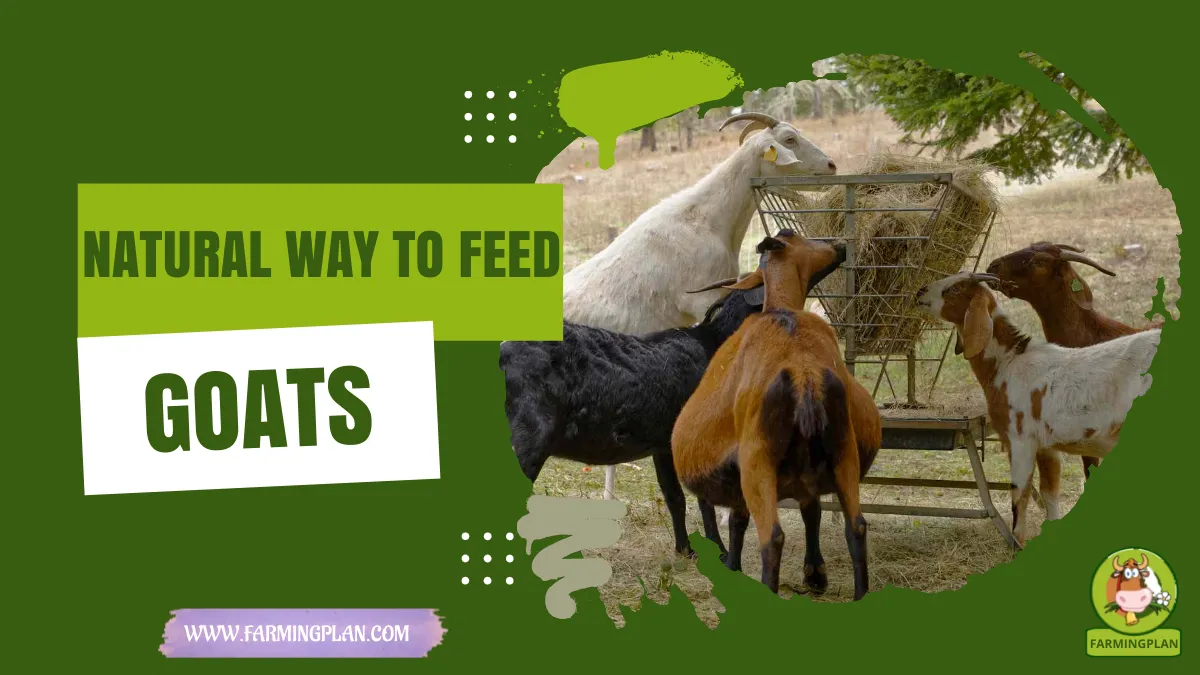
Mastering the natural way to feed goats is the absolute foundation of raising a thriving herd on your homestead or small farm. When I first brought my herd home, I realized that feeding these curious ruminants requires a solid balance of natural forage, daily hay, clean water, and carefully mixed minerals. Goats are natural browsers, meaning they love eating brush, leaves, and pasture greens rather than just grazing on grass like cattle.
Whether you want a natural way to feed goats at home or you are looking for a natural way to feed goats for beginners, I am excited to share my hands-on farming journey with you. We will explore simple goat feed formulation pdf concepts, safe supplements, orchard grass hay, Timothy hay, and essential fiber options to maintain optimal rumen health. Let us dive right in and talk about how to keep your goats happy, energetic, and completely healthy every single day!
History & Origin of Natural Way to Feed Goats
I love looking back at where our modern domestic goats came from because it tells us so much about their eating habits today! Goats were among the earliest animals ever domesticated by humans, over 10,000 years ago in the Zagros Mountains of Southwest Asia. Their wild ancestors, the Bezoar ibex, survived on rugged rocky terrain by browsing on tough brush, shrubbery, and scrub trees.
Over thousands of years, these resilient animals adapted to diverse landscapes across the globe, from arid mountain regions to lush valleys. As humans traveled, goats traveled with them as microbusinesses providing vital milk, meat, and hides. Knowing this ancestral background helps me feed my own goats better today. They are naturally hardwired to seek out leafy greens, woody twigs, and deep-rooted weeds rather than sitting in a lush pasture eating plain turf all day.
Read More: Black English Magpie Pigeon: Ultimate Care Guide
Characteristics of Natural Way to Feed Goats
Goats are fascinating creatures with unique physical features and complex digestive systems built specifically for high-fiber diets. As true ruminants, they possess a four-compartment stomach consisting of the rumen, reticulum, omasum, and abomasum. The rumen acts as a giant fermentation vat where good bacteria break down tough plant material into usable energy.
When you look at different breeds, you will see huge variations in size and appearance. Dwarf breeds might weigh under fifty pounds, while heavy meat or dairy breeds easily top two hundred pounds. Physically effective fiber from long-stemmed forage is vital for keeping their chewing action active. This chewing produces natural saliva that buffers the rumen and prevents serious digestive upsets.
Nature/Temperament of Natural Way to Feed Goats
If you have ever spent five minutes with a herd of goats, you know they are incredibly curious, playful, and energetic! They use their nimble lips and teeth to explore their environment, which often makes people mistakenly think they will eat tin cans or trash. In reality, they are very selective eaters that sniff out the most nutritious leaves and buds first.
Their social nature means they form strong herd hierarchies, and they can easily get bored if confined without variety. They are wonderfully suited for small-scale homesteaders, permaculture enthusiasts, and families looking for lively barnyard pets. Their friendly personality makes daily feeding sessions a joyful bonding routine, provided you understand their natural urge to climb, browse, and forage.
Food & Diet of Natural Way to Feed Goats
Feeding your herd naturally means providing a strong balance of high-quality forage, hay, clean water, and loose minerals every single day. The foundation of their daily diet should always be roughage, such as orchard grass hay, Timothy hay, or rich alfalfa hay for lactating does. I always keep fresh water flowing, using tank heaters in the cold winter months so my herd stays well-hydrated.
You must also watch out for dangerous toxic plants that can harm your herd. Keep your goats away from Oleander, nightshade, Virginia creeper, prunus species, mountain laurel, rhododendron, and lily of the valley. Avoid heavy grain feeds loaded with excess starch, as too much grain causes bloat or acidosis. Stick to natural supplements like alfalfa pellets, sunflowers, and mineralized salt to supply necessary calcium and phosphorus ratios safely.
Usage/Purpose of Natural Way to Feed Goats
Goats are amazingly versatile animals that serve many practical purposes on a modern farm or homestead. Many folks raise dairy breeds for rich, creamy milk, while others raise meat breeds or cashmere and mohair fiber goats. On my farm, they also serve as ultimate weed clearers, happily clearing out invasive brush, sorghum stalks, and field-corn stalks without needing chemical weed sprays.
Beyond production, goats play a key role in permaculture designs and sustainable farming setups. Their manure makes incredible, nutrient-rich compost for no-till gardening and backyard vegetable beds. Whether you keep a small herd as working animals or cherished barnyard pets, feeding them naturally ensures they fulfill their daily duties with robust health and high energy.
Special Features of Natural Way to Feed Goats
One of the coolest features of goats is their amazing ability to process tough cellulose and extract nutrition from poor-quality plants. They have flexible, split upper lips that let them pick individual leaves off thorny bushes without getting poked. Their keen sense of taste helps them balance their own intake when given access to diverse pastures.
I love growing a dedicated goat-fodder garden with high leaf-matter production plants. Feeding fodder beets, mangel, and sweet-corn stalks provides high moisture and vitamins during dry periods. Adding fresh green fodder and natural herb blends keeps their digestive system humming along smoothly all year long.
Health Issues & Prevention of Natural Way to Feed Goats
Maintaining your herd’s health comes down to protecting their complex GI tracts and delicate rumen balance. Feeding too many grain products or pelleted grains can lead to dangerous digestive conditions like bloat and acidosis. Male goats, especially wethers, are prone to urinary calculi if their calcium-to-phosphorus ratio gets out of balance, so always add ammonium chloride to their diet if needed.
Deficiencies in trace minerals can cause nervous system issues, poor coat condition, liver and gallstones, or even bone spurs. Prevent internal parasites by keeping pastures well-managed and using natural options alongside standard dewormers when necessary. A simple cayenne tincture or garlic herb blend can be a wonderful supportive tonic for natural herd care.
Always Feed Your Goats High-Quality Forage First To Keep Their Digestive System Happy And Healthy!
Step-by-Step Farming Guide for Natural Way to Feed Goats
Feeding your goats naturally requires a practical, organized approach to make sure every animal gets the right nutrients every day. Here is my complete step-by-step guide to setting up and managing a natural feeding system for your herd. In cold winter months, use safe tank heaters from farm supply stores like Grange Co-op or Standlee to keep water from freezing over. Harvest these crops fresh during hot summer months or dry winter spells to supplement dry hay with rich, natural nutrients.
Step 1: Design and Measure Your Square Footage Requirements
Before bringing goats home, you must map out your feeding and pasture space carefully. Each adult goat needs adequate outdoor square footage to roam, browse, and exercise without overgrazing the soil. I recommend providing at least 250 to 300 square feet of pasture per goat to allow continuous forage regrowth. When building your feeding area, set up elevated hay racks so their food stays clean and off the muddy ground. Goats will refuse to eat hay that has been stepped on or soiled. Make sure your shelter keeps feed dry, because moldy hay causes serious respiratory and digestive illnesses.
Step 2: Establish the Forage-First Diet with Quality Hay
The second step is establishing high-quality hay as the primary daily food source for your herd. An adult goat consumes roughly 2% to 4% of its body weight in dry matter every single day. For a 100-pound doe, that means providing about 3 pounds of clean grass hay daily. I rely heavily on orchard grass hay and Timothy hay as the core baseline for adult maintenance. If I have lactating does or growing kids, I blend in premium alfalfa hay to boost protein and calcium levels naturally. Always store your hay in a dry, ventilated barn away from rain to preserve its nutritional value and fresh scent.
Step 3: Set Up Free-Choice Minerals and Clean Fresh Water
Goats have a high requirement for specific trace minerals that standard livestock blocks simply do not satisfy. You must offer a dedicated, loose goat mineral mix free-choice in a weather-proof feeder at all times. Look for mixes containing salt, calcium, phosphorus, copper, zinc, and selenium. Along with loose mineral mixes, fresh water is non-negotiable for proper rumen fermentation and daily digestion. A single goat drinks two to three gallons of clean water every day, and lactating does drink even more.
Step 4: Mix Custom Natural Goat Feed Formulations
When extra energy is required for milking does or winter warmth, prepare a clean, natural goat concentrate feed formulation. Instead of buying commercial sweet feeds loaded with heavy molasses, I mix whole grains by hand for superior nutrition. A classic, simple formula combines two parts whole oats, one part rolled barley, and one part sunflower seeds. You can mix this grain mix half-and-half with high-protein alfalfa pellets for milk production. Always introduce any new grain feed slowly over two weeks to allow the rumen microflora time to adjust without stress.
Step 5: Implement Rotational Grazing and Fodder Gardens
To maximize natural browsing habits, split your acreage into smaller paddocks for systematic rotational grazing. Rotating your herd every few weeks breaks parasite life cycles and gives browsed plants plenty of time to regrow. You can also plant a dedicated goat-fodder garden using no-till gardening methods to produce abundant green matter. Crops like fodder beets, mangels, and sunflowers produce high leaf-matter production that goats love.
Read More: Annaberger Haubenstrupphuhn Chicken My Ultimate Proven Guide
Expert Tips & Best Practices for Natural Feeding Success
Here are my top practical tips and proven strategies to help you succeed when feeding your goats naturally:
- Always Transition Feeds Slowly: Never change your goat’s diet overnight. Take 7 to 10 days to gradually introduce new hay, pasture greens, or grain mixes.
- Keep Hay Elevated: Use sturdy, covered hay feeders positioned at chest height to prevent waste and keep feed clean.
- Avoid Block Minerals: Heavy salt blocks can wear down goat teeth and do not supply enough loose copper or selenium. Always use loose, free-choice mineral mixes.
- Monitor Body Condition: Feel your goat’s ribs and spine weekly to check their weight and adjust daily forage rations accordingly.
- Provide Fresh Water Daily: Clean out water troughs regularly. Goats are very picky and will refuse dirty, stale, or freezing water.
- Offer Natural Rumen Buffers: Keep baking soda available free-choice in a small container to help goats self-regulate rumen acidity if needed.
- Use Milk Replacer Correctly: If hand-raising young kids, use high-quality milk replacer at consistent temperatures to avoid digestive upsets.
- Protect Bucks and Wethers: Limit grain rations for male goats to prevent painful urinary calculi stones from forming.
FAQs
What is the best natural feed for goats?
The best natural feed for goats is a forage-first diet made of quality pasture browse, orchard grass hay, and Timothy hay. Supplemental alfalfa hay, loose minerals, and clean water complete their ideal everyday nutritional needs.
How much does a goat eat per day in kg?
An adult goat typically consumes about 1.5 kg to 3 kg of dry feed or hay per day, depending on its body weight and stage of life. High-producing dairy does or growing kids may require slightly higher amounts to sustain their energy.
Can goats live on pasture grass alone?
Goats can survive on pasture, but they prefer leafy brush, weeds, and woody shrubs over plain grass lawn. If browse is limited, you must supply daily high-quality hay and loose trace minerals to keep them completely healthy.
What home foods or garden treats are safe for goats?
Goats safely enjoy healthy garden treats like sunflower seeds, fodder beets, mangels, sliced apples, and fresh pumpkin slices. Always feed treats in moderation to prevent rumen distress or bloating issues.
What plants are highly toxic to goats?
Common plants that are toxic to goats include Oleander, rhododendron, mountain laurel, nightshade, Virginia creeper, and prunus species. Always check your pasture thoroughly and clear away any hazardous vegetation before letting your herd feed.
Conclusion
Feeding goats naturally at home is a deeply rewarding experience that keeps your herd energetic, productive, and thriving for years to come. By prioritizing high-quality forage, clean hay, loose minerals, and fresh water, you build a resilient foundation for your farm or homestead. Avoid excess grains and hazardous toxic plants, and always listen to your goats’ unique nutritional signals. Are you ready to start transforming your herd’s daily diet naturally? Jump right in, share your feeding experiences in the comments below, and pass this guide along to fellow goat lovers today! Learn the natural way to feed goats at home with simple steps for forage, hay, minerals, and safe, healthy herd care!