I’ve worked with many small livestock breeds, but the Pygmy Goat always stands out. These tiny, playful animals bring joy to farms, backyards, and even petting zoos. If you’re searching for “Pygmy goats for sale,” wondering about Pygmy goat size, or comparing them with Nigerian Dwarf goats, you’re in the right place. The Pygmy Goat is a compact breed originally from West Africa, now popular in the United States and beyond.
Farmers love them for their easy care, while families adore them as pets. I’ve raised both American Pygmy and West African Dwarf types, and I can tell you—they’re hardy, curious, and full of personality. In this guide, I’ll share my real farm experience, from feeding and fencing to breeding and health care. Whether you’re a beginner or planning a small herd, this article will help you raise happy, healthy goats.
History & Origin
The story of the Pygmy Goat begins in West Africa, where farmers raised small, hardy goats for meat and survival. These goats adapted to tough climates, limited nutrition, and diseases. Their strong genetics still show today.
African Roots And Global Spread
European traders and researchers brought these goats to Europe and later to the United States. Zoos first kept them as exotic animals. Over time, breeders noticed their calm temperament and manageable size. That’s when selective breeding started shaping what we now call the American Pygmy. Organizations like the National Pygmy Goat Association (NPGA) helped create a clear breed standard. They also introduced registration systems and herd books. These systems improved quality and allowed goats to enter show rings.
Read More: Aubrac Cattle: Incredible French Breed for Superior Beef & Dairy
Development Of Modern Breeds
As breeding continued, farmers developed related breeds like Nigerian Dwarf goats. While Pygmy goats focus on meat and compact build, Nigerian Dwarfs excel in milk production and butterfat content. Today, the Pygmy Goat appears worldwide—from hobby farms in Texas to research centers and petting zoos. Even the Food and Agriculture Organization lists them in global livestock databases.
Characteristics
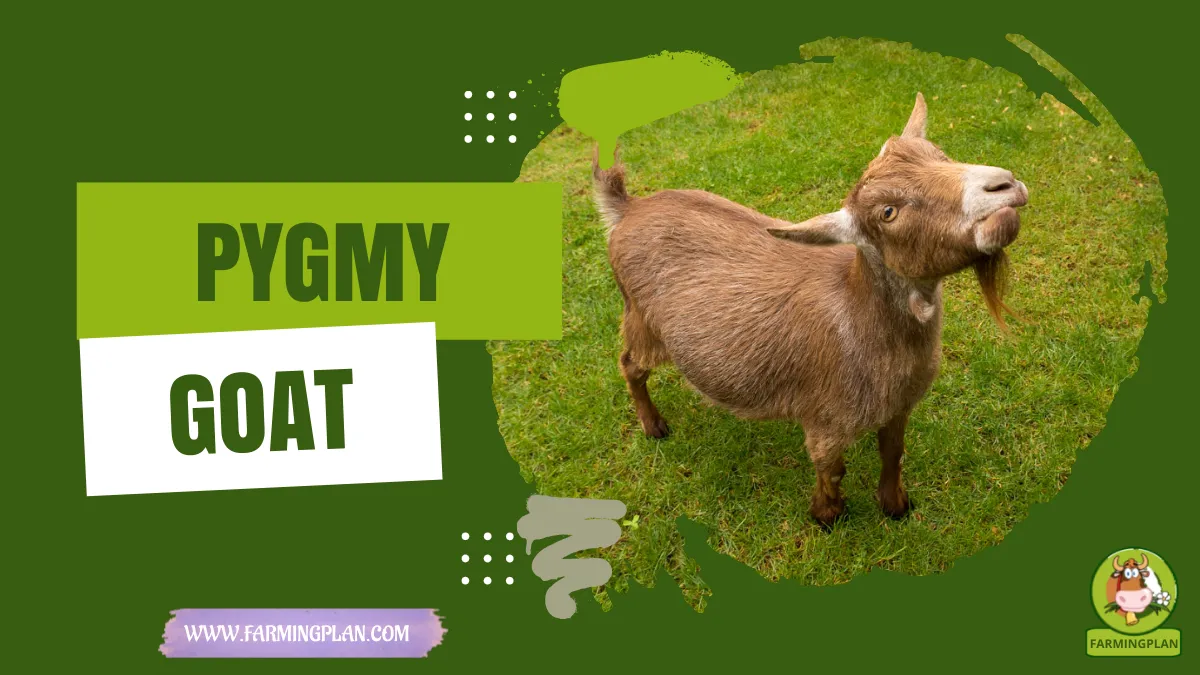
One of the first things I notice about a Pygmy Goat is its small but sturdy body. Adults usually stand around 16 to 23 inches at the withers. Their weight ranges between 24 to 39 kg depending on gender and care. They have a stocky build, short legs, and a rounded barrel body. Their thick coat protects them in cold climates. I’ve raised them in different weather conditions, and they adapt well with proper shelter. Their horns are common, though some owners choose disbudding. You’ll also see polled goats, meaning naturally hornless.
Color, Coat, And Facial Features
Pygmy goats come in various colors—black, brown, gray, and caramel patterns. Their coat often shows agouti markings, which give them a wild look. Their eyes are bright and expressive. I always tell beginners—watch their facial expressions and tail flicks. Goats communicate a lot through body language. Their small size makes them part of the “mini breeds” group. Some even call them “micro goats,” though that’s not an official classification.
Nature & Temperament
From my experience, the Pygmy Goat behaves like a curious child. They love attention, explore everything, and always stay active. These goats are herd animals, so they never do well alone. I always recommend keeping at least two goats. A single goat can become stressed, loud, and destructive. They bleat often, especially when they see food or people. Some even develop unique vocal sounds. I’ve noticed different “voices” in my herd—it’s fascinating.
Suitability For Families And Farms Pygmy goats suit beginners, families, and small farms. Kids love them because they’re gentle and playful. Farmers appreciate their low maintenance. They also adapt well to petting zoos and educational farms. I’ve worked with goats in public settings, and they interact well with people. Still, they need proper fencing and supervision. Their curiosity can lead them into trouble if you’re not careful.
Food & Diet
Feeding a Pygmy Goat is simple if you understand their digestive system. Like all goats, they have multi-chambered stomachs. This system helps them break down fibrous plants. I mainly feed them grass, hay, and small amounts of pellets. Fresh water stays available at all times. Clean water prevents many health issues. They also enjoy browsing—leaves, shrubs, and weeds. That’s why many farmers call them “natural lawnmowers.”
Feeding Dos And Don’ts
I always avoid moldy feed, processed junk, and toxic plants. Goats can get sick quickly if they eat harmful materials. Mineral supplements help maintain health. I often add salt blocks and balanced minerals to their diet. Overfeeding grains can cause digestive problems. I’ve seen beginners make this mistake often. Keep it simple—grass, hay, and controlled supplements work best.
Usage & Purpose
The Pygmy Goat serves many purposes. Traditionally, farmers raised them for meat in Africa. Today, most people keep them as pets or hobby farm animals. I’ve also seen them in goat agility courses and show competitions. Their compact size and personality make them ideal for events. Breeders also focus on improving genetics and maintaining pedigrees. Registration through organizations helps track lineage.
Educational And Commercial Uses
Many zoos and schools use Pygmy goats for education. They help teach children about farming and animal care. Some farms use them for small-scale breeding businesses. “Pygmy goats for sale near me” is a common search among new farmers. While they are not major dairy goats, some people still use them for small milk production.
Special Features
The biggest strength of the Pygmy Goat is its adaptability. These goats survive in hot, cold, and mixed climates. Their strong immune system makes them suitable for beginners. I’ve raised them in both humid and dry conditions with good results.
Low Maintenance And High Personality
They require less space compared to larger breeds like Nubians or Angoras. This makes them perfect for small farms. Their personality stands out the most. They jump, climb, and interact with humans in fun ways. I’ve even trained some to follow commands. Their expressive behavior—like tail flicking and bleating—adds charm to daily farm life.
Health Issues & Prevention
Even though the Pygmy Goat is hardy, it still faces health issues. Worms are one of the most common problems. I regularly check fecal samples to control parasites. Other issues include hoof problems, louse infestation, and respiratory infections. In some cases, goats may suffer from digestive disorders. Vaccinations play a key role in prevention. I follow a routine vaccination schedule for my herd.
Preventive Care And Managemen
Clean housing reduces disease risk. I always keep bedding dry and fresh. Regular hoof trimming prevents mobility issues. I trim hooves every few weeks depending on growth. Balanced nutrition strengthens immunity. I also isolate sick goats to protect the herd.
“Happy Goats Come From Simple Care, Strong Fences, And Plenty Of Love.”
Step-by-Step Farming Guide
When I started raising a Pygmy Goat, I made mistakes. Over time, I developed a simple, effective system. This step-by-step guide will help you avoid common problems and build a healthy herd.
Step 1: Prepare Housing And Shelter
I always start with a safe and dry shelter. Goats hate wet conditions, so I build raised flooring or use thick bedding. A simple shed works well. Make sure it protects from rain, wind, and extreme heat. Good ventilation keeps the air fresh. Space matters too. Each goat needs room to move, rest, and play. Overcrowding causes stress and disease.
Step 2: Install Strong Fencing
Fencing is the most important investment. Pygmy goats are escape artists. I prefer electric fencing or strong wire fences. Poly wire electric fencing works great for small farms. Check fences regularly. A small gap is enough for goats to escape.
Step 3: Choose Healthy Goats
When buying goats, I always check breeders carefully. Look for active goats with bright eyes and clean coats. Ask about vaccinations, pedigree, and health history. Avoid weak or sick animals. Registered goats from trusted breeders often perform better.
Step 4: Plan Feeding And Nutrition
I create a simple feeding plan—hay, grass, and limited pellets. Provide minerals and clean water daily. Avoid sudden diet changes. I also let goats forage when possible. It improves their health naturally.
Step 5: Manage Daily Care Routine
Daily care includes feeding, cleaning, and observation. I always watch for unusual behavior. Check their appetite, movement, and energy levels. Early signs help prevent bigger problems. Spend time with them. It builds trust and reduces stress.
Step 6: Breeding And Kidding Management
Breeding season requires planning. Female goats (nannies) carry kids for about 150 days. Prepare a clean space for kidding. Monitor closely during birth. After birth, ensure kids receive colostrum. It boosts immunity.
Read More: Beagles Dog: Expert Advice From A Breeder
Expert Tips & Best Practices
Pro Tips From My Farm Experience
- Always keep at least two goats—they need companionship
- Use strong fencing to prevent escapes
- Provide clean water at all times
- Trim hooves regularly to avoid pain
- Monitor worms with fecal testing
- Avoid overfeeding grains
- Train goats early for better handling
- Keep records of breeding and health
- Follow local laws before raising goats
- Use mineral supplements for balanced nutrition
FAQs
What is the lifespan of a Pygmy Goat?
A Pygmy goat usually lives 10 to 15 years with proper care. Good nutrition and health management increase lifespan.
How big does a Pygmy Goat get?
They stay small, reaching about 16–23 inches tall. Their weight ranges between 24–39 kg when fully grown.
Are Pygmy goats good pets?
Yes, they make excellent pets due to their friendly and playful nature. They bond well with humans and other goats.
Do Pygmy goats produce milk?
They produce small amounts of milk, but not as much as dairy breeds like Nigerian Dwarf goats.
How much space do Pygmy goats need?
They need a secure yard with enough room to move and play. Even small farms can comfortably raise them.
Conclusion
Raising a Pygmy Goat brings joy, learning, and practical benefits to any farm or home. From their African roots to modern hobby farms, these goats prove their value through adaptability and personality. I’ve seen beginners succeed quickly when they follow simple care rules—good shelter, proper feeding, and strong fencing. If you’re thinking about starting your goat journey, now is a great time. Start small, learn daily, and enjoy the process. Share your experience, ask questions, and connect with other goat lovers. Your first step today can lead to a rewarding farming adventure tomorrow.