
The Mong Cai pig is an incredible local pig production system champion that brings massive value to small-scale farmers and commercial operations alike. In my years working as a farming specialist, I have watched this sturdy Vietnamese breed transform small farms into thriving agricultural businesses. These animals possess amazing adaptability, eating simple feeds like water spinach, duckweed, ensiled cassava roots, and rice bran while maintaining steady growth rates. Let us dive into everything you need to know about raising these fantastic animals successfully.
Farmers across Vietnam and the surrounding CLMV region appreciate their exceptional yield potential of promising lines, remarkable sow longevity, and high fertility. Crossbreeding a local sow with a Large White boar creates a high-performing Large White-Mong Cai hybrid that yields outstanding meat quality. Whether you manage a small cooperative like hợp tác xã Van Thanh Phat or run a backyard herd, these swine offer incredible opportunities for sustainable livestock management.
History & Origin of Mong Cai Pig
The history of the Mong Cai pig traces back to the picturesque coastal region of Quang Ninh province in northern Vietnam. Local communities in Mong Cai developed this distinct breed over centuries by selecting animals that could thrive on abundant local plants and agricultural byproducts. Early livestock keepers valued these swine because they survived harsh climate details, damp weather, and fluctuating feed availability without losing reproductive strength. Over time, their reputation spread across Central Vietnam, Binh Dien, and Xuan Loc as farmers recognized their superior maternal qualities and robust health.
During my agricultural research visits to Southeast Asia, I observed how this heritage pig shaped rural livelihoods alongside traditional farming systems like cattle production and off-season vegetable growing. Agricultural institutions such as the Royal University of Agriculture and dedicated experts like Nouphone MANIVANH, Sangkhom INTHAPANYA, Sianouvong SAVATHVONG, and John M. SCHILLER have extensively documented the economic importance of this breed. Their work highlights how native livestock supports local farm families and strengthens traditional diets across Southeast Asian markets. Today, these swine remain a proud symbol of Vietnamese agricultural heritage and smallholder resilience.
Modern breeders frequently utilize this local genotype in sophisticated crossbreeding programs to enhance commercial efficiency. Combining native maternal strength with exotic boars like the Large White produces hybrid pigs that exhibit rapid liveweight gain and high feed conversion. European and Asian swine producers often compare these local traits to other famous heritage lines like the Neijiang pig, Mukota pig, Mulefoot pig, or Norwegian Landrace Pig. While each breed has unique merits among the 10 breeds of swine with pictures shown in farming catalogs, the native Vietnamese breed stands out for its exceptional digestive efficiency on low-protein diets.
Read More: Lithuanian Native Pig: Truly Historical Breed
Characteristics of Mong Cai Pig
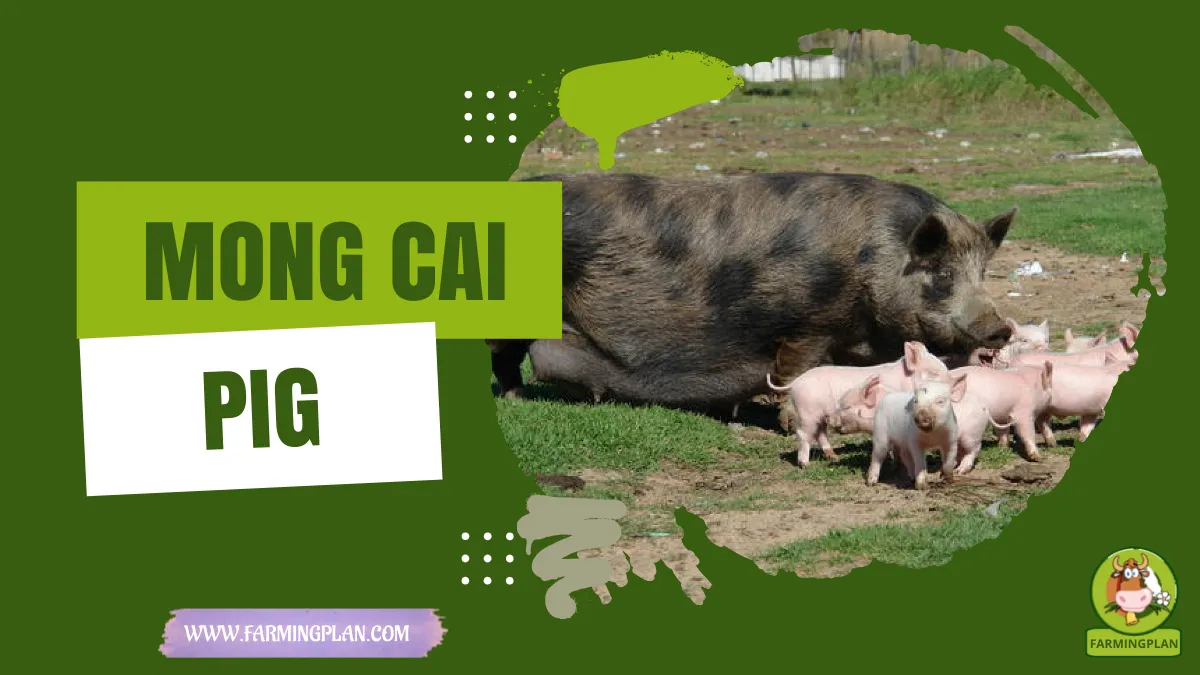
When you first walk up to a trại lợn Mong Cai, you can immediately identify these swine by their distinct coat pattern and unique physical structure. They display a striking black saddle across their back and rump, while their abdomen, legs, and face feature crisp white skin and hair. Their head is broad with a small, slightly dished snout, short ears that point forward, and distinctive wrinkle folds around the forehead. They possess a long body with a swayback profile and a deep, rounded belly that reflects their capacity for heavy forage consumption.
Physiologically, these pigs showcase incredible anatomical adaptations that support high nutrient absorption from fibrous diets. Research on their gastrointestinal tract reveals remarkable villus height and crypt density in the intestinal lining. This specialized gut anatomy promotes healthy bacterial fermentation and generates high levels of short chain organic acids, including acetate, propionate, and butyrate. These organic acids provide direct energy to the pig, allowing them to extract maximum value from non-starch polysaccharides and complex dietary fibre.
These swine typically reach a mature body weight between 100 and 120 kilograms, making them medium-sized compared to commercial white breeds. Sows possess between 12 and 14 well-developed teats, enabling them to nurse large litters effortlessly. Their skin is smooth, and their hooves are exceptionally tough, resisting foot rot and joint issues even in wet tropical pens. These physical adaptations make them a durable, low-maintenance option for farmers seeking maximum productivity with minimal capital investment.
Nature & Temperament of Mong Cai Pig
I always tell new livestock owners that working with this native breed is an absolute pleasure because of their calm and gentle temperament. Sows exhibit exceptionally tranquil behavior, making them extraordinarily safe to handle during farrowing and lactation. They rarely display aggression toward human caretakers or farm workers, which reduces stress for everyone on the homestead. Their docility makes them perfect for small farm families where children and elderly family members participate in daily feeding routines.
These pigs demonstrate remarkable social cohesion when housed in group pens or mixed farming systems. They establish peaceful herd hierarchies quickly without the destructive fighting often seen in aggressive exotic breeds. Their docile nature extends to their mothering instincts; sows take careful precautions not to crush their piglets when lying down in farrowing crates or open straw beds. This gentle demeanor drastically increases piglet survival rates without requiring expensive climate-controlled farrowing facilities.
Their adaptable mindset allows them to adjust smoothly to various housing environments, from simple open-sided pens to integrated crop-livestock farms. They remain relaxed during routine health checks, vaccinations, and weigh-ins, saving you valuable time and physical effort. If you value a peaceful barn atmosphere and easy-handling animals, this breed will fit seamlessly into your daily agricultural operations.
Food & Diet of Mong Cai Pig
Proper nutrition drives success in any swine enterprise, and feeding this native breed is remarkably cost-effective. These animals thrive on locally available forage and agricultural byproducts, reducing your dependency on expensive commercial swine feeds. A balanced daily feeding regime should combine fresh green fodder, energetic root crops, and natural protein supplements to support steady live weight gain and optimal gut health.
- Fresh Green Forage: Offer fresh water spinach and floating duckweed daily to supply natural vitamins, crude protein, and essential minerals.
- Energy Sources: Base your main energy ration on cooked rice bran, ensiled cassava roots, and sugar palm syrup to fuel daily metabolism.
- Protein Supplements: Enhance muscle development by blending groundnut cake, rubber seed meal, Cambodian rubber (Hevea brasiliensis) byproducts, and high-quality fish meal.
- Clean Water: Provide continuous access to fresh, clean drinking water to support digestion and temperature regulation.
Monitoring dietary balance protects your herd from metabolic issues while maximizing feed efficiency. Ensure you process ensiled cassava roots correctly to reduce natural cyanide content to safe levels before feeding. Maintain proper balances of crude protein, metabolizable energy, and crude fat to achieve optimal dry matter conversion rates. Avoid feeding spoiled kitchen waste, moldy grain, or untreated enteric bacterial pathogens sources that could introduce Salmonella, Escherichia coli, or Clostridium species into your herd.
To test protein quality in on-farm feeds, specialists often use pepsin/pancreatin incubation techniques to assess in vitro digestibility and N balance. High in vivo digestibility indices ensure that your pigs absorb essential amino acids efficiently, leading to optimal liveweight gain. By balancing local on-farm sources with proper mineral mixes, you build a resilient, budget-friendly feeding system that keeps your herd thriving year-round.
Usage & Purpose of Mong Cai Pig
The primary purpose of raising these swine centers on efficient meat production and profitable piglet breeding. Smallholder farmers rely on purebred sows as high-yielding maternal stock, selling healthy feeder pigs to regional fattening farms. Sows boast incredible longevity and lifetime productivity, often producing 10 to 12 strong litters over their operational lifespan without losing reproductive vigor.
In commercial meat production, farmers cross purebred sows with fast-growing boars to create high-performing hybrid pigs. These crossbred offspring inherit the robust disease resistance of the native mother and the rapid growth rates of the sire. The resulting pork features exceptional marbling, tender texture, and rich flavor, commanding top market supplied assessment prices in local markets like đặc sản địa phương butcher shops and premium urban grocery stores.
Beyond meat and breeding, these swine play an essential role in sustainable organic farming systems. Their nutrient-rich manure serves as valuable organic fertilizer for Improved Rice Productivity, vegetable gardens, and cash crops like the Artichoke tea production alliance model managed by enterprises like Ngoc Duy tea company. Integrating swine manure into crop fields closes nutrient loops, restores soil vitality, and increases overall farm profitability without relying on synthetic chemicals.
Special Features of Mong Cai Pig
What truly sets this pig apart from international breeds is its extraordinary digestive flexibility and innate disease resilience. Their specialized microflora and robust intestinal mucosal barrier protect them from common gastrointestinal disorders that devastate exotic herds. Their gut microbiota produces protective lactate and volatile fatty acids that naturally suppress harmful bacterial proliferation in the digestive tract.
- High Reproductive Rate: Sows achieve early sexual maturity and consistently produce large litters of healthy, energetic piglets.
- Superior Forage Digestion: Exceptional capability to convert low-protein, high-fibre green plants into high-quality animal protein.
- Robust Disease Immunity: Strong natural resistance against common tropical swine pathogens and environmental stressors.
- Heat & Humidity Tolerance: Outstanding physical stamina in hot, humid tropical climates where exotic swine struggle.
These genetic advantages reduce management costs and minimize the need for prophylactic pharmaceutical interventions. Their tough skin and dark coat pigmentation prevent sunburn and reduce susceptibility to external skin parasites. These unique strengths make them an ideal choice for low-input, ecological farming models that prioritize sustainability and animal welfare. Discover the ultimate Mong Cai pig care and farming guide. Learn simple feeding systems, breeding tips, and disease management strategies today.
Health Issues & Prevention of Mong Cai Pig
Maintaining robust herd health requires active bio-security practices, routine sanitization, and careful disease monitoring. While these native pigs possess strong immune systems, overcrowding, dirty pens, and poor nutrition can still expose them to infectious agents. Implementing a strict sanitation protocol ensures your farm stays productive, profitable, and free from dangerous disease outbreaks.
Common health challenges include enteric bacterial pathogens such as Salmonella, Escherichia coli, and Clostridium species, which cause scours and digestive upset in young piglets. Symptoms include watery diarrhea, lethargy, dehydration, loss of appetite, and sudden weight loss. To treat these infections, isolate affected animals immediately, administer oral rehydration fluids, and consult a qualified veterinarian for appropriate antimicrobial therapy.
Preventive care forms the foundation of long-term swine health management on any successful farm. Establish a regular vaccination schedule for major regional swine diseases, clean pens daily using reliable disinfectants, and enforce strict biosecurity for incoming livestock and farm visitors. Provide dry, draft-free bedding for young piglets, maintain optimal stocking densities, and store feed in sealed containers to prevent rodent contamination and mold growth.
“A Healthy Mong Cai Pig Brings True Joy And Everlasting Farming Success.”
Step-by-Step Farming Guide for Mong Cai Pig
Starting a successful swine enterprise with this breed requires thoughtful planning, proper infrastructure, and disciplined daily care routines. Following a structured management system ensures high piglet survival, efficient growth rates, and long-term farm profitability. Here is my complete step-by-step guide to setting up and running your own productive swine operation from day one.
Step 1: Pen Construction and Housing Setup
Designing a comfortable, well-ventilated pig housing unit is the first critical step for your herd’s success. Build your shelter on elevated ground with excellent drainage to prevent standing water and mud accumulation during heavy rains. Construct concrete floors with a light slope toward a central drainage channel; this design makes daily cleaning effortless and maintains high hygienic standards. Provide sloped roof overhangs to shield your animals from harsh sunlight and driving rain while allowing continuous cross-ventilation.
Partition your barn into dedicated pens for gestating sows, farrowing mothers, nursery piglets, and growing-fattening stock. Equipping farrowing pens with protective creep areas gives young piglets a safe warm zone away from the mother, drastically reducing crushing risks. Install durable concrete or stainless-steel feeding troughs along the pen front, ensuring each pig has adequate feed space. Connect automatic nipple drinkers to a clean water supply to ensure constant hydration without spilling water onto sleeping areas.
Step 2: Selecting Quality Breeding Stock
Selecting superior breeding stock determines the genetic potential, growth efficiency, and reproductive success of your farm. Choose young sows from large, healthy litters born to mothers with strong milking ability and docile temperaments. Look for females with broad backs, deep bodies, strong feet, and at least 12 to 14 evenly spaced, functional teats. Avoid selecting animals with weak pasterns, structural deformities, or signs of past respiratory illness.
When choosing boars, select healthy, active males with strong muscle conformation, clean eyes, and aggressive libido. If you plan to produce hybrid pigs for high-yielding pork markets, select a purebred Large White boar with proven health records. Quarantines newly arrived breeding animals in an isolated building for at least 30 days before introducing them to your main herd. This isolation period allows you to monitor for latent infections and perform necessary deworming and vaccination protocols safely.
Step 3: Farrowing Management and Piglet Care
Managing the farrowing process with care guarantees maximum piglet survival rates and strong early growth. Clean and disinfect the farrowing pen thoroughly one week before the sow’s expected due date. As farrowing approaches, provide dry, clean rice straw or wood shavings for nesting material to keep newborn piglets warm. Attend the birth if possible, gently wiping newborn piglets clean with cloth and ensuring their airways remain clear.
Dip each newborn piglet’s umbilical cord in a 7% iodine solution to prevent bacterial infections from entering the bloodstream. Ensure every piglet consumes warm colostrum within two hours of birth; this vital first milk supplies essential antibodies for passive disease protection. Keep the piglet creep area warm using heating lamps or thick bedding during the first week of life. Castrate male piglets intended for meat production within their first ten days to minimize stress and speed up recovery.
Step 4: Daily Feeding and Growth Management
Executing a consistent daily feeding regime optimizes growth rates and keeps feed costs under control. Feed your herd twice daily at regular times, combining high-quality green forage with nutritious energy and protein supplements. Adjust daily feed quantities based on age, body weight, and reproductive status; lactating sows require significantly higher energy and crude protein intake than dry gestating sows. Mix fresh water spinach or duckweed into daily mash feeds to boost dietary fibre and micro-nutrients naturally.
Monitor body condition scores regularly to ensure your breeding stock maintains ideal weight without becoming overly fat or thin. Weigh growing pigs monthly to track daily liveweight gain and feed conversion efficiency accurately. Clean feeding troughs after every meal to remove leftover wet feed before it ferments or spoils in warm weather. Always provide unrestricted access to fresh drinking water to maintain maximum feed intake and optimal metabolic digestion.
Step 5: Waste Management and Biosecurity Protocols
Implementing effective waste management and strict biosecurity safeguards your investment and protects the local environment. Collect swine manure daily and transfer it to a covered composting site or a farm biogas digester. Biogas systems convert swine waste into clean methane gas for cooking and light, while producing rich liquid fertilizer for garden crops. This sustainable waste loop eliminates foul odors, controls fly populations, and generates free renewable energy for your household.
Maintain strict biosecurity standards by limiting unauthorized visitor access to your pig pens. Install footbaths filled with fresh disinfectant at every barn entrance and require all workers to wear dedicated farm boots. Disinfect equipment, transport crates, and feeding tools routinely to prevent introducing pathogens like African Swine Fever or Salmonella. By establishing strict daily biosecurity habits, you preserve your herd’s health and secure stable farm income for years to come.
Read More: Blue of Sint-Niklaas Rabbit: A Rare and Beautiful Breed
Expert Tips & Best Practices for Swine Success fo Mong Cai Pig
- Ferment Local Feeds: Silo agricultural byproducts like cassava roots and green forage to increase shelf life and boost gut digestibility.
- Rotational Green Forage: Grow dedicated plots of water spinach and duckweed near your pens for a low-cost daily source of vitamins and minerals.
- Keep Pens Dry: Maintain dry floor surfaces in pig housing to prevent foot rot, skin infections, and fly breeding.
- Monitor Farrowing Early: Stay present during sow farrowing to assist weak piglets and secure quick colostrum intake.
- Use Biogas Digesters: Convert raw pig manure into clean cooking fuel and high-nutrient bio-fertilizer for farm crops.
- Maintain Herd Records: Log every birth date, litter size, vaccination record, and sale weight to track farm profitability accurately.
- Crossbreed for Meat: Mate purebred native sows with commercial white boars to produce fast-growing hybrid pigs for local butcher markets.
- Provide Clean Water: Clean automatic drinker nipples weekly to prevent sediment buildup and guarantee constant fresh water flow.
FAQs
What do Mong Cai pigs eat on smallholder farms?
These pigs consume locally available feeds such as water spinach, duckweed, rice bran, ensiled cassava roots, and agricultural byproducts. Farmers often supplement these diets with small amounts of fish meal or groundnut cake to boost crude protein levels.
How many Mong Cai Pig lets can a sow produce per litter?
A healthy sow typically gives birth to 10 to 12 piglets per litter, though larger litters are common with mature sows. They exhibit excellent mothering instincts and produce ample milk to rear large litters successfully.
Why are hybrid pigs created using this native breed?
Crossing native sows with exotic boars like Large White produces hybrid offspring with faster growth rates and lean meat composition. These crossbred pigs retain the natural hardiness and disease resistance of their native mothers while yielding higher market prices.
How do farmers manage disease prevention in pig herds?
Farmers prevent disease outbreaks by maintaining clean housing, enforcing strict biosecurity footbaths, and providing balanced feed rations. Regular vaccination and immediate isolation of sick animals protect the broader herd from bacterial pathogens like E. coli and Salmonella.
Are these swine suitable for commercial pork production?
Yes, they play a vital commercial role as purebred maternal stock for producing fast-growing crossbred pigs. Their low feed costs, high fertility, and environmental adaptability make them highly profitable for integrated farming operations.
Conclusion
Raising Mong Cai pigs offers an efficient, sustainable, and highly profitable pathway for modern livestock farmers and rural producers. Their incredible ability to convert inexpensive local forage into valuable animal protein makes them an unbeatable choice for low-cost farming systems. By applying structured housing design, proper dietary balancing, and proactive health biosecurity, you can build a resilient swine operation that produces high-quality pork year after year. These hearty animals represent the true power of heritage livestock when combined with smart, practical farming techniques. Start planning your herd upgrade today, and join the growing community of successful pig producers transforming local agriculture!


