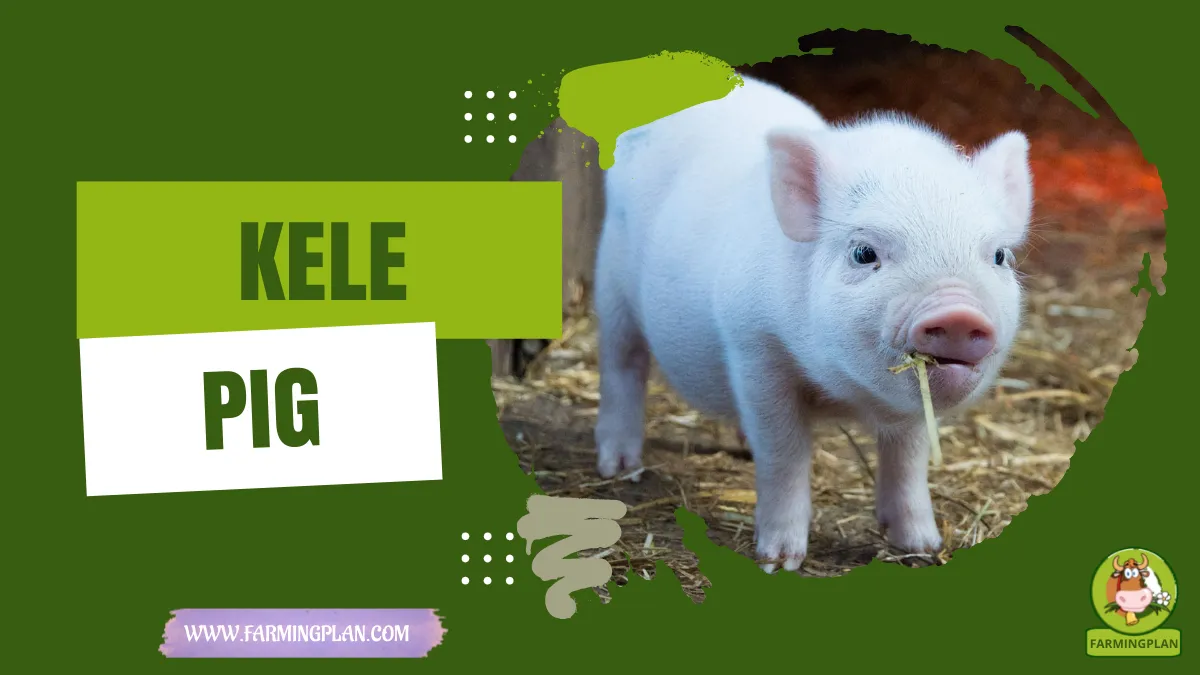
As a farming specialist, I have worked with many pig breeds over the years, but the Kele Pig stands out as one of the most fascinating indigenous pig breeds in China. This rare breed comes from Guizhou Province, China, and has attracted growing interest among researchers, breeders, conservationists, and commercial pig producers. The breed is known not only for its adaptability and reproductive performance but also for its remarkable genetic resources that contribute to meat quality traits, fertility, and disease resistance.
Modern studies involving whole-genome resequencing, single nucleotide polymorphisms (SNPs), Copy Number Variations, and phylogenetic analysis continue to reveal valuable information about the breed’s genomic characteristics. Scientists have investigated candidate genes such as COL9A1, COL6A5, COL4A3, COL4A4, JAK2, NTRK3, SOCS1, and Methyltransferase-like 23 (METTL23) to better understand reproductive traits, collagen metabolism, muscle development, and selection signatures. In this guide, I will share practical knowledge about the Kele Pig’s history, characteristics, temperament, and genetic importance while explaining why this unique breed remains a valuable part of the global pig breeding community.
History & Origin
The Kele Pig origin traces back to the mountainous regions of Guizhou Province, China, particularly around Nayong County and nearby areas in China’s southwest region. Local farmers have raised these pigs for generations, adapting them to rugged terrain, changing temperature conditions, and local feeding systems. Unlike many commercial breeds developed through intensive selection programs, Kele pigs evolved through long-term natural adaptation combined with traditional farming practices. If you found this guide helpful, share it with fellow farmers, leave a comment with your experience, and help spread awareness about the importance of conserving this unique and fascinating pig breed for future generations.
Ancient Roots in Guizhou Province
The breed belongs to Sus scrofa, the domestic pig species that includes hundreds of pig breeds worldwide. Historical records indicate that local communities valued Kele pigs because they could survive in challenging environments while maintaining good reproductive performance and acceptable meat quality. These characteristics helped the breed become an important agricultural resource for rural families.
Researchers now recognize Kele pigs as valuable genetic resources that deserve conservation efforts. Organizations such as Guizhou Nayong Kangtaida Ecological Animal Husbandry Co., Ltd. and regional breeding programs have contributed to preserving the breed’s unique genetic diversity.
Scientific Investigation of Kele Pig Genetics
Modern genomic research has dramatically increased our understanding of Kele pigs. Scientists have conducted extensive whole genome resequencing and whole-genome resequencing projects to investigate the breed’s genetic makeup. These studies focus on identifying SNP mutation loci, SNP molecular markers, single-nucleotide polymorphism patterns, and selection signatures that influence important production traits.
Researchers use advanced techniques such as Sanger sequencing, RT-qPCR analysis, GO enrichment analysis, KEGG pathway analysis, and functional genomics approaches. Through these investigations, scientists have discovered important relationships between specific genes and economically valuable traits.
The discovery of mutation sites including g.4806821 A > G, g.4804958 G > T, and g.4805082 C > T has provided useful information for marker-assisted selection programs. These findings help breeders identify animals with desirable reproductive and production characteristics.
Population Structure and Evolutionary Background
Another exciting area of research involves understanding the population structure and evolutionary history of Kele pigs. Scientists use haplotype analysis, linkage disequilibrium studies, and comparisons with other pig genomes to trace the breed’s development over time. Researchers have also examined the mitochondrial genome, often called the mitogenome, to better understand maternal ancestry. The mitogenome contains ribosomal RNA genes, transfer RNA genes, and other genetic elements useful for evolutionary studies.
Using neighbor-joining methods and phylogenetic analysis, scientists have compared Kele pigs with other Chinese and international breeds. These studies reveal unique evolutionary pathways and support ongoing conservation genetics efforts. Such research confirms that Kele pigs represent a valuable component of global pig biodiversity and should remain a priority for future breeding and conservation programs.
Read More: American Game Chicken: Remarkable Heritage Breed Guide
Characteristics
When I first encountered Kele pigs, one of the most noticeable features was their strong and balanced body structure. These pigs typically display a medium-sized frame with a sturdy build suited for traditional farming environments. Their bodies have developed through generations of adaptation rather than intensive commercial selection.
Physical Appearance and Body Structure
Most Kele pigs possess dark skin pigmentation, although variations may occur. Their appearance differs significantly from breeds such as the Duroc, Mong Cai pig, Mulefoot pig, or Albino pig varieties. While orange pigs and Duroc pigs often attract attention because of their color, Kele pigs are valued more for their adaptability and genetic qualities.
Their skeletal structure supports efficient movement in mountainous regions, and their muscular development contributes to acceptable carcass characteristics. Farmers often appreciate their hardiness and ability to perform well under diverse management systems.
Genomic Characteristics and Candidate Genes
One of the most exciting aspects of the breed involves its genetic architecture. Scientists have identified several important candidate genes associated with economically significant traits. These genes influence reproduction, growth, collagen formation, immunity, and muscle characteristics.
Research has highlighted genes such as:
- COL9A1
- COL6A5
- COL4A3
- COL4A4
- JAK2
- NTRK3
- SOCS1
- METTL23
These genes participate in various biological functions and signaling pathways. Some contribute to collagen synthesis, while others influence fertility, immune responses, and tissue development. Scientists also study protein-coding genes, DNA demethylation, RNA splicing, RNA methyltransferase activity, protein arginine methylation, histone H3R17 methylation, and N6-adenosine modifications. These molecular mechanisms help regulate gene expression and animal performance.
Collagen-Related Traits and Meat Quality
One particularly valuable research area focuses on collagen-related genes and collagen metabolism. Collagen plays a major role in determining muscle structure and meat quality traits.
Researchers have identified connections between:
- Collagen family genes
- Collagen subtypes genes
- Collagenic pig genes
- Collagen type VI α5
- Collagen type VI α5 gene
- Collagenic proteins
- Lamellar collagen formation
- Muscle collagen characteristics
- Collagen traits
These genetic factors affect tissue structure, tenderness, and overall meat quality. Scientists continue to investigate how mutations and gene expression patterns influence collagen synthesis and muscle development. Studies involving skin tissues and kidney tissues have improved our understanding of protein function loss and collagen regulation. Such findings may eventually help breeders improve meat production while preserving the breed’s valuable genetic diversity.
Nature & Temperament
From my experience working with traditional pig breeds, Kele pigs generally display a calm and manageable temperament. Their behavior reflects generations of adaptation to small-scale farming environments where close interaction with farmers was common. These pigs tend to remain alert without becoming excessively aggressive.
Their natural intelligence allows them to adapt to different housing systems and feeding routines. Farmers who handle them consistently often find them cooperative and relatively easy to manage. Their adaptability also helps them perform well under varying environmental conditions. Changes in temperature, housing arrangements, and feeding schedules typically cause less stress compared with some highly specialized commercial breeds.
Strong Maternal Instincts and Reproductive Behavior
One characteristic that attracts considerable research interest involves the breed’s reproductive performance. Studies examining reproductive traits, pig fertility, litter size, and reproduction in pigs suggest that Kele pigs possess valuable reproductive genetics. Researchers studying the placental transcriptome, follicle stimulating hormone activity, and associated regulatory mechanisms have identified several genes linked to reproductive success.
Candidate genes influence embryo development, fertility rates, and maternal performance. The breed’s reproductive advantages make it an important resource for future breeding programs. Scientists continue to investigate how molecular approaches and genomic selection can enhance reproductive efficiency while preserving genetic diversity.
Behavioral Adaptation and Environmental Resilience
Kele pigs have demonstrated strong environmental resilience throughout their history. Their ability to thrive under diverse management systems makes them attractive to conservation farms and sustainable livestock operations. Genetic studies reveal that several important signaling pathways contribute to adaptability and physiological regulation. Researchers frequently examine pathways such as:
- MAPK signaling pathway
- PI3K/Akt signaling pathway
- Jak-STAT signaling pathway
These pathways help regulate growth, immune function, stress response, and reproductive processes. Genes such as JAK2, NTRK3, and SOCS1 play important roles within these regulatory networks. Scientific investigations using RT-qPCR, Visualization tools, Data curation, Formal analysis, Conceptualization, and Methodology frameworks continue to uncover new insights about Kele pig behavior and biological adaptation. These discoveries strengthen our understanding of why this traditional Chinese breed remains an important resource for future livestock improvement and conservation efforts.
Food & Diet
As a farming specialist, I always remind new pig keepers that good genetics can only reach their full potential when pigs receive proper nutrition. Kele pigs may be hardy animals, but they still need balanced diets to support growth, reproduction, immune function, and meat quality traits. Their nutritional requirements change throughout life, from piglets and growers to breeding sows and mature boars.
In traditional farming systems throughout Guizhou Province, China, farmers often fed Kele pigs locally available grains, vegetables, roots, and agricultural by-products. While these feeds helped maintain the breed for generations, modern nutrition programs can improve growth rates and reproductive performance. I recommend combining energy sources such as corn and wheat with protein-rich ingredients including soybean meal and other quality feed components.
Understanding the Nutritional Needs of Kele Pigs
Water remains one of the most important nutrients. Fresh, clean drinking water should remain available at all times. Even short periods without adequate water can reduce feed intake and negatively affect health and productivity. Proper nutrition also supports gene expression and biological processes associated with important protein-coding genes, reproductive pathways, and metabolic functions.
Piglets require highly digestible feed rich in protein, vitamins, and minerals. During the early growth phase, balanced nutrition helps support muscle development, collagen formation, and healthy organ growth. Researchers studying collagen metabolism and collagen synthesis have shown that proper nutrition contributes to tissue development and overall performance.
Feeding Programs for Different Life Stages
Growing pigs benefit from carefully balanced rations that provide enough energy without causing excessive fat deposition. Breeding animals need specialized diets that support fertility, healthy pregnancies, and strong litter performance. Studies involving follicle stimulating hormone, placental transcriptome activity, and reproductive genetics suggest that nutrition plays a major role in reproductive success.
I often advise farmers to monitor body condition regularly. Overfeeding can reduce breeding efficiency, while underfeeding can limit growth and reproductive performance. Consistent feeding schedules also help reduce stress and improve digestive efficiency.
Feeding Dos and Don’ts for Better Results
Best Feeding Practices
- Provide balanced commercial or farm-formulated feed.
- Supply fresh water daily.
- Introduce dietary changes gradually.
- Store feed in dry, clean conditions.
- Monitor weight gain regularly.
- Include vitamins and minerals in feeding programs.
Mistakes I Avoid on My Farm
- Feeding moldy or spoiled feed.
- Allowing water shortages.
- Overfeeding breeding animals.
- Ignoring mineral deficiencies.
- Sudden feed changes.
- Feeding excessive kitchen waste.
Good nutrition strengthens immunity, supports reproductive traits, and helps maintain the valuable genetic potential that makes Kele pigs unique among modern pig breeds.
Usage & Purpose
Throughout my career, I have seen many pig breeds come and go in popularity. The Kele pig continues to attract attention because it offers a combination of adaptability, fertility, and genetic value. Historically, rural families raised these pigs primarily for pork production, household income, and food security. Unlike highly specialized commercial breeds, Kele pigs perform well in traditional farming environments.
Their ability to thrive under moderate management conditions makes them useful for small-scale producers. Farmers appreciate their resilience, efficient use of local feed resources, and ability to adapt to different climates and housing systems. Many agricultural communities still rely on indigenous breeds because they often handle environmental challenges better than imported commercial lines. This practical value helps explain why conservation efforts continue to focus on preserving Kele pig populations.
Importance in Genetic Research and Breeding Programs
One of the most significant modern uses of the breed involves scientific research. Researchers studying genomic characteristics, selection signatures, single nucleotide polymorphisms, and Copy Number Variations frequently use Kele pigs as valuable genetic resources. Through whole genome resequencing, scientists identify genes associated with fertility, growth, immunity, and meat quality. The breed contributes important information about:
- Marker-assisted selection
- Functional genomics
- Population structure
- Linkage disequilibrium
- Haplotype diversity
- Pig fertility
- Reproduction and selection
These discoveries support future breeding programs aimed at improving productivity while maintaining genetic diversity.
Contribution to Sustainable Agriculture
Kele pigs also play an important role in sustainable livestock production. Their adaptability reduces dependence on intensive production systems. Farmers can often raise them successfully using locally available resources and practical management techniques. Conservation genetics programs view the breed as an important reservoir of valuable genes that may help address future agricultural challenges.
As commercial pig populations become more genetically uniform, preserving unique breeds such as the Kele pig becomes increasingly important. Researchers continue investigating how genes such as METTL23, JAK2, NTRK3, and SOCS1 influence production traits. Their findings may benefit both conservation efforts and commercial breeding programs worldwide.
Special Features
One feature that immediately separates Kele pigs from many commercial breeds is their rich genetic diversity. Modern livestock industries often focus heavily on a limited number of highly selected lines. In contrast, Kele pigs retain valuable genetic variation that researchers consider extremely important for future breeding efforts. Studies involving whole-genome resequencing have identified numerous unique SNP mutation loci, SNP molecular markers, and selection signatures.
These discoveries provide insight into how the breed adapted to local environments over many generations. Genetic diversity supports long-term population health and reduces the risks associated with excessive inbreeding. This characteristic makes Kele pigs valuable not only for farmers but also for scientists working in conservation genetics.
Remarkable Collagen-Related Genetics
Researchers have devoted significant attention to the breed’s collagen-related characteristics. Studies involving COL9A1, COL6A5, COL4A3, and COL4A4 have revealed important links between genetics and tissue development.
Important areas of investigation include:
- Collagen traits
- Muscle collagen characteristics
- Collagen metabolism
- Collagen synthesis
- Collagenic proteins
- Lamellar collagen formation
- Collagen family genes
- Collagen subtypes genes
The collagen type VI α5 gene and collagen type VI α5 proteins may influence connective tissue development and overall muscle quality. These findings contribute to our understanding of meat quality traits and animal development.
Unique Reproductive Potential
Kele pigs have also gained recognition for their reproductive characteristics. Scientists investigating litter size, fertility, and reproductive performance continue to uncover important genetic factors affecting breeding success. Research involving the placental transcriptome, RNA splicing, DNA demethylation, RNA methyltransferase activity, N6-adenosine modifications, and protein arginine methylation helps explain how reproductive traits develop at the molecular level.
Mutations such as g.4806821 A > G, g.4804958 G > T, and g.4805082 C > T may serve as useful markers in future breeding programs. These genetic discoveries strengthen the breed’s importance as a valuable resource for livestock improvement.
“When a breed survives for centuries in a challenging environment, nature has already performed a powerful selection program. Smart farmers learn from that history rather than ignore it.”
Health Issues & Prevention
Although Kele pigs are generally hardy animals, they can still develop health problems if management practices fall below acceptable standards. Good genetics help, but proper care remains essential. In my experience, most health issues arise from poor nutrition, unsanitary housing, inadequate ventilation, or delayed veterinary care.
Common concerns include:
- Respiratory infections
- Digestive disorders
- Internal parasites
- External parasites
- Skin problems
- Reproductive disorders
- Nutritional deficiencies
Young piglets often face the greatest risks because their immune systems are still developing. Early disease detection greatly improves treatment outcomes.
Recognizing Early Warning Signs
I always encourage farmers to observe their animals daily. Healthy pigs remain active, alert, and interested in feed. Any sudden behavioral change deserves attention.
Warning signs may include:
- Reduced appetite
- Weight loss
- Fever
- Coughing
- Diarrhea
- Difficulty breathing
- Lethargy
- Skin irritation
- Poor reproductive performance
Scientists studying MAPK, PI3K/Akt, and Jak-STAT signaling pathways continue investigating how immune and stress-response systems function within pigs. These pathways help regulate biological responses to disease and environmental challenges. Research involving genes such as JAK2, SOCS1, and NTRK3 has improved understanding of immune regulation and physiological adaptation.
Prevention Strategies That Work
Prevention always costs less than treatment. I follow several key practices that significantly reduce disease risk:
Housing Management
- Keep facilities clean and dry.
- Provide proper ventilation.
- Avoid overcrowding.
- Maintain comfortable temperature conditions.
- Reduce stress during handling.
Health Management
- Follow vaccination schedules.
- Conduct regular parasite control.
- Isolate sick animals immediately.
- Work closely with veterinarians.
- Maintain accurate health records.
Nutrition and Biosecurity
- Feed balanced diets.
- Supply clean drinking water.
- Prevent contamination from wild animals.
- Disinfect equipment regularly.
- Control visitor access to pig housing areas.
Scientific investigations using RT-qPCR analysis, Sanger sequencing, Formal analysis, Data curation, Methodology, and advanced molecular approaches continue expanding our understanding of pig health and disease resistance. These discoveries help farmers improve management practices while supporting the long-term conservation and success of valuable breeds such as the Kele pig.
Step-by-Step Kele Pig Farming Guide
Over the years, I have learned that raising Kele pigs successfully requires much more than simply providing feed and water. This breed carries valuable genetic resources, unique reproductive traits, and important conservation value. When farmers understand proper management techniques, they can improve animal welfare, productivity, and long-term breeding success.
Many beginners assume that indigenous pig breeds can thrive without planning or management. While Kele pigs show excellent adaptability, they still need quality housing, balanced nutrition, disease prevention, and careful breeding programs. I always encourage farmers to approach pig production as a complete system rather than a collection of separate tasks.
A Practical Guide Based on My Farming Experience
Modern research involving whole genome resequencing, population structure, selection signatures, haplotype analysis, linkage disequilibrium, and marker-assisted selection continues to improve our understanding of the breed. However, daily management remains the foundation of successful farming.
In this step-by-step guide, I will explain exactly how I would establish and manage a Kele pig operation. These practical steps combine traditional livestock knowledge with modern farming principles. Whether you are a small-scale breeder, conservation enthusiast, or commercial producer, these recommendations can help you build a healthy and productive herd.
Step 1 – Select Healthy Breeding Stock
Start With Strong Genetics
The success of any pig farm begins with selecting quality breeding animals. I never purchase pigs simply because they appear inexpensive. Strong genetics influence fertility, growth, disease resistance, temperament, and overall productivity. When selecting Kele pigs, I look for active animals with good body condition, strong legs, bright eyes, healthy skin, and normal movement. Animals should show no signs of respiratory disease, lameness, or poor growth.
I also evaluate family history whenever records are available. Researchers studying single nucleotide polymorphisms, SNP mutation loci, and genomic characteristics emphasize the importance of preserving valuable genetic diversity. Selecting unrelated animals helps reduce inbreeding and supports long-term herd health.
Evaluate Reproductive Potential
Breeding stock should demonstrate strong reproductive performance. I pay close attention to:
- Litter history
- Piglet survival rates
- Maternal behavior
- Growth performance
- Structural soundness
- Fertility records
Modern studies involving pig fertility, placental transcriptome research, and reproduction and selection programs continue identifying genes associated with reproductive success. Candidate genes such as JAK2, METTL23, SOCS1, and NTRK3 may influence important reproductive traits. When possible, I purchase breeding animals from reputable conservation farms or recognized breeding programs. Quality foundation stock creates long-term benefits that far outweigh the initial investment.
Step 2 – Build Proper Housing and Environmental Conditions
Create a Comfortable Living Environment
Housing directly affects animal health, growth, and reproduction. Even though Kele pigs have adapted to challenging environments in Guizhou Province, China, proper housing improves productivity and reduces disease risks.
I prefer housing systems that provide:
- Dry flooring
- Adequate drainage
- Good ventilation
- Protection from extreme weather
- Easy cleaning access
- Comfortable resting areas
Poor housing often causes respiratory problems, stress, and reduced performance. Clean environments help maintain healthy animals while lowering veterinary costs. Temperature management remains important throughout the year. Piglets need warmer conditions than adult pigs. During hot weather, shade and cooling systems help prevent heat stress.
Focus on Biosecurity and Hygiene
Disease prevention begins with facility design. I always establish clear biosecurity measures before bringing animals onto the farm.
My standard biosecurity practices include:
- Restricted visitor access
- Footbaths at entrances
- Equipment disinfection
- Quarantine areas
- Rodent control
- Waste management systems
Researchers investigating MAPK, PI3K/Akt, and Jak-STAT signaling pathways have demonstrated how stress affects physiological functions. Clean and comfortable housing reduces environmental stress and supports immune function. Good facilities also simplify daily management tasks, making farming more efficient and enjoyable.
Step 3 – Develop a Balanced Feeding Program
Provide Nutrition for Growth and Reproduction
Nutrition drives productivity. I often tell new farmers that feed represents one of the largest expenses on a pig farm, but it also provides one of the greatest opportunities for success.
Kele pigs require balanced diets containing:
- Energy sources
- Protein
- Vitamins
- Minerals
- Clean water
- Fiber in appropriate amounts
Growing pigs need nutrition that supports muscle development and healthy growth. Breeding animals require additional nutrients to support fertility, pregnancy, and lactation. Research involving collagen metabolism, collagen synthesis, collagenic proteins, and muscle collagen characteristics highlights the relationship between nutrition and tissue development. Proper feeding helps animals express their genetic potential.
Monitor Feed Efficiency
I track feed consumption and weight gain regularly. This information helps identify problems before they become serious.
Useful management practices include:
- Feeding at consistent times
- Recording growth performance
- Evaluating body condition
- Adjusting diets when needed
- Monitoring water intake
Nutritional management becomes especially important during breeding and gestation. Well-fed sows generally produce healthier piglets and experience fewer reproductive complications. Balanced feeding supports not only growth but also the expression of valuable genetic traits identified through functional genomics and whole-genome resequencing studies.
Step 4 – Establish an Effective Breeding Program
Plan Breeding Decisions Carefully
Successful breeding requires planning and record keeping. Random mating often reduces genetic progress and may increase inbreeding over time.
I maintain detailed records covering:
- Birth dates
- Parentage
- Litter size
- Growth rates
- Health history
- Reproductive performance
These records help identify superior animals for future breeding decisions. Careful selection supports both productivity and conservation goals. Researchers studying selection signatures, QTLs, SNP molecular markers, and marker-assisted selection continue developing tools that improve breeding accuracy. While many small farms may not use advanced genetic testing, understanding family performance remains extremely valuable.
Preserve Valuable Genetic Diversity
One of the most important responsibilities of Kele pig breeders involves protecting the breed’s unique genetic heritage. Conservation genetics programs emphasize maintaining diversity rather than focusing solely on rapid production gains.
Studies examining:
- Population structure
- Haplotype diversity
- Linkage disequilibrium
- Copy Number Variations
- Mitochondrial genome variation
- Phylogenetic analysis
all support the importance of preserving genetic resources for future generations. I avoid excessive use of a single breeding boar and periodically introduce unrelated genetics when available. This approach helps maintain herd vigor while reducing the risk of genetic bottlenecks. A well-planned breeding program improves productivity, supports conservation goals, and helps ensure that future generations can continue benefiting from the remarkable characteristics of the Kele pig.
Step 5 – Monitor Health and Prevent Disease
Build a Strong Preventive Health Program
As a farming specialist, I always believe that preventing disease costs far less than treating it. Healthy Kele pigs grow faster, reproduce more efficiently, and provide better long-term value. Even though this breed has adapted to challenging environments, poor management can still lead to health problems. I begin every health program with routine observation. Spending a few minutes each day watching the pigs helps me identify problems before they become serious. Healthy pigs should eat well, move comfortably, interact normally with herd mates, and show no signs of respiratory distress.
I regularly inspect animals for:
- Loss of appetite
- Coughing
- Nasal discharge
- Skin irritation
- Lameness
- Weight loss
- Diarrhea
- Unusual behavior
Early detection often makes treatment easier and more successful.
Use Vaccination and Biosecurity Effectively
Vaccination programs vary by region, so I always work with a qualified veterinarian to develop a schedule appropriate for local disease risks. Vaccinations help protect breeding stock, piglets, and growing animals from common infectious diseases.
Biosecurity remains equally important. My disease-prevention system includes:
- Quarantine for new animals
- Restricted visitor access
- Equipment sanitation
- Rodent control
- Regular facility cleaning
- Safe disposal of waste materials
Modern research involving RT-qPCR analysis, Sanger sequencing, and advanced disease investigation methods continues improving our understanding of pig health. Scientists also study immune-related genes such as JAK2, SOCS1, and NTRK3 to understand disease resistance and physiological adaptation. A strong preventive program protects animal welfare while supporting long-term farm profitability.
Step 6 – Manage Reproduction and Farrowing Carefully
Prepare Breeding Animals for Success
Reproduction plays a central role in successful Kele pig farming. One reason researchers value this breed is its reproductive potential. Scientific investigations involving pig fertility, litter size, placental transcriptome analysis, and reproduction in pigs continue uncovering important genetic factors that influence breeding success.
Before breeding, I ensure that both boars and sows maintain proper body condition. Animals that are too thin or too overweight often experience reduced reproductive performance.
Breeding management includes:
- Selecting healthy parents
- Maintaining proper nutrition
- Recording breeding dates
- Monitoring reproductive cycles
- Providing stress-free environments
Good preparation increases conception rates and supports healthier pregnancies.
Provide Special Care During Farrowing
As farrowing approaches, I move pregnant sows into clean, comfortable areas designed for maternal care. Proper housing helps reduce stress and protects newborn piglets.
After birth, I monitor:
- Piglet nursing behavior
- Sow health
- Colostrum intake
- Piglet body temperature
- Signs of illness
Researchers studying genes associated with fertility and reproductive traits continue identifying useful markers that may support future marker-assisted selection programs. Strong reproductive management not only increases productivity but also helps preserve the valuable genetics that make Kele pigs an important breed within conservation and breeding programs.
Step 7 – Maintain Growth Records and Performance Data
Track Every Important Detail
One habit that has consistently improved my farming results is record keeping. Accurate records help identify strengths and weaknesses within the herd. They also support breeding decisions and improve overall management.
I maintain records covering:
- Birth weights
- Weaning weights
- Growth rates
- Feed consumption
- Health treatments
- Reproductive performance
- Mortality rates
This information helps me compare animals objectively rather than relying on memory alone. Modern researchers perform extensive Data curation, Formal analysis, and Visualization when studying pig populations. While farm records may not be as complex as scientific databases, they serve the same basic purpose: making better decisions based on accurate information.
Use Records to Improve Herd Quality
Performance records reveal which animals consistently produce superior results. Over time, this information supports selective breeding and herd improvement. Researchers studying QTLs, SNP molecular markers, and selection signatures use sophisticated genetic tools to identify valuable traits. Farmers can achieve similar goals by carefully monitoring production data.
Useful indicators include:
- Average daily gain
- Feed conversion efficiency
- Litter size
- Piglet survival
- Reproductive success
- Longevity
When I combine strong records with practical experience, I can make more informed breeding and management decisions that benefit the entire herd.
Step 8 – Support Conservation and Long-Term Sustainability
Protect an Important Genetic Resource
Kele pigs represent much more than a production animal. They are an important part of agricultural biodiversity. Conservation efforts help ensure that future generations can continue benefiting from the breed’s unique characteristics.Scientists conducting whole genome resequencing, mitogenome studies, and phylogenetic analysis have demonstrated the breed’s genetic importance. The mitochondrial genome contains valuable information about ancestry and evolutionary history.
Researchers have analyzed:
- Ribosomal RNA genes
- Transfer RNA genes
- Population structure
- Haplotype diversity
- Linkage disequilibrium
- Copy Number Variations
These studies support ongoing conservation genetics programs.
Build a Sustainable Future for the Breed
Sustainable farming requires balancing productivity with preservation. I encourage breeders to maintain genetic diversity and avoid excessive selection for a single trait.
Practical sustainability strategies include:
- Maintaining diverse breeding lines
- Sharing genetics responsibly
- Supporting conservation projects
- Keeping detailed pedigrees
- Avoiding excessive inbreeding
- Promoting responsible breeding practices
Organizations involved in conservation and breeding research continue working to protect Kele pigs and other indigenous livestock breeds. Their efforts help preserve valuable genetic resources for future agricultural development. By supporting conservation goals today, farmers can help ensure that this remarkable breed remains available for generations to come.
Expert Tips & Best Practices for Raising Kele Pigs
Practical Advice From My Experience
After years of working with livestock, these are the strategies I recommend most often:
- Choose breeding stock from reputable sources.
- Prioritize health over rapid growth.
- Keep detailed breeding records.
- Provide fresh water every day.
- Monitor body condition regularly.
- Avoid overcrowding.
- Follow a consistent feeding schedule.
- Quarantine new animals before introducing them to the herd.
- Maintain strong biosecurity practices.
- Work closely with a veterinarian.
- Preserve genetic diversity whenever possible.
- Select animals based on performance and health, not appearance alone.
- Invest in quality housing.
- Reduce stress during handling and transportation.
- Use modern breeding knowledge while respecting traditional farming practices.
My Most Important Tip
The best farmers pay attention to small details every day. Consistent management often produces better results than expensive equipment or complicated systems.
FAQs
What is a Kele Pig?
The Kele Pig is an indigenous Chinese pig breed from Guizhou Province. Farmers and researchers value it for its adaptability, reproductive performance, and genetic diversity.
What is the Kele Pig origin?
The breed originated in the mountainous regions of Guizhou Province, China. Local farming communities developed and maintained it through generations of traditional livestock management.
Why do scientists study Kele pigs?
Researchers study Kele pigs because they contain valuable genetic resources related to fertility, meat quality traits, collagen metabolism, and disease resistance. Their unique genome provides important information for breeding and conservation programs.
Are Kele pigs good for small farms?
Yes. Kele pigs adapt well to traditional farming systems and can perform successfully under moderate management conditions. Their hardiness makes them attractive to many small-scale producers.
How does the Kele Pig differ from Duroc or Mong Cai pigs?
Kele pigs differ in genetic background, appearance, adaptation, and reproductive characteristics. Unlike the Duroc and Mong Cai pig, the Kele Pig is especially recognized for its unique conservation value and indigenous Chinese heritage.
Conclusion
The Kele Pig represents an extraordinary combination of agricultural heritage, genetic diversity, reproductive potential, and environmental adaptability. From its origins in Guizhou Province, China, to modern studies involving whole genome resequencing, SNP molecular markers, collagen-related genes, selection signatures, and functional genomics, this breed continues to provide valuable insights for farmers and researchers alike. Throughout my experience, I have seen how proper nutrition, housing, health management, and responsible breeding can help these pigs thrive while preserving their unique genetic resources. Whether you are a breeder, livestock enthusiast, conservation supporter, or farmer seeking resilient pig breeds, the Kele Pig offers remarkable value.