I still remember the day I brought my first pair of black heritage pigs to my farm, and learning how to raise a Guinea Hog Pig transformed my homesteading journey completely. This small, gentle landrace breed from the American South changed my perspective on livestock because they thrive on pasture, clear brush efficiently, and provide delicious homestead meat without needing expensive commercial feeds. The American Guinea Hog offers incredible value to small-scale farmers, homesteaders, and permaculture enthusiasts who want self-sufficiency on limited space.
History & Origin Of Guinea Hog Pig
The history of the American Guinea Hog stretches back to the early days of American agriculture, when European settlers brought small black hogs from West Africa to the Southern colonies. Early Virginia farmers, including figures like Thomas Jefferson, appreciated these small, hardy animals for their ability to forage in oak and hickory forests. Over generations, these animals adapted into a distinct landrace breed that survived on forest acorns, roots, and farm kitchen scraps while producing essential lard and bacon for farm families.
By the mid-twentieth century, industrial agriculture began favoring large, fast-growing commercial pigs housed in specialized facilities. As a result, the population of traditional homestead hogs plummeted, placing the breed on the Threatened list tracked by the Livestock Conservancy and the FAO DAD-IS database. Dedicated breeders formed the American Guinea Hog Association to protect this genetically diverse heritage pig. Today, registry members across the East Coast and West Coast work together to preserve these valuable genetic traits for future generations.
Read More: Dairy Farming Made Easy: A Proven Sustainable Guide
Characteristics of Guinea Hog Pig
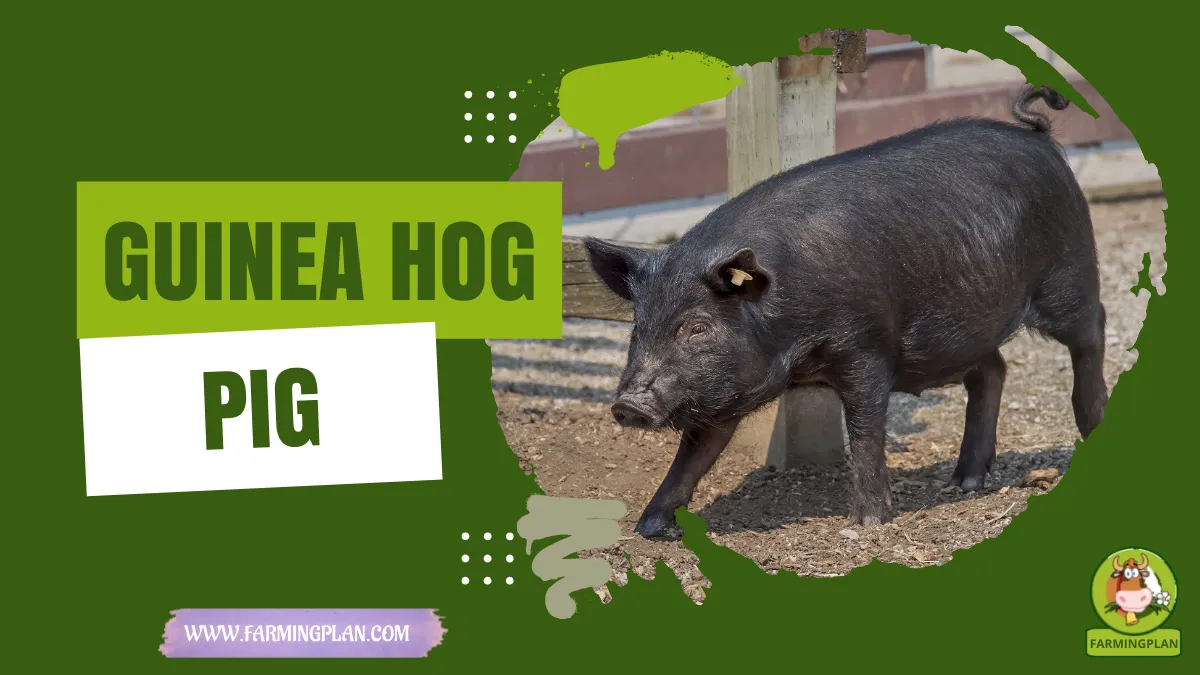
When you look at a full-grown American Guinea Hog, you will immediately notice its compact, sturdy body and solid black coat. Healthy adults usually reach an average American Guinea Hog weight of 150 to 250 pounds, making them much smaller than industrial breeds that easily exceed 600 pounds. They feature a slightly dished face, upright or slightly flopped ears, and a medium-length curly tail that moves constantly as they explore their environment.
Their anatomy built for thriftiness allows them to store back fat efficiently, making them an incredible lard pig that yields magnificent back fat, hams, and well-marbled pork chops. While some individuals carry a rare recessive gene that displays slight white markings on their feet or snout, the breed standard calls for a clean, dense black coat. Their smaller Guinea Hog size reduces strain on farm fencing, hog panels, and soil, preventing the severe land erosion often caused by massive commercial hog breeds.
Nature And Calm Temperament Of Guinea Hog Pig
In my years of farming, I have rarely encountered a pig breed with such a docile, friendly temperament as the Guinea Hog. Sows display wonderful maternal instincts during farrowing season, caring for their piglets calmly without showing aggression toward farm hands. Boars remain easy to handle, often walking right up to you in the pasture to receive a scratch behind the ears or listen to calm verbal commands.
This friendly disposition makes them fantastic lawn mowers, orchard weeders, and animal ambassadors for small homesteads, educational farms, and public spaces like the Roger Williams Park Zoo or local zoological parks. Kids and beginner farmers can safely learn livestock management around these animals because they lack the aggressive tendencies seen in wild boars or nervous commercial stock. Their calm nature ensures a peaceful farm environment where animals and humans work together seamlessly.
Food And Diet Of Guinea Hog Pig
Feeding your pigs a balanced, cost-effective diet is simple because these natural grazers excel at rotational foraging across varied pasture terrain. Unlike high-energy commercial pigs that demand constant streams of rich grain mixes, these pasture pigs thrive on lush clover, grasses, fallen fruit, and forest floor mast like acorns or hickory nuts. I supplement my herd’s diet with non-GMO grains, kelp meal for minerals, and fresh kitchen scraps from our farmstead garden.
Pasture & Forage: Fresh clover, native pasture grasses, and forest floor mast (acorns and walnuts).
Garden Surplus: Surplus vegetables, pumpins, squash, and clean kitchen scraps.
Mineral Supplements: Free-choice kelp meal and agricultural salt blocks.
Grain Supplementation: Small daily rations of whole or cracked grains to maintain weight during winter.
Water: Clean, fresh water available 24/7 for drinking and cooling.
You must avoid overfeeding high-calorie grains, as these efficient animals quickly convert excess carbohydrates into thick fat layers rather than balanced carcass meat. Do not feed them salty processed foods, raw beans, spoiled meat, or plants from the nightshade family. Providing access to clean water, farm compost, and diverse pasture keeps their digestion smooth and maintains healthy body weights throughout the year.
Versatile Purpose And Practical Usage Of Guinea Hog Pig
Homesteaders choose this versatile landrace breed because it fulfills multiple roles on a sustainable farm beyond standard meat production. Their active rooting behavior makes them natural tillers for turning garden compost, clearing overgrown brush, and assisting with forest restoration projects. Placing a small herd in an overgrown plot helps clear thickets and fertilizes the soil with nutrient-rich hog manure, preparing the land for future planting.
Lard & Fat Production: High-quality back fat perfect for cooking, baking, soap making, and skin remedies.
Charcuterie & Specialty Meats: Exceptional marbled pork ideal for pancetta, hams, bacon, and blood sausage.
Soil Management: Natural tilling and fertilizing for forest gardens and farm crop beds.
Pet & Show Stock: Docile companions for small acreage farms and regional livestock exhibitions.
From a culinary standpoint, the rich, dark meat features deep intramuscular fat that stays juicy during slow roasting or smoking. Curing experts value their hams and bellies for artisan charcuterie, pancetta, and traditional dry-cured meats. Whether you need an efficient weed-clearing crew or premium farmstead meat, this multi-purpose animal delivers exceptional value on very little input.
Special Features Of Guinea Hog Pig
One remarkable feature of this landrace pig is its natural resistance to common parasites and outdoor weather variations. Their thick black skin and dense coat protect them from sunburn, summer heat, and cold winter winds much better than light-skinned commercial hogs. Their superior foraging abilities allow them to extract vital nutrients from diverse roughage that other animals simply ignore.
Additionally, their long lifespan of 10 to 14 years gives breeders an extended window to build reliable breeding stock and preserve historic bloodlines. Famous genetic strains like the Old Crowe line and Higginson bloodlines showcase the breed’s deep genetic diversity and resilience. These traits allow small farms to maintain healthy, sustainable herds without relying on expensive medical interventions or climate-controlled barns.
Health Issues And Prevention Of Guinea Hog Pig
While this breed enjoys robust native health, proper husbandry practices are essential to keep your herd thriving year-round. Overeating remains their biggest health threat; excess weight leads to joint strain, reduced fertility, and lethargy. Regular weight monitoring and adjusted feeding schedules keep your animals lean, active, and productive across every season.
Obesity: Monitor grain intake closely to prevent joint issues and low fertility.
Internal Parasites: Rotate pastures regularly and utilize natural dewormers or targeted vet treatments.
Mange & Parasites: Provide clean mud wallows and apply natural oils to keep skin healthy.
Hoof Overgrowth: Ensure access to hard, rocky terrain or trim hooves manually if necessary.
Maintaining clean shelter, dry bedding, and rotational pastures breaks parasite life cycles naturally without heavy chemical use. Setting up a shaded wallow gives pigs a natural way to cool down, coat their skin, and eliminate biting flies during hot summer months. Simple, proactive care prevents most health issues before they ever start.
“A Smart Homestead Starts With The Humble Guinea Hog Pig.”
Step-By-Step Farming Guide Of Guinea Hog Pig
Raising a healthy herd requires careful planning, appropriate fencing, and simple daily routines tailored to the breed’s unique habits. Before bringing your first feeder quality stock or breeding pairs home, you must prepare your infrastructure, secure high-quality feed sources, and establish secure pasture boundaries. Following a structured system ensures your animals stay safe, healthy, and easy to manage through every growth stage on your homestead.
Step 1: Farm Setup And Secure Fencing
Setting up your farm infrastructure correctly prevents escapes and keeps your pigs safe from outdoor predators. Install heavy-duty hog panels or two strands of electric wire set at four and ten inches off the ground. Build a simple three-sided wooden shed packed with dry straw to shelter your herd from harsh rain, winter snow, and cold winds.
Designate a dedicated area for waterers and a shallow mud wallow for hot summer days. Ensure the ground drains well to prevent standing stagnant water near their main sleeping quarters. Having your housing and fencing ready before your animals arrive creates a stress-free transition for your livestock.
Step 2: Selecting Quality Breeding Stock
Sourcing healthy piglets or mature breeding stock from reputable breeders affiliated with the American Guinea Hog Association ensures strong genetics and good temperaments. Look for active piglets with bright eyes, clean skin, solid bone structure, and confident movements. Ask the breeder about the herd’s history, diet, and past farrowing performance to ensure you buy top-quality stock.
Avoid buying animals with weak pasterns, excessively wrinkled skin, or signs of respiratory trouble. Investing in registered stock from established lines like Old Crowe guarantees predictable growth rates and reliable mothering instincts. Good foundation animals lay the groundwork for a successful breeding program on your farm.
Step 3: Managing Daily Feed And Pasture Rotation
Establish a consistent daily feeding schedule that balances fresh pasture foraging with targeted grain supplementation. Move your herd to fresh pasture paddocks every two to three weeks to allow plant cover to recover and control parasite build-up. Offer fresh water daily and clean out feeding troughs regularly to prevent mold growth.
Supplement their pasture diet with fresh garden surplus, kitchen scraps, and minerals tailored to swine needs. Monitor each animal’s body condition weekly, reducing grain during lush spring growth and increasing energy feed during cold winter spells. Controlled feeding keeps your herd healthy and prevents unwanted obesity.
Step 4: Breeding And Farrowing Management
Manage your breeding cycle by tracking sow heat cycles, which occur roughly every twenty-one days once they reach maturity. Provide farrowing sows with a quiet, dry, straw-filled shelter free from cold drafts and aggressive herd mates. Monitor the birthing process quietly, allowing the sow’s strong natural mothering instincts to handle newborn care smoothly.
Ensure newborn piglets nurse quickly to receive essential colostrum during their first hours of life. Keep the farrowing area warm, clean, and dry to support early growth and protect tiny piglets from chilled conditions. Calm handling during farrowing builds strong trust between you and your breeding sows.
Step 5: Processing And Harvesting
Plan your butcher timeline based on your target meat and lard goals for the finished carcass. The optimal American Guinea Hog butcher age falls between 14 to 18 months, yielding a well-balanced carcass with rich muscle and premium back fat. Transport animals calmly or hire a mobile custom butcher to perform processing humanely on your farmstead.
Use traditional processing techniques like scalding or dip-scalding to preserve the nutrient-rich skin for traditional cuts. Process the meat into specialized charcuterie, high-grade leaf lard, bacon, and flavor-packed roasts for your family table or local customers. Respectful harvesting honors the animal and delivers incredible culinary rewards for your hard work.
Read More: Poultry Equipment Solutions elevate farm
Expert Tips And Best Practices for Guinea Hog Pig
Use Rotational Foraging: Shift pigs between paddocks every two weeks to rebuild pasture cover and control ground parasites naturally.
Control Portion Sizes: Limit heavy grain feeds to keep your herd lean, agile, and reproductively sound.
Build Mud Wallows: Create shallow shaded wallows during summer to keep pigs cool and protect their skin from insects.
Train With Food Treats: Use daily vegetable scraps and calm verbal commands to make moving your herd effortless.
Integrate Farm Systems: Run pastured chickens through pig paddocks after rotational moves to scratch manure and eat fly larvae.
FAQs
How long do Guinea Hog pigs live on average?
A healthy Guinea Hog pig live on average between 10 to 14 years when given proper care, low-stress living conditions, and a balanced diet.
What is the ideal butcher weight for an American Guinea Hog?
The ideal butchering weight ranges between 150 and 200 pounds, which produces high-quality marbled meat and rich lard.
Are American Guinea Hogs good for small homesteads?
Yes, their small size, calm temperament, and light impact on pastures make them perfect choices for small homesteads and permaculture farms.
How much land do you need to raise Guinea Hogs?
You can successfully raise a small herd of two to four pigs on just half an acre of well-managed pasture using rotational grazing practices.
Do Guinea Hogs require commercial grain feeds?
While they thrive primarily on fresh pasture, forage, and garden scraps, offering small daily rations of grain ensures balanced nutrition during winter.
Conclusion
Raising a Guinea Hog Pig on your homestead brings incredible self-sufficiency, sustainable land management, and top-quality farmstead meats directly to your family table. Their small size, docile nature, and exceptional foraging skills make them the ultimate heritage livestock choice for beginners and experienced farmers alike. By preserving this historic American landrace breed, you contribute to agricultural conservation while enjoying the many benefits of a resilient, multi-purpose farm animal. Have you ever considered adding these gentle black pigs to your pasture? Share your thoughts, ask questions in the comments below, or pass this guide along to fellow homesteaders looking to start their own pasture pig journey!