
I have spent decades working hands-on in swine husbandry, and I can tell you that few livestock breeds deliver the consistent performance of the German Landrace pig. Known scientifically as Sus scrofa domesticus, this exceptional heavy-built swine stands out among famous global varieties like the American Landrace pig, Norwegian Landrace pig, Finnish Landrace pig, and Belgian Landrace pig. In this complete guide, I will share my firsthand experience with German landrace pig characteristics, tracing their historical origin back to selective European breeding programs.
We will cover critical genetic traits like halothane sensitivity, the A-O blood group system, and porcine stress syndrome, along with key genetic markers like phosphohexose isomerase and 6-phosphogluconate dehydrogenase that influence meat quality. Whether you are expanding a commercial breeding herd, managing a small homestead, or researching genetic line improvement, my practical advice will help you manage diet, prevent disease, optimize housing setups, and master everyday herd care.
History & Origin of German Landrace Pig
The rich background of this remarkable breed began in the early twentieth century across central Europe. German breeders wanted to develop a superior bacon and meat producer that could thrive on local farms while offering exceptional carcass length. To achieve this, they crossed native local swine strains with imported Danish stock, creating a refined genetic foundation. Throughout decades of careful selective breeding, agricultural scientists carefully directed gene interaction patterns to enhance growth speed, mothering abilities, and overall lean meat production.
This careful approach transformed the breed into a cornerstone of commercial swine production across the continent. Over the years, scientific documentation has tracked this progress across international registries. Academic research platforms such as ResearchGate document how scientists analyzed blood protein polymorphism and blood group variations in these herds. Breeders focused heavily on identifying specific enzyme variants like 6-phosphogluconate dehydrogenase and phosphohexose isomerase to track lineage purity and stress factors.
Studies archived under the Online Mendelian Inheritance in Animals database (such as record OMIA:000117-9823) highlight how precise selection stabilized desired physiological traits over time. Today, researchers compare these records alongside data from Japanese Landrace pigs, Prestice pigs, and Lithuanian White pigs in publications like Livestock Production Science and Genetics Today. Through all these generations of research, the breed has preserved its strong legacy as a premier maternal and commercial pork line.
Read More: Gloucestershire Old Spots Pig: Amazing Heritage Breed
Characteristics of German Landrace Pig
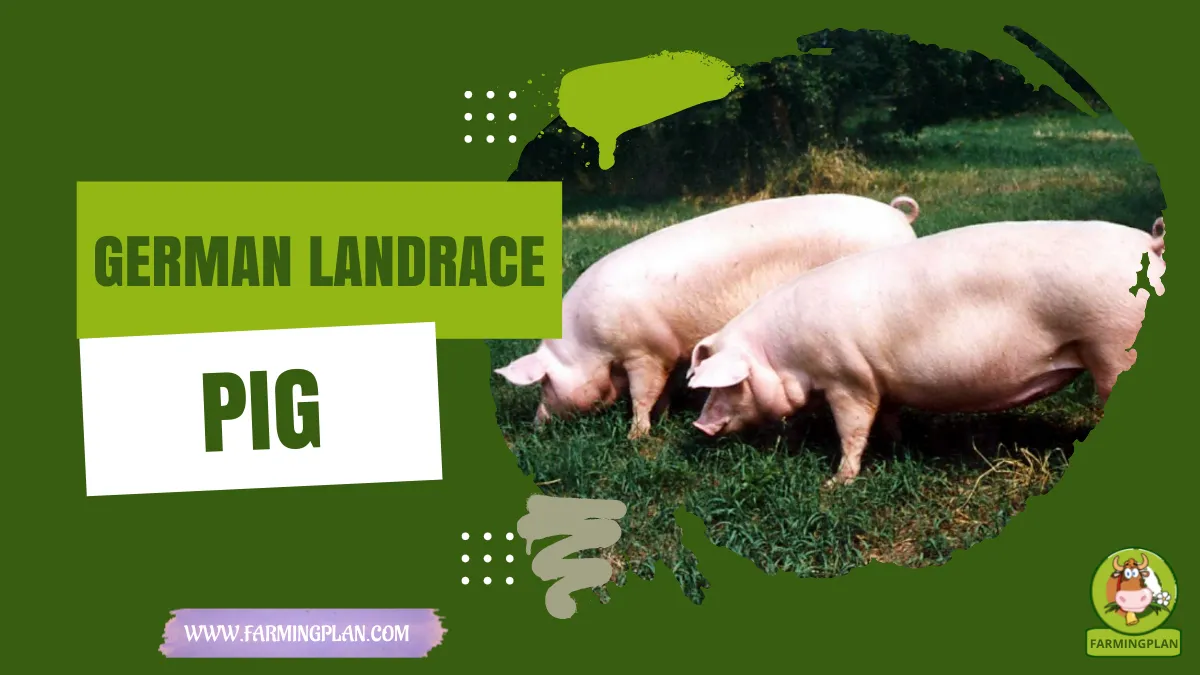
When you walk into my barn, the first thing you notice about these animals is their impressive size and clean white appearance. They feature a remarkably long, heavy rectangular body frame with a straight, muscular back and deep flanks. Their distinctive forward-drooping lop ears shade their eyes, protecting them during foraging, while their snout remains long and well-tapered. Sows feature strong, well-developed udders with at least seven pairs of functional teats, which support large, healthy litters. Boars routinely reach mature weights between 270 and 350 kilograms, while mature sows comfortably weigh between 200 and 260 kilograms.
Beyond physical structure, genetic characteristics play a huge role in day-to-day herd management. In my early years as a specialist, I learned how sensitive these animals can be to external stressors. Genetic variations linked to porcine stress syndrome and halothane sensitivity require careful monitoring in your herd. Blood protein profiling and analyzing the A-O blood group system help breeders select individuals with higher natural resilience. When you maintain a low-stress environment, these animals display exceptional vigor, strong feet and legs, and outstanding feed conversion ratios that make them a joy to raise on any farm.
Nature & Temperament of German Landrace Pig
Working directly with these animals every day has taught me to appreciate their exceptionally calm and steady temperament. Unlike some aggressive swine breeds that constantly fight or test pen fencing, these pigs display a mild, cooperative personality. Sows demonstrate incredible patience and mothering instincts, nursing large litters of piglets without becoming overly nervous or protective toward farm handlers. This easygoing demeanor makes routine handling, vaccinations, and health checks much safer and less stressful for everyone involved.
Their quiet personality makes them suitable for various farming setups, including commercial production units, family homesteads, and smallholder operations. Young stock adapt quickly to group housing systems because they rarely exhibit destructive behaviors or territory disputes. However, because they possess such a docile nature, you should avoid housing them alongside highly aggressive breeds that might bully them away from feed troughs. With gentle, consistent human interaction, these pigs quickly learn farm routines, making herd management smooth and rewarding for novice raisers and veteran herd managers alike.
Food & Diet of German Landrace Pig
The German Landrace pig stands out as a world-class swine breed praised for its incredible growth rate, maternal abilities, and lean meat yield. Proper nutrition is the cornerstone of successful swine management, and these fast-growing animals require a balanced, high-quality diet at every stage of life. Because they grow rapidly and yield exceptionally lean meat, their daily ration must contain optimal ratios of crude protein, essential amino acids (especially lysine), vitamins, and minerals. Fresh, clean water must be available around the clock through automated nipple drinkers, as a single lactating sow can consume up to 30 liters of water daily.
To maintain optimal herd health and avoid costly digestive issues, you should follow these essential feeding rules:
- DO: Provide specialized creep feed to young piglets starting at two weeks of age to ensure a smooth weaning transition.
- DO: Adjust feeder height regularly so feed remains clean, dry, and free from manure contamination.
- DO: Supply gestating sows with fiber-rich forage or high-fiber cereal grains to keep them feeling full and satisfied.
- DON’T: Offer moldy, spoiled, or sour feed, which can trigger severe digestive illness and reproductive failure.
- DON’T: Overfeed gestating sows, as excess body fat leads to complicated, difficult farrowing sessions.
- DON’T: Restrict clean drinking water at any point, especially during hot summer weather.
Usage & Purpose of German Landrace Pig
Raising this magnificent breed offers livestock producers an incredible opportunity to combine high reproductive performance with superior lean meat production. I primarily utilize this breed as an outstanding maternal line in commercial crossbreeding programs. Thanks to their high fertility and milk output, crossing a purebred sow with a Duroc or Large White boar produces hardy crossbred offspring with excellent growth rates and exceptional meat quality. The extra ribs in their long torso yield extra center-cut pork chops and premium bacon, making them top performers for commercial producers seeking high carcass value.
Beyond commercial crossbreeding, these animals play an important role on small homesteads and educational farms. Homesteaders value them because they efficiently convert farm grains and pasture forage into high-grade pork. Their calm, manageable nature allows small-scale raisers to handle farrowing and routine care without specialized heavy equipment. Whether you raise purebred animals to supply breeding stock to local producers or manage a finishing operation for direct-to-consumer meat sales, this versatile breed delivers strong financial returns.
Special Features of German Landrace Pig
What truly sets this breed apart from other swine varieties is its remarkable reproductive efficiency combined with exceptional body length. Sows routinely give birth to 12 to 14 strong piglets per litter and possess the milk capacity to raise them with minimal human intervention. With the right care, proper housing, balanced daily nutrition, and a low-stress management routine, the German Landrace pig will consistently reward your farm with large litters, rapid weight gains, and superior lean meat production for years to come. On a genetic level, these animals offer a fascinating look at selective animal breeding.
Their extra body vertebrae yield superior carcass lengths that yield high-value loin cuts and bacon slabs, giving livestock producers a distinct advantage at market time. Researchers studying blood group systems, such as the A-O blood group system and enzyme markers like phosphohexose isomerase, have helped refine herd stability over generations. Their white hide processes cleanly during slaughter, producing attractive, uniform retail cuts that consumers prefer. These combined traits make the breed an invaluable asset for modern pork production.
Health Issues & Prevention of German Landrace Pig
Maintaining robust herd health requires proactive preventive care, proper sanitation, and a solid understanding of potential breed vulnerabilities. Because these pigs carry solid white skin, they are particularly vulnerable to sunburn and skin lesions if kept in open, unshaded outdoor pens under direct sunlight. In my practice, I always emphasize biosecurity, routine vaccination, and strict pest control to protect animals from widespread swine diseases.
To keep your herd healthy and productive year-round, build your health routine around these essential practices:
- Implement Biosecurity: Restrict visitor access, sanitize equipment before entering barns, and isolate new stock for 30 days.
- Enforce Vaccination Schedules: Work with your veterinarian to vaccinate against erysipelas, parvovirus, and leptospirosis.
- Maintain Parasite Control: Treat the herd with oral or injectable dewormers twice a year to prevent intestinal worms.
- Provide Supplemental Iron: Give newborn piglets an iron injection within three days of birth to prevent severe anemia.
- Monitor Climate Control: Keep barn temperatures stable using automated ventilation fans and cooling misters during summer heat waves.
To Raise Exceptional Livestock, You Must First Understand The Mind, Genetics, And Quiet Resilience Of The Animal Under Your Care.
Step-by-Step Farming Guide of German Landrace Pig
Raising a thriving herd requires structured planning, proper infrastructure, and consistent daily attention. Follow this step-by-step guide to establish a successful swine operation on your farm. The German Landrace pig stands out as one of the most reliable, fast-growing, and highly efficient swine breeds available for modern livestock farming today. Known for its distinct long body frame, forward-drooping lop ears, and smooth white coat, the German Landrace pig delivers exceptional value whether you are focused on commercial crossbreeding, raising high-yield market hogs, or improving maternal genetic lines.
Step 1: Housing & Facility Setup
Preparing your farm infrastructure is the essential first step before welcoming livestock. You must build secure, well-ventilated housing that shelters animals from extreme weather while providing plenty of space to move around comfortable. Install insulated concrete floors fitted with slatted drainage channels to remove manure quickly and keep bedding dry. Provide at least 1.5 to 2.0 square meters of floor space per finishing pig, and set up dedicated farrowing crates fitted with creep heating pads to keep newborn piglets warm and safe from accidental crushing.
Step 2: Selecting Quality Breeding Stock
Your farm’s long-term success depends heavily on the genetic quality of your initial animals. Source your boars and gilts from reputable, disease-free breeding farms that maintain detailed health records. Look for animals with long, straight backs, clean white coats, strong feet, and sound leg joints that support heavy weights. Ensure gilts feature at least seven well-spaced, functional teats on each side of their underline. Avoid purchasing stock with a history of severe muscle tremors or inherited genetic defects.
Step 3: Farrowing & Piglet Management
Managing the farrowing process carefully ensures maximum piglet survival and growth. As your sow approaches her 115-day gestation mark, move her into a thoroughly disinfected farrowing pen equipped with guard rails. Stay present during birth to clear away fetal membranes from newborn snouts, dip umbilical cords in iodine solution, and ensure every piglet nurses warm colostrum within two hours. Administer an iron injection on day three, clip needle teeth if necessary to protect the sow’s teats, and introduce fresh creep feed by week two.
Step 4: Daily Feeding & Water Maintenance
Establishing a reliable daily feeding schedule keeps your herd growing rapidly and uniformly. Fill automated feed hoppers every morning with balanced commercial rations tailored to each age group’s specific protein needs. Inspect automatic water nipples daily to verify that water flows freely at clean, cool temperatures. Remove uneaten wet feed from troughs promptly to stop toxic mold from growing, and adjust feed quantities for gestating sows to prevent them from becoming overweight.
Step 5: Sanitation & Biosecurity Protocols
Keeping your facilities clean is your best defense against dangerous infectious diseases. Daily manure removal, combined with weekly pen scrubbing using approved agricultural disinfectants, keeps bacterial loads low. Maintain dedicated footwear and clothing specifically for swine pens, and set up footbaths filled with disinfectant at every barn entrance. Keep wild animals, rodents, and stray pets out of feed storage areas, and record every medication administration in a farm logbook.
Read More: Natural Way to Feed Goats: A Variety of Plants and Grasses in a Pasture
Expert Tips & Best Practices for German Landrace Pig
After decades of managing high-performing herds, I have collected several practical strategies that save time, reduce overhead costs, and boost overall farm productivity:
- Use Low-Stress Handling Techniques: Move pigs quietly using sorting boards rather than shouting or using electric prods, as stress negatively impacts meat quality.
- Monitor Barn Humidity: Keep indoor humidity levels between 50% and 70% to prevent respiratory infections during cold winter months.
- Batch Farrowing Groups: Synchronize sow breeding cycles so groups farrow together, allowing you to clean and sanitize entire barn rooms between batches.
- Optimize Creep Feed Placement: Place creep feed troughs near bright lights in farrowing pens, as curiosity encourages young piglets to try solid food sooner.
- Track Feed Conversion Rates: Weigh sample groups monthly to calculate your feed conversion ratio, catching nutritional gaps before they hurt your profits.
- Provide Physical Enrichment: Hang durable cotton ropes or plastic bowling balls in grower pens to satisfy natural rooting instincts and stop tail-biting.
FAQs
What are the main characteristics of a German Landrace pig?
This breed features a long, muscular torso, unicolored white skin and hair, and large drooped ears that lean forward over the face. Sows demonstrate exceptional mothering abilities with high milk production, while both boars and sows exhibit strong growth rates and lean carcass yields.
How fast do these pigs grow to market weight?
Under proper nutrition and management, young pigs grow rapidly and reach a market weight of 90 to 110 kilograms in roughly five to six months. Their excellent feed conversion ratio makes them one of the most efficient commercial breeds available today.
Are German Landrace pigs suitable for outdoor pasture farming?
While they can adapt to outdoor setups, their white skin makes them vulnerable to severe sunburn and heat stress under direct sunlight. You must provide deep shade structures, mud wallows, and plenty of fresh water if you raise them outdoors.
What is the average litter size for a Landrace sow?
A healthy sow typically farrows between 10 and 14 healthy piglets per litter. Thanks to their minimum of 14 functional teats and strong milk output, they can easily raise large, uniform litters through weaning.
What genetic conditions affect this breed?
Historically, some lines carried genes responsible for porcine stress syndrome and halothane sensitivity, which triggered sudden muscle tremors under stress. Modern selective breeding programs have largely eliminated these issues, creating hardy, stress-resistant animals.
Conclusion
Raising German Landrace pigs offers a rewarding and profitable venture for modern livestock producers. From their early genetic development in central Europe to their current position in modern pork production, these white lop-eared pigs consistently prove their value in the barn. By building proper housing, delivering balanced nutrition, enforcing strict biosecurity, and using low-stress handling methods, you can unlock the full economic potential of your herd. Whether you want to upgrade your maternal crossbreeding lines or launch a new farm venture, this versatile animal delivers outstanding results every time. Master German Landrace pig care with expert tips on genetics, feeding, health, and housing.


