Welcome to my farm! Over the years, I have raised many different breeds, but Piedmontese cattle hold a special place in my heart. Originating from the scenic hills of Northern Italy, these animals stand out because they blend ancient history with impressive genetics. They carry a unique mutation within the myostatin gene that produces incredibly lean, tender beef without compromising health or flavor. In this guide, I will share my personal experience with Piedmontese cattle for sale, their traits, diet, and care requirements so you can decide if this Italian-heritage breed fits your homestead or commercial operation.
History & Origin of Piedmontese Cattle
I remember the first time I researched the deep history of this remarkable breed. The story of Piedmontese cattle began thousands of years ago in the Alpine Hills of Northern Italy. Ancient Zebu cattle migrated from Pakistan and crossed with the native European Aurochs, known scientifically as Bos Taurus and Bos primigenius. This natural crossbreeding created a hardy herd that adapted perfectly to rugged mountain valleys like Canavese, Della Langa, and Demonte.
As local farmers worked with these herds, they noticed remarkable physical changes over generations. By the late 1800s, a natural frame-shift mutation occurred on bovine chromosome 2. This 11-bp deletion in cDNA modified the TGF-beta superfamily pathways. In simple terms, it created hypertrophic muscle growth. Italian breeders formed ANABORAPI to track herd records and safeguard the breed standard. Today, organizations like Lone Creek Cattle Company keep these historic lines pure across North America.
Read More: Meishan Pig Care Guide: Discover Remarkable Swine Secrets
Characteristics of Piedmontese Cattle
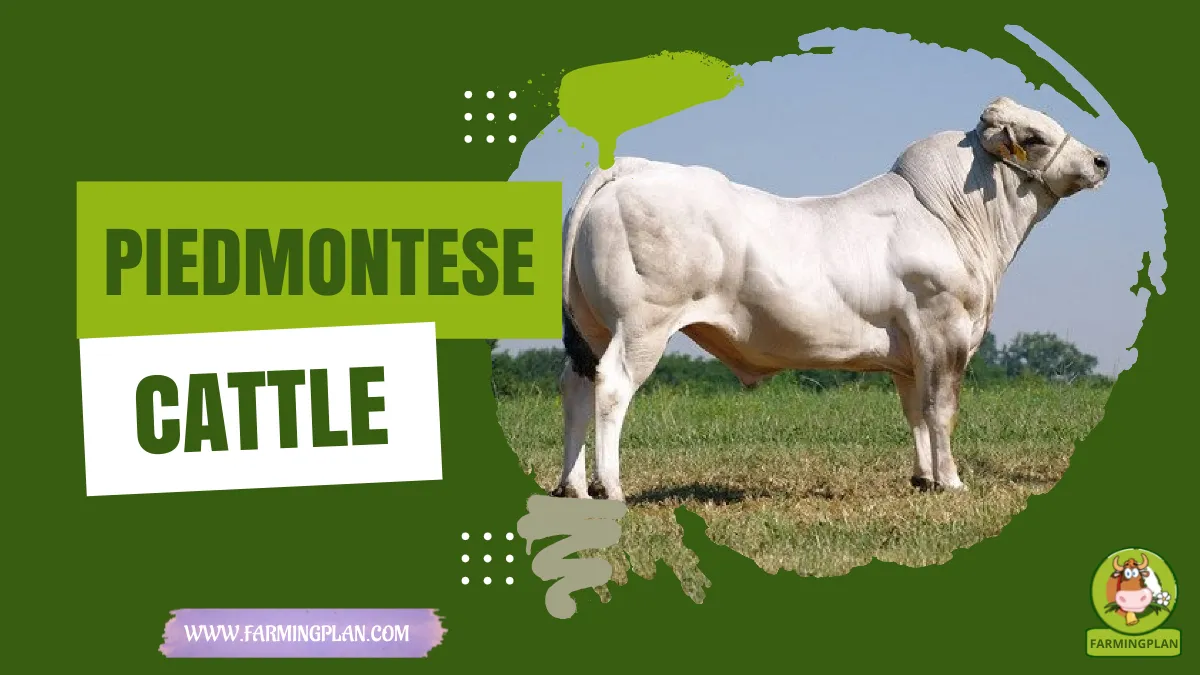
When you look at a Piedmontese bull, you instantly notice its powerful build. Calves are born with a light fawn or tan coat that shifts to a striking gray-white color as they mature. Bulls develop darker coal-black hair around their eyes, neck, shoulders, and legs. Their horns grow outward and forward, though many modern ranchers select polled lines for safer handling.
The most famous trait of this breed is double muscling, also known as groppa di cavallo in Italy. This muscular hypertrophy increases the number of individual muscle fibers in cuts like the longissimus thoracis. Unlike breeds such as Belgian Blue, which can suffer from excessive connective tissue, Piedmontese cattle produce fine, tender meat fibers. Females maintain refined frames, while adult bulls reach impressive weights that yield outstanding dressing percentages at harvest.
Nature and Temperament of Piedmontese Cattle
People often ask me if these muscular animals are aggressive. I always smile and tell them that my Piedmontese herd is one of the calmest groups on my property. Despite their intense physical appearance, these cows display a sweet, gentle disposition. They build strong bonds with their caretakers and respond wonderfully to low-stress handling methods.
Their calm personality makes daily farm chores much safer and easier. Mother cows protect their calves attentively without showing unnecessary hostility toward farm hands. Bulls remain manageable in pasture settings when you treat them with steady respect. This tranquil nature reduces stress levels across the entire herd, which directly improves overall animal welfare and meat tenderness.
Food, Nutrition, and Diet of Piedmontese Cattle
Proper nutrition keeps your cattle healthy and strong throughout every season. I feed my herd a clean diet centered on high-quality forage, fresh pasture grasses, and clean water. Because these animals feature superior feed conversion efficiency, they utilize nutrients far better than standard commercial cattle. You get maximum growth without needing excessive grain inputs.
I strictly avoid synthetic hormones, steroids, and unnecessary preventive antibiotics in my management plan. Whether you raise Grass-fed Piedmontese Beef or finish your stock on natural grains, always maintain clean water sources. Many Midwest producers draw pure water from the Ogallala Aquifer to keep pastures lush. Provide balanced minerals to support bone health and keep their coat looking bright.
Usage and Farming Purpose of Piedmontese Cattle
Farmers choose this breed for two primary reasons: incredible meat quality and efficient crossbreeding. The beef features exceptional tenderness, low cholesterol, and high levels of essential vitamins and minerals. Consumers actively seek out Certified Piedmontese Grass Finished beef because it offers a healthy, protein-rich meal with lower fat content than traditional Angus or Wagyu cuts.
In crossbreeding programs, a purebred bull transmits improved muscle yields and calf vigor to native cows. Commercial ranchers use them to increase dressing yields while keeping calving difficulty low. Beyond meat production, their historic dual-purpose background means some traditional farms still value them for rich milk production used in artisanal specialty cheese.
Special Features of Piedmontese Cattle
The true secret behind this breed rests in its unique DNA profile. The active myostatin gene restriction limits fat deposition inside the muscle while increasing total lean mass. This process creates high marbling appearance through fine structural density rather than heavy outer waste fat. As a result, steaks like the Smoked Tomahawk Ribeye or Sirloin Filets stay juicy and tender without extra lipid bulk.
Another huge benefit is high dressing percentage at slaughter. You get more salable beef per animal compared to standard cattle breeds. Independent bodies like Where Food Comes From, Inc., IMI Global, and Non-GMO Project verify these high standards. Farms following the Never Ever Program show consumers that natural animal care produces superior, Paleo-Certified meat.
Health Issues, Prevention, and Care of Piedmontese Cattle
Every livestock owner must stay vigilant regarding herd health. While Piedmontese cattle demonstrate natural hardiness and adaptability to cold mountain slopes or warm plains, their rapid muscle growth requires active management. I inspect my herd daily to spot early signs of distress, injury, or respiratory issues.
Calving ease is remarkably high because calves are born with fine bones and lighter birth weight. However, double-muscled lines can occasionally present reproductive problems if breeding stock is improperly selected. Maintain clean barn stalls, rotationally graze pastures, and work with a licensed veterinarian to establish a routine vaccination schedule that shields your herd from common bovine viruses.
Raising Piedmontese Cattle Brings True Joy To Every Dedicated Farmer’s Life.
Step-by-Step Farming Guide for Raising Piedmontese Cattle
Starting a herd requires clear planning, proper facilities, and steady care routines. I have built my farm step by step over many years, and I want to share my practical setup roadmap with you. Follow these foundational guidelines to create a healthy, profitable environment for your new animals.
Step 1: Land Preparation and Secure Fencing
Setting up your land correctly prevents escape attempts and protects your valuable forage. I allocate at least two acres of fertile pasture per mature cow-calf pair to support sustainable rotational grazing. Prepare your fields by clearing toxic weeds and sowing high-protein grass mixtures like alfalfa, clover, and orchard grass. Build sturdy perimeter fences using high-tensile wire or heavy-duty steel panels. Pay extra attention to gate latches and corner posts near handling alleys. Piedmontese cattle respect boundaries when well-fed, but solid fences keep bulls secure during breeding seasons and shield your pastures from overgrazing.
Step 2: Barn Facilities and Shelter Setup
Your cattle need adequate protection from extreme weather, strong winds, and freezing rain. I build open-faced shed shelters facing south to capture natural sunlight while blocking cold northern gusts. Provide at least 50 square feet of covered space per animal inside communal resting areas. Line your barn floors with thick, clean straw or wood shavings to protect their joints and keep coats dry. Ensure proper roof ventilation to pull ammonia fumes out of the building. Clean bedding reduces bacteria buildup, lowers calf pneumonia risks, and keeps your herd comfortable all winter long.
Step 3: Purchasing Certified Stock and DNA Verification
Acquiring quality foundation animals determines your long-term ranch success. I always recommend buying from reputable breeders who register their animals with ANABORAPI or national associations. Inspect individual animals for sound structure, straight toplines, and calm temperaments before closing any deal. Request official DNA testing certificates that confirm the presence of the specific myostatin gene mutation. Verify source verification documents from program auditors like IMI Global. High-quality starter stock guarantees better offspring, higher meat yields, and excellent return on your initial investment.
Step 4: Daily Feeding and Pasture Rotation Management
Establish a consistent daily feeding routine to maintain calm behavior and stable growth rates. Move your herd through divided pasture paddocks every few days to keep forage fresh and allow grazed sections time to regrow naturally. Offer high-quality grass hay during winter months when pastures rest. Keep clean mineral blocks rich in calcium and phosphorus near water troughs at all times. Fresh, clean water intake keeps digestion running smoothly and promotes optimal feed conversion.
Step 5: Herd Health Monitoring and Seasonal Care
Proactive health checks stop small issues before they become major farm emergencies. Walk through your pastures every morning to observe your cattle while they graze or rest quietly. Look for bright eyes, clear nostrils, and steady movement across the field. Schedule bi-annual health visits with your veterinarian for routine vaccinations, parasite controls, and breeding soundness exams. Keep detailed digital records for every animal, tracking birth dates, weights, and health interventions to maintain full herd traceability.
Read More: Deoni Cattle: Master The Ultimate Hardy Breed
Expert Tips & Best Practices for Success
“Treating your livestock with patience and respect yields the finest results on the farm.”
- Use low-stress livestock handling techniques to keep animals calm during movements.
- Test your soil annually to optimize pasture grass mineral content.
- Keep detailed genetic records to prevent unwanted inbreeding within small herds.
- Partner with local butcher shop outlets to sell specialty cuts directly to consumers.
- Provide continuous access to fresh water sourced from clean wells or natural springs.
- Monitor first-time heifers closely during their initial calving period.
- Offer shade structures in sunny pastures to reduce summer heat load.
- Promote your eco-friendliness and sustainable practices to local farm markets.
FAQs
What makes Piedmontese cattle beef so tender?
Piedmontese beef achieves superior tenderness through a natural genetic mutation in the myostatin gene. This mutation produces finer muscle fibers and less connective tissue throughout every cut. As a result, the meat remains lean and tender without relying on heavy surface fat.
Are Piedmontese cattle difficult to calve?
Despite their heavy adult muscle structure, Piedmontese cows generally experience very easy calving. Calves are born with slender bone frames and modest birth weights before growing rapidly. Unassisted birth rates remain very high across well-managed herds.
How much do full-grown Piedmontese cattle weigh?
Mature bulls typically weigh between 1,800 and 2,200 pounds when fully grown. Adult cows usually weigh between 1,100 and 1,400 pounds depending on forage availability. Their high muscle-to-bone ratio yields outstanding processing weight.
Can you crossbreed Piedmontese bulls with other cows?
Yes, crossing a purebred bull with breeds like Angus or Hereford produces excellent commercial calves. The resulting offspring inherit improved muscle yield, lower fat levels, and high growth rates. Ranchers use this strategy to raise overall beef quality quickly.
What do Piedmontese cattle eat?
These cattle thrive on natural pasture grasses, clean hay, and fresh water. They boast high feed conversion efficiency, allowing them to grow well on basic forage diets. Many producers raise them on grass-fed protocols without synthetic hormones or unnecessary antibiotics.
Conclusion
Raising these remarkable animals offers a rewarding path for farmers who want to produce lean, flavorful beef using sustainable methods. Their calm temperament, high dressing yield, and unique genetic history make them a standout choice for homesteads and large ranches alike. By providing clean pastures, solid shelters, and attentive care, you can build a thriving herd that delivers premium beef to your local community. If you are ready to upgrade your livestock operation, explore local sales listings today, connect with certified breeders, and share your experience with fellow cattle enthusiasts! Discover how Piedmontese cattle transform your farm. Learn about their unique traits, care needs, diet, and top beef quality from an expert rancher.