When I first walked through the dusty fields of Western India, I fell in love with Deoni cattle. As a seasoned livestock specialist, I often tell smallholders and commercial dairy farmers that finding a resilient dual-purpose herd changes everything. Deoni cattle give farm owners a wonderful combination of dependable work power and nutrient-dense milk yield.
In this ultimate guide, I share my personal hands-on experience working alongside these beautiful animals across different seasons. You will learn how this resilient dual-purpose breed thrives on modest feed, handles heavy thermal load, and boosts your farm income. Discover amazing facts about Deoni cattle! Learn expert tips on history, care, feeding, and milk yield for total success on your farm.
History & Origin of Deoni Cattle
I remember my early visits to the Balaghat range in Latur district, Maharashtra, where this iconic animal originated. Local breeders across the Marathwada region, including areas like Aurangabad and Deglur, carefully developed this heritage animal over centuries. They needed an animal that could endure sudden weather changes and rough terrain while maintaining high productivity traits.
Genetic Blends and Heritage Foundations
The true beauty of this animal comes from its rich genetic background. Traditional farmers skillfully crossed native stock with elite breeds like Gir, Dangi, and the famous Ongole. This thoughtful combination created a hardy, drought resistant breed capable of handling severe environmental stress. Historical performance recording shows how this lineage spread across neighboring states, establishing a foundation of genetic improvements that modern breeders still cherish today.
Read More: Ankamali Pig Guide: Learn Essential Breeding Advice Today
Characteristics of Deoni Cattle
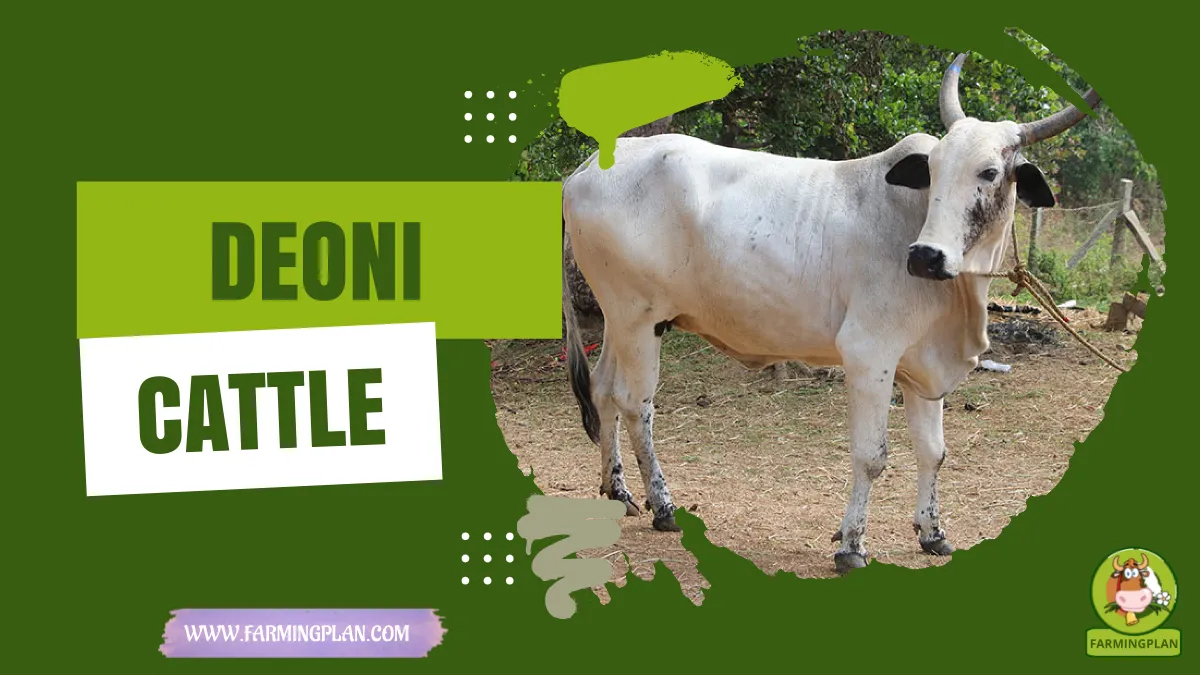
Whenever people visit my farm, they immediately notice the eye-catching appearance of these animals. You will find three distinct color variations in the herd: Wannera (clear white with black sides), Balankya (pure complete white), and Waghyd or Dongarpati (white with black speckles). Some animals display partial albinism, which gives them a unique look against lush green pastures or dry fields.
Unique Physical Attributes and Build
I always admire their prominent, bulbous forehead and drooping ears that shield their eyes from intense sunlight. Both the Deoni bull and the Deoni cow female carry strong, curving horns that sweep backward and upward. Their deep chest, well-developed hump, and sturdy limbs allow them to pull heavy farm machinery without showing signs of fatigue.
Temperament & Gentle Nature of Deoni Cattle
Many beginners ask me if managing a large bull feels scary or dangerous. I always reassure them because this breed possesses an extraordinarily calm and docile nature. My young farm hands easily handle the cows during daily milking routines. The gentle demeanor makes them ideal for family farms where kids and older family members assist with chores.
Dependable Work Ethic in the Field
The male animals show remarkable discipline when working in dusty fields. They walk with steady determination under scorching summer skies without becoming stubborn or aggressive. This peaceful personality saves you time, prevents stressful barn incidents, and creates an enjoyable farm environment for everyone involved.
Food & Diet of Deoni Cattle
Feeding your herd correctly ensures high milk production and maintains strong body condition. I feed my stock a balanced blend of dry fodder like sorghum stover, combined with fresh green grass such as hybrid Napier or berseem. During peak lactation milk yield stages, I add a custom concentrate mix rich in protein and energy. Never neglect essential minerals in your daily feeding routine. I keep mineral licks and clean water troughs accessible at all times to avoid digestive trouble.
Usage & Dual Purpose of Deoni Cattle
Avoid feeding moldy hay or sudden diet shifts, as these mistakes trigger sudden drops in milk yield and cause stomach bloating. While many farmers value exotic crossbred cows, I appreciate the superior quality of native milk. A healthy cow provides a steady milk yield ranging between 800 to 1,500 kilograms per lactation. People cherish this milk for making traditional cultured ghee, rich curd, and Heritage Churned butter using the authentic bilona method.
Powerhouse Draft Strength for Farmers
This milk contains A2 beta-casein proteins, making Deoni Cow Ghee a favorite item in Ayurvedic rituals and health-conscious households. Beyond the dairy parlor, these draft animals perform miracles in heavy agricultural operations. Farmers rely on strong oxen for deep plowing, hauling heavy carts, and tilling rugged soil. Their multi-purpose utility ensures that every animal on your land contributes directly to farm revenue.
Special Features of Deoni Cattle
One of the greatest advantages I see in my daily work is their heat tolerance. While crossbred cows suffer from severe heat stress when ambient temperature and relative humidity spike, native cattle remain comfortable. Advanced genomic studies on the Hsp90AA1 gene and HSP90AA1 promoter show how their body regulates heat shock protein production. This genetic advantage protects cellular function during peak summer months.
Natural Immune Strength and Genetic Superiority
Their tough hide and dense skin act as physical barriers against biting insects and tick-borne diseases. Molecular characterization studies revealing tri-nucleotide repeat loci and low homozygosity rates prove their high disease resistance genes. You spend significantly less money on commercial medications and specialized treatments compared to sensitive European breeds.
“True Wisdom In Livestock Farming Begins With Choosing A Resilient Heritage Breed That Thrives Under Any Sky.”
Health Issues & Smart Care of Deoni Cattle
Even the hardiest animals need proper health safeguards. Foot-and-mouth disease (FMD) poses a serious threat to unvaccinated herds in tropical regions. I always monitor my cattle for early symptoms like mouth blisters, sudden lameness, high fever, or drop in daily appetite. High somatic cell count in milk can signal early mastitis, so keeping clean bedding is critical.
Timely Vaccination and Preventive Steps
You must follow a strict vaccination schedule to maintain strong herd immunity. Administer the FMD vaccine regularly and track immunity levels at 21 to 30 dpv (days post-vaccination). Keep your barn dry, clean manure daily, and run routine blood samples to check biochemical parameters like glucose, creatinine, and thyroid hormones.
Step-by-Step Farming Guide of Deoni Cattle
Managing a successful livestock enterprise requires a clear blueprint. I built this comprehensive step-by-step guide from decades of field experience to walk you through setup, care, and daily operations.
Step 1: Constructing Shelter and Comfort Facilities
Building a comfortable housing unit protects your investment from harsh winds and heavy monsoon rains. I design open-sided sheds that promote natural air circulation while keeping the floor dry and slip-resistant. Ensure every cow gets at least 40 square feet of standing space and proper drainage gutters. Install shade nets or plant broad-leaf trees around the perimeter to lower the temperature relative humidity index during blistering summers.
Step 2: Selecting Quality Breeding Stock
Choosing healthy foundation animals sets the tone for your entire dairy operation. When I inspect prospective animals, I evaluate their genetic purity, body depth, udder attachment, and foot structure. Check official performance recording registers from reliable sources like the Information Network for Animal Productivity and Health. Avoid animals showing signs of germplasm erosion or extreme structural defects. Look for bright eyes, supple skin, and a broad chest floor.
Step 3: Managing Daily Milking and Nutrition Routine
Establishing a consistent daily schedule keeps your cows relaxed and increases total milk yield. I milk my herd twice daily at exact twelve-hour intervals after thoroughly washing the udder with clean warm water. Provide a balanced diet containing coarse roughage, green fodder, and quality protein meal. Adjust concentrate rations according to parity and exact stage of lactation to support peak milk production traits without compromising body weight.
Step 4: Maintaining Disease Prevention and Herd Health
Consistent sanitation routines stop infectious pathogens long before they spread through your barn. I wash feeding troughs daily and spray non-toxic disinfectants across stall floors once a week. Work closely with your local veterinarian to collect routine blood samples for health screening. Maintain accurate records of all vaccinations, deworming cycles, and reproductive events to ensure long-term herd productivity.
Read More: Balien Eu Goose Care Guide: Proven Success
Expert Tips & Best Practices For Deoni Cattle
- Use local agricultural waste like crop residues to lower total feed costs while providing high-fiber diets.
- Practice selective breeding using superior bulls to boost genetic improvements and milk production traits in future generations.
- Provide clean, shaded resting areas to lower thermal load and keep your herd comfortable during summer heat waves.
- Process pure milk into value-added products like cultured ghee to double your farm revenue streams.
- Keep detailed individual logs for every animal to track milk yield, breeding dates, and health history accurately.
FAQs
How much milk does a Deoni cow produce per day?
A well-managed cow produces around 4 to 8 liters of high-quality milk per day under standard farm conditions. Peak lactation yield can reach higher levels with optimized concentrate feeding and good herd management.
Where did the Deoni cattle breed originate?
This breed originated in the Marathwada region of Maharashtra, India, specifically around the Balaghat hill range in Latur district. Farmers carefully bred them to handle tough agricultural tasks and provide milk in dry climates.
What are the main physical colors of Deoni cattle?
They display three main color patterns: Wannera (white with black sides), Balankya (pure white), and Waghyd or Dongarpati (white with black spots). They also feature a prominent bulbous forehead and wide drooping ears.
Are Deoni cattle good for heat and drought conditions?
Yes, they possess exceptional heat tolerance and thrive in dry, hot environments with minimal water and basic fodder. Their genetic makeup allows them to maintain productivity even when weather conditions cause heat stress in other breeds.
What is the average cost or price of a Deoni cattle?
The price varies based on age, milk yield capacity, pedigree, and health status, generally ranging between 40,000 to 80,000 Indian Rupees. Elite breeding cows or prize-winning draft bulls can command much higher market values.
Conclusion
Raising Deoni cattle provides smallholders and commercial farm owners with a reliable path toward sustainable, profitable farming. These majestic animals combine deep historical strength with modern production value, giving you superior heat tolerance, disease resistance, and rich A2 milk. I encourage you to take the next step in your agricultural journey by visiting a local breeding center, connecting with experienced cattle keepers, or sharing this guide with fellow farmers today!