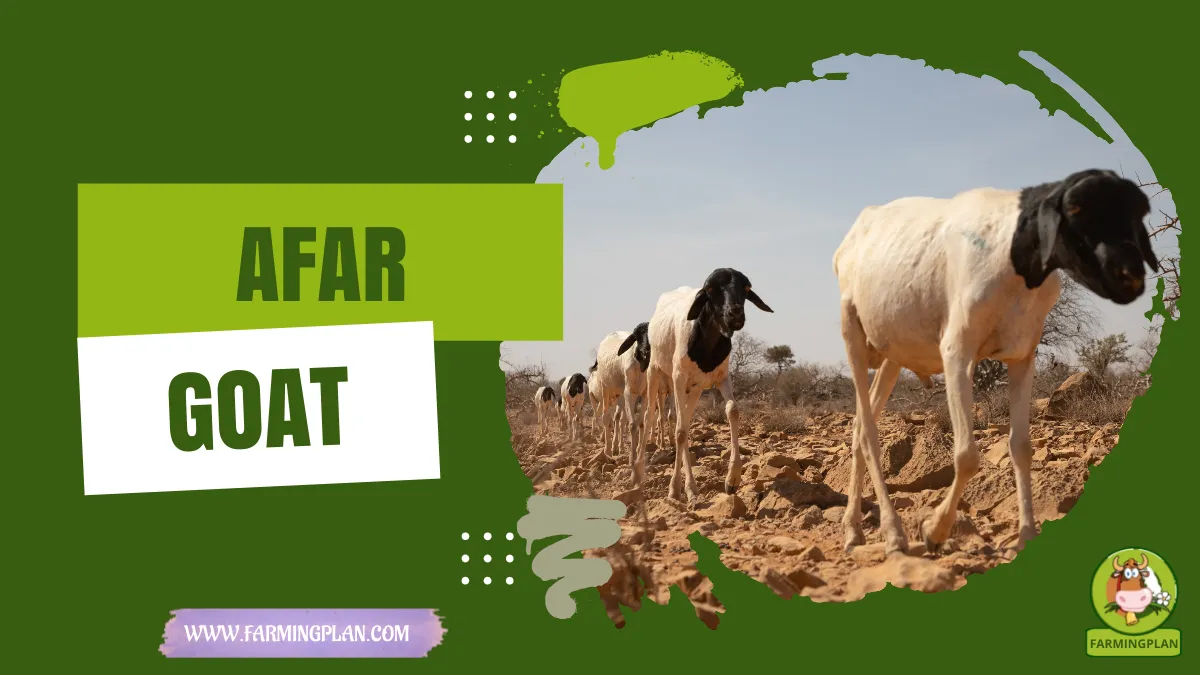
The Afar Goat stands out as one of the toughest livestock breeds in East Africa. I have worked with goats in dry climates for many years, and I always admire how these animals survive harsh environments where many other breeds struggle. Farmers across the Afar Region, Eritrea, Djibouti, and parts of Ethiopia value these goats because of their hardiness, resilience, adaptability, and strong reproductive abilities. People also call this breed the Indigenous Afar Goat, Danakil goat, or sometimes connect it with the Adal goat population.
These goats graze on grasses, shrubs, trees, legumes, and rough vegetation in extreme weather conditions around the Horn of Africa country regions. Their strong muscles, excellent body conformation, and ability to travel long distances make them highly useful for meat production and milk yield.In this guide, I’ll share my practical experience about Afar goat characteristics, feeding strategies, disease prevention, farming methods, and healthy livestock management in a simple and friendly way that every farmer or goat lover can understand.
History & Origin
The Afar Goat developed naturally in the dry and semi-arid regions of East Africa. The breed mainly comes from the Afar Region of Ethiopia, though many goat herds also live in Djibouti and Eritrea. Nomadic farmers from the Afar people raised these goats for centuries because they needed animals that could survive limited water and poor forage conditions.
The environment in this region shaped the breed into a highly adaptable grazer. The goats learned to travel long distances for food and water. Their ability to handle heat, rough terrain, and drought helped them become one of the most dependable livestock breeds in the area. Farmers often kept them alongside Camel and sheep herds for better survival during dry seasons.
Reads More: Arabian Honey Bee Amazing Survival Guide
Traditional Farming Culture And Distribution
I’ve studied livestock systems connected to FDR Ethiopia and pastoral communities, and I noticed how important goats remain in daily life. Families use Afar goats for meat production, milk, trade, and income generation. Some communities even use goats during cultural ceremonies and social exchanges. The breed spread into neighboring regions like Hararghe and other dry grazing lands because farmers appreciated its versatility and productivity.
Researchers from institutions such as Samara University and agricultural departments continue studying the breed’s performance, milk yield, and reproductive traits to improve local livestock quality. Today, many farmers outside Africa also study Afar goats because climate change pushes livestock owners to search for breeds with better adaptability and resilience.
Characteristics
When I first handled an Afar goat herd, I immediately noticed their lean but muscular body structure. These goats usually have medium-sized frames with strong legs and firm muscles that support long-distance grazing. Their body conformation helps them survive rocky and dry environments. Most Afar goats have short hair with colors ranging from white, brown, red, black, or mixed patterns.
Some goats show spotted markings around the abdomen and neck. Their ears often appear medium to long, and both males and females may carry horns. Adult bucks generally weigh between 70 to 110 lbs, while females stay slightly lighter. Their lightweight frame helps them move quickly across harsh grazing areas without losing energy.
Adaptability And Productive Traits
One thing I truly respect about this breed is its ability to survive difficult climates. These goats tolerate high temperatures and poor-quality forage much better than many imported breeds. They browse on shrubs, grasses, trees, and rough vegetation that other goats may refuse to eat.
Farmers appreciate the breed because of these desirable traits:
- Strong disease resistance
- Excellent grazing habits
- High reproductive abilities
- Good meat quality
- Moderate milk yield
- Fast adaptation to harsh climates
- Strong mothering instincts
The Afar Goat may not produce huge amounts of milk like specialized dairy breeds, but its reliability makes it valuable for small farmers and nomadic communities.
Nature & Temperament
Afar goats behave differently from many commercial breeds I’ve raised. These animals stay alert, active, and very intelligent. They quickly learn grazing routes and often lead themselves toward available forage areas. They enjoy moving in groups and maintain strong herd behavior. In large goat herd systems, I’ve seen them cooperate naturally while searching for food.
Their social habits help them survive predator threats and extreme weather conditions. These goats also show impressive curiosity. Young kids explore their surroundings constantly, and adult goats adapt quickly to changes in feeding systems or shelter conditions.
Temperament Around Farmers
Although Afar goats stay energetic, they usually remain manageable when farmers handle them calmly. Gentle communication and regular interaction improve their behavior. I always advise farmers to avoid shouting or rough treatment because stress lowers productivity and weakens immunity.
Their temperament suits:
- Small family farms
- Meat production systems
- Extensive grazing systems
- Mixed livestock farming
- Dryland pastoral farming
Because of their adaptability and hardiness, beginners can also manage this breed successfully with proper guidance and regular monitoring.
Food & Diet
The Afar Goat survives mainly through browsing and grazing. In their natural habitat, they consume grasses, shrubs, trees, legumes, and dry vegetation. Their digestive system handles fibrous forage very efficiently.
I usually recommend farmers provide:
- High-quality forage
- Alfalfa
- Clover
- Dry hay
- Mineral supplements
- Clean water
- Salt blocks
- Vitamin-rich feed
A diet rich in fiber, minerals, and vitamins supports healthy weight gain, milk yield, fertility, and overall well-being.
Smart Feeding Practices For Better Productivity
I’ve learned that feeding strategies matter more than expensive feed. Farmers should adjust the diet based on age, climate, pregnancy, and workload. Young goats need protein-rich feed for muscle growth. Pregnant females require more minerals and energy. Breeding bucks benefit from balanced nutrition before mating seasons.
Avoid these feeding mistakes:
- Moldy forage
- Dirty water
- Sudden diet changes
- Overfeeding grain
- Lack of minerals
- Wet feeding areas
During drought periods, I often use tree leaves and preserved forage to maintain herd productivity. Regular access to clean water also protects digestion and prevents dehydration.
Usage & Purpose
Most farmers raise Afar goats mainly for meat production. Their lean muscles and fast growth create strong market demand in many African regions. Local traders often prefer these goats because they tolerate transportation stress better than delicate breeds.
The breed supports:
- Rural income
- Food security
- Household savings
- Emergency cash needs
- Local livestock markets
In many villages, goats act almost like a living bank account. Farmers sell animals during medical emergencies, school payments, or drought seasons.
Milk, Breeding, And Multi-Purpose Value
Although the breed mainly serves meat purposes, many families also depend on the milk yield for nutrition. Goat milk provides protein and energy in areas where cows struggle to survive.
Breeders value Afar goats for:
- Crossbreeding programs
- Genetic adaptability
- Heat tolerance
- Strong fertility
- Healthy offspring
Their versatility makes them useful in both traditional and modern farming systems across East Africa and beyond.
Special Features
One reason I admire Afar goats is their ability to survive where many livestock breeds fail. Their resilience allows them to tolerate:
- Extreme heat
- Long dry seasons
- Limited forage
- Rough terrain
- Low water access
This survival ability helps farmers continue livestock production during climate challenges.
Strong Reproductive And Survival Traits
The breed also shows excellent reproductive abilities. Females often produce healthy kids with fewer birthing problems compared to larger exotic breeds.
Special features include:
- Strong maternal instincts
- Quick adaptation
- Efficient grazing habits
- Disease tolerance
- Long walking endurance
- Low maintenance needs
These characteristics make the breed ideal for farmers seeking sustainable livestock systems with lower management costs.
Reads More: Anhui Goose Powerful Farming Secrets
Health Issues & Prevention
Common Diseases In Afar Goats
Even tough goats face health problems if farmers ignore proper care. I regularly monitor my goat herd for common diseases such as:
- Coccidiosis
- Foot rot
- Ecthyma
- Internal parasites
- Respiratory infections
- Inflammation problems
Symptoms may include weight loss, diarrhea, coughing, limping, poor appetite, or skin sores. Quick attention prevents the spread of diseases through the herd.
Prevention And Veterinary Care
Healthy livestock management always works better than emergency treatment. I follow strict prevention methods to protect my animals.
Important preventive steps include:
- Vaccinations
- Deworming schedules
- Clean shelter conditions
- Dry bedding
- Regular monitoring
- Proper nutrition
- Isolation of sick goats
- Routine veterinarian visits
Farmers should contact Vet Help services whenever goats show unusual behavior or rapid health decline. Home Care remedies sometimes help minor issues, but professional veterinarian support remains very important. I also check weight gain regularly because sudden weight loss often signals hidden disease problems.
Step-By-Step Farming Guide
When I started raising hardy goat breeds, I realized success depends on planning, patience, and daily care. Afar goats survive harsh climates naturally, but proper management improves productivity, milk yield, meat quality, and breeding performance. Many new farmers think these goats can survive without attention because they look tough.
That belief creates major farming problems later. I always tell beginners that successful goat farming combines nutrition, shelter, disease prevention, and careful monitoring. Farmers should understand grazing behavior, feeding systems, breeding cycles, and environmental stress factors before building a herd.
Afar goats work best in open grazing systems where they can move freely and browse shrubs, grasses, and trees. Their natural adaptability makes them easier to manage than some imported breeds, but farmers still need a strong routine. Below, I’ll explain the practical step-by-step system I personally follow to raise healthy Afar goats in difficult climates.
Step 1 – Selecting Healthy Afar Goats
I always begin by choosing strong and healthy stock. Good breeding animals improve the entire herd for many years.
When selecting goats, I check:
- Bright eyes
- Strong legs
- Healthy hair coat
- Active movement
- Proper body conformation
- Good appetite
- Healthy teeth
- Clean nose and ears
Avoid goats with limping, coughing, skin disease, or weak muscles. I also ask about vaccination history and deworming records before purchasing animals. Young females with strong maternal backgrounds usually perform best for long-term breeding programs. Bucks should show strong muscles and energetic behavior because breeding quality affects the future herd.
Step 2 – Building Proper Shelter
Afar goats tolerate heat very well, but they still need protection from heavy rain, cold winds, and muddy conditions.
I build shelters with:
- Strong ventilation
- Dry flooring
- Raised sleeping areas
- Shade protection
- Clean feeding space
- Safe fencing
Wet shelter conditions create foot rot and parasite problems very quickly. I clean manure daily and replace dirty bedding often. Goats also need enough space to move comfortably. Overcrowding increases stress, aggression, and disease spread inside the herd.
Step 3 – Creating A Balanced Feeding Program
Feeding management directly affects productivity. I combine natural grazing with supplemental feeding during dry periods.
My feeding system includes:
- Natural forage
- Dry hay
- Alfalfa
- Mineral mix
- Salt blocks
- Fresh water
- Protein supplements for young kids
Pregnant females receive extra nutrition during late pregnancy. Young goats need balanced feed for healthy weight gain and muscle growth. I avoid feeding moldy hay or dirty water because digestive diseases spread quickly in poor feeding conditions.
Step 4 – Managing Breeding And Kid Care
Breeding management determines herd growth and long-term farm success.
I separate breeding bucks from females until planned mating periods. This method helps control kidding schedules and improves management.
After birth, I:
- Check breathing immediately
- Clean the newborn carefully
- Ensure colostrum feeding
- Monitor body temperature
- Watch for weakness
Healthy kids grow quickly when farmers provide proper nutrition and shelter. I also vaccinate young goats according to veterinarian recommendations.
Step 5 – Daily Health Monitoring And Disease Prevention
I inspect my herd every day because early disease detection saves money and protects productivity.
Daily monitoring includes:
- Checking appetite
- Watching movement
- Inspecting manure
- Looking for inflammation
- Monitoring weight gain
- Checking skin condition
Regular vaccinations and deworming prevent major disease outbreaks. Sick goats should stay isolated until recovery to stop disease spread. Good communication with a veterinarian also helps farmers solve health problems quickly and maintain healthy livestock systems.
“Healthy Afar Goats Grow Best When Farmers Combine Good Nutrition, Daily Monitoring, And Gentle Care.”
Expert Tips & Best Practices
Proven Advice From My Farming Experience
Here are some practical strategies I personally use for better herd performance:
- Rotate grazing areas regularly
- Provide shade during extreme heat
- Keep clean drinking water available
- Monitor pregnant females carefully
- Maintain vaccination schedules
- Record breeding and health details
- Buy stock from trusted breeders
- Avoid overcrowded shelters
- Use mineral supplements year-round
- Observe goat behavior daily
Extra Success Strategies For Better Productivity
I also recommend these advanced practices:
- Plant drought-resistant forage crops
- Build emergency feed storage
- Separate weak animals during feeding
- Learn basic first aid skills
- Work closely with veterinarian services
- Focus on disease prevention instead of treatment
Farmers who stay consistent with daily management usually build stronger and more profitable goat herds over time.
FAQs
What are Afar goat characteristics?
Afar goats show strong adaptability, heat tolerance, muscular bodies, and excellent grazing ability. Farmers value them for resilience, meat production, and survival in harsh climates.
Where does the Afar Goat originate?
The breed mainly comes from the Afar Region of Ethiopia and nearby areas of Eritrea and Djibouti in the Horn of Africa.
What do Afar goats eat?
They mainly eat grasses, shrubs, legumes, trees, hay, and rough forage. Farmers also provide minerals, vitamins, and supplemental feed for better productivity.
Are Afar goats good for meat production?
Yes. Farmers commonly raise Afar goats for meat because they develop lean muscles and survive difficult environments with lower maintenance costs.
What diseases commonly affect Afar goats?
Common problems include coccidiosis, ecthyma, foot rot, parasites, and respiratory infections. Vaccinations, deworming, and clean shelters help prevent these diseases.
Conclusion
The Afar Goat continues to prove its value through hardiness, resilience, adaptability, and dependable productivity. I’ve seen these goats survive extreme weather conditions while still supporting families with meat, milk, and income. Their strong reproductive abilities, low maintenance needs, and efficient grazing habits make them an excellent choice for farmers in dry regions. With proper feeding strategies, disease prevention, regular monitoring, and good shelter management, farmers can build healthy livestock systems that last for years. If you’re planning to start goat farming or improve your existing herd, the Afar Goat deserves serious consideration. Share your thoughts, farming experiences, or questions in the comments and help more farmers learn about this remarkable breed.