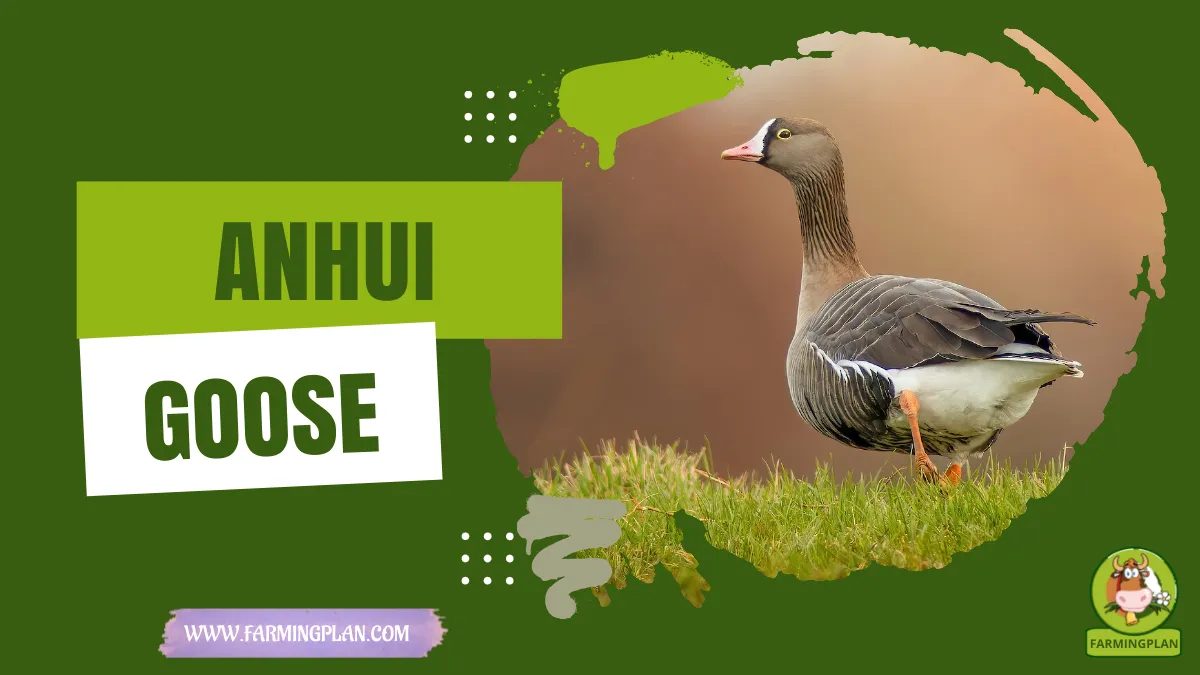
The Anhui Goose comes from the beautiful farming regions of Anhui Province in China, and I’ve always admired this bird for its strong body, soft white goose down, calm nature, and excellent farming value. Farmers in areas like Lu’an, Huoqiu County, Langxi County, Shou County, Feixi County, and the Yu’an district have raised Wanxi White Goose and West Anhui white goose breeds for generations. I’ve worked with many goose breeds during my farming career, but the Anhui Goose stands out because it produces high-quality meat, foie gras, feathers, shuttlecock materials, and premium down flowers with impressive fill power and warmth retention.
In this guide, I’ll share practical knowledge about Anhui goose history, farming methods, food, behavior, diseases like avian influenza and Tembusu virus, breeding systems, feather and down industry practices, and modern AI-powered intelligent sorting systems used in Chinese e-commerce and production lines. If you love geese, poultry farming, or traditional food culture, this guide will help you understand why the Anhui Goose remains one of China’s most valuable white goose breeds. If you enjoyed this guide, share it with other animal lovers, leave a comment about your farming experience, and keep exploring better ways to raise healthy, productive geese.
History & Origin
The Anhui Goose developed mainly in western Anhui regions near Lu’an City, Huoqiu County, and Wushan Town. Local farmers carefully selected the strongest birds for meat production, feather quality, and survival in the Zhenning Hilly Region near Nanyi Lake. Over time, these birds became known as the Wanxi White Goose or West Anhui white goose. I’ve studied several regional farming records, and many experts from the Anhui Academy of Agricultural Sciences believe the breed evolved naturally through local farming traditions and climate adaptation.
Families in rural communities depended on geese for food, trade, and traditional festivals. Farmers valued the birds because they handled rough weather, grazed efficiently, and produced thick white goose down. The region later earned the nickname “Kingdom of White Goose” because goose farming became a major economic activity.
Reads More: Rabbit Diseases That Every Owner Should Know
Traditional Foods And Cultural Importance
The Anhui Goose also shaped local cooking traditions. During the Tang Dynasty and the Qianfu Era, chefs prepared rich braised goose meals for noble families and military leaders. Stories connected to Prince of Wu and King Yang Xingmi still appear in local folklore. Families such as the Shi Family and Feng Family helped preserve old braising process recipes that later entered Hefei Cuisine traditions.
The Wushan Tribute Goose became especially famous in Wushan Town and Xin’an town. Local cooks slow-cooked goose meat with spices, soy sauce, and herbs over wood stoves. Some of these recipes even entered the Anhui Provincial Intangible Cultural Heritage List. Today, many tourists travel through rural Anhui just to taste authentic goose dishes and experience traditional cooking culture.
Characteristics
The Anhui Goose has a clean white body, long neck, orange beak, and powerful legs. I usually notice their alert posture first. Mature birds carry themselves proudly and move confidently across open fields. The Wanxi big flower white goose variation sometimes shows light feather markings, but most birds stay mostly white.
Adult geese grow quickly and develop strong muscles. Farmers appreciate their balanced body shape because it supports meat production and feather harvesting. Their mature down develops excellent elasticity, softness, and cleanliness. Many down distribution centers in China specifically purchase Anhui Goose feathers because they produce premium bedding products.
High-Quality Down And Feather Production
One reason this breed became internationally respected involves its white goose down. The down silk from mature birds offers outstanding warmth retention and fill power. Large companies such as Anhui Liuqiao Supply Chain Co., Ltd. helped modernize the feather industry with automated production systems and product upgrades.
I’ve visited farms using IoT systems and AI-powered intelligent sorting technology. These systems improve production efficiency by separating mature down from lower-quality feathers. Modern down processing projects also support eco-cycle models that reduce waste and improve high-quality development across the feather and down industry.
Fast Growth And Adaptability
The Anhui Goose adapts well to different climates and grazing systems. Farmers in Henan Province, Shandong Province, and Gushi County successfully raise these geese outside Anhui. The birds tolerate wet conditions, open grasslands, and free-range environments very well. Their growth cycle stays relatively efficient when farmers provide balanced nutrition and clean water. I’ve seen young goslings grow rapidly within a few months under proper feeding programs. Their adaptability makes them suitable for both small hobby farms and large commercial operations.
Nature & Temperament
Anhui Geese usually behave calmly when owners handle them regularly. I always encourage farmers to spend time near young geese because early social interaction improves trust. These birds quickly recognize feeding schedules and familiar people. Many beginners think geese behave aggressively all the time, but that depends on care and environment. Anhui Goose birds normally stay peaceful in open spaces with enough food and water. During breeding season, males may become protective, but proper flock management reduces problems.
Smart Flock Animals With Strong Instincts
Geese possess strong survival instincts. They notice movement quickly and often warn the flock about predators. Some rural families even use geese as natural “guard birds” because they make loud sounds when strangers approach. I’ve also observed impressive memory skills in these birds. They learn pathways, feeding areas, and routines surprisingly fast. Their social behavior strengthens flock unity, which helps protect younger birds during grazing.
Good Choice For Small And Large Farms
The Anhui Goose works well for family farms, hobby breeders, and commercial operations. Their calm nature makes daily management easier compared to some aggressive poultry breeds. Kids can safely observe them under adult supervision, though I always remind children to avoid chasing or startling the birds. Because these geese enjoy group living, farmers should keep several birds together instead of isolating a single goose. Healthy social interaction improves feeding behavior and reduces stress.
Food & Diet
Anhui Geese love grazing on grass, weeds, and aquatic plants. I usually allow my geese to roam open pasture during the day because natural grazing lowers feed costs and improves meat quality. The birds also enjoy vegetable scraps, rice bran, and grain mixtures. Fresh grass provides fiber and nutrients that support digestion. Young geese especially benefit from soft green plants because they digest them easily. Clean ponds or shallow water sources also help maintain natural feeding behavior.
Balanced Nutrition For Better Production
Farmers raising geese for meat, foie gras, or feather production should provide balanced diets with protein, vitamins, and minerals. I recommend corn, wheat, soybean meal, and calcium supplements during active growth stages. During cold seasons, geese require slightly higher energy intake. Breeding females also need additional nutrition before egg-laying periods. Poor diets often lead to slow growth, weak feathers, and low reproduction rates.
Foods I Avoid Feeding
- Moldy grains
- Salty kitchen waste
- Rotten vegetables
- Excess oily foods
- Toxic plants near ponds
Water Management Matters
Water plays a major role in goose health. Anhui Geese drink large amounts daily, and they also use water to clean their nostrils and feathers. Dirty water quickly spreads disease, so I replace drinking water frequently. I always tell new farmers that clean water prevents many common health issues before they start. Simple hygiene practices save money and protect the flock.
Usage & Purpose
The Anhui Goose remains highly valuable for food production. Local dishes from Lu’an City and Hefei Cuisine traditions use goose meat in soups, braised meals, and festival recipes. The rich flavor and firm texture attract both local customers and international food lovers. Some farms focus on foie gras production similar to French geese and Landes goose systems. Specialized feeding programs support liver development, though ethical farming practices continue to spark discussion worldwide.
Down And Feather Industry
The feather industry surrounding Anhui Goose farming has expanded rapidly. White goose down supports bedding products, jackets, pillows, and winter clothing markets. Chinese e-commerce platforms now sell premium down and feather products worldwide through livestreaming sales and digital marketing. Large processing centers use advanced sorting systems and automated production lines to refine down quality. The “brand of west Anhui down” continues gaining popularity because buyers trust its cleanliness, softness, and warmth retention.
Sports And Shuttlecock Manufacturing
Many people don’t realize goose feathers also support badminton industries. Companies such as Yuxiang Sports Co., Ltd. use feathers for shuttlecock production and badminton pitching machine testing. Some sports events even organize playful “Battle of the Feathers” or Badminton Challenge activities connected to feather craftsmanship.
Special Features
The biggest strength of the Anhui Goose involves its feather quality. Mature down provides excellent elasticity and insulation. Many luxury bedding companies specifically seek white goose breed feathers from Anhui regions because the fill power performs extremely well in cold climates.
Strong Disease Resistance And Adaptation
Compared to delicate poultry breeds, these geese adapt strongly to changing weather and rural farming systems. Their active grazing habits improve physical condition and lower stress levels. I’ve seen Anhui Goose flocks thrive in both humid areas and cooler regions. Their hardy nature helps beginners manage them successfully with proper care.
Economic Value Beyond Meat
The breed supports multiple industries at once:
- Meat production
- Foie gras farming
- Feather processing
- Down product manufacturing
- Shuttlecock materials
- Rural tourism
- Traditional food businesses
This combination creates strong economic opportunities for farming communities under the Rural Revitalization Strategy promoted in China.
“Healthy Geese Grow From Clean Water, Good Food, And Daily Care — Small Habits Build A Strong Flock.”
Health Issues & Prevention
Avian influenza remains one of the biggest disease threats for geese worldwide. Infected birds may show breathing trouble, weakness, swollen heads, and sudden death. I always isolate sick birds immediately and contact veterinarians if symptoms spread quickly. Farm biosecurity matters greatly. Farmers should limit outside visitors, disinfect equipment, and separate wild birds from domestic flocks whenever possible.
Tembusu Virus And Pancreatic Necrosis
Researchers studying goose-derived TMUV identified serious risks connected to Tembusu virus. Scientists used neighbor-joining phylogeny and phylogenetic analysis to study coding sequence patterns and TMUV Cluster 3.2 development.
Symptoms may include:
- Loss of appetite
- Egg production decline
- Weak movement
- Nervous system issues
- Pancreatic necrosis
Diagnostic tests and vaccines help reduce outbreaks. I strongly recommend regular veterinary support and vaccination schedules in commercial farms.
Daily Prevention Strategies
I follow several simple habits to protect my flock:
- Clean housing daily
- Replace dirty bedding
- Provide fresh water
- Avoid overcrowding
- Quarantine new birds
- Monitor droppings and appetite
- Remove spoiled food quickly
Healthy environments lower disease pressure and improve long-term production success.
Step-By-Step Anhui Goose Farming Guide
Complete Beginner-Friendly Farming Instructions
When I first started raising Anhui Goose birds, I learned quickly that success depends on planning and daily observation. Many beginners focus only on feeding, but proper goose farming includes shelter design, water management, breeding control, hygiene, disease prevention, and market planning. Anhui Goose birds reward careful farmers with strong growth, excellent feather quality, and reliable production. I’ve raised geese on both small and medium-sized farms, and I always tell newcomers that simple routines create the best long-term results. Geese thrive when farmers stay consistent.
This guide explains each important step clearly so new farmers can build confidence. I’ll share practical methods I use personally during breeding, feeding, housing, and flock management. Every farm operates differently, but these core steps help nearly every beginner avoid expensive mistakes. If you follow these instructions patiently, you can raise healthy geese while improving meat quality, down production, and breeding performance.
Step 1 – Choose Healthy Goslings Carefully
I always start with strong, active goslings from trusted breeders. Healthy young birds move quickly, eat eagerly, and show bright eyes with clean feathers. Weak goslings often struggle during early growth stages and may spread disease inside the flock. Avoid purchasing birds from overcrowded markets with poor hygiene. I prefer farms that vaccinate properly and maintain clean breeding systems.
Ask breeders about feeding history, vaccination schedules, and parent stock quality before buying. Young goslings need warm housing during their first weeks. I use dry bedding and stable temperatures because cold stress weakens their immune systems quickly. Proper early care builds stronger adult birds later.
Step 2 – Build Safe Housing And Grazing Areas
Good housing protects geese from predators, rain, and extreme temperatures. I build shelters with strong airflow because fresh air reduces disease buildup. Wet floors create major health problems, so I keep bedding dry and clean daily. Outdoor grazing areas improve physical health and lower feed costs. Anhui Geese enjoy moving freely across grass fields and shallow water zones. Secure fencing prevents predator attacks and keeps the flock organized. Water access remains essential. Geese clean themselves frequently and need enough space for natural behavior. Simple ponds or water troughs work well for small farms.
Step 3 – Create A Smart Feeding Routine
I feed goslings smaller meals several times daily during early growth. Adult geese usually receive morning and evening feeding schedules along with daytime grazing opportunities.
Balanced feed should include:
- Corn
- Wheat
- Rice bran
- Soybean meal
- Fresh greens
- Vitamin supplements
Overfeeding causes obesity and lowers breeding performance. I monitor body condition regularly and adjust feeding amounts carefully.
Clean feeding containers also matter. Dirty feed attracts bacteria and insects quickly. Small hygiene improvements protect the entire flock from unnecessary disease outbreaks.
Step 4 – Monitor Health Every Day
Successful goose farmers observe birds constantly. I check walking patterns, appetite, feather condition, and droppings daily. Small behavior changes often signal health problems before visible symptoms appear. I isolate weak or sick birds immediately. Fast action prevents larger outbreaks. Vaccination schedules, diagnostic tests, and veterinary guidance help protect commercial flocks from dangerous diseases like avian influenza and Tembusu virus. Stress management also supports good health. Loud environments, overcrowding, and poor ventilation weaken birds over time.
Step 5 – Prepare For Marketing And Product Sales
Farmers should plan sales strategies before expanding production. Anhui Goose products include meat, foie gras, feathers, white goose down, and breeding stock. Some farmers also sell processed feather products through Chinese e-commerce platforms and livestreaming sales channels. I recommend starting small and building local customer trust first. Restaurants, bedding companies, and traditional food markets often seek reliable goose suppliers. Strong product quality creates repeat business and long-term income opportunities.
Reads More: Jersey Giant Chicken: The Best American Heritage Breed
Expert Tips & Best Practices
Practical Tips For Better Results
- I always rotate grazing areas to keep grass healthy and reduce parasite risks.
- Clean water improves feather quality faster than many beginners expect.
- Early vaccination protects farms from expensive disease outbreaks.
- I separate aggressive males during breeding season to avoid injuries.
- Geese grow calmer when farmers follow consistent routines daily.
- Natural grazing improves meat flavor and lowers feed expenses.
- Strong fencing prevents predator attacks and nighttime losses.
- Modern IoT systems help larger farms track feeding and temperature conditions.
- AI-powered intelligent sorting systems improve feather processing efficiency.
- Farmers should study local market demand before expanding production.
Long-Term Success Strategies
I’ve learned that patience matters more than expensive equipment. Healthy flocks grow from steady management, clean housing, and daily observation. Many successful goose farmers started with small backyard flocks before building larger businesses. Farmers who focus on both animal welfare and product quality usually earn stronger customer trust over time. Good reputation spreads quickly in farming communities.
FAQs
What Is The Anhui Goose Famous For?
The Anhui Goose is famous for premium white goose down, flavorful meat, and strong farming adaptability. Farmers also value the breed for feather processing and traditional Chinese cuisine.
Where Does The Wanxi White Goose Come From?
The Wanxi White Goose mainly comes from western Anhui regions in China, especially around Lu’an City, Huoqiu County, and nearby farming communities.
Can Anhui Goose Live In Cold Weather?
Yes, these geese handle cold conditions very well because their mature down offers excellent warmth retention and insulation. Farmers still need dry shelters during winter.
What Diseases Commonly Affect Anhui Goose?
Common diseases include avian influenza and Tembusu virus infections. Farmers reduce risks through vaccination, clean housing, fresh water, and strong farm hygiene practices.
Is Anhui Goose Good For Beginners?
Yes, beginners often succeed with this breed because the birds adapt well to grazing systems and show relatively calm behavior with proper care.
Conclusion
The Anhui Goose combines rich history, strong farming value, premium feather quality, and excellent adaptability into one remarkable breed. From the traditional kitchens of Anhui Province to modern down processing industries using AI-powered intelligent sorting systems, this goose continues supporting farmers, food businesses, and feather industries worldwide. I’ve worked with many poultry breeds over the years, and I still admire how well these geese balance productivity, calm behavior, and economic value. Whether you want to raise geese for meat, white goose down, breeding, or small farm income, the Anhui Goose offers impressive opportunities for beginners and experienced farmers alike.