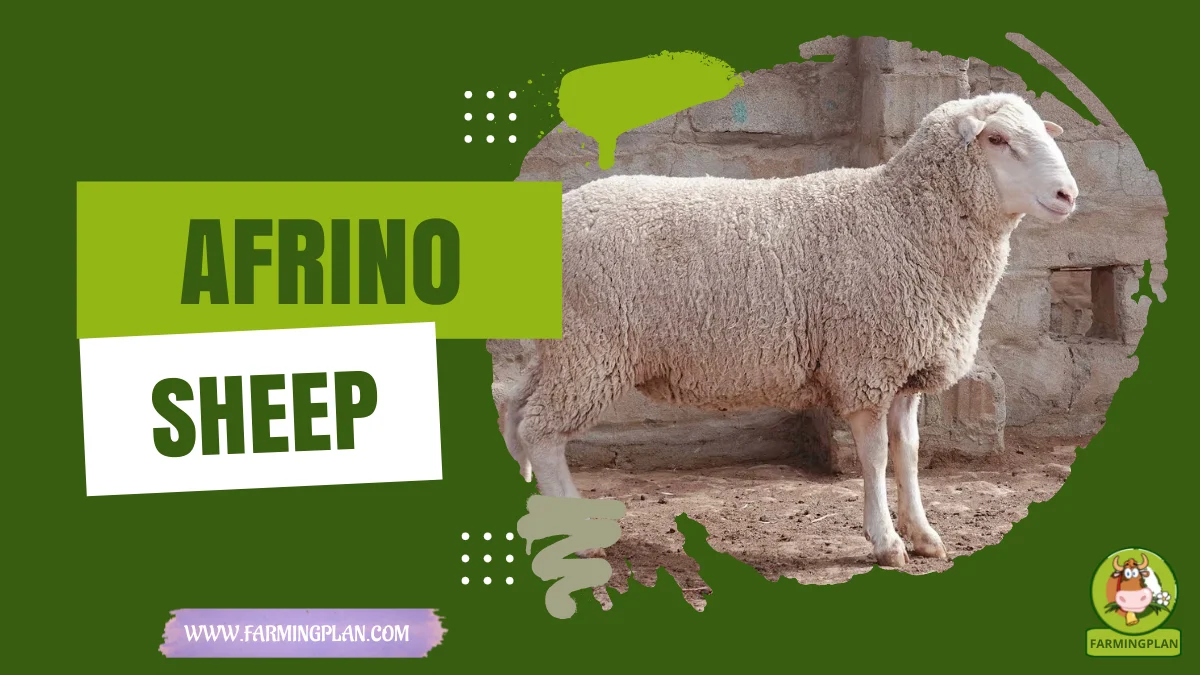
Afrino Sheep has become one of my favorite dual purpose sheep breeds because it gives farmers both quality meat and valuable white wool. I first became interested in AFRINO sheep after studying South African sheep production systems and learning how breeders developed this breed for harsh climate conditions, drought resistance, and strong reproductive performance. Many farmers compare Afrino sheep with Merino Sheep, Dorper Sheep, Meatmaster sheep, Dohne Merino, Dormer, and South African Mutton Merino because all these sheep breeds serve important farming roles.
Afrino sheep stand out because they combine wool quality, meat quality, high fertility, strong feed conversion rate, and excellent maternal traits. Farmers in sour grass veld and False Upper Karoo regions often choose them for lamb production and wool production under difficult environmental conditions. In this guide, I will share my practical farming knowledge about Afrino sheep characteristics, wool micron quality, reproduction, health issues, farming methods, carcass slaughter percentage, and expert tips that help farmers improve profits and food security.
History & Origin
The Afrino sheep breed originated in South Africa during a major agricultural breeding program. Scientists at the Carnarvon Experimental Station and the Grootfontein Agricultural Development Institute worked hard to create a sheep that could survive drought while producing excellent wool and meat. The Department of Agriculture wanted a breed suitable for difficult veld conditions where ordinary Merino sheep struggled.
Researchers used careful crossbreeding between Ronderib Afrikaner ewes and South African Mutton Merino rams. Later, breeders introduced genetics from German Merino bloodlines to improve wool quality and fleece weights. This selection process focused on body weight, reproductive performance, fibre diameter, meat production, and maternal instincts. Farmers needed sheep that could thrive in dry climates without sacrificing wool tested quality.
Reads More: Rabbit Diseases That Every Owner Should Know
Why Farmers Trusted The Breed
Afrino sheep quickly earned a strong reputation because they adapted well to harsh environments. Farmers from Middelburg, Grootvlei, Twistkraal, Elukwatini, and other dry farming areas noticed improved lambing percentages and better feed efficiency compared to many traditional breeds. The breed also reduced major welfare concerns because breeders selected bare breech sheep that lowered fly strike risk and reduced the need for mulesing.
Modern Afrino breeders now participate in Nampo, Agritech, AgriSETA training programs, and Farmers’ Academy workshops to improve genetics and production systems. Organizations connected with African Farming publications often discuss Afrino sheep because they support sustainable livestock farming and food security across Southern Africa.
Characteristics
Afrino sheep have a medium to large body size with strong muscle development. Most animals carry a clean white coat and produce white wool with good comfort factor and acceptable micron wool standards. Fibre diameter usually falls within medium wool ranges, making the fleece useful for commercial wool markets. The breed grows a dense fleece with good fleece weights while maintaining meat-producing ability. Ram lambs usually grow faster than ewe lambs and show impressive libido and reproductive strength. Mature rams develop broad chests, thick shoulders, and strong legs that support grazing in rough veld conditions.
High Fertility And Meat Production Ability
One feature I truly admire is the breed’s high fertility. Afrino ewes often produce excellent lambing percentages and show reliable maternal traits. The ewes protect lambs well and produce enough milk yield for healthy lamb growth. This makes Afrino sheep useful for prime lamb production systems. Farmers also appreciate the carcass slaughter percentage because Afrino lambs develop lean meat with good meat quality. Compared with some wool breeds, Afrinos maintain a better balance between wool production and muscle growth. Their feed conversion rate also helps farmers reduce feeding costs during dry seasons.
Climate Adaptation And Hardiness
Afrino sheep handle drought and harsh grazing conditions better than many imported wool breeds. They survive well on shrubs, grasses, and sour grass veld areas where feed quality changes seasonally. This adaptation makes them suitable for semi-arid farming systems. The breed also shows good resistance to difficult climate conditions. Breeders continue selecting sheep with stronger genetics for survival, fertility, and wool quality. Modern flocks often include non-mulsed wool accreditation systems that support animal welfare standards.
Nature & Temperament
I have always noticed that Afrino sheep behave calmly compared with some nervous sheep breeds. Their gentle temperament makes handling easier during shearing, docking, health checks, and lambing season. Farmers who manage large flocks appreciate sheep that move quietly through handling systems. Afrino sheep also adapt well to group grazing systems. They stay close together and respond well to herding dogs or shepherd guidance. This behavior reduces stress and helps improve overall flock management efficiency.
Suitable For Small And Commercial Farms
The breed works well for both beginner farmers and experienced livestock breeders. Small farmers like Afrinos because the sheep require less intensive care than some high-maintenance wool breeds. Commercial producers value the breed because of reliable wool production and reproductive performance. Young farmers attending AgriSETA and Farmers’ Academy training programs often study Afrino sheep as examples of successful dual purpose sheep. The sheep also fit mixed farming systems where wool, meat, and lamb sales support farm income.
Food & Diet
Afrino sheep need balanced nutrition for proper wool growth, reproduction, and meat production. I usually focus on pasture quality first because grazing forms the foundation of sheep nutrition. Good veld grasses, shrubs, and legumes help maintain body condition naturally. During dry seasons, I provide hay, silage, and protein supplements. Pregnant ewes especially need extra energy and minerals because lamb development demands more nutrients. Ram lambs also require quality feed for muscle growth and breeding strength.
Important Minerals And Water Requirements
Clean water remains essential for healthy sheep farming. Afrinos drink more water during hot weather and lactation periods. I always monitor water quality because dirty water increases disease risks. Minerals such as calcium, phosphorus, selenium, and salt support reproduction, wool quality, and immune function. Poor nutrition often causes weak lambs, poor fleece weights, and lower fertility rates.
Foods I Recommend
- Pasture grasses
- Lucerne hay
- Maize supplements
- Protein pellets
- Mineral blocks
- Fresh shrubs and veld grazing
Foods Farmers Should Avoid
- Moldy feed
- Rotten grains
- Toxic weeds
- Sudden diet changes
- Excessive wet feed
Usage & Purpose
Afrino sheep mainly serve as a dual purpose sheep breed. Farmers raise them for wool production and meat production at the same time. This balance helps producers maintain stable income even when wool or meat prices change. Their white wool sells well in commercial textile markets because manufacturers prefer clean wool for processing. Wool tested for fibre diameter and micron quality often receives premium prices if farmers maintain proper flock management.
Meat Production And Lamb Farming
Afrino lambs produce tender meat with good carcass quality. Commercial producers often use the breed in prime lamb production systems because lambs grow efficiently and convert feed well. Some breeders also use crossbreeding systems involving Dorset Horn rams, Dormer sheep, and Dorper genetics to improve meat characteristics further. These programs focus on slaughter traits, body weight, and growth rates.
Educational And Genetic Importance
Agricultural institutes and journals such as the South African Journal of Animal Science frequently study Afrino genetics, reproduction, and wool quality. Researchers continue exploring genetic improvements related to fertility, disease resistance, and climate adaptation.
Special Features
Many sheep breeds specialize in either wool or meat, but Afrino sheep maintain strong performance in both areas. That balance gives farmers more flexibility in changing markets. The breed also produces micron wool with good comfort factor, making the fleece suitable for multiple textile uses. Wool quality remains consistent even under challenging veld conditions.
Strong Maternal Traits And Fertility
Afrino ewes show excellent reproductive performance. High fertility and good mothering ability improve lamb survival rates. Farmers benefit from stronger flock expansion and better lamb production profits. The sheep also adapt well to drought conditions. This hardiness helps farmers maintain productivity during difficult seasons when feed becomes limited.
Better Animal Welfare Standards
Breeders increasingly focus on bare breech sheep and non-mulsed wool accreditation programs. These systems support animal welfare and reduce fly strike risk naturally. Modern breeders also avoid poor genetic practices and focus on healthy, naturally productive sheep instead of genetically engineered shortcuts.
Health Issues & Prevention
Like many sheep breeds, Afrino sheep can suffer from internal parasites and respiratory diseases. Muellerius lungworm sometimes affects flocks grazing wet pasture areas. Symptoms include coughing, breathing difficulty, and reduced growth. Internal worms also reduce body weight, wool quality, and reproductive performance. I follow regular deworming schedules and rotate grazing areas to reduce parasite pressure.
Fly Strike And Foot Problems
Fly strike remains a serious issue in wool sheep farming. Breeders reduce this risk by selecting sheep with bare breech genetics and maintaining clean shearing practices. Wet ground conditions may also cause foot rot. I always keep shelters dry and trim hooves regularly. Early treatment prevents serious infections.
Vaccination And Preventive Care
Good prevention programs protect flock health better than emergency treatment. I recommend:
- Routine vaccinations
- Regular shearing
- Clean water systems
- Mineral supplementation
- Isolation of sick animals
- Proper docking management
- Balanced nutrition
Healthy sheep produce better wool, stronger lambs, and higher profits.
“Healthy Afrino Sheep Start With Smart Feeding, Clean Shelters, And Careful Breeding. Strong Genetics Build Profitable Flocks.”
Step-By-Step Afrino Sheep Farming Guide
Starting an Afrino sheep farming business requires planning, patience, and practical management skills. I always tell new farmers that success comes from consistency rather than shortcuts. Afrino sheep reward farmers who focus on good nutrition, careful breeding, proper shelter management, and disease prevention. This breed performs especially well in dry climates and veld grazing systems, but farmers still need organized daily routines. A beginner should first understand wool production, lambing management, feed planning, and flock health before expanding the farm.
Strong genetics and quality breeding stock also play a major role in long-term profits. I recommend starting with a manageable flock size and slowly expanding after gaining experience. Farmers who rush too quickly often struggle with feed costs, parasite control, and poor breeding decisions. Below, I will explain the practical step-by-step method I personally recommend for raising healthy and productive Afrino sheep.
Step 1 – Choose Quality Breeding Stock
I always begin by selecting healthy breeding animals from trusted breeders. Strong Afrino sheep should have bright eyes, healthy fleece, solid legs, and active movement. Rams should show strong libido, wide chests, and muscular body structure. I avoid sheep with poor wool quality, weak feet, or breathing problems. Good genetics improve fertility, feed conversion rate, lamb growth, and wool production.
Farmers should also review wool tested records, fleece weights, and reproductive performance before buying animals. When possible, I prefer breeding stock from farms with strong animal welfare standards and non-mulsed wool accreditation programs. Healthy bloodlines reduce future health costs and improve long-term productivity.
Step 2 – Build Proper Housing And Fencing
Afrino sheep handle rough climates well, but they still need safe shelter. I build simple, dry shelters with good airflow to protect sheep from rain and extreme heat. Wet housing encourages foot rot, respiratory illness, and parasite growth. Strong fencing also matters because predators and stray dogs threaten lambs. I use separate lambing pens for pregnant ewes during birthing season. Clean bedding helps prevent infections and keeps lambs healthy. Feed storage areas should stay dry and protected from rodents. Farmers lose money quickly when feed becomes moldy or contaminated.
Step 3 – Create A Smart Feeding Program
I base feeding systems on seasonal pasture conditions. During rainy months, veld grasses and shrubs often provide enough nutrition. During drought periods, I supplement with hay, maize, and protein feed. Pregnant ewes require extra minerals and energy before lambing. Ram lambs also need balanced nutrition for muscle development and future breeding strength. I monitor body weight regularly because thin sheep struggle with reproduction and wool growth. Fresh water must remain available at all times. Clean water improves digestion, milk yield, and overall flock health.
Step 4 – Manage Breeding And Lambing Carefully
Breeding season requires close attention. I select rams with strong genetics and proven fertility records. Controlled breeding programs improve lambing percentages and maintain flock quality. During lambing season, I monitor ewes several times daily. Newborn lambs need quick access to colostrum for immunity protection. Weak lambs often require extra care during cold or wet weather. I keep lambing areas calm and clean to reduce stress and infection risk. Healthy maternal traits make Afrino ewes excellent mothers under good management systems.
Step 5 – Maintain Health And Wool Quality
Regular flock inspections help me detect health problems early. I follow strict vaccination schedules, parasite treatments, and hoof trimming routines. Shearing usually takes place once each year depending on climate conditions. Clean shearing practices improve wool quality and reduce fly strike risk. I also separate sick animals immediately to protect the rest of the flock. Good health management increases meat quality, fleece value, reproductive performance, and farm profitability over time.
Reads More: Jersey Giant Chicken: The Best American Heritage Breed
Expert Tips & Best Practices For Better Results
Practical Advice I Always Share With Farmers
Smart Farming Tips
- Start with small flocks before expanding
- Buy breeding stock from trusted farms
- Monitor fibre diameter and wool micron quality
- Rotate grazing fields regularly
- Keep accurate lambing records
- Vaccinate sheep on schedule
- Shear sheep before hot seasons
- Avoid overcrowded housing
- Provide mineral supplements year-round
- Select rams with strong reproductive performance
Breeding And Wool Production Advice
I always recommend focusing on long-term genetics instead of short-term growth. Farmers who improve maternal traits, wool quality, and feed conversion rate usually build more profitable flocks. Joining livestock workshops, Nampo events, and Farmers’ Academy programs also helps farmers stay updated with modern sheep production systems.
FAQs
What Are Afrino Sheep Mainly Used For?
Afrino sheep serve as a dual purpose sheep breed. Farmers raise them for both meat production and wool production because they provide strong carcass quality and valuable white wool.
Are Afrino Sheep Good For Dry Climates?
Yes, Afrino sheep handle drought and harsh veld conditions very well. Breeders specifically developed them for semi-arid farming regions in South Africa.
How Much Wool Do Afrino Sheep Produce?
Production varies depending on nutrition and genetics, but Afrino sheep generally produce medium wool fleece with good fibre diameter and acceptable comfort factor.
Are Afrino Sheep Better Than Merino Sheep?
Afrino sheep usually perform better in meat production and harsh climates, while Merino sheep often produce finer wool. The best choice depends on farming goals and environmental conditions.
Do Afrino Sheep Need Intensive Care?
No, Afrino sheep remain relatively hardy and easy to manage. Farmers still need proper nutrition, vaccinations, parasite control, and regular health checks for good productivity.
Conclusion
Afrino Sheep continue proving their value as reliable dual purpose sheep that combine meat quality, wool production, drought resistance, and strong reproductive performance. I believe this breed gives farmers an excellent balance between profitability and practical management. Their calm temperament, high fertility, good feed conversion rate, and adaptability make them suitable for both small farms and large commercial operations. Farmers who focus on good genetics, careful nutrition, and proper health management can build productive flocks for many years. If you want a hardy sheep breed that performs well under difficult climate conditions, Afrino sheep deserve serious consideration. Share your farming experiences, ask questions, and help other livestock farmers learn more about this impressive breed.