American Rabbit is one of the oldest and most respected domestic rabbit breeds in the United States. As a farming specialist, I have always admired this breed because it combines beauty, productivity, and a calm personality. Whether you are a pet owner, hobby breeder, commercial raiser, or livestock conservation enthusiast, this breed offers something valuable. The American Rabbit stands out for its rich history, attractive white and blue color varieties, excellent meat quality, and strong show potential.
Many people search for information about American rabbit price, American rabbit lifespan, American Rabbit colors, American rabbit characteristics, and American rabbit meat because this heritage breed continues to gain attention among breeders and animal lovers. In this guide, I will share my practical experience and detailed knowledge to help you understand everything from breed history and temperament to feeding, disease prevention, breeding stock selection, and daily care.
History & Origin
The American Rabbit holds a special place in rabbit history because it is one of the few breeds developed entirely in the United States. During the early 1900s, breeder Lewis H. Salisbury worked to create a productive rabbit that would serve both commercial and exhibition purposes. He developed the breed in Pasadena, California, by carefully selecting rabbits with desirable traits.
Salisbury used several breeds during the development process, including the Blue Vienna, German Blue Vienna, Blue Beveren, and Blue Flemish Giant. His goal focused on producing a rabbit with excellent meat qualities, strong fur value, and an attractive appearance. The result became the beautiful American Blue Rabbit.
Read More: Blanc De Popielno Rabbit: Discover This Rare Snowy Treasure
Recognition And Conservation Efforts
The American Rabbit Breeders Association (ARBA) officially recognized the breed and later included it in the ARBA Standard of Perfection. Breeders eventually developed a white variety known as the American White Rabbit, creating the two recognized colors that remain accepted today. Over time, commercial producers shifted toward faster-growing breeds such as the American Chinchilla Rabbit and larger meat rabbits.
As a result, American Rabbit numbers declined significantly. Organizations such as the American Livestock Breeds Conservancy and livestock conservation groups worked hard to preserve this heritage breed. Today, conservation programs, Heritage Rabbits enthusiasts, and dedicated breeders continue protecting the American gene pool. Their efforts ensure that future generations can enjoy this remarkable breed.
Characteristics
One of the first things I notice about an American Rabbit is its elegant body shape. The breed displays a distinctive mandolin body shape, which means the body gradually widens from shoulders to hindquarters. This structure creates a graceful and balanced appearance. The breed belongs to the semi-arch body type category. Adult rabbits typically weigh between 9 and 12 pounds, making them a medium-to-large breed suitable for both show and production purposes.
American Rabbit Colors And Coat Features
ARBA recognizes only two color varieties:
- American Blue Rabbit
- American White Rabbit
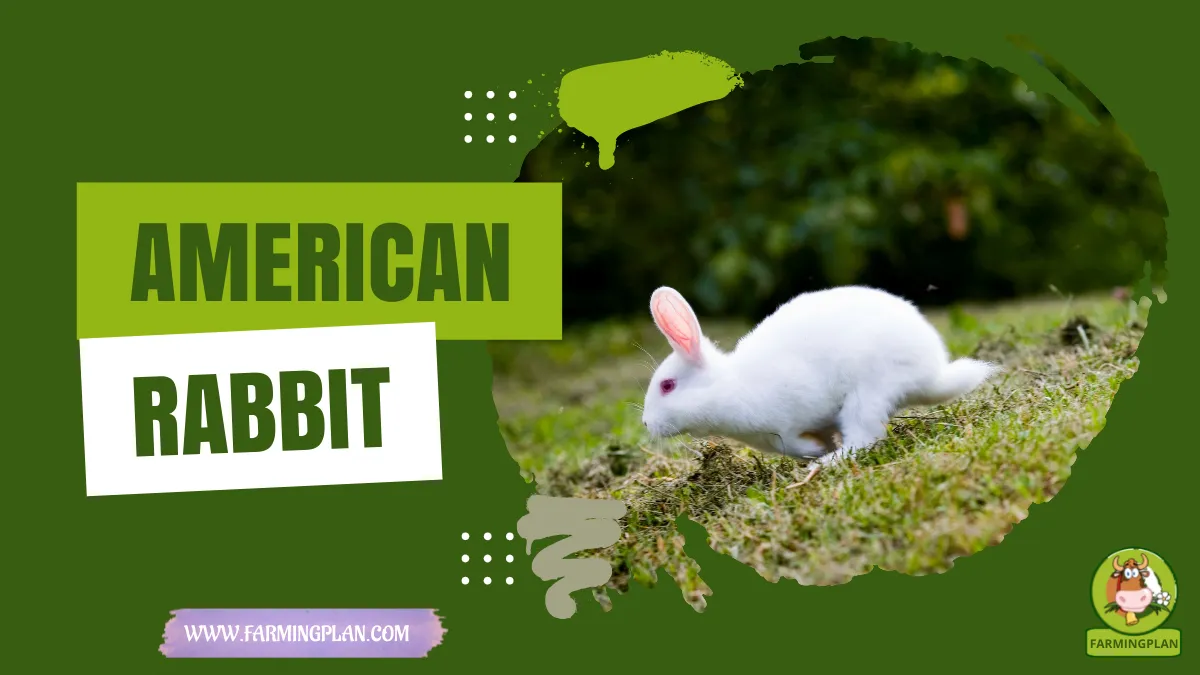
The blue variety features a rich slate-blue color throughout the body. The white variety displays pure white fur with ruby-colored eyes. The coat contains flyback fur, meaning the fur quickly returns to its original position after being stroked backward. Furriers once valued these rabbits because their pelts produced high-quality products during the fur trade era.
Breed Comparisons
Compared with Flemish Giants, the American Rabbit appears more refined and compact. Unlike French lops, the breed carries upright ears. Compared with Netherland Dwarfs, it offers a larger body and calmer temperament. Many breeders also compare the breed with American Sable Rabbit, Thrianta, Angoras, and Beveren rabbits when discussing show qualities and breed development.
Nature & Temperament
In my experience, the American Rabbit ranks among the most gentle domestic rabbit breeds. These rabbits rarely show aggressive tendencies and adapt well to human interaction. Many pet owners appreciate their calm nature because handling becomes easier during grooming, health checks, and daily care routines.
Family-Friendly Characteristics
The breed works well for:
- Families with children
- Beginner rabbit owners
- Hobby breeders
- 4-H participants
- Rabbit show exhibitors
American Rabbits often form strong bonds with their caretakers. They enjoy predictable routines and respond positively to gentle handling.
Social Behavior And Intelligence
Like all Oryctolagus cuniculus descendants, these rabbits possess natural social instincts. Historical studies of rabbit social behavior show that rabbits thrive when they feel safe and secure. American Rabbits learn routines quickly. Many owners teach them litter habits and simple commands through positive reinforcement. Their intelligence makes them enjoyable companions for long-term ownership.
Food & Diet
I always tell new owners that nutrition determines long-term success. A balanced diet supports growth, reproduction, and disease resistance.
The foundation should include:
- High-quality grass hay
- Clean drinking water
- Commercial rabbit pellets
- Fresh leafy vegetables
Hay should remain available throughout the day because it promotes digestive health and proper tooth wear.
Vegetables And Safe Treats
Good vegetable options include:
- Romaine lettuce
- Cilantro
- Parsley
- Bok choy
- Dandelion greens
Safe treats include:
- Apple slices
- Blueberries
- Strawberries
Offer treats sparingly to avoid obesity.
Foods To Avoid
Never feed:
- Chocolate
- Onions
- Garlic
- Iceberg lettuce
- Sugary snacks
- Processed foods
Poor nutrition can shorten the American rabbit lifespan and increase disease risks.
Usage & Purpose
The American Rabbit remains highly respected in rabbit shows. Its graceful body, excellent fur quality, and breed standard compliance make it a favorite among exhibitors. ARBA-sanctioned shows regularly feature strong American Rabbit competitors.
Meat Production Benefits
Historically, breeders developed the breed for commercial meat production. American rabbit meat remains valued because it is:
- Lean
- Tender
- High in protein
- Efficient to produce
Many small farmers continue raising them for sustainable meat production.
Companion Animal Potential
Modern owners increasingly choose American Rabbits as pets. Their calm personality and manageable size make them ideal companion animals. Many breeders also maintain breeding stock to preserve this rare heritage breed for future generations.
“Great Rabbit Care Starts With Patience, Clean Housing, And Daily Observation. A Healthy American Rabbit Will Reward You With Years Of Companionship And Success.”
Special Features
Heritage Breed Status
One of the breed’s most valuable traits is its heritage status. Organizations dedicated to livestock conservation continue promoting the breed because it represents an important part of American agricultural history.
Exceptional Fur Quality
The dense flyback fur remains one of the breed’s defining features. Historically, furriers appreciated these pelts for manufacturing purposes.
Strong Genetic Stability
The carefully maintained American gene pool helps preserve important breed characteristics. Responsible breeders focus on maintaining health, temperament, and conformation.
Conservation Importance
Groups such as Heritage Rabbits advocates and livestock conservation programs encourage responsible breeding because preserving rare breeds helps maintain genetic diversity within domesticated rabbits.
Health Issues & Prevention
Common American Rabbit Diseases
Like other domestic rabbits, American Rabbits can experience several health challenges:
- Respiratory infections
- Ear mites
- Dental disease
- Gastrointestinal stasis
- Flystrike
- Pasteurellosis
- Parasites
Warning Signs To Watch
I recommend monitoring for:
- Loss of appetite
- Weight loss
- Nasal discharge
- Diarrhea
- Lethargy
- Difficulty breathing
Early detection often prevents serious complications.
Prevention Strategies
Strong preventive care includes:
- Clean housing
- Fresh water
- Balanced nutrition
- Routine veterinary medicine visits
- Quarantine for new rabbits
- Proper ventilation
Disease prevention always costs less than treatment.
Step-By-Step American Rabbit Pet Owner Care Guide
When I help new owners get started with American Rabbits, I focus on creating a simple system that promotes health, comfort, and long-term success. Proper housing, nutrition, exercise, grooming, and observation all work together to produce healthy rabbits. Following a structured routine reduces stress for both the owner and the animal.
Step 1 – Prepare Proper Housing
Choose a spacious cage or rabbitry that allows natural movement. Provide solid flooring or resting boards to protect feet from sore hocks. Keep housing dry and well ventilated. Protect rabbits from direct sunlight, rain, and extreme temperatures. Add nesting areas and hiding spaces to reduce stress.
Step 2 – Establish A Feeding Routine
Provide unlimited grass hay every day. Supply fresh water using bottles or bowls. Feed quality pellets according to age and body condition. Introduce vegetables gradually to avoid digestive upset.
Step 3 – Maintain Daily Health Checks
Spend a few minutes observing each rabbit. Check eyes, ears, nose, coat, and behavior. Look for signs of illness such as discharge, reduced appetite, or unusual droppings. Early detection improves treatment outcomes significantly.
Step 4 – Provide Exercise And Enrichment
Allow supervised exercise outside the cage whenever possible.
Provide:
- Tunnels
- Chew toys
- Cardboard boxes
- Safe digging areas
Mental stimulation prevents boredom and destructive behavior.
Step 5 – Groom And Manage Breeding Stock
Brush regularly during shedding periods. Check nails monthly and trim as needed. If maintaining breeding stock, select healthy animals with strong genetics and proper breed characteristics. Keep detailed breeding records and avoid close inbreeding.
Read More: Continental Giant White Rabbit – The Gentle Giant You’ll Love
Expert Tips & Best Practices From My Experience
Professional Advice For Better Results
- Buy rabbits from reputable breeders.
- Follow ARBA standards when selecting show animals.
- Record breeding and health information.
- Maintain strict sanitation practices.
- Introduce dietary changes slowly.
- Quarantine new rabbits for several weeks.
- Provide fresh water at all times.
- Monitor body condition monthly.
- Focus on quality rather than quantity in breeding programs.
- Support heritage breed conservation programs whenever possible.
- Join breeder groups and rabbit clubs to expand your knowledge.
- Schedule routine veterinary evaluations.
Tip: “Healthy Rabbits Rarely Happen By Accident; Consistent Daily Care Creates Long-Term Success.”
FAQs
What is the lifespan of an American Rabbit?
Most American Rabbits live between 8 and 12 years when owners provide proper nutrition, housing, and veterinary care.
What colors are recognized for American Rabbits?
ARBA recognizes only two colors: blue and white. These are known as the American Blue Rabbit and American White Rabbit.
Is the American Rabbit a good pet?
Yes. The breed has a calm, gentle personality and adapts well to families, beginners, and experienced rabbit owners.
How much does an American Rabbit cost?
Prices vary by breeder, location, pedigree, and show quality. Pet-quality rabbits usually cost less than breeding or exhibition stock.
Are American Rabbits rare?
Yes. Conservation organizations consider them a heritage breed with limited populations, making preservation efforts especially important.
Conclusion
The American Rabbit remains one of the most valuable heritage rabbit breeds in the United States. Its fascinating history, attractive white and blue varieties, gentle temperament, quality meat production, excellent show potential, and conservation importance make it a breed worth appreciating. From proper nutrition and disease prevention to responsible breeding and daily care, success comes from consistent management and attention to detail. As a farming specialist, I believe this remarkable rabbit deserves greater recognition among pet owners, breeders, and livestock enthusiasts. If you found this guide helpful, share it with fellow rabbit lovers, leave a comment with your experience, and help promote the future of this outstanding heritage breed.