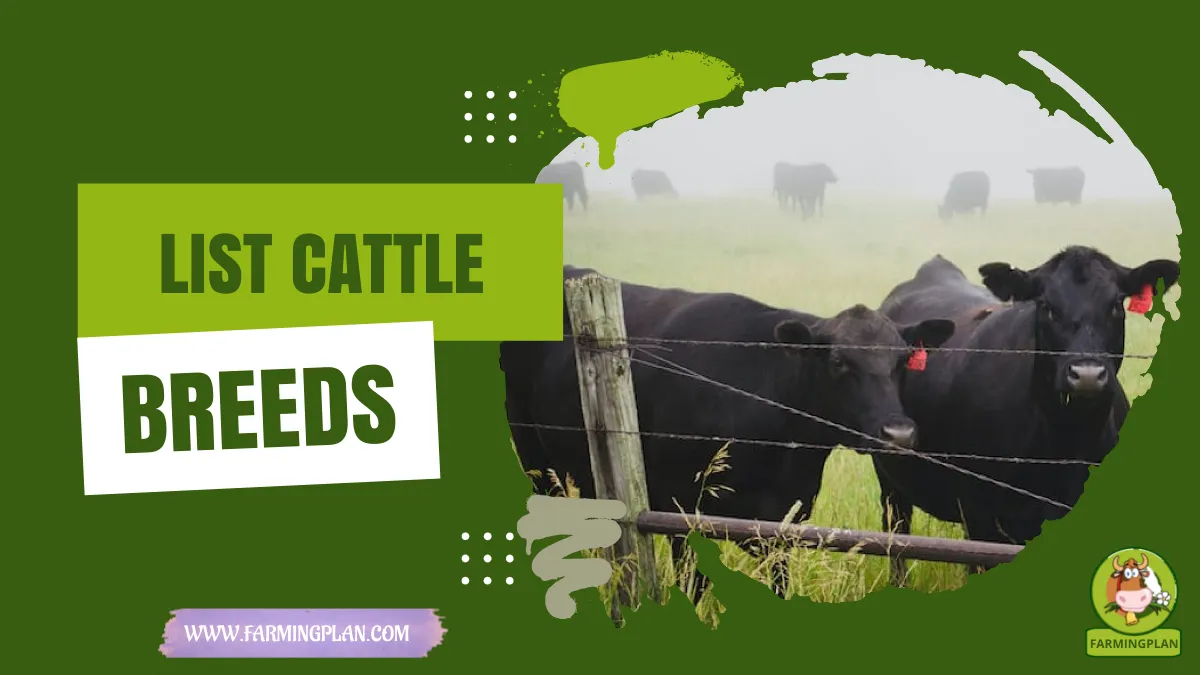
When I talk about Cattle Breeds, I’m referring to the wide variety of cattle types developed for milk, meat, or both. As a farming specialist, I’ve worked with dairy cattle breeds, beef cattle breeds, and even hardy indigenous types. Each breed has its own strengths, whether it’s milk production, carcass quality, or adaptability to harsh weather conditions.
In this guide, I’ll walk you through everything—from famous breeds like Angus and Jersey to indigenous stars like Vechur and Rathi. We’ll cover feeding, farming tips, and practical strategies I personally use to improve productivity, fertility, and longevity. Whether you’re a beginner or an experienced farmer, this article will help you choose the best cattle breeds for your needs.
History & Origin
When I study the history of Cattle Breeds, I always find it fascinating how deeply they connect to human civilization. Cattle Breeds have been part of farming life for thousands of years, starting when early farmers domesticated wild cattle mainly for meat, milk, and labor. Over time, these early animals evolved into different Cattle Breeds through careful selection and breeding practices. I always remind new farmers that modern Cattle Breeds didn’t just appear overnight—they are the result of centuries of patience, observation, and improvement.
Early Domestication And Development Of Cattle Breeds
In cooler regions, European Cattle Breeds like Hereford and Charolais developed strong bodies and focused heavily on meat production and carcass cutability. Meanwhile, in tropical regions, farmers developed hardy Cattle Breeds like Brahman, which belong to the Zebu group. These Cattle Breeds adapted well to heat, pests, and low-quality feed, making them ideal for challenging environments. This diversity shows how Cattle Breeds evolved based on climate, needs, and farming practices.
Read More: Australian Spotted Duck – A Charming Backyard Treasure
Modern Breeding And Genetic Advancement In Cattle Breeds
In today’s farming world, I rely heavily on advanced breeding techniques to improve herd performance. Tools like pedigree tracking, RAPD-PCR, and mitochondrial DNA analysis help us understand the genetic makeup of cattle. These methods allow me to select animals with better fertility, higher feed efficiency, and stronger reproductive rates.
Organizations such as the American Angus Association have played a major role in improving breeds like Aberdeen Angus by maintaining high-quality genetic standards. Crossbreeding has also become a powerful strategy in modern farming. For example, Brangus combines the premium meat quality of Angus with the heat tolerance of Brahman.
This process, known as heterosis, increases productivity and disease resistance. From my own experience, crossbred cattle often perform better in challenging conditions than pure breeds. They grow faster, adapt more easily, and require less intensive care. That’s why I always encourage farmers to use smart breeding strategies instead of relying only on traditional methods.
Characteristics
Every time I work with different Cattle Breeds, I notice how unique each one looks and performs. Cattle Breeds vary widely in size, shape, and body structure depending on their purpose. Beef Cattle Breeds like Limousin and Chianina grow large, muscular bodies designed for fast growth and high carcass quality. In contrast, dairy Cattle Breeds like Jersey and British Friesian focus more on milk production and have lighter frames with well-developed udders.
Physical Traits And Appearance Of Cattle Breeds
Some Cattle Breeds are polled, meaning they naturally lack horns, which makes handling easier and safer. Others are horned and may require extra management. Coat colors also vary greatly among Cattle Breeds, ranging from the black coat of Angus to the creamy white of Charolais. These visible differences help farmers identify and select the right Cattle Breeds for their needs.
Production Traits And Performance Of Cattle Breeds
When it comes to performance, I always focus on traits that directly impact profitability. Milk production, marbling, feed efficiency, and growth rate are some of the most important factors. For example, Wagyu cattle are famous for their rich marbling, which produces premium-quality beef. Meanwhile, Angus cattle consistently deliver high-quality meat that meets market demand. Dual-purpose breeds like Simmental and Dairy Shorthorn offer flexibility by providing both milk and meat.
This makes them a great choice for farmers who want multiple income sources. Fertility and calving ease are also critical. A cow with strong mothering ability reduces the need for extra care and increases the survival rate of calves. From my experience, the best results come when you match the breed’s strengths with your farm conditions. Instead of chasing trends, I always choose cattle that perform well in my environment and meet my production goals.
Nature & Temperament
From my experience, temperament plays a major role in managing Cattle Breeds effectively. Calm and docile Cattle Breeds are easier to handle, which reduces stress for both the farmer and the animals. For example, Hereford is known for its gentle nature, making it a great choice for beginners. On the other hand, aggressive Cattle Breeds can create challenges, increase the risk of injuries, and negatively affect productivity.
Understanding Temperament In Cattle Breeds
Most Cattle Breeds are social animals and prefer living in groups. When I keep Cattle Breeds together in a herd, they feel more secure and show better feeding and growth behavior. Isolation often leads to stress, which can reduce milk production and overall health.
Suitability Of Cattle Breeds For Different Farmers
Choosing the right Cattle Breeds depends a lot on your experience level. If you’re just starting out, I always recommend beginner-friendly Cattle Breeds like Jersey or Angus. These Cattle Breeds are adaptable, productive, and easier to manage. While Brahman is highly resilient, it can sometimes be more reactive, so it may require experienced handling.
Good temperament in Cattle Breeds leads to better feeding habits, improved milk yield, and higher reproductive success. I’ve consistently observed that calm and well-managed Cattle Breeds grow faster and perform better. That’s why I always stress the importance of selecting Cattle Breeds that match both your farming skills and your environment.
Food & Diet
Feeding Cattle Breeds properly is one of the most important responsibilities I have on my farm. Different Cattle Breeds require different nutrition based on their purpose. Dairy Cattle Breeds need high-energy diets to support milk production, while beef Cattle Breeds require balanced feed for growth and fattening.
I always provide a mix of grass, hay, grains, and mineral supplements to meet the nutritional needs of my Cattle Breeds. Water is just as important as feed. Each animal in my herd of Cattle Breeds drinks large amounts of clean water daily, especially during hot weather. I never compromise on water quality because it directly affects digestion, health, and productivity.
Dos And Don’ts Of Feeding Cattle Breeds
I’ve learned over the years that feeding mistakes can quickly harm even the best Cattle Breeds. Sudden changes in diet can upset digestion and reduce performance, so I always introduce new feed gradually. Maintaining a consistent feeding routine helps keep my Cattle Breeds healthy and productive.
Do:
- Provide fresh green fodder regularly to all Cattle Breeds
- Add mineral mixtures and salt blocks
- Monitor daily feed intake of Cattle Breeds
Don’t:
- Feed moldy or spoiled food to Cattle Breeds
- Overfeed grains, which can cause digestive issues
- Ignore signs of nutritional deficiency in Cattle Breeds
Proper feeding improves carcass quality, boosts milk yield, and keeps Cattle Breeds in excellent condition.
Usage & Purpose
I always explain to new farmers that Cattle Breeds serve different purposes depending on their characteristics. Dairy Cattle Breeds like Jersey focus mainly on milk production. Beef Cattle Breeds like Angus and Charolais are raised for high-quality meat. Each category of Cattle Breeds plays a vital role in the farming system. Dual-purpose Cattle Breeds such as Simmental provide both milk and meat, making them ideal for small-scale farmers. I often recommend these Cattle Breeds because they offer flexibility and better resource utilization.
Economic Importance Of Cattle Breeds In The Industry
Cattle farming plays a major role in the global agricultural economy. From dairy products to beef markets, cattle support millions of farmers worldwide. Systems like seed-stock programs help maintain strong genetics and improve overall herd quality. I’ve personally seen how selecting the right cattle breed can significantly increase farm income. When you match your breed choice with your resources, climate, and market demand, you create a sustainable and profitable farming system.
Special Features
When I work with different cattle breeds, I always notice how adaptability can make or break a farm’s success. Some breeds naturally handle tough weather conditions better than others, and that directly affects productivity and survival rates. For example, Brahman cattle perform exceptionally well in hot and humid climates. Their loose skin, sweat glands, and natural resistance to parasites help them stay comfortable even under extreme heat. On the other hand, European cattle breeds like Charolais and Hereford thrive in cooler environments where they can maintain steady growth and excellent carcass development.
Adaptability And Climate Resistance That Saves Costs
I’ve also worked with indigenous breeds such as the Vechur cow, and I must say, their disease resistance and low maintenance needs are impressive. These native cattle often require less feed and fewer medical treatments, which significantly reduces farming costs. When a breed adapts well to local conditions, it naturally shows better fertility, longevity, and feed efficiency. That’s why I always advise farmers to think beyond appearance or popularity and focus on how well a breed fits their environment. In my experience, choosing adaptable cattle leads to fewer losses, lower stress, and a much smoother farming operation overall.
Premium Quality And Rare Traits That Boost Profitability
Some cattle breeds truly stand out because of the premium quality products they offer. I’ve seen firsthand how certain breeds can bring higher profits simply due to their unique traits. For instance, Wagyu cattle are famous worldwide for their intense marbling. This marbling creates tender, flavorful beef that sells at a premium price in international markets. Similarly, Angus cattle consistently produce high-quality beef, which is why programs like Certified Angus Beef have become so popular among consumers.
When it comes to dairy, Jersey cows are a top choice due to their rich milk with high butterfat content. This makes their milk ideal for producing butter, cheese, and other dairy products with excellent taste and value. I’ve noticed that farmers who focus on quality rather than quantity often earn better returns in the long run.
There are also rare and niche breeds like Belted Galloway and Australian Lowline that open doors to specialized markets. These breeds may not be as common, but they attract premium buyers looking for unique products. I always encourage farmers to explore these opportunities because niche markets often face less competition and offer higher profit margins when managed properly.
Health Issues & Prevention
In my years of cattle farming, I’ve learned that health management is one of the most critical aspects of running a successful operation. Cattle can face a range of health problems, including serious diseases like foot-and-mouth disease, mastitis, and internal or external parasites. These issues can quickly reduce productivity if not handled properly. I always keep a close eye on my herd because early symptoms often appear in subtle ways.
Common Diseases And Warning Signs Every Farmer Should Know
Some of the most common warning signs I watch for include reduced appetite, sudden weight loss, dull coat appearance, and a noticeable drop in milk production. Sometimes, cattle may also show signs of discomfort, lameness, or unusual behavior. Ignoring these early signals can lead to severe outbreaks that affect the entire herd. I’ve learned that quick action not only saves individual animals but also prevents larger financial losses. Daily observation has become a habit for me, and it’s one of the simplest yet most effective tools any farmer can use.
Preventive Care And Management For Strong And Healthy Cattle
Prevention always works better than treatment, and that’s a rule I strictly follow on my farm. I maintain a proper vaccination schedule to protect my cattle from common infectious diseases. Clean housing is another priority because dirty and damp environments create the perfect conditions for bacteria and parasites to thrive. I make sure my sheds stay dry, well-ventilated, and comfortable for the animals.
I also focus heavily on routine practices like regular deworming to control internal parasites, proper ventilation to reduce respiratory issues, and ensuring a constant supply of clean drinking water. Nutrition plays a major role as well, because a well-fed animal develops a stronger immune system and can fight off diseases more effectively.
Over time, I’ve realized that small, consistent efforts make a big difference. Healthy cattle grow faster, produce higher-quality milk and meat, and live longer productive lives. When you invest in preventive care, you not only protect your animals but also secure the long-term success and profitability of your farm.
Read More: Limousin Cattle – Powerful, Profitable & Proven
Step-by-Step Farming Guide
Starting a cattle farm can feel overwhelming, but I’ve simplified it into clear steps. When I began, I made mistakes, but I learned quickly. Today, I follow a structured system that ensures productivity and profitability. This guide covers everything from selecting breeds to daily care. If you follow these steps carefully, you’ll build a strong and healthy herd.
Step 1: Choosing The Right Breed
I always start by selecting cattle breeds based on climate, purpose, and budget. For hot climates, I recommend Brahman or Zebu types. For dairy, Jersey works great. Avoid choosing breeds just because they’re popular. Focus on productivity and adaptability.
Step 2: Setting Up Proper Housing
I build clean, well-ventilated shelters. Good housing protects cattle from extreme weather conditions. Space matters—crowding leads to stress and disease. I also ensure proper drainage and dry bedding.
Step 3: Feeding And Nutrition Planning
I create a feeding schedule based on age and purpose. Calves need milk and soft feed, while adults need balanced diets. Consistency is key. I feed at the same time daily to maintain routine.
Step 4: Health Management Routine
I follow vaccination schedules strictly. Regular checkups help detect issues early. I also isolate sick animals to prevent disease spread.
Step 5: Breeding And Reproduction
I select high-quality breeding stock with strong genetics. Good reproductive rates improve herd growth. Calving ease and mothering ability are critical factors I always consider.
Step 6: Daily Care And Monitoring
Every day, I observe my cattle closely. Changes in behavior often signal health issues. Routine cleaning, feeding, and monitoring ensure long-term success.
“Strong Breeds Build Strong Farms—Choose Smart, Feed Right, And Watch Your Herd Thrive.”
Expert Tips & Best Practices
Pro Tips For Better Productivity
- Choose breeds suited to your environment
- Maintain proper records and pedigree
- Focus on feed efficiency
- Use crossbreeding for better results
- Monitor reproductive rates regularly
Smart Farming Strategies
- Invest in quality seed-stock programs
- Improve genetic makeup over time
- Use modern tools like cattle tracing systems
- Focus on long-term productivity, not quick profits
FAQs
What Are The Best Cattle Breeds For Beginners?
I recommend Jersey for dairy and Angus for beef. These breeds are easy to manage and highly productive.
Which Breed Produces The Most Milk?
Holstein produces the highest milk yield, but Jersey offers better fat content.
What Is The Most Profitable Beef Breed?
Angus and Wagyu are highly profitable due to meat quality and market demand.
How Do I Choose The Right Breed?
Consider climate, purpose, and feed availability. Always match the breed to your farm conditions.
Are Indigenous Breeds Better Than Exotic Ones?
Indigenous breeds adapt better to local conditions. Exotic breeds may offer higher production but need more care.
Conclusion
Cattle farming becomes rewarding when you understand your breeds and manage them properly. From dairy cattle breeds to beef cattle breeds, each type offers unique benefits. I’ve learned that success depends on choosing the right breed, maintaining proper nutrition, and following consistent care practices. Focus on health, genetics, and environment, and your herd will thrive. If you found this guide helpful, share it with fellow farmers, drop your questions in the comments, and start building your own successful cattle farming journey today!