
Welcome to my complete guide on raising healthy hogs! As a longtime livestock specialist, I love sharing my hands-on farm experience with passionate raisers like you. The Swedish Landrace Pig stands out as an exceptional, highly productive breed that transformed modern swine farming across the globe. Today, we will explore everything you need to know about this fantastic white hog, from its origin and temperament to detailed feeding systems and housing needs. The Swedish Landrace Pig is a premier Scandinavian swine breed renowned for its rapid growth rate, incredible mothering ability, and high-yielding bacon carcasses.
Whether you manage commercial herds, raise crossbred pigs, or care for heritage landraces on a family pasture, this breed brings massive value to your barnyard. Let us dive deep into their genetic base, mothering ability, daily care routines, and essential health practices. Protecting genetic diversity remains vital today, which is why historical conservation efforts like the genbank protect rare native populations alongside commercial lines. Whether you are looking to boost your farm’s productivity or improve your crossbred pig genetics, incorporating the Swedish Landrace Pig into your herd offers unmatched long-term success and animal welfare benefits.
History & Origin of Swedish Landrace Pig
I remember when I first studied the rich history behind European landraces during my early agricultural training. Swedish breeders created this outstanding bacon-pig during the twentieth century by crossing native Scandinavian swine with refined Danish Landrace stock. Breeders selected animals specifically for strong mothering ability, rapid rate of weight gain, long body length, and superb meat quality. This dedicated breeding program established a robust genetic base that gained international recognition very quickly. Soon, commercial producers in the United States, Australia, New Zealand, Russia, and the former Czechoslovakia imported these animals to enhance their own livestock populations.
Their popularity spread rapidly because these pigs adapted well to both modern barn facilities and traditional pasture grounds. Over the decades, selective breeding focused on high fecundity, prolificacy, and heavy milk production in sows. Early Scandinavian farmers wanted a pig that could handle cold northern winters while converting home-grown feeds into prime pork efficiently. Their hard work paid off, establishing one of the most reliable pig breeds in agricultural history. Today, breeders use these animals extensively in three-way crossbreeding programs, often pairing a Hampshire or Swedish Yorkshire with a Swedish Landrace to yield healthy, fast-growing crossbred pigs.
Read More: Krsko Polje Pig Guide: Raise This Unique Breed
Characteristics of Swedish Landrace Pig
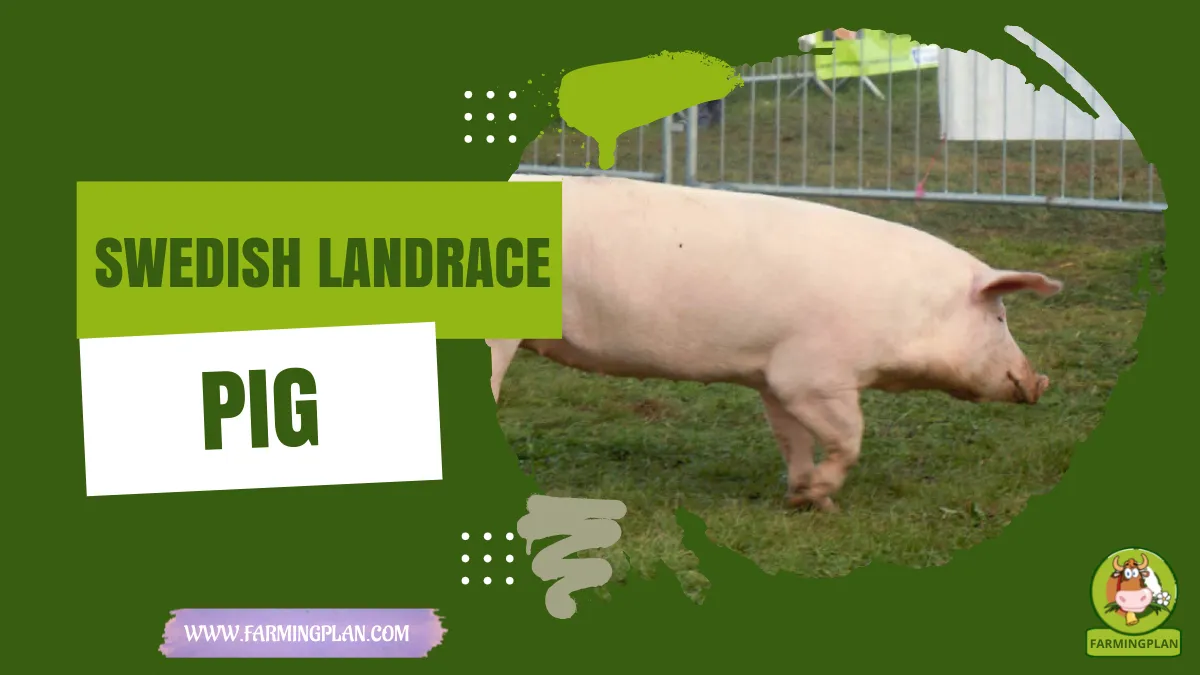
When you walk into my barn, you can spot these heavy white pigs immediately by their unique physical features. They display a long, deep body structure with a strong back and heavy, well-developed hams. Their skin is smooth and white, covered in fine white hair without dark spots or unwanted pigmentation. A classic hallmark of this breed is their large, heavy ears that droop forward over their long snouts. Their sturdy leg structure supports heavy body weights, though producers must monitor for structural defects like splay legs or kyphosis during early piglet development.
Adult boars and sows reach impressive body sizes while maintaining balanced growth rates and excellent feed conversion. Their high fecundity means sows routinely deliver large, healthy litters with high survival rates. Their genetic markers show high heritability for key commercial traits like carcass yield, daily gain, and lean muscle depth. In addition to commercial strains, Sweden also preserves unique local variations like the Linderöd pig, which offers a hardy genetic alternative for specialized low-input systems. Whether you manage animals in an indoor system or an outdoor system, these pigs showcase remarkable consistency in physical conformation and meat composition.
Nature & Temperament of Swedish Landrace Pig
Working with these large hogs on a daily basis is truly a pleasure because of their calm and gentle personality. Sows exhibit outstanding mothering ability, remaining patient and careful around their newborn piglets inside farrowing pens. Their docile temperament makes daily handling easy, reducing stress for both the animals and farm handlers during routine checkups. They thrive in group housing environments where they establish clear, peaceful social interactions without excessive aggression or territory fights.
Their natural activity behavior includes extensive rooting, pasture exploration, sniffing, and social play when given proper space. If pigs experience overcrowding or poor housing density, stress can trigger negative habits like tail manipulation or destructive caudophagy. Providing adequate room to stretch and run allows them to express natural instincts while keeping herd stress low. Farmers who treat their herd with kindness will find that these pigs respond warmly to human contact, making farm chores enjoyable and safe every morning.
Food & Diet of Swedish Landrace Pig
Feeding your herd a balanced diet ensures steady growth, strong immune function, and optimal meat density. These pigs eat standard grain mixes, but you must tailor their nutrient intake to their specific growth stages. I recommend a phase feeding system that adjusts protein, amino acids, and energy levels as pigs age from nursery phase to finish weight. Young piglets require high-protein diets rich in essential nutrients, while finishing hogs benefit from a controlled, low-energy diet to maintain lean muscle without building excess backfat.
You can offer feed ad libitum to growing feeder pigs to maximize their daily rate of weight gain. For breeding sows and older animals, limit feed intake to keep them lean and active. Incorporating high-quality roughages, fresh pasture grasses, or alfalfa silage keeps their digestive tract healthy and reduces hunger stress. Always provide continuous access to fresh, clean water near feeding stations, and keep foder troughs clean to prevent mold growth and maintain top air quality inside the barn.
Usage and Commercial of Swedish Landrace Pig
Farmers raise this premier pig breed primarily for commercial pork production, specifically high-grade bacon and lean pork cuts. Their long body frame yields extra loin meat, making them highly prized by butchers and meat processors worldwide. Beyond direct meat production, these hogs serve as the backbone of global hybrid breeding programs. Crossing purebred sows with terminal sires creates resilient crossbred pigs that excel in commercial fattening facilities.
Small-scale farmers and hobbyists also value them for sustainable outdoor farming and pasture rotation systems. Their strong foraging habits allow them to thrive on diversified homesteads while improving soil fertility through natural manure distribution. Whether your goal is large-scale bacon production or small-batch heritage farming, this versatile breed delivers high return on investment through consistent performance and exceptional meat yield.
Special Features of Swedish Landrace Pig
One remarkable feature of this breed is its exceptional maternal capability combined with rapid physical growth. Sows possess plenty of milk capacity to nurse large litters without losing excessive body condition during lactation. Their high fecundity ensures strong annual piglet output, giving farm operations a continuous financial boost. Furthermore, their calm disposition allows farmers to work closely with mothers during farrowing without causing panic or defensive aggression.
Their impressive genetic base provides strong resistance to environmental stress when managed under proper welfare guidelines like the European Directive 2008/120/EC and the Swedish Animal Welfare Act. These regulations ensure animals receive adequate space, solid lighting, and environmental enrichment to encourage natural behavior. Their ability to digest fibrous feeds efficiently allows farmers to lower feed costs by incorporating local forage crops. These unique biological strengths make them a standout choice for forward-thinking swine producers globally.
Health Issues, Prevention, and Care Tips
Keeping your herd healthy requires constant vigilance, proper nutrition, and strict cleanliness across all facilities. Common metabolic issues like hypophosphatemia can cause muscle weakness when serum phosphate drops low, disturbing basic energy pathways involving adenosine triphosphate, glycolysis, glucose-6-phosphate, lactate, and creatine phosphate in muscle metabolism. Farmers should monitor blood variables and check muscle biopsies if metabolic disorders arise within high-producing herds.
Producers must also record congenital defects such as umbilical hernia, scrotal hernia, cryptorchidism, or splay legs during breeding selection. Prevent tail manipulation and tail docking needs by giving animals deep bedding, straw enrichment, and large areas for movement. Maintain proper slat floor designs, control manure slurry management, reduce housing density, and keep air quality fresh to stop respiratory diseases from taking hold.
“Raising Pigs With Heart Brings Endless Joy And Great Farming Success Every Single Day.”
Step-by-Step Farming Guide for Swedish Landrace Pig
Starting a herd requires careful preparation, clear steps, and dedication to good welfare practices on your farm. I built this practical step-by-step guide to help you set up your operation smoothly from day one. Follow these instructions to create a safe, efficient, and comfortable environment for your animals. By choosing the Swedish Landrace Pig, livestock raisers ensure high milk production for large litters, superior carcass traits, and great adaptability to both indoor facilities and outdoor pasture systems.
Step 1: Barn Setup and Housing Preparation
Begin by designing a well-ventilated housing facility that protects your herd from extreme weather elements. Ensure your indoor system or outdoor system features clean bedding, non-slip slat floor areas, and ample space for exercise. Proper housing density stops overcrowding, reduces social stress, and prevents behavioral issues like tail biting among growing pigs.
Set up strong pens with good lighting, fresh water lines, and proper slurry management pits beneath the flooring. Clean and disinfect every pen thoroughly before introducing new animals to eliminate harmful bacteria or parasites. Installing fresh straw or wood shavings gives your pigs essential environmental enrichment for comfort and insulation.
Step 2: Feed System and Water Line Setup
Install sturdy feed troughs and automated waterers that supply fresh, cool water all day long. Set up an ad libitum feeding station for growing feeder pigs alongside automated phase feeding systems for mature stock. Make sure every pig can access feed without crowding or fighting around the trough area. Inspect water flow rates daily to ensure piglets and adults receive enough hydration for optimal digestion.
Farmers across the world value the Swedish Landrace Pig for its strong genetic base, calm temperament, and exceptional prolificacy when managing commercial herds or crossbreeding operations. Keep dry feed stored in sealed bins to block moisture, mold growth, and pest infestations. Clean feed troughs weekly to maintain fresh flavor and high feed intake across your entire herd.
Step 3: Animal Selection and Herd Arrival
Select strong, healthy breeding stock from certified disease-free breeders with reliable genetic tracking records. Look for active pigs with straight legs, long bodies, clear eyes, and calm temperaments. Avoid animals showing signs of splay legs, joint swelling, or respiratory distress during your initial inspection. Quarantine new arrivals in a separate barn for thirty days to monitor their overall health before herd integration. Supply gentle warmth, fresh water, and high-quality feed to help them settle into their new home smoothly.
Step 4: Daily Care, Exercise, and Monitoring
Establish a strict daily management routine that includes morning feed checks, water inspections, and pen cleanup. Allow your pigs time for outdoor exercise, rooting, and pasture exploration in large areas whenever weather permits. Watching their social interactions helps you spot sick or injured animals early before major problems develop. Keep detailed health logs tracking weight gain, feed conversion, vaccination dates, and any noticed structural defects.
Read More: Philippine Native Pig Guide: Proven Secrets To Success
Expert Tips and Success Strategies for Swedish Landrace Pig
- Maintain high bio-security measures by limiting visitor access to your primary hog housing facilities.
- Supply clean straw, hanging ropes, or wooden blocks to encourage natural rooting and play behavior daily.
- Monitor ambient barn temperatures carefully to prevent heat stress during hot summer months.
- Balance grain rations with rich protein supplements to maximize muscle growth and daily rate of weight gain.
- Work closely with your local veterinarian to design an effective herd vaccination and deworming schedule.
- Keep detailed breeding records to avoid line breeding and protect long-term genetic diversity in your herd.
- Inspect feet and legs regularly to catch lameness issues early and ensure solid structural soundness.
- Provide dark, quiet farrowing areas to give lactating sows full comfort during piglet delivery.
FAQs
What is the origin of the Swedish Landrace Pig?
Breeds like the Danish Landrace and Norwegian Landrace originated in Scandinavia during the late nineteenth and early twentieth centuries. Breeders developed them by crossing native regional swine with improved European stock to create superior bacon production animals.
How long do Swedish Landrace Pigs live on average?
When given proper care, nutrition, and veterinary support, these domestic pigs live between six to ten years. Breeding boars and sows often enjoy long, productive lives in well-managed farm environments.
What do Swedish Landrace pigs eat?
They eat a balanced grain diet consisting of corn, barley, oats, and soybean meal fortified with essential minerals and vitamins. They also enjoy consuming high-quality roughages, forage crops, and fresh pasture grasses.
Are Landrace pigs for outdoor farming?
Yes, they perform well in outdoor pasture systems when provided with adequate shade, shelter, mud wallows, and fencing. Their hardy northern heritage allows them to adapt easily to varying weather conditions.
Why are Landrace sows popular for breeding?
They are world-famous for their high fecundity, calm temperament, heavy milk production, and exceptional mothering ability. Sows consistently raise large, healthy litters, making them ideal for commercial crossbreeding.
Conclusion
Raising healthy hogs brings immense satisfaction and strong financial returns when you apply sound management practices daily. The Swedish Landrace Pig remains a premier choice for farmers worldwide thanks to its gentle nature, rapid growth rate, and top-tier maternal qualities. By providing balanced phase feeding, solid animal welfare standards, clean housing, and active health monitoring, your farm will enjoy thriving herds for generations to come. Now is the perfect time to evaluate your livestock goals, improve your barn setup, and invest in these wonderful white pigs for your farm operation. Share your thoughts in the comments below, pass this article along to fellow breeders, and join our growing community of passionate swine raisers today!


