When I talk about raising healthy rabbits, the first thing I always focus on is rabbit feed. It’s the foundation of everything—growth, reproduction, and overall health. Whether you’re raising pet bunnies, meat rabbits, or breeding stock, the right feeding plan makes all the difference. I’ve worked with different feeding systems over the years, from simple grass hays to advanced pelleted feed programs, and I can tell you this—nutrition is the key to success.
In this guide, I’ll walk you through everything you need to know about rabbit feed, including rabbit feed price, rabbit feed formulation, rabbit feed consumption per day, and even how rabbits get protein in the wild. We’ll also explore important components like pellets, fiber, vitamins, calcium, and crude protein. If you want stronger rabbits, better reproduction, and fewer health problems, this article will give you a complete roadmap.
History & Origin
When I first studied rabbit farming history, I learned that early farmers didn’t rely on commercial rabbit pellets. Instead, they fed rabbits natural feedstuffs like grass, leafy greens, root crops, and cereal grains such as wheat, oats, and barley. Rabbits naturally act as grazers and hind-gut fermenters, so their digestive system evolved to process high-fiber diets.
Early Feeding Methods in Traditional Rabbit Farming
In rural areas, farmers allowed rabbits to forage freely. Wild rabbits survived on green feeds, bark, and seasonal plants. They also practiced coprophagy, eating cecotropes to recycle nutrients. This natural behavior helped maintain proper digestive health and nutrient absorption.
Modern Rabbit Feed Development
Over time, farmers started experimenting with balanced diets. Scientists studied rabbit nutrition and developed pelleted feed with controlled levels of crude protein, crude fiber, crude fat, and minerals like phosphorus and calcium. This made feeding easier and more consistent. Today, I use pelleted feed combined with Timothy hay or alfalfa hay depending on the rabbit’s stage—growth, gestation, or lactation. Modern feeds also include additives like probiotics and vitamins such as Vitamin A to improve digestive health and performance. These improvements made rabbit farming more efficient and profitable.
Characteristics
When I evaluate rabbit feed, I always look at its nutritional breakdown. A good rabbit diet must include the right balance of fiber, protein, carbohydrates, and lipids. Fiber plays the most important role because it supports the gastrointestinal tract and prevents digestive issues.
I usually recommend feed with:
- Crude Fiber: 18–25%
- Crude Protein: 14–18%
- Crude Fat: 2–4%
Fiber from grass hays like timothy, orchard, and brome helps maintain the digestive system. Protein supports growth and reproduction, especially for lactating does and growing kits. Minerals like monocalcium phosphate and salt help maintain bone health and fluid balance.
Types of Rabbit Feed Available
Over the years, I’ve used several types of rabbit feed:
- Pelleted feed (most common and balanced)
- Organic alfalfa pellets
- Fresh vegetables like lettuce and leafy greens
- Fruits and root crops like carrots (in moderation)
- Cereal grains such as oats and wheat
Each type serves a purpose, but I always rely on pellets with high fiber content as the base. Fresh veggies and fruits act as supplements, not the main diet.
Nature/Temperament
Rabbits are herbivorous animals with a unique digestive system. I’ve observed that they prefer to eat small amounts throughout the day. Unlike other livestock, they don’t consume large meals at once. This grazing habit keeps their digestive tracts active.
Their hind-gut fermentation system relies on microorganisms to break down fiber. This means if you feed low-fiber diets, rabbits can quickly develop gastrointestinal issues. I always emphasize consistency in feeding routines to avoid stress and digestive problems.
Feeding Patterns in Domestic Rabbits
Domestic rabbits depend entirely on us for proper nutrition. I’ve noticed that pet bunnies often get too many treats like fruits, which can upset their diet. Meat rabbits, on the other hand, need a structured feeding program with controlled protein levels. Rabbits also chew constantly, so their cheek teeth stay healthy. Providing hay helps prevent dental problems. Clean water using sipper bottles is equally important, as dehydration can lead to serious health issues.
Food & Diet
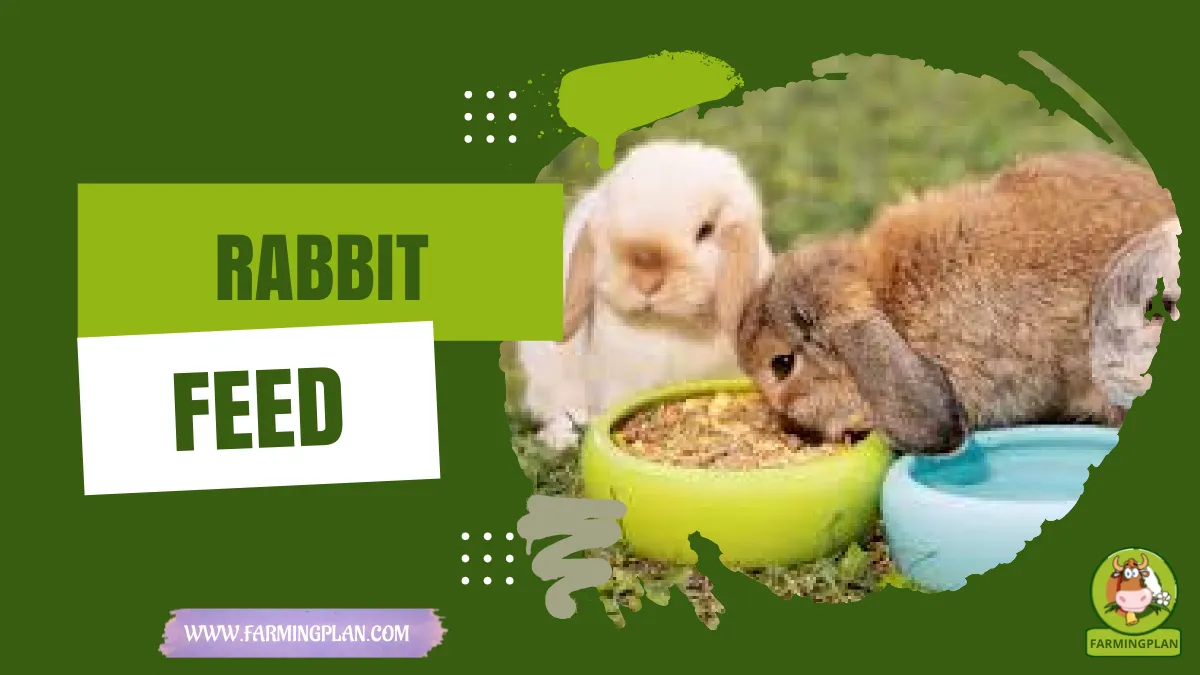
In my farm, I follow a simple but effective feeding plan. I combine pelleted feed with hay and fresh vegetables. A typical rabbit feed program includes:
- Pellets: Main source of nutrients
- Timothy hay: For fiber and digestion
- Fresh veggies: For vitamins and hydration
Rabbit feed consumption per day depends on size and purpose. An adult rabbit usually eats 100–150 grams of pellets daily along with unlimited hay.
Dos and Don’ts of Rabbit Feeding
From my experience, proper feeding practices can prevent most health problems.
Do’s:
- Provide fresh, clean water daily
- Offer high-fiber hay at all times
- Use balanced pelleted feed
- Introduce new foods slowly
Don’ts:
- Avoid excessive fruits
- Don’t feed moldy or spoiled food
- Limit high-calcium feed for adults
- Never suddenly change diet
Maintaining balance in protein percentage and fiber intake ensures rabbits stay active and healthy.
Usage/Purpose
Rabbit feed plays a huge role in productivity. When I raise meat rabbits, I focus on high-protein diets to ensure fast growth. Proper feeding reduces the time to market weight and improves meat quality. For fur rabbits, nutrition affects coat quality. Balanced diets with adequate vitamins and minerals produce shiny, dense fur.
Importance for Breeding and Pets
In breeding programs, feed directly impacts fertility and litter size. Gestating does and lactating does need higher protein and energy levels. I always adjust feed during these stages. For pet owners, feeding ensures long-term health and happiness. A balanced rabbit diet prevents obesity, digestive issues, and dental problems.
Special Features
One thing I admire about rabbits is their efficient digestive system. They are monogastric but rely heavily on hind-gut fermentation. This allows them to extract nutrients from fibrous materials that many animals cannot digest. Their production of cecotropes helps recycle nutrients like vitamins and proteins. This natural process improves feed efficiency.
Flexibility in Feed Options
Another special feature is their ability to consume a wide range of feedstuffs. From grass hays to vegetables and grains, rabbits adapt easily. This makes them ideal livestock for small farms. I’ve also experimented with organic feeds like roasted soybeans and alfalfa meal. These improve protein levels without harming digestive health.
Read More: Rabbit Farming Secrets For Profitable Success
Health Issues & Prevention
Common Health Problems from Poor Feeding
Improper rabbit feed can cause serious issues. I’ve seen cases of chronic diarrhea due to low fiber diets. Gastrointestinal problems are the most common in rabbits.
Other issues include:
- Obesity from excess carbohydrates
- Calcium imbalance causing kidney problems
- Dental issues from lack of chewing material
Poor feeding can also weaken immunity, making rabbits more prone to diseases.
Prevention and Proper Care
To prevent these issues, I follow strict feeding practices. I always provide high-quality hay and balanced pellets. I also add probiotics when needed to maintain normal digestive flora. Clean cages, proper ventilation, and fresh water play a big role in maintaining health. Monitoring feed intake helps detect problems early.
“Healthy Rabbits Start With Smart Feeding—Balance Fiber, Protein, And Care Every Day.”
Step-by-Step Farming Guide/Pet Owner Care Guide
Practical Rabbit Feeding System for Beginners
When I started rabbit farming, I made many feeding mistakes. Over time, I developed a reliable system that works for both small-scale and commercial setups. This step-by-step guide will help you avoid common errors and ensure your rabbits stay healthy and productive.
Step 1: Setting Up the Feeding System
I always begin with proper setup. Use clean cages with feeders and sipper bottles. A good rabbit feeder prevents feed waste and contamination. Place hay racks to keep hay clean and dry. I recommend using separate containers for pellets and vegetables. This keeps feeding organized and hygienic.
Step 2: Choosing the Right Rabbit Feed
Selecting the right feed is critical. I prefer high-quality pelleted feed with balanced nutrients. Look for proper crude fiber and protein percentages. You can also add organic alfalfa pellets or wheat middlings for extra nutrition. Always check feed quality before buying. Avoid dusty or spoiled products.
Step 3: Creating a Feeding Schedule
Consistency is key. I feed rabbits twice daily—morning and evening. This matches their natural feeding behavior. Provide unlimited hay throughout the day. Measure pellet portions carefully to avoid overfeeding. Adjust diet based on age, weight, and purpose.
Step 4: Adding Fresh Foods Safely
Fresh vegetables and leafy greens improve nutrition. I introduce them slowly to avoid digestive issues.
Good options include:
- Lettuce
- Carrots
- Green feeds
Avoid toxic plants and wash vegetables before feeding.
Step 5: Monitoring Health and Adjusting Diet
I always observe my rabbits daily. Changes in appetite or droppings indicate problems. If I notice issues, I adjust feed immediately. Adding probiotics or increasing fiber often solves minor problems. Regular monitoring ensures long-term success.
Expert Tips & Best Practices
Proven Feeding Tips from My Experience
- Always prioritize fiber over protein
- Use high-quality pellets with balanced nutrients
- Keep feeding routine consistent
- Provide fresh water at all times
- Avoid sudden diet changes
Advanced Feeding Strategies
- Use probiotics for digestive health
- Adjust feed for gestation and lactation
- Combine pellets with natural feedstuffs
- Monitor rabbit feed price and buy in bulk
- Store feed properly to prevent spoilage
FAQs
What is the best rabbit feed?
The best rabbit feed includes high-fiber pellets, Timothy hay, and fresh vegetables. A balanced diet ensures proper digestion and growth.
How much feed does a rabbit eat daily?
An adult rabbit eats around 100–150 grams of pellets daily along with unlimited hay. Intake varies based on size and activity.
Can rabbits eat only pellets?
No, rabbits need hay as their main food source. Pellets alone can cause digestive and dental problems.
How do rabbits get protein in the wild?
Wild rabbits get protein from grasses, plants, and cecotropes. Their digestive system recycles nutrients efficiently.
Is alfalfa hay good for rabbits?
Alfalfa hay is good for young and lactating rabbits due to high protein and calcium. Adult rabbits should eat Timothy hay instead.
Conclusion
Rabbit feed remains the backbone of successful rabbit farming and pet care. From my experience, a balanced diet with proper fiber, protein, and nutrients ensures healthy rabbits, better growth, and higher productivity. Whether you’re raising rabbits for meat, fur, or companionship, smart feeding decisions make all the difference. Start improving your feeding program today, and you’ll see the results quickly. If you found this guide helpful, share it with others, leave a comment, and let’s grow together in better rabbit care!