
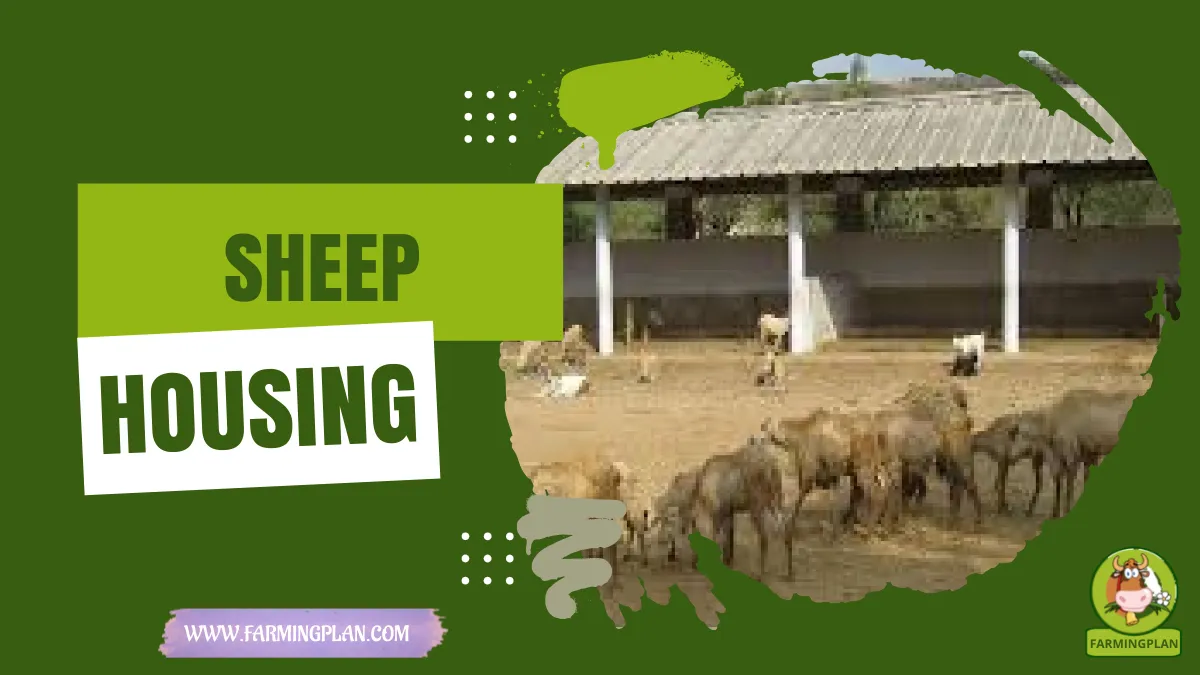
When I talk about Sheep Housing, I always tell farmers it’s more than just a simple shed—it’s the backbone of good livestock management. Proper housing keeps sheep safe from harsh weather, predators, and diseases while supporting better feeding, ventilation, and overall productivity. Whether you’re planning a small sheep shelter or a large sheep barn, understanding sheep housing design, space requirements, and ventilation is crucial.
From open sheds to fully enclosed barns, different housing types suit different climates and farming systems like grazing or zero grazing. In this guide, I’ll walk you through everything I’ve learned—from sheep shed layouts and feeding systems to lambing pens and manure management—so you can build a comfortable, efficient, and profitable housing facility.
History & Origin
In the early days, sheep lived mostly in open grazing lands with minimal shelter. Farmers relied on natural features like trees, hills, and caves to protect their flocks. I’ve seen similar traditional systems still used in rural areas today, where simple tarpaulin sheds or bamboo fencing act as basic shelters. These early systems worked well in mild climates but offered little protection against heavy rain or extreme heat.
As farming became more organized, people started building dedicated sheep shelters using local materials like wood, mud, and thatch. These early sheep sheds focused on keeping animals dry and grouped together at night to prevent predator attacks. Even now, some small-scale farmers use these low-cost designs effectively.
Read More: Rabbit Feed Secrets for Healthy Growth
Modern Sheep Housing Development
Modern sheep housing has come a long way. Today, I use structured designs like pole barns, slatted floor sheds, and enclosed sheep barns with proper ventilation systems. Organizations like Midwest Plan Service and agricultural universities have developed detailed sheep housing plans that optimize space, airflow, and hygiene.
Now we include features like feed racks, creep feeders, lambing pens, and automated watering systems. These improvements reduce labor, improve lamb growth rates, and help control diseases like foot rot. From simple open sheds to advanced housing facilities, the goal remains the same: keep sheep comfortable, healthy, and productive.
Characteristics
When I design sheep housing, I focus on durability and practicality. A good sheep shed always includes a strong roof, proper fencing, and easy access points like gates or Dutch doors. The roof protects against rain and sun, while fencing keeps predators away. Flooring also plays a big role. I often recommend slatted floors or raised platforms because they improve drainage and reduce parasite buildup. In some cases, farmers use stall mats for comfort, especially in lambing areas. The choice depends on budget and climate.
Space And Layout Planning
Space planning is critical. Each ewe needs enough square feet to move comfortably without stress. Overcrowding leads to disease and poor growth. I always plan separate areas for feeding, resting, and lambing. A well-designed layout includes hay feeders, grain troughs, mineral feeders, and water systems placed strategically. Proper placement reduces competition among sheep and improves feeding efficiency. I also ensure enough ventilation openings to maintain fresh air flow inside the barn.
Nature/Temperament
Sheep are calm but sensitive animals. I’ve noticed they prefer staying in groups and feel stressed when isolated. That’s why sheep housing must support flock behavior with open spaces and easy movement. They also get scared easily by loud noises or sudden movements. Poor housing design—like narrow passages or sharp corners—can increase stress levels. I always design smooth pathways and wide gates to allow easy handling.
Suitability Of Different Housing Types
Different sheep breeds adapt differently to housing. Some thrive in open grazing systems, while others do better in controlled environments like zero grazing setups. I match the housing type with the breed and climate. For example, in hot climates, open sheds with good shade and ventilation work best. In colder regions, enclosed barns provide better protection. Understanding sheep temperament helps me create a stress-free environment, which directly improves productivity.
Food & Diet
In my experience, proper feeding systems inside sheep housing make a huge difference. I use feed racks, hay feeders, and grain troughs to keep feed clean and reduce waste. Sheep tend to scatter feed if it’s not properly contained. Creep feeders are essential when raising lambs. They allow young lambs to access special feed without competition from adult sheep. This improves growth rates significantly. Mineral feeders also ensure sheep get necessary vitamins and nutrients.
Feeding Practices And Water Systems
I always provide fresh forage, hay, and balanced pellets. Clean water is equally important. A well-designed watering system ensures all sheep have access without crowding. Water consumption varies with weather and diet, so I monitor it daily. Poor feeding practices can lead to health issues, so I maintain a consistent feeding schedule. Proper feed storage within the housing facility also prevents contamination and spoilage.
Usage/Purpose
Sheep housing plays a major role in meat and wool production. Proper housing improves feed efficiency, reduces stress, and increases growth rates. I’ve seen farms double their productivity just by improving housing design. Housing also allows better control over breeding and lambing. With separate lambing pens, farmers can monitor newborn lambs closely and reduce mortality rates.
Protection And Management
Good sheep housing protects against predators, extreme weather, and diseases. It also makes daily management easier. Handling facilities like sheep corrals, weighing crates, and loading chutes simplify routine tasks. I always recommend investing in proper housing because it saves time, reduces losses, and improves overall farm efficiency.
Special Features
Modern sheep housing includes features like automated manure handling systems and ventilation doors. These systems reduce labor and improve hygiene. Some barns also use slatted floors to allow waste to fall through, keeping the surface clean. I’ve used this system successfully in large-scale farms. Modern sheep housing includes features like automated manure handling systems and ventilation doors. These systems reduce labor and improve hygiene.
Specialized Equipment
Special equipment like sheep shearing tables, spray chutes, and dipping vats make management easier. These tools improve animal health and reduce stress during handling. Portable lambing units are another great innovation. They allow flexible housing during lambing season. These features make sheep housing more efficient and adaptable.
Health Issues & Prevention
Poor sheep housing can lead to diseases like foot rot, parasites, and respiratory issues. Wet floors and poor ventilation are the main causes. I always keep housing dry and well-ventilated to prevent these problems. Overcrowding also increases disease spread. Maintaining proper pen size and hygiene is essential for healthy sheep.
Preventive Measures
I follow strict cleaning routines and manure management practices. Regular inspection helps detect issues early. Proper ventilation reduces heat stress and keeps air fresh. I also ensure clean water and balanced nutrition to strengthen immunity. Prevention always costs less than treatment, so I focus on proactive care.
“Good Sheep Housing Isn’t Just A Shelter—It’s The Foundation Of Healthy Growth, Calm Animals, And Better Profits.”
Step-by-Step Farming Guide
When I build Sheep Housing, I don’t rush the process. I follow a clear, step-by-step approach to ensure everything works efficiently. From selecting the right location to installing feeding systems and ventilation, every detail matters. A well-planned sheep shed reduces stress, improves lamb growth rates, and makes daily management easier.
I’ve helped many farmers set up housing systems, and I’ve seen how proper planning can save both time and money. Let me walk you through the exact steps I follow so you can build a practical and profitable sheep housing facility.
Step 1: Choose The Right Location
I always start by selecting a dry, elevated area. Waterlogging is one of the biggest enemies of sheep housing because it leads to foot rot and parasites. A slightly sloped land helps with natural drainage. I also consider accessibility. The location should allow easy movement for feeding, cleaning, and transporting sheep. I prefer areas close to feed storage and water sources to reduce daily workload. Sunlight and wind direction matter too. I position the shed to get good sunlight during winter while allowing airflow during summer. This balance keeps sheep comfortable year-round.
Step 2: Design The Shed Layout
Next, I design the layout carefully. I divide the space into sections like resting areas, feeding zones, and lambing pens. Each section serves a specific purpose and improves overall management. I calculate space requirements based on flock size. Each ewe needs enough square feet to move freely. Overcrowding causes stress and disease, so I avoid it at all costs. I also include pathways and gates for easy handling. Wide passages reduce stress during movement and make daily tasks smoother.
Step 3: Build Strong Structure And Flooring
For construction, I use durable materials like wood, metal, or concrete. The roof must protect against rain and heat. In hot climates, I prefer high roofs for better ventilation. Flooring is equally important. I often use slatted floors or raised platforms to keep the area dry. In smaller setups, farmers can use bedding materials like straw or sand. Good flooring reduces disease risk and improves hygiene. I always ensure easy cleaning and proper waste drainage.
Step 4: Install Feeding And Water Systems
Feeding systems must be efficient and hygienic. I install hay feeders, grain troughs, and mineral feeders in accessible locations. Proper placement reduces competition among sheep. For lambs, I use creep feeders. These allow young lambs to eat without interference from adults, which improves growth rates. Water systems should provide clean water at all times. I use automatic waterers in larger farms, while smaller farms can use troughs. Regular cleaning prevents contamination.
Step 5: Ensure Ventilation And Protection
Ventilation is critical. I design openings and vent doors to allow fresh air while keeping rain out. Poor ventilation leads to respiratory problems and heat stress. I also focus on predator protection. Strong fencing and secure gates keep sheep safe. In some areas, I add extra measures like night enclosures. Weather protection is another priority. The shed must provide shade in summer and warmth in winter. Proper design ensures sheep stay comfortable in all seasons.
Read More: Rabbit Farming Secrets For Profitable Success
Expert Tips & Best Practices
Pro Tips From My Experience
- I always keep housing clean and dry to prevent disease.
- I avoid overcrowding and maintain proper pen size.
- I use separate lambing pens for better care of newborns.
- I install proper lighting for night management.
- I rotate grazing areas to reduce parasite load.
- I place feeders and water systems strategically to reduce stress.
- I check ventilation regularly to maintain airflow.
- I invest in strong fencing to prevent predator attacks.
FAQs
What is shelter for sheep called?
Farmers usually call it a sheep shed or sheep barn. It provides protection from weather, predators, and disease.
How much space do sheep need in housing?
Each sheep typically needs around 10–20 square feet depending on size and system. More space improves comfort and reduces stress.
What type of housing is best for sheep?
Open sheds with good ventilation work best in warm climates. Enclosed barns are better for cold or harsh weather conditions.
Why is ventilation important in sheep housing?
Ventilation removes moisture and harmful gases. It helps prevent respiratory diseases and heat stress.
Can sheep live without housing?
Sheep can survive in open grazing systems, but proper housing improves health, productivity, and protection.
Conclusion
Sheep Housing is not just about building a shelter—it’s about creating a safe, comfortable, and efficient environment for your flock. From proper design and ventilation to feeding systems and health management, every detail plays a role in success. I’ve seen how well-planned housing improves productivity, reduces disease, and makes farming easier. If you’re serious about sheep farming, invest time and effort into building the right housing system. Try these methods, share your experience, and let’s grow better farms together!