The Black English Magpie Pigeon is one of the most charming domestic birds you can raise in your backyard coop. As an experienced poultry and bird specialist, I love watching these elegant birds show off their distinctive black and white plumage. Originating from the United Kingdom, this breed belongs to the species Columba livia domesticus and shares a proud lineage with the standard Rock Pigeon and performative Homing Pigeons.
Many people confuse their striking color pattern with the wild Black-billed Magpie bird, but our domestic friend is a peaceful, fancy pigeon breed with a unique heritage all its own. In this complete guide, I will share my personal knowledge on caring for them, understanding their behavior, and keeping them healthy for years to come.
History & Origin of Black English Magpie Pigeon
When I first started studying domestic bird breeds, the history of the English Magpie quickly caught my attention. Breeders in the United Kingdom developed this fancy pigeon centuries ago through selective breeding of early tumbler varieties. They wanted a bird with clean lines, distinctive markings, and a proud stance that would stand out in poultry exhibitions.
Over decades of careful refinement, British fanciers perfected the classic markings that mirror the wild European magpie. Unlike wild birds such as the Black-billed Magpie, which relies on wild foraging ability to survive in tough climates, this fancy pigeon was cultivated for show benches and domestic lofts. Today, breeders around the world treasure this bird for its historical significance and elegant appearance.
Understanding this rich background helps us appreciate the care and dedication needed to maintain pure breed traits. When you welcome these birds into your loft, you continue a centuries-old tradition of British fancy pigeon keeping. It fills me with pride to see modern hobbyists keeping this historical lineage alive in their own backyards.
Read More: Annaberger Haubenstrupphuhn Chicken My Ultimate Proven Guide
Characteristics of Black English Magpie Pigeon
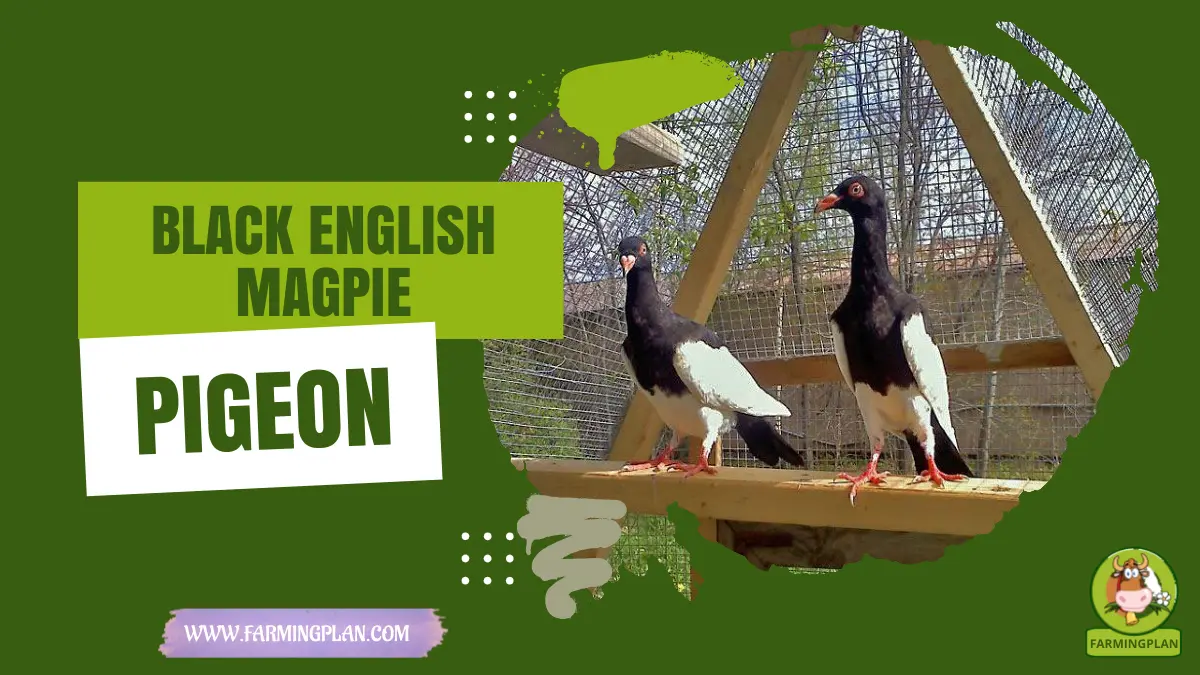
I am always amazed by the striking visual contrast when I walk into my loft. The Black English Magpie Pigeon features a deep, glossy black coat on its head, neck, breast, back, and tail, while its belly, wings, and legs shine in pure, clean white. Their sleek body shape gives them an alert, upright posture that immediately draws your eye. These fancy birds have a slender beak, clean legs without heavy feathering, and sharp, dark eyes that display their active intelligence. While they belong to the same overarching species (Columba livia domesticus) as common Rock Pigeon breeds and agile Homing Pigeons, their color pattern sets them completely apart.
Their plumage requires clean housing to stay pristine, especially if you plan to enter them into local bird shows. In terms of size, they are medium-bodied birds that carry themselves with great elegance. Unlike heavy meat production birds like the Domestic Muscovy Duck (Cairina moschata) or Male Muscovy Duck, these pigeons are light on their feet and built for graceful movement. Observing their clean feather lines and proud stance never fails to put a smile on my face.
Nature/Temperament of Black English Magpie Pigeon
In my years of working with different poultry and avian species, I have found that temperament makes a huge difference in your daily routine. The English Magpie pigeon possesses a gentle, calm, and friendly personality that makes it a delight to manage. They adapt wonderfully to human interaction and quickly learn to trust their caretakers. Unlike aggressive territory defenders, these pigeons enjoy a peaceful community life inside a well-ventilated loft. They form strong monogamous pairs, showing sweet behavioral characteristics like gentle cooing, mutual preening, and shared nesting duties.
If you spend time sitting quietly in the coop with standard poultry feed in your hand, they will soon fly down and eat right from your palm. Their peaceful nature makes them ideal for beginners, families, and seasoned breeders alike. They get along well with other non-aggressive fancy pigeon breeds without causing unnecessary stress or squabbles. Watching a pair court each other and share nesting duties is one of the most rewarding experiences you can have as a keeper.
Food & Diet of Black English Magpie Pigeon
Feeding your flock the right nutrition keeps their plumage glossy and their energy levels high. I always supply a high-quality commercial pigeon seed mix that contains a balanced blend of peas, corn, wheat, sorghum, and safflower seeds. This variety ensures they receive the right balance of carbohydrates, plant proteins, and essential natural fats. To keep their digestive system working smoothly, you must provide fresh pigeon grit and calcium supplements at all times. Grit helps them grind up tough seeds in their gizzard, while calcium is vital for laying hens to produce strong eggshells.
I also like to treat my flock to finely chopped green leafy vegetables like spinach and kale twice a week for fresh vitamins. Clean, fresh water is just as important as solid food. Pigeons drink by submerging their beaks and sucking up water, so they need deep, clean water troughs every single day. Always clean and refill their water containers daily to prevent bacterial growth and keep your birds in peak condition.
Usage/Purpose of Black English Magpie Pigeon
People often ask me what makes this specific breed so special compared to other farm birds. While farmers raise birds like the Female Muscovy Duck or Cairina moschata for Muscovy duck meat, duck breeds selection, or large Muscovy duck eggs production, people raise fancy pigeons primarily for exhibition, breeding, and personal enjoyment. These birds excel on the show bench, where judges score them on their posture, head shape, and perfect color distribution. Dedicated hobbyists spend years perfecting their lines to produce birds with flawless black and white markings.
Winning a ribbon at a local poultry show with a bird you raised yourself brings an incredible feeling of achievement. Beyond the competition circuit, these pigeons make fantastic pets and loft ornaments. Their quiet cooing and graceful flight maneuvers within an outdoor aviary offer endless relaxation after a long day of work. Raising them brings immense joy whether you compete in national shows or simply enjoy their beauty in your backyard.
Special Features of Black English Magpie Pigeon
One of the most remarkable features of this breed is its distinct “magpie” color pattern, which requires careful selective breeding to maintain. Achieving crisp, sharp lines between the deep black feathers and snowy white areas takes patience and a good understanding of avian genetics. Unlike wild birds like the Black Magpie bird or Black-billed Magpie, which use loud calls for communication, this domestic pigeon produces a soothing, soft coo.
They also possess strong homing instincts inherited from their rock pigeon ancestors, allowing them to navigate their loft environment with total confidence. Their combination of striking looks, manageable size, and calm demeanor gives them a unique status in the fancy pigeon world. When you show these birds to visitors, their distinctive color contrast always sparks conversations. Their beauty truly sets them apart from ordinary farm birds and standard pigeons.
Health Issues & Prevention of Black English Magpie Pigeon
Keeping your flock healthy requires proactive care, clean housing, and constant daily observation. Pigeons can suffer from common avian illnesses like Canker (trichomoniasis), Respiratory Infections, Pigeon Pox, and Coccidiosis. Spotting symptoms early saves lives and keeps disease from spreading through your loft. Watch your birds daily for signs of illness, such as puffed-up feathers, runny nostrils, watery eyes, lethargy, or sudden weight loss. If you notice a sick bird, isolate it immediately in a warm quarantine cage away from the rest of the flock.
Consult an avian veterinarian promptly to get an accurate diagnosis and proper medication. Preventive care is always better than cure in my experience. Keep your coop dry, clean out droppings regularly, and maintain proper ventilation to stop dampness and ammonia fumes from building up. Providing clean water, balanced feed, and routine vaccinations against Paramyxovirus keeps your flock strong, active, and resilient.
“Raising Birds Brings Endless Delight When You Give Them Loving Care Every Single Day.”
Step-by-Step Pet Owner Care Guide for Black English Magpie Pigeon
Before bringing your new birds home, you need to prepare a safe, dry, and clean environment. I recommend building or purchasing a wooden loft raised off the ground to protect your flock from damp soil and hungry ground predators. Make sure the loft includes secure wire mesh windows to allow plenty of sunlight and fresh air to circulate without creating cold drafts.
Setting Up the Perfect Loft and Nesting Area
Inside the loft, install comfortable perches at different heights so every bird can find a favorite spot to rest. Provide spacious wooden nesting boxes lined with clean straw, pine shavings, or tobacco stems where breeding pairs can nest securely. Position your feed hoppers and deep water fountains off the floor to keep droppings from contaminating their food and drink.
Double-check all doors, latches, and wire mesh panels to ensure rats, raccoons, and cats cannot break inside. A clean, well-protected loft reduces stress and gives your birds a peaceful sanctuary where they can thrive and raise their young safely.
Step 1: Selecting Healthy Birds and Initial Quarantine
When you buy your first pair, look for bright eyes, smooth feathers, clean vents, and active behavior. Avoid birds that sit hunched in corners, display dirty vent feathers, or show any respiratory wheezing. Healthy birds should feel plump and firm across their breastbone when you handle them gently. Place all new arrivals in a separate quarantine cage for at least two to three weeks before introducing them to your main flock. This observation period allows you to check for hidden illnesses, treat potential internal parasites, and let the birds settle down without stress.
Monitor their eating habits, droppings, and overall energy levels carefully during this time. Use this quarantine phase to handle your new birds gently every day so they get used to your voice, hands, and presence. Offering a few safflower seeds from your hand builds trust and helps form a strong bond between you and your new pigeons right from the start.
Step 2: Establishing a Daily Feeding and Watering Routine
Consistency is key when caring for domestic pigeons, so I recommend establishing a strict daily feeding schedule. Offer your high-quality seed mix twice a day, providing only as much as they can clean up in twenty minutes. This practice prevents leftover grain from attracting wild mice, rats, or wild birds into your loft. Refill their water containers every morning with fresh, clean water, scrubbing out any dust or algae before filling. Add a soluble multivitamin supplement to their water once a week to support their immune system, especially during the annual molting season.
Always ensure your grit dish remains full so they can digest their hard grains properly. Observe how quickly your birds eat during feeding time, as a sudden loss of appetite is often the first sign of an underlying health problem. Consistent feeding times create a smooth routine that keeps your flock calm, predictable, and eager to interact with you daily.
Step 3: Maintaining Loft Hygiene and Disease Control
Cleanliness forms the backbone of successful pigeon keeping, so set aside time each week for deep coop maintenance. Scrape down perches, clean out nesting boxes, and replace soiled bedding material with fresh, dry wood shavings or straw. Keeping the loft floor bone-dry stops parasite eggs and harmful bacteria from multiplying. Disinfect all feed troughs and drinking fountains weekly using a bird-safe organic disinfectant. Ensure your ventilation openings remain clear of dust and cobwebs so fresh air flows freely through the loft year-round.
Proper air movement removes excess moisture, cuts down on dust, and protects delicate avian lungs. Regular hygiene routines drastically reduce veterinary costs and keep your birds looking vibrant and show-ready. A dry, fresh-smelling loft provides a healthy atmosphere where your pigeons feel safe, happy, and ready to raise strong offspring.
Step 4: Managing Breeding and Raising Healthy Chicks
When your pair reaches maturity, supply them with a sturdy nest bowl and plenty of clean nesting materials like small twigs or pine needles. The female will typically lay two white eggs over a three-day period, and both parents will share the responsibility of incubating them for about eighteen days. During the incubation period, keep the loft quiet and minimize unnecessary disturbances to prevent stressed parents from stepping on their eggs.
Once the chicks hatch, ensure the parents have free access to rich breeding feed, fresh greens, and extra calcium. The parents feed their newly hatched squabs nutrient-rich “crop milk” produced in their digestive tract. Monitor the growing squabs daily to check that their crops look full and healthy. Within four to five weeks, the chicks will feather out fully, leave the nest bowl, and begin learning to pick up seeds on their own alongside their parents.
Read More: Layer Poultry Farming: My Ultimate Proven Guide
Expert Tips & Best Practices for Success of Black English Magpie Pigeon
- Provide a shallow pan of fresh water twice a week so your birds can take a relaxing bath and keep their feathers clean.
- Add a small amount of apple cider vinegar to their drinking water once a week to support healthy gut microflora.
- Keep detailed breeding records in a notebook to track egg dates, hatch rates, and lineage for future show stock.
- Install high perches near windows so your birds can soak up natural sunlight and absorb essential Vitamin D.
- Handle your birds gently and frequently from a young age to keep them calm, tame, and easy to manage during show events.
FAQs
What is the average price of a Magpie pigeon?
The price typically ranges between $30 and $100 per bird depending on their bloodline, color purity, and overall quality. Rare show-quality specimens with perfect markings can cost significantly more from specialized breeders.
How does the domestic Magpie pigeon differ from the wild Black-billed Magpie?
The domestic pigeon is a peaceful grain-eating bird (Columba livia domesticus) bred for lofts and shows. The Black-billed Magpie (Pica hudsonia) is a wild, omnivorous songbird known for its loud calls and wild foraging habits.
What do Black English Magpie Pigeons eat on a daily basis?
They eat a balanced diet of commercial pigeon seed mixes containing peas, corn, wheat, and safflower seeds. They also require clean water, fresh pigeon grit, and calcium supplements for proper digestion and egg production.
Can I keep English Magpie Pigeons with other farm poultry?
Yes, you can keep them near other poultry, but they need their own dedicated loft space to stay clean and safe. Mixing them directly with large farm birds like ducks or chickens can lead to injuries or unnecessary stress.
How long do Black English Magpie Pigeons live with proper care?
With a clean loft, balanced nutrition, and protection from predators, these domestic pigeons can live between 10 to 15 years. Regular care and health monitoring ensure they enjoy a long and healthy life in your loft.
Conclusion
Raising the Black English Magpie Pigeon brings endless joy, beauty, and satisfaction to any bird lover’s life. Throughout this article, I shared my specialist insights on their British origins, striking black and white appearance, calm personality, and daily care needs. By setting up a dry loft, serving balanced seed mixes, and maintaining good hygiene, you will give your flock everything they need to thrive. Whether you want to enter fancy bird shows or build a peaceful backyard loft, these wonderful pigeons will reward your efforts every single day. I invite you to leave a comment below with your pigeon questions or share this guide with fellow bird enthusiasts today!