I have raised many livestock breeds over my career as a farming specialist, but the American Blackbelly sheep holds a very special place on my pasture. Raising American Blackbelly sheep gives you a unique livestock experience because they combine striking looks with incredible utility. If you want a hardy animal that skips the shearing process, this hair sheep breed is a magnificent choice for your farm. Unlike conventional wool breeds like Rambouillet, these hair sheep shed their winter wool naturally every spring.
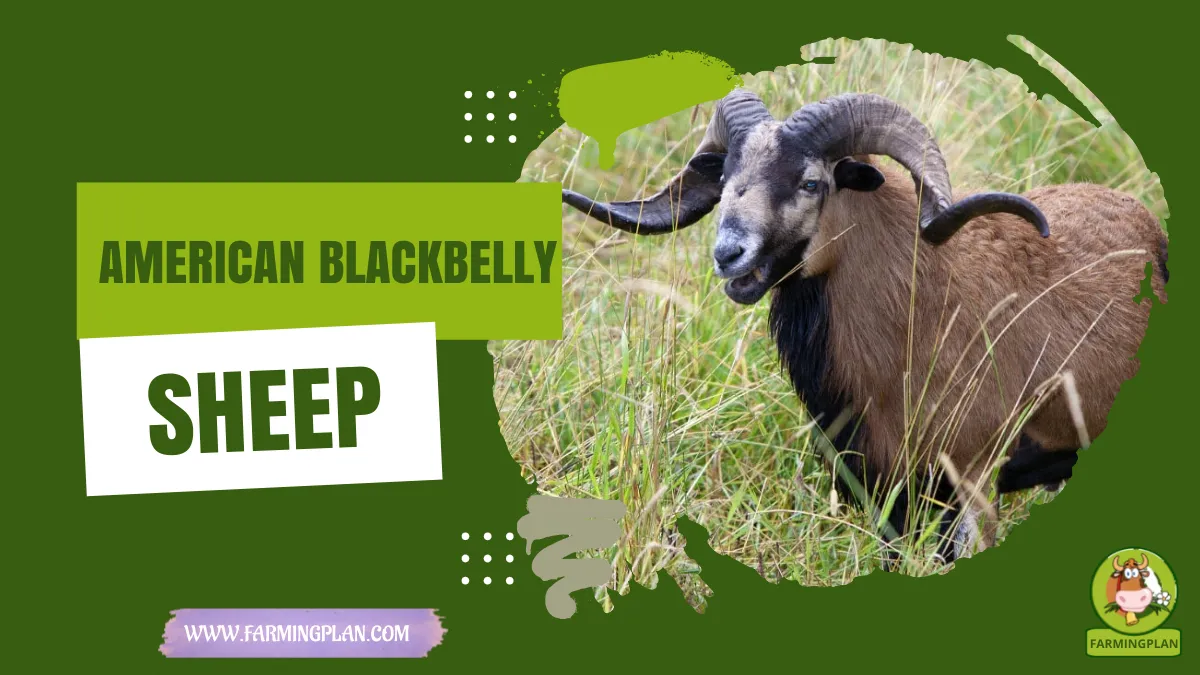
They carry grand sweeping horns on the rams, bold badger face markings, and rich reddish-brown coats that catch your eye instantly. Farmers love them because they boast exceptional parasite tolerance, high disease resistance, and legendary thriftiness on modest forage. Whether you want premium hair sheep meat, an efficient brush mower, or an exotic-looking grazer, these animals adapt perfectly to harsh weather and tropical heat. Let us walk through everything you need to know to raise a healthy, thriving herd on your land today.
History & Origin of American Blackbelly Sheep
When I trace the background of these animals, the story leads directly back to the Caribbean island of Barbados. African hair sheep arrived in the region centuries ago and adapted to high tropical heat and humidity. Local growers crossed them with European wooled breeds to boost body size while retaining heat tolerance. This blend created the polled Barbados Blackbelly sheep. In the mid-twentieth century, visionaries in North America imported these polled hair sheep and introduced crossbreeding programs with Mouflon sheep and Rambouillet stock. This cross-bred Corsican Mouflon influence added impressive horns, a larger frame, and enhanced body capacity.
Rams of the American Blackbelly Sheep breed carry grand, sweeping horns, bold badger face markings, and rich reddish-brown coats that catch your eye instantly across any field. Livestock owners love the American Blackbelly Sheep because it boasts exceptional parasite tolerance, high natural disease resistance, and legendary thriftiness when grazing on modest pasture forage. Whether you plan to raise the American Blackbelly Sheep for its mild, high-quality meat, use it as an efficient brush mower, or keep a small flock as exotic-looking grazers, this breed adapts perfectly to harsh winter cold and tropical summer heat alike.
The Evolution of a Registered Breed Standard
As growers across North America recognized the value of this horned hair sheep, they established strict phenotypic traits to set them apart. Organizations like the Livestock Conservancy and the Barbados Blackbelly Sheep Association International (BBSAI) helped define true breed standards. Today, scientists at North Carolina State University and the Food and Agriculture Organization of the United Nations document these unique domestic animal genetic resources. I always tell new growers that maintaining this genetic diversity keeps our heritage breeds strong, healthy, and ready for future farming demands.
Read More: Bavarian Landrace Goose: Master Powerful Native Beef Farming
Characteristics of American Blackbelly Sheep
Recognizing an American Blackbelly sheep in a pasture is simple because their coat color and markings are unmistakable. They sport a reddish-brown or tan coat with stark black underbellies, chin stripes, and facial bars. Their fur includes a light winter wool coat that sheds clean during summer, saving you hours of shearing labor. Ewes display a sleek, feminine profile with a tight udder, while mature rams grow a thick, muscular neck with a dramatic mane. Unlike wool sheep, you never need tail docking for these clean hair sheep.
Body Size, Horn Shape, and Adult Weight
The physical conformation of this breed balances agility with solid meat production. A mature ram lamb grows rapidly into a powerful adult weight ranging between 110 to 140 pounds, while mature Ewes weigh 80 to 100 pounds. The crowning glory of the ram is its massive horn shape, which curls outwards and backwards in a wide sweeping spiral reminiscent of wild BigHorn sheep or Soay sheep. Females are usually naturally polled or carry tiny scurs. Their agile frame lets them thrive on steep, brushy terrain where heavier breeds struggle.
Nature/Temperament of American Blackbelly Sheep
I often tell new livestock keepers that these animals preserve strong prey-animal instincts compared to sluggish wooled breeds. Their temperament is alert, curious, and energetic. They stay constantly aware of their surroundings, making them quick on their feet and excellent at evading predators. When they graze on open pasture, they stick tightly together as a flock. This strong flocking instinct makes moving them between pastures simple once you establish a calm routine with feed buckets.
Building trust with your hair sheep herd
While they are not aggressive, they naturally maintain a cautious distance from strangers. If you want tame animals that eat out of your hand, you must spend consistent time walking through the field and offering treats. Working quietly without shouting or rushing prevents panic. Ram lambs raised with gentle boundaries grow into calm adults, though you should always respect full-grown rams with large horns. Ewes make fierce, attentive mothers who guard their newborn lambs against minor pasture threats.
Food & Diet of American Blackbelly Sheep
Feeding this breed is straightforward because they excel at browsing tropical grasses, weeds, brush, and native plants. Their efficient digestive system allows them to extract full nutritional value from rough forage that other sheep breeds reject. I graze my flock on rotational pasture setups where they consume leafy greens and woody stems with equal enthusiasm. During summer, they keep pastures neat while clearing unwanted invasive weeds without overgrazing delicate roots.
Essential Mineral Needs and Winter Supplements
During winter or dry months, you must offer clean grass hay alongside fresh water at all times. Standard sheep keeping requires targeted mineral mixes; never feed horse or cattle minerals because excess copper poisons sheep. Provide loose mineral supplements formulated specifically for hair sheep to support strong bone development, healthy gestation, and shiny coats. If you feed pregnant ewes a small grain ration during late pregnancy, they will deliver vibrant, fast-growing lambs with ease.
Usage/Purpose of American Blackbelly Sheep
One major reason I recommend this breed is the superior quality of American Blackbelly sheep meat. Because these animals do not produce lanolin—the oily substance found in wool coats—their meat lacks the strong, gamey flavor found in traditional mutton. The meat offers a mild, delicate, lean flavor profile that appeals strongly to modern consumers. Their lean carcass yields high-quality cuts with minimal fat trimming, making them extremely popular in niche grass-fed meat markets.
Land Management and Trophy Animal Appeal
Beyond meat production, these animals serve as superb brush mowers for land management. They clear heavy brush, briars, and weeds faster than goats while causing less damage to sturdy fencing. Breeders also value them for crossbreeding programs to pass along heat tolerance, worm-resistant traits, and hardiness to offspring like Dorper or Katahdin crosses. Furthermore, their majestic, exotic-looking horns make mature rams highly sought after as trophy animals on game ranches across North America.
Special Features of American Blackbelly Sheep
Internal parasites pose a constant challenge for livestock producers, but this breed stands out with incredible natural resistance. Years of living in warm climates developed strong parasite tolerance within their immune systems. They resist common internal worms better than most European wooled breeds, drastically reducing your need for frequent deworming pills. This natural disease resistance cuts medication costs, prevents chemical resistance, and makes them an ideal choice for low-input organic farming.
Extreme Weather Adaptability without Shearing
Whether facing scorching summer heat or freezing winter winds, these hair sheep handle climate extremes without distress. Their thin, light-reflecting summer coat allows them to graze comfortably in open pastures during peak tropical heat and humidity. When autumn arrives, they grow a dense winter wool coat that protects them from freezing snow. In spring, they shed this winter coat naturally in clumps, eliminating the high costs and physical strain of annual sheep shearing.
Health Issues & Prevention of American Blackbelly Sheep
Even though this breed is famously tough, good management requires watching for subtle signs of illness. Parasites like the barber pole worm can still affect young lambs or stressed ewes during rainy seasons. Watch for pale eyelids, sudden weight loss, or sluggish movement across the field. Hoof rot can occur if animals stand in wet, muddy paddocks for long periods. Respiratory issues may appear if housing lacks proper ventilation during damp winter spells.
Proactive Care and Herd Protection
Preventative management forms the core of my health strategy. Keep your pastures well-drained and trim hooves twice a year to prevent foot rot. Implement strategic rotational grazing to break parasite life cycles naturally without overusing chemical dewormers. Vaccinate your herd annually for Clostridium perfringens types C & D and tetanus (CD&T vaccine). Providing clean water, balanced minerals, and dry shelter keeps your flock active, fertile, and thriving for years.
“Raising American Blackbelly Sheep Brings Total Joy And Profit To Every Smart Farmer Today.”
Step-by-Step Farming Guide for American Blackbelly Sheep
I have raised many livestock breeds over my career as a farming specialist, but the American Blackbelly Sheep holds a very special place on my pasture because of its resilience, beauty, and incredible low-maintenance care. Raising the American Blackbelly Sheep gives you a unique livestock experience because these animals combine striking looks with incredible overall utility on small farms or expansive ranches. If you want a hardy hair sheep breed that completely skips the costly annual shearing process, the American Blackbelly Sheep stands out as a magnificent choice for your land today. Unlike conventional wool breeds, the American Blackbelly Sheep sheds its light winter coat naturally every single spring, saving you countless hours of heavy physical labor.
Mastering the Basics of Raising American Blackbelly Sheep
Starting your own flock requires thoughtful planning, proper infrastructure, and consistency. These step-by-step instructions draw directly from my hands-on field experience to ensure you set up a safe, prosperous farm environment. Whether you keep a small herd for personal meat or start a registered breeding operation, following these core steps builds a strong foundation for your livestock journey. These self-shedding hair sheep eliminate shearing labor while thriving on modest pasture forage through harsh heat and cold weather alike.
Step 1: Designing Secure Fencing and Enclosures
Securing your perimeter is the single most critical step when bringing hair sheep home. These animals are agile jumpers and energetic movers, so standard three-strand wire will not keep them contained. Install high-quality woven wire cattle fencing at least four feet tall, complemented by a strand of electric hot wire near the bottom and top. The hot wire deters predators like coyotes and prevents rams from rubbing their massive horns against the fence panels. Build a clean, dry three-sided shelter that blocks prevailing winds and driving rain. Make sure the shelter includes dry straw or wood shavings for bedding, alongside well-ventilated roof gaps to prevent moisture buildup.
Step 2: Selecting Healthy Foundation Stock
Building a high-performing herd depends on purchasing strong, well-conformed animals from reputable growers. Search the BBSAI breeder directory to find registered breeders who focus on genetic diversity, parasite resistance, and proper breed standards. When inspecting stock, check that ewes possess clean badger face markings, sound feet, and balanced udders with two functional teats. Inspect rams for broad chests, sturdy leg structure, and symmetrical horn curl without tight contact against the jaw. Avoid buying stock from crowded sale barns where disease spreads rapidly. Investing in healthy, registered foundation animals pays massive dividends in lambing success and future sales value.
Step 3: Implementing Pasture and Feed Management
Establishing an efficient rotational grazing system maximizes forage yield and keeps your animals healthy year-round. Divide your pasture into small paddocks using portable electric netting or permanent internal cross-fencing. Move your flock to fresh ground every few days, allowing grazed plants to regrow to at least four inches before returning the animals. This rotation breaks worm life cycles naturally while giving the sheep fresh, high-protein tropical grasses. Keep clean water troughs filled daily and position weatherproof mineral feeders containing sheep-safe loose minerals nearby. During winter, feed high-quality grass hay free-choice alongside small grain rations for pregnant ewes.
Step 4: Managing Lambing and Daily Herd Care
Daily care routines keep your herd friendly, orderly, and easy to handle. Walk through your pasture every morning to observe individual behaviors, ensuring all animals move freely and show bright, alert eyes. During spring lambing season, ewes usually deliver twin or triplet lambs without human intervention due to their large body capacity and easy births. Ensure newborn lambs nursery-nurse early to ingest rich colostrum within their first six hours of life. Monitor lamb growth rates, keep detailed breeding records, and maintain a quiet, predictable farm environment that builds deep trust between you and your livestock.
Read More: Baku Boinije Pigeon: Master Powerful Native Beef Farming
Expert Tips & Best Practices
- Spend fifteen minutes sitting quietly in the pasture daily so the flock accepts your presence naturally.
- Keep a bag of sweet feed on hand to train your sheep to follow a simple call or bucket shake.
- Rotate paddocks every 3 to 5 days during humid months to disrupt internal parasite lifecycles completely.
- Avoid catching horned rams by their horns, as this causes panic and leads to head-busting behavior.
- Trim hoof edges cleanly during spring shedding season when the hooves are naturally soft from damp dew.
- Never feed cattle or horse grain mixes to your flock due to dangerous copper toxicity risks.
- Provide deep shade trees or shade cloth shelters in summer paddocks to reduce thermal stress.
- Maintain clean, dry bedding inside loafing sheds to prevent bacterial foot infections and pneumonia.
FAQs
Do American Blackbelly sheep need to be sheared?
No, American Blackbelly sheep are hair sheep that do not require shearing. They naturally shed their winter wool coat every spring, leaving a sleek hair coat underneath.
How big do American Blackbelly sheep get?
Mature rams generally weigh between 110 and 140 pounds and grow large sweeping horns. Adult ewes are polled or scurred and typically weigh between 80 and 100 pounds.
What is the difference between Barbados Blackbelly and American Blackbelly sheep?
Barbados Blackbelly sheep are naturally polled and originated in the Caribbean. American Blackbelly sheep were developed in North America by crossing them with Mouflon stock to produce large horns on rams.
Is American Blackbelly sheep meat good to eat?
Yes, the meat is exceptionally mild, lean, and delicious. Because hair sheep do not produce lanolin oil in their coats, their meat lacks the strong gamey flavor found in wool mutton.
Are American Blackbelly sheep hard to fence?
They require solid four-foot woven wire fencing because they are agile and energetic. Adding an electric hot wire prevents rams from pushing against fence wire with their heavy horns.
Conclusion
Raising American Blackbelly sheep has been one of the most rewarding choices of my livestock career, offering exceptional resilience, low maintenance, and outstanding meat production. Their striking horn growth, high parasite resistance, and easy lambing traits make them a smart investment for small acreage owners, commercial ranchers, and heritage breed enthusiasts. If you are ready to transform your farm setup with resilient, beautiful animals, start connecting with registered breeders in your area today to build your dream flock. Managing the American Blackbelly Sheep offers high rewards with low input costs, making it a dream choice for beginner hobbyists and seasoned livestock producers who want a thriving, sustainable herd.