I love sharing my practical farming experience with fellow pig enthusiasts, breeders, and small-scale homesteaders! The Estonian Bacon Pig stands out as an incredible European meat-breed known for producing lean pork production and unbelievable carcass quality. When I first introduced this breed to my farm, I instantly fell in love with its adaptability and rapid growth rates. Farmers around the Baltic Sea region and Nordic countries appreciate its lean meat performance indicators and strong disease resistance.
Developed primarily in Estonia through selective crossing, this hardy swine breed combines strong structural genetics from the Estonian Large White, Estonian Landrace, Durocs, and Pietrain. Whether you manage commercial units, operate a local family operation, or run small-farm systems, this breed brings outstanding value to your barn. Join me as I walk you through the amazing history, personality, dietary needs, health practices, and practical step-by-step care guidelines to help you succeed.
History & Origin of Estonian Bacon Pig
The story of this famous swine breed began in Estonia during the early twentieth century. Local breeders wanted a specialized pig capable of producing high-grade bacon for export markets across Western Europe and Russia. Farmers crossed native Baltic pigs with imported European strains like the Large White, Berkshire, and German Landrace to improve meat dishes and carcass yields. Over decades of dedicated work, the Estonian Pig Breeding Association standardized the breed to maximize intramuscular fat content while maintaining strong growth metrics.
During the Soviet era, selective breeding focused on mass meat production and resilience in cold climates. Researchers created specialized lines at breeding stations, including the Hinnu pig farm and local artificial insemination station facilities. These efforts helped spread the breed across Eastern Europe, where it competed alongside Russian meat breeds like the Urzhum and Russian Large White. Today, brands like Rakvere in Lääne-Viru County continue to highlight the rich meat heritage of this exceptional swine line.
Read More: Wuzhishan Pig Care Secrets Every Farmer Needs
Characteristics of Estonian Bacon Pig
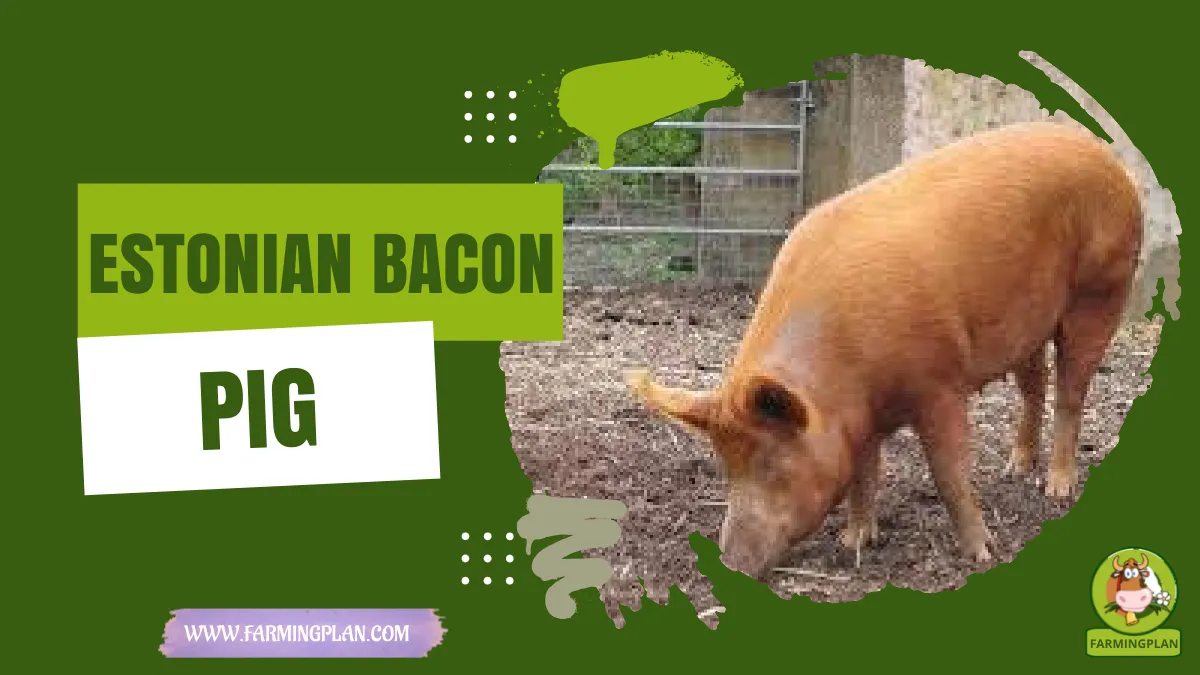
You will easily spot this swine breed thanks to its long, deep-sided body designed specifically for superior bacon cuts. They display a bright white or light pink skin tone covered by fine white bristles that shield them from mild weather. Their heads feature a straight or slightly dished profile with medium-sized ears that droop forward over their eyes. I always admire their solid feet and strong legs, which easily support heavy carcass weights without structural breakdown.
Compared to heavy lard breeds like the Chinese Fengjing pig, Meishan, or Hungarian Mangalica, this animal boasts a lean, muscular build. Adult boars can weigh over six hundred pounds, while mature sows reach around five hundred pounds with excellent fertility indicators. Their balanced backline provides long loin cuts, making them highly desirable for commercial slaughterhouse processors. Whether compared against the Highland pig, Bangur pig, or extinct Grice pig, their clean build remains truly impressive.
Nature and Friendly Temperament of Estonian Bacon Pig
Working with these animals every morning brings pure joy because they show a remarkably calm and gentle personality. Sows demonstrate exceptional mothering instincts, taking great care of their piglets inside farrowing management pens without displaying excess aggression. I find that boars maintain a quiet demeanor, making routine health checks and barn transfers easy for farm workers. Their friendly curiosity makes them a pleasure to manage on both pasture and deep bedding setups.
Their social nature allows them to thrive alongside other livestock, including Swedish Landrace pig, Gascon pig, or Hampshire pig breeds. They adapt quickly to human presence and respond well to gentle handling and consistent daily routines. Children and farm hands can safely work around them when proper handling rules are followed. This easygoing temperament reduces social stress, which helps maintain steady weight gains across the entire herd.
Food Guidelines and Nutrition Requirements of Estonian Bacon Pig
Feeding your herd a balanced and healthy diet keeps them growing fast while preserving lean meat quality. I base their daily feed on locally sourced grains like barley, wheat, and oats combined with high-protein soybean meal. Young growing piglets need a ration containing roughly eighteen percent crude protein, while finishing swine thrive on fourteen percent protein. Adding clean vegetable oil or natural fats can boost energy levels during cold winter months.
Always provide fresh, clean drinking water through automated nipple drinkers to ensure proper digestion and feed intake. Avoid feeding spoiled foods, sugary leftovers, or uncooked garbage that can carry harmful pathogens and disturb gut health. I love offering fresh pasture forage, pumpkins, and roots as supplemental snacks to enrich their diet naturally.
Usage and Commercial Purpose for Estonian Bacon Pig
Farmers raise this outstanding breed primarily for high-yield meat production and specialty cured pork goods. Their long sides yield prime bacon strips with an optimal ratio of lean meat to luscious fat layers. Local butcher shops and gourmet chefs value their pork for making traditional food items like Estonian, Piragi, or Latvian bacon buns. The balanced marbling enhances tender roasts, savory sausages, and traditional smoked meats loved by friends and family members.
Beyond meat production, purebred animals serve as vital genetic assets for commercial pig-breeding sector operations. Breeders cross them with Pietrain, Tamworth, or Duroc breed lines to produce stress resistant feeder pigs with maximum vigor. Their high litter sizes make them profitable for grain and feed producers who raise livestock alongside crops.
Special Features and Rare Qualities of Estonian Bacon Pig
One remarkable feature of this breed is its natural tolerance to cool Northern European winter climates. Their thick skin and strong cardiovascular systems allow them to stay active inside well-ventilated housing without losing condition. Unlike delicate imported lines, these pigs process coarse grains efficiently, turning simple fodder into high-grade muscle tissue rapidly. Their outstanding feed conversion ratio saves homesteaders money on commercial feed bills every season.
Another impressive quality lies in their exceptional maternal instincts and large average litter size. Sows frequently farrow twelve to fourteen strong piglets and produce ample milk to rear healthy litters evenly. Their strong legs reduce the risk of structural injuries on concrete slats or deep straw bedding. Their natural stress resistance preserves high meat quality by preventing pale, soft, and exudative pork after harvest.
Health Issues and Preventive Care of Estonian Bacon Pig
Maintaining robust herd health requires proactive sanitation, proper ventilation, and regular monitoring for common swine ailments. These pigs can suffer from respiratory infections if pens accumulate excessive ammonia fumes or dust from dry feeds. Keep bedding dry and clean to prevent bacterial skin conditions, foot rot, and external parasite infestations like mange mites. Routine vaccination programs protect your stock against dangerous diseases like erysipelas, parvovirus, and mycoplasma pneumonia.
Watch for warning signs like reduced appetite, lethargy, coughing, or sudden feverish behavior in your herd. Internal parasites like roundworms can slow down growth rates and damage liver tissues if left untreated. I deworm my stock twice a year using approved swine treatments recommended by our local veterinarian. Providing proper space, clean water, and nutritional balance keeps their natural immunity strong year-round.
“Discover Great Success When Raising The Magnificent Estonian Bacon Pig On Your Homestead Today!”
Step-by-Step Farming Guide for Estonian Bacon Pig
The Estonian Bacon Pig is an incredible breed that every passionate swine enthusiast should consider adding to their homestead. Throughout my years of hands-on agricultural experience, I have found that raising the Estonian Bacon Pig offers unmatched rewards for both small-scale hobbyists and large commercial operations. This robust Estonian Bacon Pig stands out due to its remarkable adaptability, impressive growth rates, and outstanding lean meat production, making the Estonian Bacon Pig the absolute pinnacle choice for producing high-quality carcass yields and delicious bacon strips.
When you manage an Estonian Bacon Pig on your farm, you quickly notice how its calm, friendly temperament simplifies daily routines, while the natural resilience of the Estonian Bacon Pig ensures steady productivity even through harsh, cold winters. Getting started with swine farming requires careful preparation, proper shelter design, and consistent daily care to ensure long-term herd productivity and animal welfare. Discover how raising the Estonian Bacon Pig yields rich, high-quality pork with practical expert farming tips for ultimate farm success.
Step 1: Designing Shelter and Housing Facilities
Building a safe, dry, and comfortable shelter protects your swine from harsh winds, intense sun, and heavy rain. I build housing pens using sturdy timber or concrete blocks with concrete floors sloped toward drainage channels for easy cleaning. Ensure adequate space by providing at least eight to ten square feet of indoor area per growing pig. Install continuous ridge vents and side windows to clear out moisture, dust, and harmful ammonia gas continuously.
Fill indoor sleeping quarters with generous layers of fresh straw or dry wood shavings to create soft bedding. Secure outdoor exercise yards with heavy-duty wire panels reinforced with a low electric fence wire to prevent digging. Clean water lines, sturdy feed troughs, and shaded resting zones must be installed before bringing your first piglets home.
Step 2: Selecting Quality Foundation Breeding Stock
Choosing healthy young stock establishes the genetic foundation for your entire meat production operation. Inspect prospective piglets carefully, selecting alert animals with bright eyes, smooth hair coats, and strong, straight legs. Avoid buying pigs that display signs of coughing, joint swelling, loose stools, or lethargic movements around the feed trough. Request health records and genetic history from reputable breeders registered with official swine associations whenever possible.
Focus on selecting gilts from large, healthy litters whose mothers demonstrated calm temperaments and excellent milking ability. Look for boars with deep chests, wide backs, and well-developed feet that can handle heavy breeding activity safely. Bringing genetically diverse stock into your barn prevents unwanted inbreeding and maintains high growth vigor across generations.
Step 3: Daily Feeding and Nutritional Care
Establishing a reliable daily feeding schedule keeps your animals calm, healthy, and growing at a predictable rate. I feed my herd twice daily at fixed times, offering balanced grain rations tailored to their specific growth stages. Ensure young pigs receive high-protein starter feeds before transitioning them smoothly onto grower and finisher mixtures over several weeks. Clean out any wet or moldy feed left in troughs to prevent digestive upsets and dangerous toxicosis.
Check automatic water nipple lines every morning to confirm clean water flows freely at all times. Supplement their grain diet with fresh pasture grasses, clover, fodder beets, or clean farm vegetables to boost vitamin intake. Keep mineral blocks or loose swine minerals available so pigs can fulfill their trace element requirements naturally.
Step 4: Managing Farrowing and Piglet Care
Preparing for a sow to give birth requires clean facilities, quiet surroundings, and close attention to detail. Wash and sanitize the farrowing pen thoroughly, laying down fresh, dry bedding several days before the expected birth date. Keep heat lamps secured safely over designated piglet creep areas to maintain a warm environment around eighty-five degrees Fahrenheit.
Dip piglet navels in mild iodine solution immediately after birth to protect against bacterial infection and joint ill. Administer supplemental iron injections within the first three days because sow milk naturally contains very little iron. Keep piglets warm, dry, and well-nourished while monitoring the sow’s appetite and water consumption during lactation closely.
Step 5: Herd Sanitation and Disease Prevention
Maintaining strict bio-security practices protects your herd from devastating contagious swine diseases and costly veterinary bills. Restrict farm visitors and require dedicated boots or footbaths before anyone enters your swine housing areas. Scrap out manure daily and replace damp bedding frequently to minimize fly breeding and reduce bacterial buildup.
Work alongside a licensed veterinarian to create a customized vaccination and parasite control protocol for your farm location. Monitor feed consumption daily, as a sudden drop in feed intake usually indicates early health trouble. Isolate sick animals immediately inside dedicated warm recovery pens until they recover fully from illness.
Read More: Arabian Trumpeter Pigeon: Best Exotic Breed
Expert Tips and Best Practices for Estonian Bacon Pig
- Keep detailed breeding, farrowing, and growth records to identify your top-performing sows.
- Install heavy-duty automatic watering systems to ensure constant access to fresh, cool water.
- Rotate outdoor pasture lots regularly to manage parasite loads and preserve green ground cover.
- Feed high-quality alfalfa hay during winter months to provide necessary digestive fiber.
- Maintain a calm farm environment by talking softly and avoiding loud noises around pigs.
- Provide mud wallows or overhead misters during hot summer days to prevent heat stress.
- Cull unproductive sows with small litter sizes or poor milk production to upgrade herd quality.
- Group pigs by size and weight to prevent larger animals from bullying smaller herd mates.
FAQs
What makes the Estonian Bacon Pig ideal for bacon production?
This breed features a long, deep body structure specifically developed through selective breeding for lean meat ratios. Their balanced backfat and intramuscular fat distribution produce tender, flavorful bacon cuts favored by butchers worldwide.
How cold-tolerant is this European swine breed?
They handle cold climates exceptionally well thanks to their thick skin and robust northern genetic origin. As long as they have dry, draft-free shelter with deep straw bedding, they remain comfortable through winter.
What is the average litter size for Estonian Bacon Pig sows?
Sows typically give birth to large litters ranging between eleven and fourteen strong, healthy piglets. They display calm maternal instincts and excellent milk production, making them reliable mothers for homesteaders.
Can small-scale homesteaders raise these Estonian Bacon Pigs on pasture?
Yes, they adapt wonderfully to pasture-based farming and deep-bedding small-farm systems. Their calm nature and strong legs allow them to forage efficiently while maintaining good growth rates.
What should I feed my pigs to maintain high meat quality?
Feed them a balanced daily diet of ground grains like barley, oats, and wheat mixed with necessary minerals. Avoid overfeeding high-fat garbage scraps so the carcass remains lean with excellent meat quality.
Conclusion
Raising the Estonian Bacon Pig on my farm has been one of the most rewarding agricultural experiences of my life. This exceptional breed brings together impressive growth rates, gentle temperaments, and world-class carcass yields that make farming truly profitable and enjoyable. By offering proper shelter, balanced nutrition, and clean living conditions, you can raise healthy stock that produces superior pork for your table. Leave a comment below sharing your pig farming questions, or share this guide with fellow breeders to support sustainable swine production! Whether you are focus-breeding purebred stock or simply raising an Estonian Bacon Pig for premium farm-to-table pork, investing your time into the Estonian Bacon Pig will consistently deliver exceptional results for your agricultural journey.