
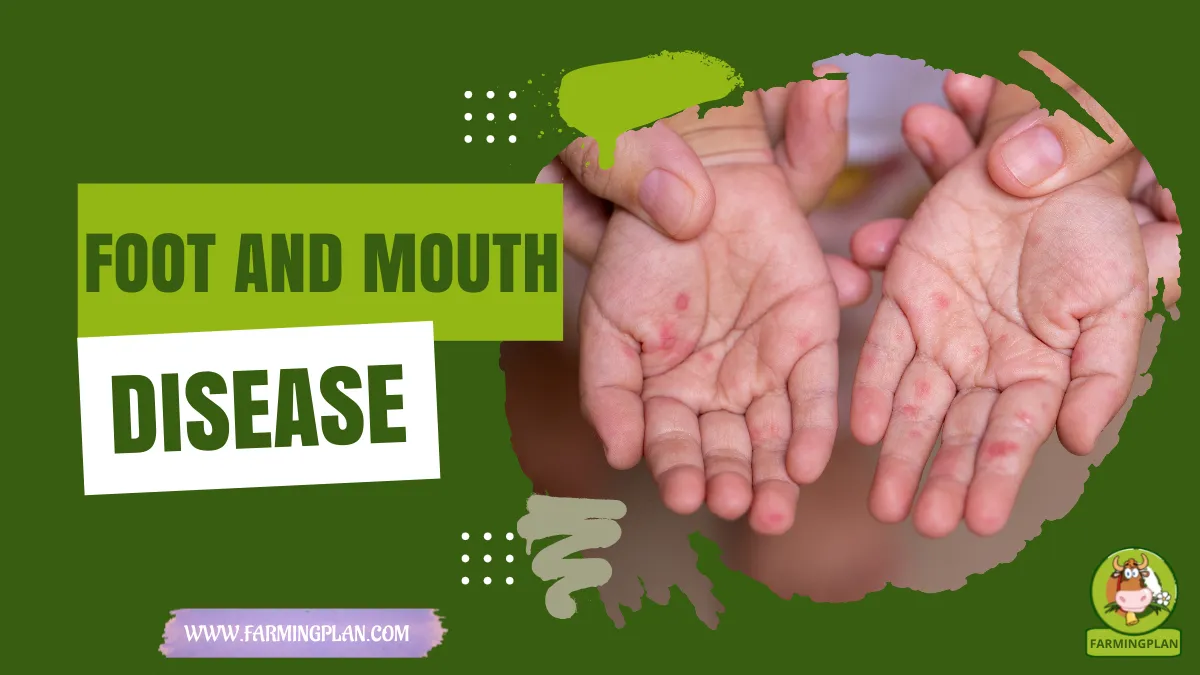
Foot and Mouth Disease cattle outbreaks can devastate a farm overnight, but knowing what virus causes foot and mouth disease in animals helps us fight back effectively. I have spent years working in livestock farming, and I know how heart-wrenching it is to watch a thriving herd fall ill to a severe virus. Foot and Mouth disease stems from an aggressive Aphthovirus that targets cloven-hoofed animals like cows, pigs, and sheep. While people often confuse this animal plague with human illnesses like hand, foot and mouth disease in children or hand, foot and mouth disease in adults, the cattle strain is a completely different beast.
Human HFMD comes from an enterovirus strain like Coxsackievirus A16 or Enterovirus 71, causing fever, skin rash, mouth ulcers, and sore throat in toddlers in childcare centers. On the farm, foot and mouth disease in cattle caused by livestock Aphthovirus strains leads to massive economic losses through weight drops, lameness, and reduced milk yields. In this comprehensive guide, I will share my hands-on farm experience to help you recognize symptoms, understand Foot and Mouth Disease treatment, and build an airtight biosecurity protocol to protect your valuable livestock.
History & Origin of Foot and Mouth Disease
Foot and Mouth Disease has haunted livestock farmers for hundreds of years. Historical records show that Friedrich Loeffler and Paul Frosch first discovered the viral nature of this disease back in 1898. They proved that a microscopic agent, smaller than any bacteria, caused the devastating vesicular eruption in farm animals. This discovery actually marked the very first time scientists identified an animal virus. Over the centuries, massive outbreaks swept across Europe, Asia, and the Americas, destroying agricultural economies and forcing governments to establish strict quarantine laws.
Countries around the world spent decades trying to eradicate the contagion. The United States eliminated its last major outbreak in 1929, while Canada wiped it out in 1952. The famous 2001 outbreak in the United Kingdom forced the culling of millions of animals, teaching every farmer a permanent lesson about biosecurity. Understanding this history reminds us why we must never drop our guard. The virus survives in wildlife reservoirs like African buffalo, meaning it can jump back into domestic livestock if we get careless with farm sanitation.
Read More: White Horned Heath Sheep: A Remarkable Guide
Characteristics of Foot and Mouth Disease
Recognizing the key traits and physical signs of this infection saves lives. When the virus enters a herd, affected cattle display rapid changes in appearance and behavior. The incubation period typically lasts between two and fourteen days before physical symptoms explode. You will notice high fever, extreme drooling, and painful blisters inside the oral cavity, on the tongue, and along the gums.
As the condition progresses, vesicles form between the hooves and along the coronary band. These skin lesions rupture quickly, leaving raw, open sores that make walking unbearable. Cows will limp, shift their weight constantly, or refuse to stand up at all. Lactating cows develop painful sores on their teats, leading to a sudden drop in milk yield. You might also spot secondary bacterial infections setting in around the open hoof sores if the animal stays in muddy ground.
Nature and Temperament Changes in Foot and Mouth Disease
Infected cattle experience drastic changes in their everyday temperament. Normally alert and curious cows become deeply depressed and withdrawn. The severe pain from mouth sores prevents them from chewing cud or eating hay. You will see them standing isolated from the rest of the herd, hanging their heads low with long strings of thick saliva dripping from their mouths.
Their overall disposition shifts from calm to agitated when you try to move them. Because every step on blistered feet causes intense pain, cattle might kick out or lie down stubbornly to resist movement. Their natural herd instincts break down as weak, feverish cows lag behind during pasture rotations. Observing these subtle behavioral shifts early allows you to isolate suspicious animals before they contaminate shared feeding troughs.
Food & Diet of Foot and Mouth Disease
Feeding a cow with painful mouth ulcers requires gentle, specialized care. Infected animals suffer from severe appetite loss because dry hay and tough grains scrape their raw tongue blisters. You must remove roughage immediately and replace it with soft, easily digestible feed mixtures to encourage eating.
- Soft Green Forage: Offer fresh, finely chopped grass or tender clover that requires minimal chewing.
- Wet Mash Feeds: Mix bran, crushed barley, and warm water into a soft porridge consistency to help them swallow.
- Hydration Access: Keep clean, cool water right next to resting animals so they do not have to walk on sore feet to drink.
- Avoiding Irritants: Never feed dry, sharp straw or dusty grain meals that aggravate open oral wounds.
- Nutritional Supplements: Add essential electrolytes and vitamins to drinking water to maintain energy during high fever stages.
Purpose and Economic Impact of Foot and Mouth Disease
Cattle serve vital roles in global agriculture, providing beef, fresh milk, leather, and breeding stock. An outbreak of Foot and Mouth Disease completely halts all farm production and destroys market value. Sick animals lose weight rapidly and take months to regain their body condition, while dairy cows may never return to their peak milk production.
The broader economic fallout hits farmers even harder through international trade bans. Export markets instantly reject meat, live animals, and dairy products from affected regions. Local authorities shut down livestock auctions, livestock transport, and slaughterhouses to stop airborne transmission. A single confirmed case can shut down regional agricultural commerce for months, creating financial ruin for small family farms and large commercial operations alike.
Special Features of Foot and Mouth Disease
The virus behind this illness possesses unique features that make it a formidable opponent. It belongs to the Picornaviridae family and exists in seven distinct serotypes: O, A, C, SAT 1, SAT 2, SAT 3, and Asia 1. Immunity to one serotype does not protect an animal against the others, which complicates regional vaccination programs.
- Environmental Resilience: The virus survives on straw bedding for up to twenty weeks and in summer soil for days.
- Airborne Spread: Respiratory droplets carrying the pathogen can travel miles on moist farm winds.
- High Viral Load: Infected animals shed massive quantities of the pathogen through breath, saliva, milk, urine, and faeces.
- Rapid Replication: Millions of new viral particles assemble inside host cells within just a few hours.
Health Issues & Disease Prevention Protocols
Preventing Foot and Mouth Disease requires strict farm biosecurity because direct Foot and Mouth Disease treatment options do not exist for the virus itself. Medical care relies entirely on supportive care to soothe pain and prevent secondary bacterial infections. You must focus your energy on keeping the pathogen off your property through rigorous daily hygiene.
To shield your herd, restrict all non-essential visitors and mandate footbaths filled with specialized disinfectants at every barn entry. Clean all truck tires, tractor treads, and shared farm tools before they enter your pastures. Quarantine every newly purchased animal for at least thirty days before mixing them with your established herd. In endemic regions, regular vaccination schedules help boost herd immune systems, though sound biosecurity remains your ultimate defense line.
“Early Action Shields Your Cattle Herd From Devastating Infection Outbreaks.”
Step-by-Step Farming Guide
Keeping your livestock safe from devastating disease outbreaks demands a structured daily routine. I have used this step-by-step framework on my own farm to maintain healthy animals and stop viral threats before they start.
Step 1: Farm Perimeter Setup and Access Control
Securing your farm boundary forms your first line of defense against outside viruses. Build double-fencing along property lines to prevent your cattle from touching nose-to-nose with neighbor animals or roaming wildlife. Install clear warning signs at every gate, restricting visitor entry to designated areas only. Construct a single vehicle entry point equipped with a concrete tire-wash basin. Fill this basin with an approved agricultural disinfectant, like a diluted citric acid or acetic acid solution. Every delivery truck, feed wagon, and tractor must pass through this wash before entering your working barns.
Step 2: Daily Herd Health Inspection Routines
Inspect every animal in your herd twice daily, preferably during morning and evening feedings. Walk through the barn slowly, watching for subtle signs like dull eyes, drooling, or reluctance to stand up. Pay close attention to how cows place their hooves while walking down concrete alleys. If you spot an animal standing away from the group or dropping feed, conduct an immediate physical exam. Check their internal body temperature with a veterinary thermometer; a sudden fever over 104°F indicates trouble. Examine the gums, tongue, and interdigital spaces between the hooves for fresh blisters or suspicious redness.
Step 3: Immediate Isolation Protocols for Suspected Cases
The moment you spot an animal displaying fever or mouth sores, isolate them instantly. Move the sick cow to a designated quarantine barn located far downwind from your main herd facilities. Never allow isolated animals to share water troughs, feed bunks, or manure handling tools with healthy stock.Assign dedicated farm boots and coveralls specifically for the isolation area. Wash your hands thoroughly, change your work clothing, and disinfect your boots before walking back to your healthy herd. Call your local state veterinarian immediately to report the suspected case and request professional laboratory confirmation.
Step 4: Rigorous Cleaning and Disinfection Standards
Proper surface cleaning stops viral survival in its tracks. Scrape away all organic manure, spilled feed, and old bedding from stall floors before applying chemical disinfectants. Organic dirt shields viral particles from chemical sprays, so physical scraping remains essential. Spray all concrete floors, wooden gates, and metal feeders with effective viral disinfectants like 2% sodium hydroxide, sodium carbonate, or citric acid mixtures. Allow the solution to remain wet on surfaces for at least thirty minutes to destroy viral capsids. Safely burn or bury contaminated straw bedding according to your local environmental guidelines.
Step 5: Herd Recovery Support and Long-Term Surveillance
Caring for recovering cattle requires patience and consistent nursing care. Provide soft, dust-free bedding like deep sawdust or clean sand to cushion painful, healing feet. Apply soothing antiseptic sprays or ointment to ruptured foot sores to stop bacterial foot rot from developing. Keep recovering animals on a high-energy, soft mash diet until their mouth ulcers heal completely. Monitor milk output and weight gain closely over the following months. Keep detailed records of all recovered animals, as some individuals can carry viral particles in their throat tissues for extended periods.
Read More: Ticks Control Guide: Protect Your Property and Pets
Expert Tips & Best Practices for Farmers
- Establish Quarantine Zones: Keep new livestock isolated for 30 days before introducing them to your main herd.
- Disinfect Vehicle Tires: Spray all feed trucks and guest vehicles with citric acid solutions upon farm entry.
- Enforce Boot Washing: Place disinfectant footbaths at every barn entry door and replace the solution daily.
- Restrict Farm Visitors: Limit public access to livestock housing areas, especially visitors returning from overseas.
- Separate Farm Equipment: Never share manure spreaders, trailers, or halters with neighboring livestock farms.
- Monitor Water Sources: Ensure cattle drink from clean well water rather than open ponds exposed to wildlife.
- Maintain Health Logs: Record daily temperatures, milk yields, and feed consumption to spot early disease signs.
- Train Farm Workers: Teach your farm staff how to recognize early symptoms like subtle drooling and limping.
- Consult Local Vets: Keep your veterinarian’s phone number posted in the milk house for immediate emergency calls.
FAQs
What is foot and mouth disease in livestock?
Foot and mouth disease is a severe, highly contagious viral infection that affects cloven-hoofed animals such as cattle, pigs, sheep, and goats. It causes high fever, excessive drooling, and painful blisters on the mouth, teats, and hooves.
Can foot and mouth disease infect humans?
No, livestock Foot and Mouth Disease does not pose a health risk to humans and is completely different from human hand-foot-and-mouth disease. Human HFMD is caused by enteroviruses like Coxsackievirus, whereas the animal disease stems from an Aphthovirus.
How does the virus spread between farms?
The virus spreads through direct contact with infected animal fluids, airborne respiratory droplets, and contaminated feed or water. It can also travel on contaminated boots, vehicle tires, farm equipment, and clothing.
Is there a specific cure or treatment for infected cattle?
There is no specific medical cure for Foot and Mouth Disease once an animal contracts the virus. Farmers provide supportive care, soft feeds, clean water, and foot hygiene to help animals recover and prevent secondary infections.
What should I do if I suspect an outbreak on my farm?
Isolate the suspected animal immediately from the rest of your herd and stop all livestock movements off your property. Contact your local state veterinarian or agricultural authority right away to perform official testing.
Conclusion
Managing Foot and Mouth Disease cattle risks requires constant vigilance, strict farm biosecurity, and early detection routines. By understanding how this virus operates, recognizing its physical signs, and maintaining clean farm premises, you shield your livestock from catastrophic health losses. Protecting our farm animals safeguards our livelihoods, stabilizes our rural economies, and secures the global food supply. What biosecurity steps have worked best on your farm? Leave a comment below, share this article with fellow livestock producers, and join our agricultural community to keep our herds healthy and thriving!


