
Tick pests present a serious threat to our outdoor lifestyle, but you can easily manage them with the right knowledge. As a farming specialist, I spend my days working in fields, woods, and pastures where these tiny arachnids thrive. I see firsthand how a small tick in skin or a tick mark on a beloved animal can cause huge worries for families. Ticks are small blood-feeding parasites related to spiders, scorpions, and mites. They go through four distinct life stages: egg, larva, nymph, and adult. To grow, every stage past the egg requires a blood meal from mammals, birds, or reptiles.
During my years working outdoors, I have learned that tick control requires a smart, active approach. We need to understand tick habitats, identify the main species, and take direct steps to protect our yards and pets. Ticks carry serious tick-borne diseases like Lyme disease, Rocky Mountain spotted fever, Anaplasmosis, and Babesiosis. When you understand how these pests hunt and survive, you gain the upper hand. In this complete guide, I will share my personal experience and practical techniques to help you keep ticks on dogs, ticks on humans, and ticks on your property completely under control.
History & Origin
Ticks have existed for millions of years, predating human existence on earth. Scientists have discovered ancient hard ticks preserved in amber alongside dinosaur fossils, proving these parasites fed on prehistoric creatures long ago. In North America, indigenous populations and early European settlers constantly dealt with tick infestation issues in forest environments. Early historical records show that farmers noticed livestock illness following heavy tick bites long before modern science identified the actual pathogens inside tick saliva.
Over the past century, changes in land use, reforestation, and suburban development dramatically shifted tick populations. When forested areas grew back near human homes, white-tailed deer and small rodent populations expanded rapidly. This environmental shift allowed species like the blacklegged / deer tick (Ixodes scapularis) and the American dog tick (Dermacentor variabilis) to spread into new regions. In recent decades, trade and climate change expanded the geographic range of the lone star tick (Amblyomma americanum) and the brown dog tick (Rhipicephalus sanguineus). Knowing this history helps us realize that ticks are tough, resilient survivors that require persistent efforts to control.
Read More: Argenté De Champagne Rabbit: Amazing French Silver Guide
Characteristics
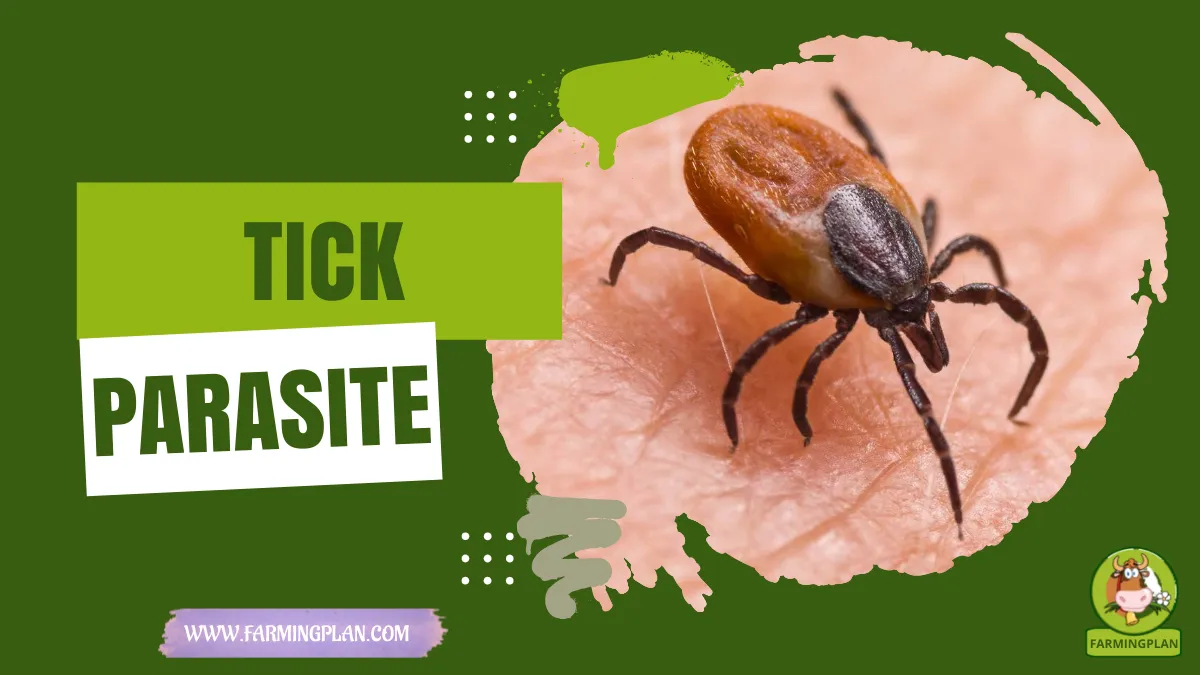
Hard ticks belong to the family Ixodidae, and they feature a rigid hard shield called a scutum behind their mouthparts. Their body structure consists of two primary regions: the fused anterior cap, or Gnathosoma, which holds the hypostome for feeding, and the posterior body section. Hard ticks possess a specialized sensory structure called Haller’s organ on their front legs. This organ acts like a chemical nose, allowing them to detect body heat, carbon dioxide emissions, and movement from approaching hosts.
Ticks exhibit physical variations based on their species, sex, and feeding status. Unfed adult ticks measure roughly the size of a sesame seed, while a fully engorged female expands to the size of a small blueberry after a complete blood meal. Soft ticks from the Argasidae family lack a hard scutum and feed quickly, whereas hard ticks anchor themselves firmly to feed for several days. Understanding these distinct traits helps you perform accurate tick identification on your property.
Nature and Questing Behavior
Ticks do not jump, fly, or drop down from tall trees onto passing targets. Instead, they use a clever hunting strategy called questing. A questing tick climbs onto low vegetation, tall grass stems, or leaf litter along brushy trail edges. It holds onto the plant stem using its back legs and stretches its front legs out into the open air. When an animal or human brushes past the plant, the tick instantly clings onto the host’s fur, clothes, or skin.
Once on a host, the tick crawls upward to find a dark, warm, and hidden spot to feed. On humans, they target the scalp, waistline, armpits, behind the knees, and behind the ears. On pets, they head for the ears, neck, toes, and groin. A tick secretes a special numbing compound in its saliva when inserting its barbed hypostome into the host. This compound prevents pain, allowing the parasite to feed unnoticed for days. Recognizing this questing behavior helps you avoid high-risk areas in your yard.
Feeding Habits and Blood Meal Needs
Ticks require blood for nourishment during every active phase of their life cycle. A tick egg hatches into a six-legged larva, often called a seed tick. The larva must find a small host, usually a bird, lizard, or white-footed mouse, to consume its first blood meal. After feeding, the larva drops to the ground, molts, and emerges as an eight-legged nymph. Nymphs repeat this feeding process on larger small mammals or pets before molting into mature adults.
Female adult hard ticks require a large blood meal to produce thousands of eggs. Males usually attach to feed briefly or mate with feeding females on the host animal. During feeding, the tick introduces salivary fluids containing anticoagulants into the host’s bloodstream. This exchange creates a pathway for dangerous pathogens like Borrelia burgdorferi, the bacterium that causes Lyme disease, to enter the body. Denying ticks access to hosts disrupts their life cycle completely.
Purpose and Environmental
While ticks cause significant medical and veterinary problems, they perform distinct roles in natural woodland ecosystems. Ticks serve as a primary food source for several species of wild birds, reptiles, and beneficial mammals. Opossums, for instance, groom themselves constantly and consume thousands of larval and nymph ticks every single season. Ticks also help regulate wildlife populations in nature by culling weak or sickly wild animals.
In public health and medical research, studying tick saliva has opened incredible doors for human healthcare providers. Researchers examine the specialized proteins in tick saliva to create modern medicines that prevent blood clots, reduce inflammation, and minimize pain. By studying tick-borne pathogen transmission, scientists gain valuable insights into human immunology. However, inside our suburban backyards and livestock pastures, tick populations quickly become dangerous pests that demand immediate intervention.
Special Adaptations and Survival Features
Ticks possess remarkable evolutionary survival adaptations that make them hard to control without intentional effort. They can survive freezing winter conditions by burying deep inside moist leaf litter or beneath soil layers. Some hard tick species go without a blood meal for months, while adult soft ticks survive for years without feeding. Their tough exoskeleton protects them from crushing pressures, making simple physical swatting ineffective.
Another incredible adaptation involves transovarial transmission, where an infected female tick passes dangerous pathogens directly to her offspring through her eggs. Female ticks also produce thousands of eggs in a single cluster, allowing populations to explode after mild winters. Their Haller’s organ detects microscopic traces of carbon dioxide from a breathing animal dozens of feet away. These powerful biological tools explain why ticks adapt so easily to changing suburban environments.
Health Issues and Disease Prevention
Tick bites transmit dangerous bacteria, viruses, and single-celled parasites to humans, livestock, and domestic pets. The most common tick-borne illness in North America is Lyme disease, caused by Borrelia burgdorferi. Early symptoms include fatigue, joint stiffness, fever, and a distinct expanding bull’s-eye rash around the bite mark. Rocky Mountain spotted fever, spread by the American dog tick, causes severe headache, high fever, and a spotted rash on the wrists and ankles.
Lone star tick bites can trigger Alpha-gal syndrome, an allergic condition that causes severe reactions to red meat consumption. Other serious infections include Babesiosis, Anaplasmosis, Tularemia, and Powassan virus. Preventing these diseases requires prompt tick removal using fine-tipped tweezers. Grasp the tick firmly near the skin surface and pull straight upward without twisting or squeezing its body. Apply rubbing alcohol or soap and water to the bite area immediately afterward.
“A Little Daily Care Keeps The Troublesome Ticks Away From Your Backyard Forever.”
Step-by-Step Pet Owner Care Guide
Protecting your living area and outdoor spaces from ticks requires an organized, step-by-step strategy. As a farm manager, I run an integrated tick management routine that keeps my property clean and safe year-round. This system eliminates tick habitats, blocks wildlife hosts, creates physical barriers, and safeguards domestic animals. Follow these five practical steps to establish complete protection around your home.
Step 1: Habitat Modification and Landscaping
To eliminate ticks from your yard, start by making the physical environment hostile to their survival. Ticks require shade and high humidity to prevent their bodies from drying out. Clear away dense brush, fallen leaves, tall weeds, and overgrown grass around your house perimeters. Mow your lawn regularly to keep grass height low, which exposes the soil to sunlight and circulating air. Cut back low-hanging tree branches to allow bright sunlight into shady corners of your property.
Stack firewood neatly off the ground in a dry, sunny area far away from your house walls. Remove piles of lawn clippings, pulled weeds, and rotting wood where rodents like to build nests. Ticks frequently live in these dark clutter spots while waiting for passing hosts. By removing leaf litter and excessive brush, you eliminate the primary damp shelter that ticks need to survive during dry weather periods.
Step 2: Creating Physical Environmental Barriers
Constructing physical barriers stops ticks from migrating from wooded borders into your manicured lawn areas. Install a three-foot-wide border strip made of crushed stone, gravel, or dry cedar wood chips between your lawn and adjacent wooded areas. Ticks dislike crawling across dry, hot, abrasive surfaces because it dries out their outer shell. This simple physical zone alerts family members when they cross into potential tick habitat zones.
Keep children’s playground sets, patio furniture, garden benches, and pet houses away from forest edges and stone walls. Place these recreational structures inside sunny areas at least eight feet away from yard perimeters. Build sturdy deer fencing around your property or vegetable gardens to keep large host animals out. Deer carry dozens of adult female ticks into suburban yards every day, so keeping them away dramatically reduces tick egg production.
Step 3: Rodent Control and Host Exclusion
Mice and small rodents serve as the primary reservoir host for immature larval and nymph ticks. When a larval tick feeds on an infected mouse, it contracts the bacteria that causes Lyme disease. Prevent mice from nesting around your home by sealing gaps in foundation walls, sheds, and outdoor structures. Keep garage doors closed and clean up spilled birdseed underneath hanging bird feeders every evening.
Place commercially prepared tick tubes along stone walls, woodpiles, and dense brushy areas during spring and summer. These paper tubes contain cotton treated with safe insecticide, which mice gather to line their underground nests. The chemical kills larval ticks on the mice without harming the rodents themselves. Controlling rodent populations cuts off the main disease supply chain right in your backyard.
Step 4: Applying Target Pesticide Treatments
When tick populations remain high despite habitat cleanup, targeted outdoor pesticide applications offer fast relief. Focus your pesticide sprays on high-risk perimeter zones rather than spraying entire grass lawns blindly. Apply acaricide treatments along brush lines, shady garden beds, woodpile edges, and stone walls where ticks actually live. Use perimeter sprays during late spring when tiny nymph ticks become active and dangerous.
You can hire a licensed pest control professional or apply consumer-grade perimeter treatments yourself using standard equipment. Always read chemical product labels carefully and wear protective clothing during application. Synthetic pyrethroids or natural cedar oil sprays provide effective tick knockdown power when applied correctly. Keep children and pets off treated areas until sprays dry completely to ensure safety.
Step 5: Personal and Pet Protection Protocols
Protecting individual body surfaces completes your overall tick defense system. Apply EPA-registered insect repellents containing DEET, Picaridin, or Oil of Lemon Eucalyptus to exposed skin before walking in woods. Treat outdoor clothing, boots, socks, and camping gear with 0.5% Permethrin spray, which kills ticks on contact. Wear light-colored pants tucked directly into your socks so you can spot crawling ticks quickly.
Perform a thorough full-body check on yourself, your children, and your pets every time you return from outdoor activities. Check high-risk areas like the scalp, waistband, armpits, and behind ears carefully. For pets, consult your veterinarian to select monthly topicals, oral chewables, or tick collars. Daily grooming with a fine-toothed comb catches unattached ticks before they insert their mouthparts into skin.
Read More: Anthrax Disease Essential Guide for Farmers
Expert Tips & Best Practices
- Mow your lawn on a consistent weekly schedule to maintain short grass height.
- Inspect your dog’s paws, inner ears, groin, and neck thoroughly after every walk.
- Tumble dry outdoor clothes on high heat for ten minutes to kill hidden ticks.
- Use fine-tipped tweezers to pull attached ticks straight out without twisting.
- Clean bite sites immediately using rubbing alcohol, iodine, or soap and water.
- Keep bird feeders away from house walls to prevent mouse activity nearby.
- Apply Permethrin spray to hiking boots and outdoor pants for long-lasting protection.
- Create dry wood-chip or gravel buffer borders around wooded property lines.
- Plant natural tick-repelling herbs like lavender, mint, and rosemary around patios.
- Save removed ticks inside a sealed container with alcohol for doctor testing if symptoms appear.
FAQs
How do I safely remove a tick stuck in my skin?
Use fine-tipped tweezers to grasp the tick as close to the skin surface as possible. Pull upward with steady, even pressure without twisting or squeezing the tick’s body. Wash the bite area thoroughly with soap and water or rubbing alcohol right after removal.
What are the early signs of Lyme disease from a tick bite?
Early signs include a red bull’s-eye rash that slowly expands outward from the bite mark. You may also experience flu-like symptoms such as sudden fever, fatigue, headache, chills, and body aches. Contact a healthcare provider promptly if these symptoms appear.
How can I keep ticks off my pet dogs naturally?
Keep your lawn short, clear away yard debris, and inspect your pet’s coat daily after walks. Apply vet-approved natural repelling oils like cedarwood or brush them with a fine tick comb. Always consult your veterinarian before using new natural remedies on pets.
How long does a tick need to stay attached to transmit disease?
In most cases, a blacklegged tick must remain attached for 36 to 48 hours to transmit Lyme disease bacteria. However, other pathogens like Powassan virus can transmit within minutes of attachment. Remove any attached tick immediately upon discovery.
Do ticks die during cold winter weather months?
No, hard ticks do not die during winter; they go dormant under leaf litter and snow cover. Blacklegged ticks become active again whenever temperatures rise above freezing. Always stay alert for ticks during warm winter days.
Conclusion
Controlling tick populations around your property requires a persistent, organized strategy. By clearing away leaf litter, establishing gravel buffer borders, managing host animals, and inspecting your family and pets daily, you dramatically reduce tick bite risks. Implementing these simple practical steps protects your loved ones from severe tick-borne illnesses like Lyme disease and Rocky Mountain spotted fever. Take direct action today by clearing brush, securing your perimeter, and checking your pet’s fur. Share this guide with your neighbors and leave a comment below to tell me your favorite tick prevention tips!