
Anthrax Disease is a serious illness that every farmer and livestock owner must understand to protect their herd. As a farming specialist with years of hands-on experience in animal husbandry, I have seen firsthand how sudden outbreaks of Bacillus anthracis can devastate healthy cattle, sheep, and goats. These spore-forming bacteria live in the soil for decades, surviving extreme heat, flooding, and cold weather. Animals usually pick up the infectious endospores while grazing on short grass in dry pasture conditions or drinking contaminated water. When these endospores enter an animal’s body, they activate, produce dangerous toxins like lethal factor and edema factor, and quickly cause severe health complications.
Recognizing anthrax symptoms early is crucial because the infection moves rapidly through ruminants, often leading to sudden death before noticeable illness appears. Humans can also contract the disease through cutaneous, inhalation, or gastrointestinal exposure when handling infected carcasses or contaminated animal products. In this guide, I will walk you through the biological traits of this pathogen, practical preventive measures, vaccination options, and critical step-by-step management protocols to keep your farm safe, secure, and thriving.
History & Origin of Anthrax Disease
Understanding the history of Anthrax Disease helps us appreciate modern agricultural safety practices. History books and early medical records show that this condition has affected livestock and human populations for thousands of years. Early historical accounts, including ancient Roman writings and biblical descriptions of livestock plagues, likely describe outbreaks of this devastating bacterial infection. Back then, farmers had no idea that invisible bacterial spores in the soil were causing their herds to collapse suddenly. Entire agricultural communities lost their livelihoods overnight because they lacked scientific knowledge and proper sanitation methods.
In the nineteenth century, legendary scientists made major medical breakthroughs using this exact organism. Robert Koch famously studied Bacillus anthracis to establish his famous postulates, proving for the first time that a specific microorganism causes a specific disease. Shortly after, Louis Pasteur developed the very first effective livestock vaccine for anthrax, revolutionary work that laid the foundation for modern veterinary medicine. Unfortunately, during the twentieth century, research also focused on using aerosolized spores for biological warfare and biological weapon stockpiles, such as the famous Sverdlovsk incident and bioweapons tests on Gruinard Island. Today, public health agencies like the Centers for Disease Control and Prevention, the USDA, and WOAH maintain strict protocols to prevent both natural outbreaks and potential bioterrorism attacks.
Characteristics of Anthrax Disease
The primary cause of Anthrax Disease is Bacillus anthracis, a large, rod-shaped, spore-forming bacillus that forms a protective poly-D-glutamic acid capsule. In my years working with livestock health, I have learned that the true danger of this bacterium lies in its remarkable resilience. When conditions become harsh, the bacteria produce microscopic endospores that can lie dormant in pastures for generations. These spores resist drying, sunlight, heat, and standard chemical disinfectants, making soil contamination a long-term hazard for grazing animals like cattle, sheep, and horses.
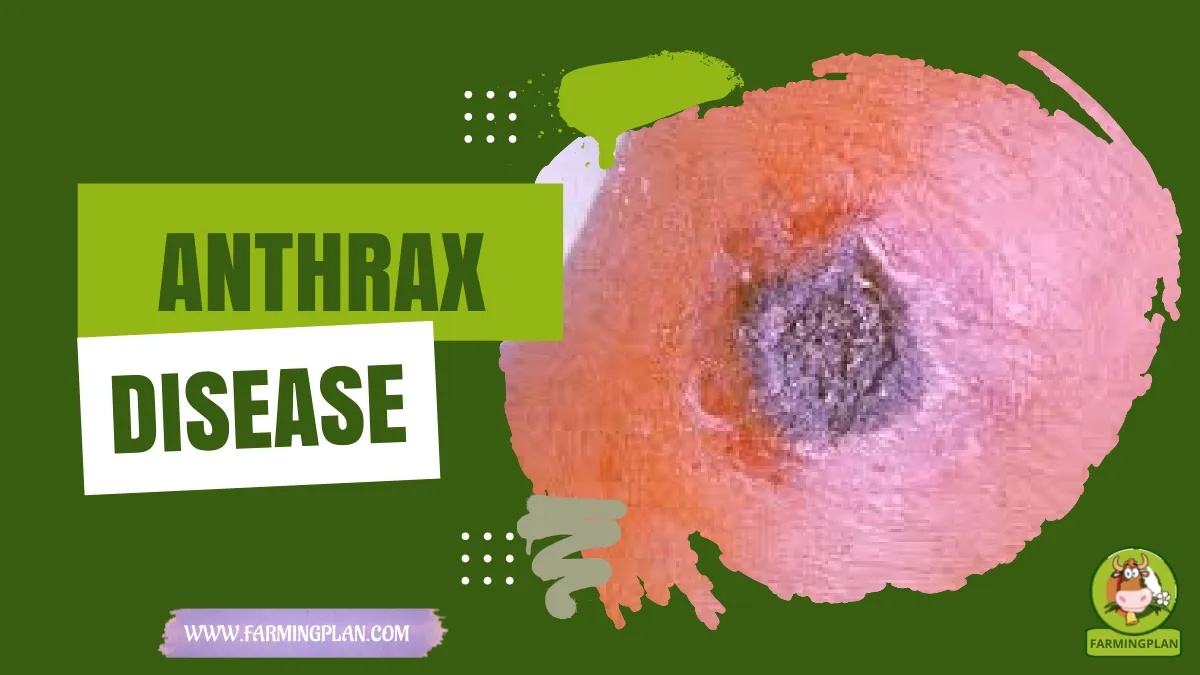
Once inside a host organism, the spores germinate into vegetative cells that secrete powerful toxigenic proteins, including protective antigen, lethal factor, and edema factor. These toxins work together to destroy tissue, breach blood vessels, and bypass the animal’s immune defenses. Depending on how the host encounters the pathogen, the illness manifests in distinct clinical forms. Cutaneous anthrax enters through skin cuts, leading to a dark, painless eschar. Gastrointestinal anthrax occurs when animals consume contaminated meat or feed, causing severe intestinal damage. Inhalational anthrax, sometimes referred to as pulmonary anthrax or Woolsorters’ disease, occurs when microscopic spores are inhaled deeply into the respiratory system, leading to rapid tissue destruction and severe respiratory failure.
Read More: Argenté St Hubert Rabbit Guide: Care & Breed Complete Guide
Nature and Behavior in Anthrax Disease
When we observe how Anthrax Disease behaves in agricultural settings, we see a pathogen that strikes without warning. In grazing ruminants, the disease takes an peracute or acute path, meaning animals can appear completely healthy in the morning and collapse by late afternoon. Because the bacteria multiply rapidly in the bloodstream, infected livestock show minimal behavioral changes before dying. When symptoms do appear, you might notice sudden high fever, muscle tremors, severe depression, and difficulty breathing just hours before the animal passes away.
Unlike viral illnesses that spread rapidly from one live animal to another through coughing or sneezing, anthrax is not typically contagious in that way among live livestock. Instead, transmission happens when animals ingest spores directly from dusty pastures, low-lying flooded soil, or contaminated bone meal supplements. Once an infected animal dies, its body tissues contain vast numbers of vegetative bacteria. If scavengers or humans cut open the carcass, exposure to oxygen causes the bacteria to form new spores, contaminating the surrounding soil for decades. This environmental persistence makes managing suspected cases a delicate and serious task for every livestock owner.
Food, Diet, and Pasture Safety of Anthrax Disease
Proper diet and pasture management play a major role in protecting your livestock from Anthrax Disease. As a farming specialist, I always remind farm owners that pasture conditions directly influence an animal’s risk of picking up bacterial spores from the earth. During severe droughts, cattle graze extremely close to the ground, pulling up root systems and ingesting large amounts of dirt that may contain hidden endospores. Conversely, heavy rainfall and sudden flooding can wash deep-seated soil spores to the surface, creating dangerous hotspots in low-lying pastures.
To keep your herd safe, avoid grazing animals on low-lying, poorly drained pastures immediately after heavy flooding or prolonged dry spells. Provide high-quality hay and balanced mineral supplements so your livestock do not feel forced to consume short, dirty grass near the soil line. Never feed your animals unpasteurized bone meal or processed animal products from untrusted sources, as contaminated feed has historically triggered devastating agricultural outbreaks. If you suspect a particular field contains contaminated soil, fence off that area immediately and move your livestock to clean, elevated pastures with clean drinking water.
Usage and Purpose of Anthrax Disease
Maintaining strict biosecurity protocols against Anthrax Disease is essential for preserving the economic stability of your farm. Healthy livestock form the backbone of modern agriculture, supplying milk, meat, wool, and breeding stock to local and international markets. When an outbreak occurs on a farm, agricultural authorities must enforce strict quarantine protocols, which halt all animal movement and sales until the threat is completely cleared. Implementing robust herd health strategies protects your animal investment and guards your personal financial security.
Beyond protecting your farm’s bottom line, active disease prevention safeguards public health across your local community. Because anthrax is a serious zoonosis, humans who handle infected animals, raw wool, hides, or butchered meat can contract severe infections like cutaneous anthrax or intestinal anthrax. By vaccinating your herd, maintaining clean facilities, and reporting unusual animal deaths to state veterinarians, you create a protective barrier for your family, farm employees, and consumers. Proactive preventive care transforms your agricultural operation into a safe, sustainable, and reliable business.
Special Features of Anthrax Disease
Identifying Anthrax Disease requires a sharp eye for specific post-mortem indicators and specialized laboratory testing. One of the most distinctive features of an anthrax death in livestock is the sudden lack of rigor mortis after the animal dies. The carcass often remains limp, while dark, unclotted blood oozes from natural body openings like the nose, mouth, and rectum. The animal’s abdomen often bloats rapidly due to fast gas production by internal bacteria. Recognizing these unique features early prevents farmers from making dangerous mistakes like performing a field autopsy.
Because opening a carcass exposes the bacteria to oxygen and triggers spore formation, you should never cut open an animal you suspect died of anthrax. Instead, call a qualified veterinarian who can perform safe diagnostic tests. Modern diagnostics rely on rapid tests, blood smear examinations, polymerase chain reaction assays, and specialized culture techniques in secure laboratory settings. Identifying specific cellular structures, such as the poly-D-glutamic acid capsule or specific genomic markers, confirms the presence of Bacillus anthracis without risking widespread environmental contamination.
Health Issues, Prevention, and Treatments of Anthrax Disease
Preventing Anthrax Disease revolves around annual vaccination programs and rigorous farm sanitation practices. For decades, livestock producers have relied on the Sterne strain vaccine, a live capsular bacterial vaccine that stimulates strong immunity in cattle, sheep, goats, and horses. Administering this vaccine about four to six weeks before the peak anthrax season gives your livestock robust protection against soil-borne endospores. In high-risk endemic areas, routine immunisation remains the single most effective defense against sudden herd losses.
When an active infection occurs, fast medical intervention is necessary to save infected animals. High-dose antibiotics, such as penicillin G, ciprofloxacin, doxycycline, or ampicillin, can cure early-stage infections if administered before irreversible toxin build-up occurs. Veterinarians may also utilize specific monoclonal antibodies or antitoxins to neutralize circulating lethal factor and edema factor in critical cases. For human exposures, modern healthcare providers prescribe liquid ciprofloxacin, doxycycline, and specialized vaccines like anthrax vaccine adsorbed to ensure complete recovery and safety.
“Healthy Livestock Require Daily Vigilance And Proper Care.”
Step-by-Step Farming Guide for Anthrax Disease
Managing your livestock operation requires a structured plan to prevent and handle potential outbreaks of Anthrax Disease. The following steps guide you through practical biosecurity, daily monitoring, emergency handling, and proper pasture recovery techniques. Following these actionable guidelines helps keep your farm clean, your herd healthy, and your family safe from dangerous soil-borne bacteria year after year.
Step 1: Implement Annual Vaccination Programs
Your first line of defense against Anthrax Disease is establishing a consistent, annual herd vaccination schedule. Work closely with your local veterinarian to source the Sterne strain livestock vaccine or recombinant PA protein formulations approved for your region. Schedule vaccination sessions four to six weeks before hot, dry summer months or known flooding seasons when soil spores usually surface. Ensure every cow, sheep, goat, and horse receives the correct dosage according to veterinary instructions. Keep detailed health records for every animal, noting vaccination dates, batch numbers, and individual identification tags. Maintaining high herd immunity prevents isolated spore exposures from turning into disastrous farm outbreaks.
Step 2: Secure Water Sources and Pasture Lands
Protecting your grazing areas and water supplies stops livestock from coming into contact with dormant anthrax endospores. Inspect your pastures regularly, paying close attention to low-lying areas, dried riverbeds, and marshy soil where spores tend to collect after heavy rains. Fence off hazardous zones during dry spells so hungry cattle do not graze on dusty, short grass or pull up roots containing soil pathogens. Provide fresh, clean water through elevated stock tanks rather than letting animals drink from muddy ponds or stagnant puddles. Rotate your pastures strategically to keep grass cover dense, which prevents soil erosion and lowers the risk of direct dirt ingestion.
Step 3: Perform Daily Herd Health Checks
Catching health issues early requires dedicated daily observation of your livestock in their natural environment. Walk through your pastures every morning and evening, looking closely for subtle signs of illness such as lethargy, loss of appetite, fever, or sudden muscle weakness. Look for any animal that separates itself from the herd or struggles to keep pace during movement. If an animal dies unexpectedly without an obvious cause, treat the situation as a potential biological risk immediately. Isolate any sick animals in a secure quarantine pen with dedicated feeding troughs while you contact your veterinary health specialist for further guidance.
Step 4: Handle Suspected Carcasses Safely
If you find a dead animal showing classic symptoms like dark blood oozing from body openings, do not open or move the body. Cutting open an infected carcass exposes internal bacteria to atmospheric oxygen, causing them to transform into resilient spores that poison the ground. Cover the carcass immediately with heavy plastic sheeting or tarps to prevent flies, birds, and wild scavengers from spreading the pathogen across your property. Contact your local agricultural department or state veterinarian to report the death and receive official instructions. Dispose of the body on-site using deep burial with quicklime or complete high-temperature incineration, following strict regional environmental protection guidelines.
Step 5: Execute Decontamination and Area Recovery
After safely disposing of an infected carcass, you must thoroughly decontaminate the surrounding soil and equipment. Spray the ground where the animal lay with effective disinfectants like formalina, chlorine dioxide, or a five percent formaldehyde solution to destroy remaining vegetative cells. Scrub all farm tools, boots, truck tires, and handling pens with approved chemical solutions or ethylene oxide gas treatments where applicable. Keep livestock completely off the contaminated pasture for at least two seasons, allowing natural weathering and soil treatment to reduce biological hazards. Keep monitoring the rest of your herd daily for any signs of fever or illness.
Read More: Bengali Brown Shannaj Pig: Complete Guide
Expert Tips & Best Practices for Anthrax Disease
Specialist Pro-Tips for Managing Anthrax Disease
- Vaccinate all healthy livestock annually at least one month before seasonal dry spells or expected flood seasons.
- Never perform an autopsy or cut open a carcass if you suspect anthrax caused the sudden death.
- Cover dead animals immediately with heavy plastic tarps to keep scavengers and insects away.
- Fence off low-lying, poorly drained pastures after heavy rains or severe soil flooding.
- Provide elevated clean water troughs to prevent livestock from drinking contaminated muddy pond water.
- Keep detailed farm logs tracking animal vaccinations, sudden illnesses, and pasture rotations.
- Maintain a supply of high-dose penicillin or ciprofloxacin under your veterinarian’s direct supervision.
- Report any unexplained livestock deaths to public health and veterinary authorities right away.
- Disinfect contaminated tools and clothing using approved formaldehyde or chlorine dioxide solutions.
- Educate all farm workers on the symptoms of cutaneous anthrax to ensure human safety.
FAQs
Is Anthrax Disease contagious from one live animal to another?
Direct transmission between live animals is extremely rare under normal grazing conditions. Livestock usually contract the illness by ingesting dormant bacterial spores directly from contaminated soil, dirty pasture grass, or dirty drinking water.
What are the main Anthrax Disease symptoms in cattle?
Cattle often suffer from peracute infections that cause sudden death with almost no warning signs. In acute cases, animals show high fever, severe muscle tremors, rapid breathing, and dark blood oozing from body openings right before death.
How do humans catch Anthrax Disease from livestock?
Humans contract the infection through skin contact with infected animal tissues, inhaling airborne spores during hide processing, or eating undercooked meat from infected livestock. Cutaneous anthrax is the most common form seen in farm handlers.
Can antibiotics cure Anthrax Disease in animals?
Yes, early treatment with antibiotics like penicillin G, ciprofloxacin, or doxycycline can cure infected animals. However, treatment must begin immediately before the bacteria produce lethal levels of toxins in the host’s bloodstream.
How long do Anthrax Disease spores survive in pasture soil?
Microscopic anthrax endospores can survive in pasture soil for several decades due to their tough outer shells. They withstand extreme heat, freezing temperatures, and drying, making long-term pasture management essential for farm safety.
Conclusion
Anthrax Disease remains a serious threat to livestock operations, but proper knowledge and proactive health management keep your animals safe. By understanding how Bacillus anthracis survives in the soil and recognizing early warning signs, you can prevent catastrophic herd losses. Annual vaccination programs, safe pasture management, clean water supplies, and strict biosecurity measures form your strongest defense against this resilient pathogen. If you ever encounter an unexplained livestock loss, handle the situation cautiously and involve veterinary professionals immediately. Protecting your farm requires constant learning and daily care. Share this guide with fellow farmers, leave a comment below with your personal experience, and join our agricultural community today to keep our herds healthy, safe, and productive!


