
The Chinchilla Giganta rabbit holds a special place in my heart, and I love sharing my personal farm experience with this remarkable breed. When I first brought these gentle giants to my homestead, I instantly fell in love with their stunning salt and pepper colored fur and calm personality. Whether you want a great heritage breed for meat production, high-quality pelt yield, or a loving giant pet, this versatile rabbit breed offers unbelievable value.
The Wonderful World of the Chinchilla Giganta Rabbit. Over the years, I have helped many beginners set up their hutches and breed healthy kits, so I know firsthand how rewarding they are to raise. In this complete guide, I will walk you through everything you need to know about history, daily care, diet, and breeding stock management. Let us dive right into the world of these amazing gentle giants!
History & Origin of Chinchilla Giganta Rabbit
The history of the Chinchilla Giganta rabbit is a fascinating journey that crosses oceans and reshaped the domestic rabbit industry. Back in 1913, a French engineer named M. J. Dybowski introduced the original Standard Chinchilla rabbit in France. Breeders loved the fur because it closely resembled the wild South American chinchilla rodent. The breed created a massive splash when it arrived in the United States around 1919. American breeders saw huge potential in the pelt market, but they wanted a larger animal with better meat qualities. This demand sparked an exciting era of selective breeding across American farms.
Tracing the Historical Roots of the Chinchilla Giganta Rabbit
In the early 1920s, a visionary pioneer named Edward H. Stahl from Holmes Park, Missouri, began working on expanding the size of these rabbits. He crossed French Chinchillas with White Flemish Giants and American Blue rabbits to create a much heavier commercial breed. His hard work paid off when he produced the Heavyweight Chinchilla and eventually the Giant Chinchilla Rabbit. People famously nicknamed his prized buck the “Million Dollar Rabbit” because of the immense profit and popularity it brought to the fur trade. The American Rabbit Breeder’s Association (ARBA) recognized these distinct lines, setting clear breed standards for show and farm production alike.
Today, organizations like the Livestock Conservancy track these heritage rabbit breeds to protect their genetic biodiversity. These animals played an active role in supporting local farms throughout North America during tough economic times. The American Chinchilla Breeders Association and the Giant Chinchilla Rabbit Association (GCRA) continue to champion these animals. Even though modern commercial farming shifted toward New Zealand White and California breeds, these classic heavyweight chinchilla lines remain legendary among homesteaders. I always feel proud knowing my own herd carries a piece of this rich American agricultural history.
Read More: Estonian Bacon Pig Guide: Raising Ultimate Pork
Characteristics of Chinchilla Giganta Rabbit
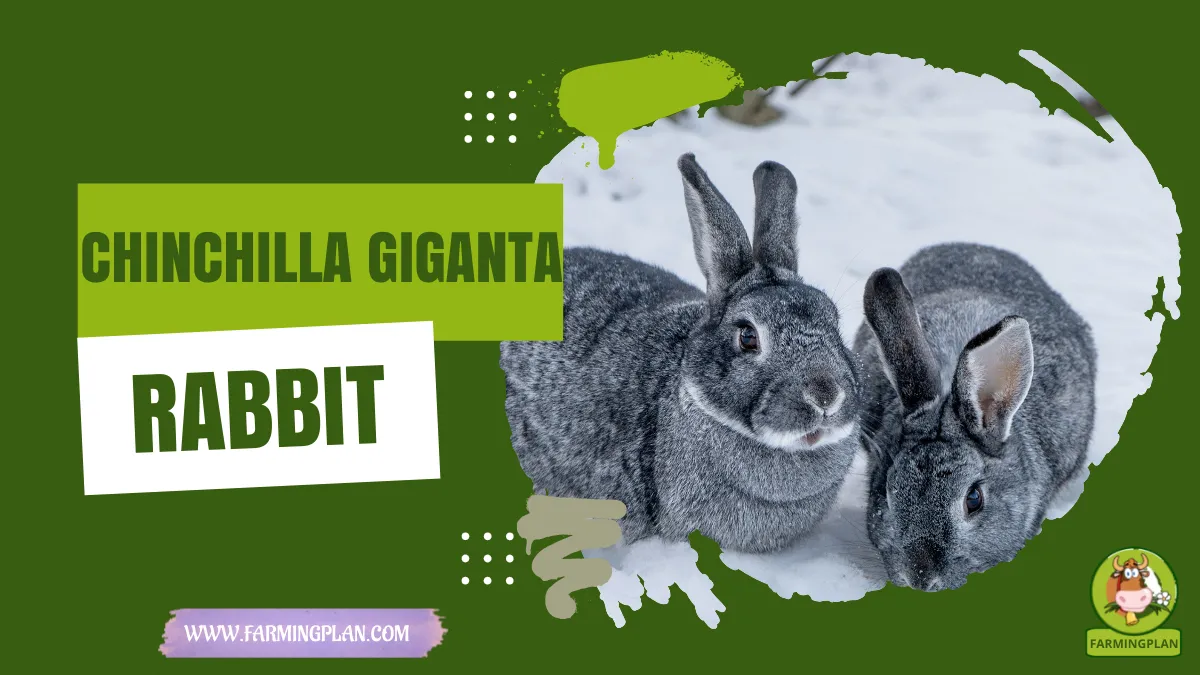
When you examine a Chinchilla Giganta rabbit, you immediately notice its impressive size and beautiful, soft fur coat. These heavyweight animals feature a semi-arch or commercial body type with deep chest development and broad shoulders. Mature bucks usually weigh between 12 and 14 pounds, while adult does often reach 13 to 16 pounds. Their thick fur features wideband gene traits that create a distinctive ring definition when you blow into the pelt. You will see dark slate blue at the base, followed by light pearl, a dark band, and a beautiful white tip with black guard hairs.
The coat density on these giant chinchilla giganta rabbit specimens gives them an exceptionally luxurious feel that feel fantastic under your hand. Their fur uses a classic rollback style, meaning it slowly returns to its original position when you stroke it toward the head. Beyond the classic salt and pepper look, genetics play an interesting role in color expression. The dominant C gene controls full color, but recessive variations can interact with albino coloring or wide band coloring to change shade intensity. Healthy individuals showcase clean, bright fur with tight guard hair distribution that protects them from cold weather.
Exploring the Unique Physical Traits of the Chinchilla Giganta Rabbit
In addition to their fur quality, these rabbits display robust bone structure and well-formed hindquarters that support their heavy maturation weights. Their ears stand upright, proportional to their massive heads, measuring around five to six inches in length. Their eyes are typically dark brown or deep blue-gray, giving them a sharp and pleasant expression. Does carry a neat, well-balanced dewlap that helps them pull fur when preparing nesting boxes for young kits. Every time I evaluate my breeding stock, I admire how perfectly balanced these physical features are for both show ring performance and farm utility.
Nature/Temperament of Chinchilla Giganta Rabbit
I always tell new breeders that the Chinchilla Giganta rabbit is truly a gentle giant in every sense of the word. Despite their massive physical frame, these rabbits exhibit a calm, docile, and affectionate temperament that makes handling them a complete breeze. Unlike smaller, skittish breeds that dart away at sudden movements, giant chinchillas usually sit calmly while you inspect them. They enjoy quiet human interaction and often lean into your hand for scratches behind their long ears. This peaceful nature makes them fantastic companions for families, hobbyists, and first-time homesteaders.
On my farm, I observe how quickly these rabbits adapt to routine social interactions and daily chores. They form strong bonds with their primary handlers and will happily greet you at the cage door when feeding time arrives. They love floor time or safe yard exploration, where they hop around with a graceful rabbit gait despite their heavy weight. Because they possess such an even-tempered personality, neutered males and spayed females adapt wonderfully to living indoors as house pets. They easily master litter box training when you provide consistency and positive rewards during early training sessions.
Understanding the Gentle Mind of the Chinchilla Giganta Rabbit
Their sweet disposition extends to how mother does handle their litters inside the nesting hutch. Giant Chinchilla does make patient, attentive mothers that raise large litters without getting overly aggressive toward farm handlers. They accept routine box inspections without panicking, which keeps the baby kits safe and healthy from day one. However, you must always teach children how to support their large rear legs properly when lifting them. Improper handling can cause a heavy rabbit to kick out, injuring its own spine or scaring the child. With mild training, these steady animals become the absolute pride of any backyard setup.
Food & Diet for Chinchilla Giganta Rabbit
Feeding a Chinchilla Giganta rabbit requires careful attention to balance because their large bodies demand quality nutrients without causing obesity. A healthy digestive tract relies on high-fiber foods to keep intestinal motility running smoothly every single day. Fresh Timothy hay, orchard grass, or meadow hay must make up at least 80% of your rabbit’s daily diet. Fiber helps wear down their continuously growing teeth while supporting beneficial bacteria inside the cecum. Never let your farm supply run low on clean, dust-free hay, as sudden dietary drops trigger dangerous gut stasis.
Alongside unlimited grass hay, I feed a measured amount of high-protein commercial rabbit pellets each morning. Choose a plain pellet that offers around 16% to 18% crude protein and high crude fiber content. Avoid colorful seed mixes, as rabbits pick out sugary pieces and leave the nutrition behind. Growing kits and pregnant does require slightly higher feed allowances to support rapid development, while adult maintenance rabbits need strict portion control. I also provide fresh leafy greens like romaine lettuce, cilantro, dandelion greens, and parsley to add vital natural vitamins to their diet.
Nutritional Guidelines for the Chinchilla Giganta Rabbit
Hydration is just as vital as solid food for maintaining health and supporting efficient food digestion. A large giant chinchilla giganta rabbit drinks a surprising amount of fresh water every day, especially during warm weather. I recommend using heavy ceramic crocks or freeze-resistant nipple waterers that stay clean and secure inside the enclosure. Always clean water dishes daily to prevent harmful bacterial buildup that causes stomach upsets. Never offer toxic items like chocolate, avocado, iceberg lettuce, potato leaves, or sugary human snacks. Balanced nutrition keeps their salt and pepper fur shiny, dense, and full of natural vibrant health.
Usage/Purpose for Chinchilla Giganta Rabbit
The Chinchilla Giganta rabbit shines as one of the most versatile dual-purpose livestock animals you can raise on a modern homestead. Farmers originally developed these heavy animals to produce high yield meat qualities alongside valuable commercial fur pelt stock. Their rapid growth rate allows young kits to reach slaughter weights quickly while consuming basic farm feeds efficiently. Their dressed meat is tender, fine-grained, and low in fat, making it an exceptional protein source for self-sufficient families. The Slow Food Ark of Taste even recognizes traditional heritage rabbit lines for their culinary value and historic agricultural importance.
Versatile Roles of the Chinchilla Giganta Rabbit on the Farm
In addition to meat production, the fur trade historically placed immense value on the dense pelt quality of these chinchilla rabbit breeds. The rich salt and pepper pattern hides wear and offers incredible insulation warmth for garments and craft projects. Breeders who process pelts at home love working with these large hides because they provide substantial usable leather area per animal. Exhibition shows offer another exciting path for enthusiasts who love competing under official ARBA breed standards. Raising champion exhibition animals allows you to sell certified breeding stock to other farm hobbyists across the country.
Beyond farming and exhibition, these gentle giants excel as indoor family pets and farm companions. Their quiet nature suits home life surprisingly well, provided you give them sufficient floor space to stretch their big legs. They do not bark, require simple daily maintenance, and thrive on simple routine interactions with human caretakers. Many owners enjoy colony-raising rabbits in protected outdoors pens or converted barn stalls where the rabbits can forage natural grasses. Whether your goal centers on sustainable food security, wool and pelt crafting, or companion ownership, this breed delivers incredible returns on your investment.
Special Features for Chinchilla Giganta Rabbit
What truly sets the Chinchilla Giganta rabbit apart from other giant breeds is its extraordinary genetic coat structure and heritage resilience. Their fur uses a unique agouti pigment distribution that creates remarkable depth across their body. When sunlight hits their dense coat, you see shimmering layers of slate blue, pearl white, charcoal grey, and black guard hairs. This distinctive coloring served as the gold standard in the fur industry throughout the 20th century. Few domestic animals match the visual appeal of a prime condition Giant Chinchilla resting contentedly in a clean barn setup.
Standout Traits of the Chinchilla Giganta Rabbit
Another special feature involves their exceptional growth speed coupled with a surprisingly frugal feed conversion ratio. These rabbits transform simple grass hays and grain pellets into muscular body mass much faster than many other heritage breeds. Does possess large, broad hips that make kindle births smooth and free of common complications. They typically produce litters of eight to twelve healthy kits and possess abundant milk production to raise them without assistance. Their natural hardiness allows them to handle cold winter conditions easily as long as you keep their pens dry and windproof.
Finally, their personality profile stands out as a major strength compared to hyperactive small breeds. Their steady nervous system helps them manage environmental changes without falling victim to stress-induced illnesses. They adapt well to farm sounds like barking dogs, tractor engines, and busy family activities. This emotional stability makes them top choices for educational youth projects, agricultural fairs, and therapy visits at local community centers. Owning a line of healthy giant chinchillas gives you access to physical beauty, production utility, and peaceful companionship all wrapped up in one single, impressive breed.
Health Issues & Prevention for Chinchilla Giganta Rabbit
Keeping your Chinchilla Giganta rabbit healthy requires proactive care, clean housing, and daily monitoring of their physical condition. Because of their heavy weight, sore hocks (ulcerative pododermatitis) present a constant risk if they sit on rough wire floors. Inspect the bottom of their rear feet weekly to catch red patches early before open sores develop. Provide solid resting mats, smooth wooden boards, or deep straw bedding inside their hutches to distribute their weight comfortably. Keeping living areas dry and clean prevents bacteria from infecting raw skin surfaces on foot pads.
Protecting Your Chinchilla Giganta Rabbit from Illness
Gastrointestinal stasis stands out as another serious threat that demands immediate intervention from experienced rabbit owners. This condition occurs when the digestive tract slows down or stops completely due to low fiber, stress, or hairballs. Watch their droppings daily; tiny, misshapen, or absent fecal pellets signal trouble inside the digestive system. You must also check their soft cecotropes, which rabbits normally consume directly to reabsorb essential vitamins and nutrients. Ensure your animals consume unlimited fresh hay every single day to keep food moving through their long digestive tract smoothly.
Heat stroke poses extreme danger during hot summer months because giant rabbits struggle to lose excess body heat efficiently. Temperatures above 85°F (29°C) cause severe distress, rapid panting, and dangerous organ strain. Provide continuous shade, air movement from fans, and frozen water bottles for them to lean against during heatwaves. Additionally, check coat bottoms during damp weather to protect outdoor stock from fatal flystrike infestations. Maintain clean ears by checking regularly for ear mites, and trim nails every six weeks to prevent painful toe injuries.
“Proper Care And Loving Attention Turn Great Breeding Stock Into A Lifetime Of Joy And Success.”
Step-by-Step Farming Guidefor Chinchilla Giganta Rabbit
Taking proper care of a Chinchilla Giganta rabbit requires structured management, proper housing arrangements, and consistent daily habits. Whether you plan to raise a small backyard meat herd or keep a single giant pet inside your house, following a step-by-step framework ensures long-term success. Big rabbits need reliable shelter, high-volume feeding supplies, and regular grooming routines to stay healthy and vibrant. I have built and managed dozens of hutch systems over my career, and breaking the work down into clear, manageable steps makes farm management enjoyable and stress-free for breeders of all skill levels.
Mastering Care for the Chinchilla Giganta Rabbit
Before buying your first breeding pair, prepare your farm space properly to avoid rush decisions later on. Make sure your setup offers shelter from rain, direct summer sun, cold drafty winds, and hungry predators. Investing time in proper planning upfront saves you money, protects your animal investment, and prevents accidental injuries. Let us break down the exact process step-by-step so you can give your giant rabbits the best home possible from day one.
Step 1: Housing and Shelter Setup
Building the right housing setup represents your absolute top priority when introducing these heavy rabbits to your property. A full-grown giant chinchilla needs a minimum cage footprint of 30 inches by 48 inches with at least 24 inches of vertical headroom. Larger pens or colony runs give them the freedom to hop around, stretch out fully, and exercise their large muscles safely. Construct frames using sturdy wood or galvanized steel wire that handles heavy body weights without sagging over time.
Install smooth plastic resting boards or thick resting mats across at least half of the cage floor area immediately. This protects their delicate hocks from wire cuts and pressure sores while allowing droppings to fall through open floor sections. If keeping your rabbits outdoors, place hutches in deep shade under trees or barn roofs to protect them from heat. Equip each cage with heavy ceramic food bowls and high-capacity water bottles that stay secure during playful activity.
Step 2: Daily Nutrition and Water Management
Establishing a strict daily feeding schedule keeps your giant rabbits healthy and maintains steady growth across your herd. Every morning, fill their hay racks with clean, sweet-smelling Timothy hay or mixed grass hay without restriction. Inspect water crocks twice daily to ensure clean water flows freely without dirt or algae contamination. Offer measured portions of high-protein rabbit pellets based on weight, age, and reproductive status to prevent unhealthy weight gain.
Incorporate small servings of fresh, rinsed leafy greens during evening feeding rounds to provide natural digestive variety. Remove any uneaten fresh greens after a few hours so food does not spoil or attract unwanted pests inside the hutch. Pay close attention to lactating does, offering them extra feed supplements and alfalfa hay to support their heavy milk output. Consistent feeding habits prevent digestive upsets and keep your animals energetic and relaxed year-round.
Step 3: Grooming and Physical Health Checks
Regular grooming keeps their luxurious salt and pepper coat clean while offering a great chance to conduct quick physical health checks. Brush their dense fur once a week using a slicker brush or rubber grooming tool to remove loose hair and dirt. Increase grooming frequency to two or three times weekly during heavy spring shedding periods to prevent fur blockages in their gut. Brushing also distributes natural skin oils across the coat, enhancing shine and water resistance.
During each grooming session, examine their ears for crusty residue that signals early ear mite infections. Check their front and back nails, trimming sharp tips with strong dog nail clippers to prevent torn toes on cage wire. Inspect their foot pads for redness, clean their scent glands near the tail gently, and check their front teeth for misalignment. Spending ten minutes on weekly grooming prevents expensive health problems and keeps your giant rabbits trusting your physical touch.
Step 4: Breeding Stock and Kit Care
Managing reproduction requires clean nest boxes, clear record-keeping, and careful timing during controlled mating sessions. Always bring the doe to the buck’s cage for breeding; placing a buck in a doe’s territory often leads to aggressive fights. Keep simple farm records of mating dates so you can calculate expected kindle dates accurately around day 31. Supply a clean wooden nest box stuffed with fresh straw or wood shavings on day 28 of pregnancy.
The doe will pull thick fur from her chest to line the nest box right before giving birth to her kits. Check newborn litters on morning one, removing any weak or stillborn kits quickly to keep the nest clean. Ensure all kits display round, full bellies each morning, proving that mother is nursing them effectively. Wean young kits around eight weeks of age, moving them to spacious grow-out cages with unlimited fresh feed and hay.
Read More: Wuzhishan Pig Care Secrets Every Farmer Needs
Expert Tips & Best Practices for Chinchilla Giganta Rabbit
Pro Tips for Raising the Chinchilla Giganta Rabbit
- Install Solid Resting Boards: Always cover wire floor sections with smooth plastic mats, wood boards, or carpet tiles to protect heavy feet from sore hocks.
- Beat Summer Heat Waves: Freeze plastic milk jugs full of water and place them inside hutches so rabbits can lie against them on hot days.
- Feed Unlimited Grass Hay: Keep hay racks full 24/7 to support healthy digestive movement and naturally wear down fast-growing front teeth.
- Practice Safe Lifting: Support their heavy rear quarters with one hand while holding their chest securely with the other hand whenever carrying them.
- Select Quality Breeding Stock: Buy replacement animals from registered breeders who select for strong bone structure, calm temperaments, and dense pelts.
- Maintain Clean Barn Air: Ensure open ventilation throughout your barn or shelter to prevent ammonia fumes from irritating sensitive respiratory tracts.
- Keep Precise Farm Logs: Track breeding dates, litter sizes, and growth weights in a notebook to make smart selection decisions over time.
FAQs
What is the average lifespan of a Chinchilla Giganta rabbit?
A Chinchilla Giganta rabbit typically lives between 5 and 8 years when given proper nutrition, clean housing, and routine veterinary care. Spaying or neutering non-breeding animals can help extend their lifespan by preventing reproductive cancers.
How big does a Giant Chinchilla rabbit get when fully grown?
Fully grown bucks usually weigh between 12 and 14 pounds, while adult does reach between 13 and 16 pounds. They feature a long, broad commercial body type with dense bone structure.
What is the price range for buying a Chinchilla Giganta rabbit?
Prices generally range from $50 to $150 depending on pedigree quality, breeder reputation, and show potential. High-grade breeding stock with official ARBA registration papers may cost more.
Do Chinchilla Giganta rabbits make good indoor pets?
Yes, their calm and affectionate nature makes them wonderful indoor house pets for families with sufficient floor space. They adjust easily to home life and can learn to use a litter box reliably.
How often should I groom my Chinchilla Giganta rabbit?
You should brush their dense fur coat at least once a week to remove loose hair and dirt. During heavy seasonal shedding periods, brush them two to three times a week to prevent digestive hairballs.
Conclusion
The Chinchilla Giganta rabbit stands as an incredible heritage breed that offers remarkable value for homesteaders, exhibition show competitors, and family pet owners alike. Their impressive physical size, luxurious salt and pepper fur, and calm temperament make them a complete joy to raise on any farm setup. By offering spacious hutches, unlimited grass hay, and regular health checks, you can enjoy a thriving, healthy herd for years to come. I encourage you to connect with local breeders, explore heritage rabbit conservation, and welcome these gentle giants to your property today. Drop a comment below to share your rabbit story, ask questions, or share this guide with fellow animal lovers across your social networks!


