
I still remember the very first day I held a Silver Fox rabbit on my farm, and I instantly fell in love with its remarkable, flywheel-like coat. This magnificent creature stands out as an exceptionally versatile dual-purpose breed, perfect for both small-scale homesteaders and dedicated pet lovers alike. As a long-time farming specialist, I have raised many different animals, but these giant, gentle bunnies hold a truly special place in my heart.
Their uniquely dense, standing fur feels astonishingly soft, while their remarkably calm demeanor makes every single handling session an absolute joy. Whether you want to explore heritage livestock preservation, produce healthy home-raised meat, or simply welcome a docile companion into your home, this amazing breed offers everything you could ever ask for. Share your personal experiences, ask questions in the comments below, or pass this helpful guide along to fellow animal enthusiasts in your local farming community!
History & Origin of Silver Fox rabbit
Back in the early 1920s, a dedicated breeder named Walter B. Garland from North Canton, Ohio, set out to create a truly remarkable multi-purpose animal. He carefully crossed several distinct varieties, including the iconic Champagne d’Argent and the heavy Checkered Giant breed, to perfect a brand-new domestic line. After years of careful selective breeding, he successfully developed a robust, dark-furred animal that showcased gorgeous silvering throughout its luxurious coat. The American Rabbit Breeders Association, widely known as the ARBA, officially recognized this unique creation as a distinct breed in 1925, initially calling it the American Heavyweight Silver. Later on, breeders changed the name to honor its striking resemblance to the majestic wild silver fox found across North America.
Despite its incredible utility and stunning appearance, this historic heritage breed faced a drastic decline in numbers during the late twentieth century. As commercial operations shifted toward faster-growing industrial stock, small farm numbers plummeted, landing this wonderful animal on critical watchlists. Organizations like The Livestock Conservancy and Slow Food USA worked tirelessly to save these magnificent animals from disappearing forever. Through dedicated efforts by heritage breeders across the United States, populations have steadily recovered over recent decades. Today, passionate homesteaders actively preserve this living piece of American agricultural history while maintaining strict breed standards for future generations to enjoy.
Read More: Egyptian Honey Bee Secrets: Discover Incredible Ancient Jewels
Characteristics of Silver Fox rabbit
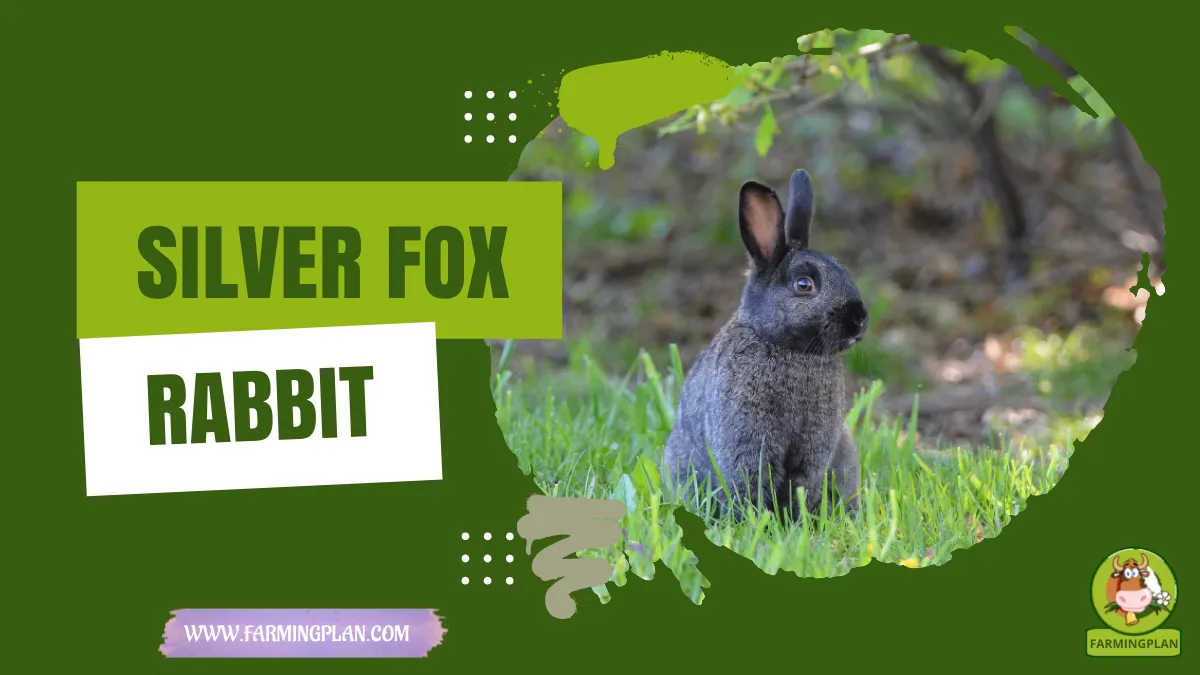
When you first look at a mature adult, you immediately notice its substantial, commercial body type and broad, well-fleshed frame. A full-grown senior buck typically weighs between 9 and 11 pounds, while a senior doe often reaches a impressive maximum weight of 12 lbs. The defining feature of this breed remains its unique standing fur, which strictly sets it apart from almost all other domestic breeds. Unlike standard rabbit fur that immediately flies back when stroked from tail to head, this dense coat stays completely upright until you manually brush it back down into place. The fur contains deep, rich coloration packed with stiff guard hairs that showcase distinct silver tipped ends throughout the entire body.
While the deep black color variety remains the most recognized and widely bred standard, other captivating shade options exist within specialized breeding lines. The elegant blue variety features a rich slate undercolor offset by bright silvering, creating an absolutely breathtaking appearance in full sunlight. Dedicated enthusiasts also produce beautiful chocolate and subtle lilac coats, working continuously under official Certificate of Development programs to gain full show recognition. Regardless of color, newborn Silver Fox kits are born completely solid in tone without any visible sheen. The gradual silvering process slowly begins around four weeks of age, steadily developing into a magnificent full coat as the young animal matures into adulthood.
Nature & Calm Temperament of Silver Fox rabbit
I always tell new handlers that this breed possesses one of the most delightfully gentle personalities in the entire animal kingdom. Their exceptionally docile nature makes them an ideal choice for families, beginner homesteaders, and young children learning animal husbandry. Unlike skittish dwarf breeds that jump at every sudden sound, these large animals usually remain completely calm during routine handling. They love lounging comfortably in their living quarters, patiently waiting for their daily treats or a gentle scratch behind their large ears. My own farm animals routinely stretch out for soothing belly rubs without showing a single sign of stress or nervousness.
This remarkably calm temperament also translates into incredible maternal success inside the breeding barn. Senior does act as extraordinarily attentive nest box caretakers, boasting exceptional mothering instincts and abundant, rich rabbit milk production. They easily raise large litters consisting of eight to twelve healthy kits without getting flustered or anxious. Furthermore, these sweet mothers frequently serve as excellent foster mothers for other orphaned litters on the farm. Their easygoing attitude simplifies daily herd management, turning routine chores like health checks, coat grooming, and cage cleaning into effortless, enjoyable interactions every single day.
Food & Daily Diet of Silver Fox rabbit
Proper nutrition serves as the vital foundation for keeping your animals energetic, healthy, and growing strong throughout their entire lives. I feed my herd a solid base of fresh, high-quality Timothy grass hay, which must remain available inside their pens all day long. Chewing on coarse long-stem hay continuously wears down their open-rooted teeth while providing essential crude fiber to maintain smooth gastrointestinal motility. Alongside unlimited clean hay, I offer a measured daily portion of fresh, nutrient-dense commercial pellets containing around 16 to 18 percent crude protein. This rich balance ensures steady weight gains for growing kits while keeping breeding stock in peak physical condition year-round.
You can supplement their core diet with fresh, washed leafy greens like romaine lettuce, parsley, dandelion greens, and crisp cilantro a few times each week. However, you should strictly avoid feeding sugary treats like sweet fruits, corn, or starchy root vegetables in large amounts, as these items quickly disrupt delicate gut flora. Always introduce any new green food item very slowly into their diet to prevent painful digestive distress or life-threatening stasis. Most importantly, ensure your animals have constant access to fresh, cool water through clean bottles or heavy earthen bowls that cannot tip over during activity.
Usage & Dual-Purpose Utility of Silver Fox rabbit
Homesteaders value this classic American creation primarily for its supreme, high-yielding dual-purpose capabilities. The breed produces exceptional dress-out rates, yielding lean, tender meat with remarkably low bone-to-meat proportions compared to smaller standard breeds. Because the young animals grow rapidly on modest feed ratios, they make a highly efficient livestock choice for small-acreage meat production. In fact, Slow Food USA added this historical animal to their prestigious Ark of Taste program to promote its rich culinary heritage, exceptional flavor, and incredible role in sustainable local agriculture.
Beyond their meat value, these magnificent animals produce exceptionally dense, thick rabbit hides that are highly prized by traditional crafters and leatherworkers. Their unique standing guard hairs create luxurious, warm winter garments, plush hats, and durable trimmings that retain their soft texture for years. Furthermore, their tranquil demeanor makes them top contenders in competitive exhibition shows nationwide under the ARBA Class 6 category. Dedicated youth breeders in 4-H programs love showing them because their manageable temperaments allow novice handlers to display them effortlessly on the judging table.
Special Features of Silver Fox rabbit
The single most captivating aspect of this breed is its remarkable standing fur, a rare genetic trait shared by very few other domestic breeds worldwide. When you stroke the dense coat backward toward the head, the thick hairs remain completely upright like a thick winter coat rather than smoothing down automatically. This dense structure contains millions of soft undercoat fibers interwoven with stiff, silver-tipped guard hairs that sparkle brilliantly in ambient light. Beyond its coat, the animal showcases an exceptionally deep body depth, strong spine structure, and nicely rounded hindquarters that demonstrate raw physical strength and healthy genetic vigor.
Another incredible feature lies in their remarkable climate resilience and rugged overall hardiness across changing seasonal conditions. Their unusually thick winter coat provides superior natural insulation, allowing them to thrive comfortably in chilly barn setups during freezing winter weather. During hot summer months, their broad, vascular ears efficiently radiate heat to keep their core temperature safely regulated. Combined with an outstanding feed conversion ratio, strong disease resistance, and long reproductive lifespans, these powerful physical traits make this heritage line an incredibly resilient choice for self-sufficient homesteading ventures.
Health Issues, Symptoms, and Preventive Care of Silver Fox rabbit
Like all domestic lagomorphs, these big bunnies face a few specific health vulnerabilities that every owner must closely monitor. Gastrointestinal stasis represents one of the most critical threats, occurring when the digestive tract slows down or stops completely due to stress, dehydration, or low-fiber diets. Watch for clear warning signs like small or misshapen droppings, sudden loss of appetite, lethargy, or loud gut noises. To prevent this dangerous condition, provide continuous access to fresh long-stem hay, encourage regular daily exercise, and immediately consult a qualified exotic veterinarian if your animal refuses food for more than twelve hours.
Because these heavy animals carry significant body weight on their feet, they can occasionally develop painful sore hocks if housed continuously on rough wire flooring. Always place smooth wooden resting boards, solid plastic mats, or deep straw bedding inside their enclosures to cushion their delicate foot pads. Additionally, keep an eye out for ear mites, which cause crusty brown buildup and frequent head shaking, as well as overgrown incisors that require routine dental checks. Maintaining a spotless environment, applying gentle grooming brushes, and keeping living spaces completely dry will eliminate the vast majority of common barn ailments before they start.
Investing Time In The Gentle Silver Fox Rabbit Brings Endless Happiness And Rich Rewards To Your Homestead.
Step-by-Step Pet Owner Care Guide of Silver Fox rabbit
Properly establishing a thriving home setup requires careful preparation, clear organization, and consistent daily husbandry routines. Building a clean, secure living environment protects your stock from extreme weather, dangerous predators, and unwanted stress while promoting steady growth. Follow these detailed steps to give your animals the absolute best start in life on your farm or in your backyard.
Step 1: Setting Up Proper Enclosures and Housing Systems
Designing a safe, spacious home serves as your very first operational step toward long-term success. Because adults reach substantial sizes, each single adult requires a minimum enclosure size of 30 by 36 inches, though a larger 36 by 48-inch pen provides far better comfort. Ensure your housing system sits in a well-ventilated, draught-free area that stays cool during hot summer days. If you use wire-bottom pens for easy manure management, instantly install solid resting boards so your animals can rest their feet comfortably off the wire. Secure all cage latches tightly to protect your stock from wild predators like raccoons, dogs, or hawks.
Step 2: Establishing a Clean Water and Feeding Station
Equip every enclosure with heavy, durable feeding tools that can withstand daily use without flipping over. Install a large, heavy ceramic crock or a high-volume gravity water bottle on the side of the pen, checking it twice daily to guarantee a clean water supply. Attach a dedicated wire hay rack high up on the cage wall to keep fresh Timothy hay elevated off the dusty floor. Place a flat-bottomed feed dish securely on the floor for measured pellet rations, cleaning out any leftover damp food every morning to prevent dangerous mold or bacteria growth.
Step 3: Managing Daily Grooming and Coat Maintenance
Maintaining that signature standing fur demands regular, gentle grooming habits to keep the hide clean and mat-free. Use a soft slicker brush or a rubber grooming tool twice a week to gently pull away loose undercoat hairs and debris. During intense seasonal molting periods in spring and autumn, brush your animals daily to prevent them from ingesting excessive loose fur while cleaning themselves. Check their nails every three weeks, trimming the sharp tips carefully with pet nail clippers while taking great care to avoid clipping the delicate quick.
Step 4: Implementing Reproductive Management and Nest Box Care
When expanding your farm herd, select mature breeding stock around eight to ten months of age to ensure full physical development. Always bring the receptive doe to the buck’s cage for mating, observing the process closely to confirm successful service. Mark your calendar for a 31-day gestation period, placing a clean wooden nest box packed with soft wood shavings and clean hay into her pen on day 28. The expectant mother will naturally pull soft belly fur to line her cozy nest, creating a warm, safe spot to give birth to her newborn kits.
Step 5: Raising Healthy Kits and Proper Weaning
Inspect the newly born kits quietly on their first morning, removing any weak or stillborn babies while leaving the mother undisturbed. Do not panic if you rarely see the mother inside the box during the day; does naturally nurse their young just once or twice daily, typically during quiet nighttime hours. The kits will open their eyes around 10 to 12 days old and begin venturing out of the nest box to nibble dry hay and pellets at three weeks. Wean the young kits from their mother at eight weeks of age, separating them into grow-out pens by sex to avoid early unwanted pregnancies.
Read More: Baladi Black Rabbit: Essential Expert Care Guide
Expert Tips & Best Practices for Silver Fox Rabbit
- Handle your animals gently from a young age by supporting their heavy hindquarters firmly against your body to build trust and calm temperaments.
- Keep detailed barn records tracking breeding dates, litter sizes, kit weight gains, and individual pedigree lines to improve your herd’s genetics over time.
- Place resting boards or thick rubber livestock mats inside every wire enclosure to completely prevent painful sore hocks on heavy adult stock.
- Keep your barn temperature well under 85°F during hot summer months by using frozen water bottles, large electric fans, and proper roof insulation.
- Join regional breeder groups and the National Silver Fox Rabbit Club to connect with experienced mentors and find high-quality pedigreed stock.
- Feed fresh wooden chew blocks made from safe, untreated apple or willow branches to help wear down their constantly growing teeth naturally.
FAQs
How long does a Silver Fox rabbit usually live?
With proper care, a balanced diet, and secure housing, these animals typically live between 7 and 10 years. Providing consistent veterinary checkups, clean water, and ample space significantly extends their healthy lifespan.
How big do mature adults get when fully grown?
Senior bucks usually weigh between 9 and 11 pounds, while senior does reach a slightly larger frame averaging 10 to 12 pounds. Their broad body structure gives them a solid, substantial weight suitable for dual-purpose farming.
Why is their fur considered so unique among domestic breeds?
Their fur is celebrated for its rare standing quality, meaning it stays upright when brushed backward until stroked back down. The coat features dense underfur packed with stiff guard hairs that showcase brilliant silvering throughout.
Is this heritage breed suitable for beginner owners?
Yes, their exceptionally calm and docile nature makes them an outstanding choice for beginners, youth show exhibitors, and families. They handle human interaction very well and rarely exhibit aggressive behavior when treated gently.
Are these animals still considered an endangered breed?
While populations have recovered significantly thanks to dedicated conservationists, they remain a monitored heritage breed on livestock preservation lists. Purchasing pedigreed stock from active breeders helps preserve their vital genetic diversity for the future.
Conclusion
Raising these remarkable animals offers a deeply rewarding journey for homesteaders, dedicated breeders, and pet lovers who appreciate unique heritage livestock. Their extraordinary standing fur, gentle temperaments, and exceptional dual-purpose utility make them a standout choice for any farm setup or backyard barn. By maintaining proper feeding schedules, clean housing setups, and gentle daily handling habits, you can build a thriving, healthy herd that brings immense joy for many years to come. I encourage you to support heritage livestock conservation by exploring this classic American breed for your own homestead today. Discover the ultimate Silver Fox rabbit guide!


