
When I first started raising rabbits, the Rex Rabbit quickly became one of my favorite breeds. This rabbit stands out because of its unique plush, velvety fur, calm temperament, and dual-purpose value for both meat production and the fur industry. Many beginners search for things like Rex rabbit lifespan, Rex rabbit size, Rex rabbit care, and even Mini Rex rabbit details, and I can tell you from experience—this breed is worth learning about.
Rex rabbits are popular among breeders, hobbyists, and even show enthusiasts. Their soft coat, which comes from a special genetic mutation, makes them different from other rabbit breeds. Whether you want a friendly pet, a reliable meat rabbit, or a show-quality animal, this breed offers flexibility. In this guide, I’ll walk you through everything—from history and characteristics to feeding, health care, and step-by-step raising tips.
History & Origin
The story of the Rex rabbit begins in France around 1919. A farmer named Alfred Zimmerman discovered a unique rabbit mutation in his litters. These rabbits had a short, dense coat with no guard hair, giving them a plush and velvety texture. This mutation became the foundation of what we now call the Rex breed. By 1924, Rex rabbits gained global attention when they appeared at the Paris International Rabbit Show. Their stunning fur impressed breeders and the fur industry alike. Soon, rabbit clubs and breeders began improving the bloodline through selective breeding.
Recognition And Expansion Of Rex Breeds Worldwide
Organizations like the American Rabbit Breeders Association (ARBA) and the British Rabbit Council officially recognized the Rex breed. Over time, breeders developed multiple color varieties and improved coat quality. I’ve seen firsthand how consistent feeding, good housing, and early health monitoring can make a huge difference in their overall performance and lifespan.
Read More: Kuroiler Chicken Powerful Farming Guide
Later, the Mini Rex was developed by Monna Berryhill, making the breed even more popular for small-scale pet owners. Today, Rex rabbits dominate both the show industry and home rabbitry setups. Events like the ARBA National Convention and National Rex Show celebrate these beautiful animals.
Characteristics
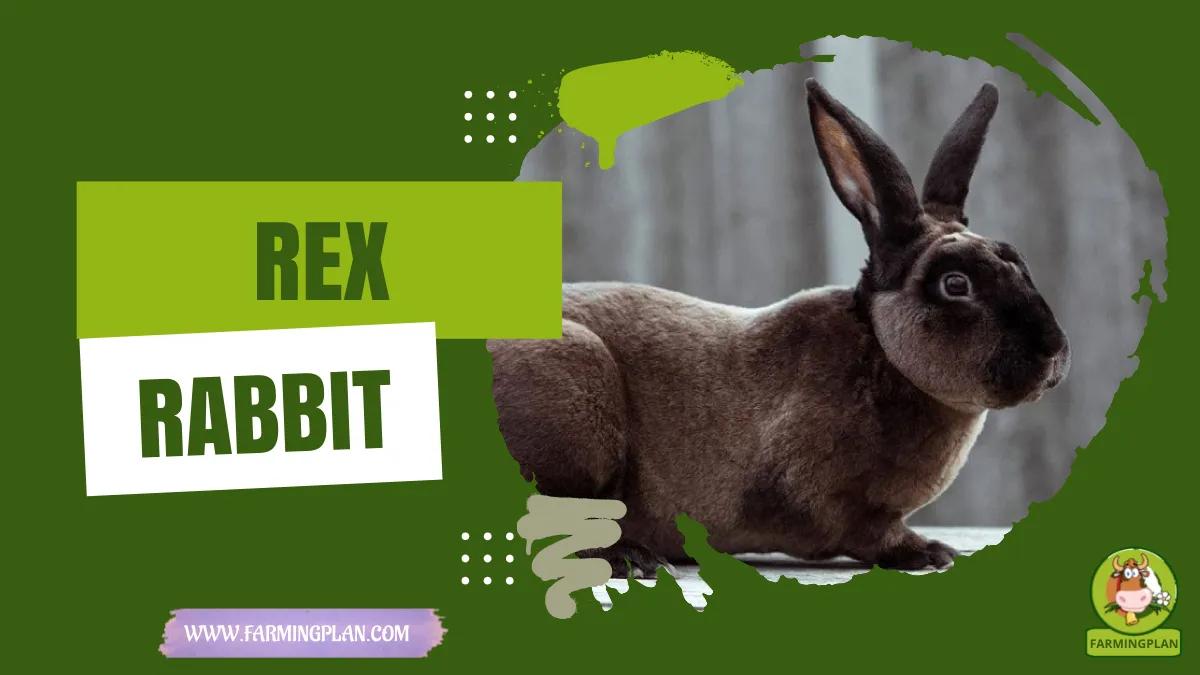
The first thing you’ll notice about a Rex rabbit is its velvety fur. Unlike other breeds, Rabbits lack long guard hair, which gives their coat a smooth, plush feel. This coat texture feels like velvet or even soft suede when you touch it. If you are looking for a breed that combines beauty, productivity, and ease of management, Rex rabbits are a smart and practical choice.
Their body is medium-sized, compact, and muscular. Standard Rex rabbits usually weigh between 3.5 to 4.5 kg, while Mini Rex rabbits are smaller, weighing around 1.5 to 2 kg. Their ears stand upright, and they have a broad head with a calm expression. With proper care, balanced nutrition, and a clean environment, these rabbits grow well, stay healthy, and produce excellent results whether you are a beginner or an experienced breeder.
Color Varieties And Genetic Differences
Rex rabbits come in many color varieties, including broken, black, white, blue, and even rare shades like Astrex and Opossum. ARBA-recognized colors ensure standardization for show-quality rabbits. The mutated gene responsible for their fur also affects undercoat density. This makes Rex rabbit pelts highly valuable in the fur industry. Many breeders focus on coat quality when selecting breeding pairs.
Nature/Temperament
From my experience, Rex rabbits have one of the best temperaments among rabbit breeds. They are calm, friendly, and easy to handle, making them ideal for beginners. They don’t get aggressive easily and enjoy human interaction. These rabbits also respond well to socialization. If you handle them regularly from a young age, they become very affectionate. Mini Rex rabbits, in particular, are popular as pets because of their gentle nature.
Suitability For Different Owners And Environments
Rex rabbits adapt well to both indoor and outdoor housing. Families with children often prefer them because they are patient and less likely to bite. Farmers also appreciate their calm nature, which makes handling during breeding or butchering easier. They do best in environments where they feel safe from predators and receive regular attention. I always recommend keeping them in a quiet, stress-free area for the best results.
Food & Diet
Feeding Rex rabbits properly is key to maintaining their health and coat quality. I always provide a balanced diet that includes high-quality pellets, fresh greens, and clean water. Pellets should contain the right protein levels and crude fiber for digestion. Fresh greens like spinach, coriander, and grass help improve digestion and provide vitamins. You can also add small amounts of carrots or fruits as treats. Water bottles should always be clean and accessible.
Dos And Don’ts Of Rex Rabbit Feeding
Avoid feeding too many sugary foods, as this can cause digestive issues like GI stasis. Never give moldy or spoiled food. Always introduce new foods gradually to prevent stomach upset. I also recommend using trusted feed brands like Oxbow Enriched Life Shake for better nutrition. A good diet improves not only growth but also fur quality, which matters for both show and meat production.
Usage/Purpose
Rex rabbits are considered dual-purpose animals. Farmers raise them for both meat production and fur. Their bone-to-meat ratio makes them a good meat source, while their velveteen pelt is valuable in the fur industry. Rabbit pelts from Rex breeds are often used in garments due to their softness. Many breeders focus on producing high-quality hides for commercial use.
Rex Rabbits As Pets And Hobby Animals
Aside from farming, Rex rabbits are popular as pets. Their calm temperament and unique coat make them ideal for hobbyists. Rabbit clubs and fancy clubs often organize events where breeders showcase their best animals. Mini Rex rabbits, in particular, dominate the pet market due to their manageable size and friendly personality.
Special Features
Rex rabbits offer a perfect mix of beauty, utility, and ease of care. From their velvety fur to their calm temperament, they stand out among rabbit breeds. Whether you raise them for meat, fur, or as pets, they deliver great value with proper management. I’ve personally found them reliable, adaptable, and rewarding to work with. If you’re thinking about starting a rabbitry or adding a new pet, this breed is a fantastic choice. Try raising Rex rabbits yourself, share your experience, and let others know how these amazing animals perform in your care.
The most special feature of Rex rabbits is their velvety fur. The absence of guard hair creates a plush coat that feels incredibly soft. This makes them unique among all rabbit breeds. Their coat also requires less grooming compared to long-haired breeds. However, maintaining cleanliness is still important to avoid skin issues.
Adaptability And Multi-Purpose Benefits
Rex rabbits adapt well to different climates, although they prefer moderate temperatures. They also produce high-quality manure, which farmers use as fertilizer. Their ability to serve as pets, meat rabbits, and show animals makes them one of the most versatile breeds. This flexibility is why I often recommend them to beginners.
Health Issues & Prevention
Like all rabbits, Rex rabbits can suffer from health issues such as ear mites, coccidiosis, and GI stasis. Some serious conditions include RHDV and Encephalitozoon cuniculi (E. cuniculi). Symptoms may include weight loss, diarrhea, lack of appetite, or unusual behavior. Early detection is crucial for treatment.
Prevention And Regular Care Tips
I always maintain proper hygiene in my rabbitry to prevent diseases. Clean cages, fresh bedding, and proper ventilation help reduce risks. Regular grooming, even for short-coated Rex rabbits, helps detect skin problems early. Providing a balanced diet and avoiding stress also improves their immunity.
“Great Rabbits Come From Great Care—Feed Them Well, Handle Them Gently, And Watch Them Thrive Like Velvet Royalty.”
Step-by-Step Farming Guide
When I started raising Rex rabbits, I learned that success depends on proper planning and daily care. Whether you’re a beginner or experienced breeder, following a structured approach makes everything easier. Rex rabbits need proper housing, nutrition, and attention to thrive. In this section, I’ll share my step-by-step method that I personally use in my rabbitry. These steps cover everything from setup to daily care.
Step 1 – Setting Up The Perfect Rabbit Housing
The first step is creating a safe and comfortable space. I always use cages with wire mesh floors to keep the area clean and dry. The cage size should allow enough movement for the rabbit. Place the cage in a well-ventilated area but protect it from extreme heat. Rex rabbits have lower heat tolerance, so shade is essential. I also make sure the area is safe from predators like dogs or snakes.
Step 2 – Choosing Healthy Rex Rabbit Breeds
Selecting the right breeder is very important. I always check the bloodline and health condition before buying. A good breeder provides information about genetics and vaccination history. Look for active rabbits with clean fur and bright eyes. Avoid rabbits that show signs of illness. Investing in quality stock improves your long-term success.
Step 3 – Feeding And Daily Nutrition Routine
I follow a strict feeding schedule to keep my rabbits healthy. Morning and evening feeding works best. I provide pellets, fresh greens, and clean water daily. Consistency is key. Sudden changes in diet can cause digestive problems. I also monitor their eating habits to detect any health issues early.
Step 4 – Breeding And Managing Litters
Breeding Rex rabbits requires patience and planning. I usually introduce the female to the male’s cage to encourage mating. After successful breeding, I prepare a nesting box. Litters, also called kits, need special care. Keep them warm and check them daily. Proper management ensures higher survival rates.
Step 5 – Cleaning, Grooming, And Maintenance
Cleanliness is critical in rabbit farming. I clean cages regularly to prevent diseases. Even though Rex rabbits have short fur, I still groom them occasionally. Check for ear mites and skin infections during grooming. A clean environment keeps your rabbits healthy and stress-free.
Read More: Roundworm Guide: Powerful Protection Tips
Expert Tips & Best Practices
Pro Tips For Raising Rex Rabbits Successfully
- Always maintain proper hygiene in your rabbitry
- Choose high-quality pellets with balanced nutrition
- Keep rabbits in a stress-free environment
- Monitor health regularly to catch diseases early
- Use proper breeding techniques for better litters
- Provide fresh greens daily for better digestion
- Avoid overcrowding in cages
- Protect rabbits from extreme heat and predators
FAQs
What is the lifespan of a Rex rabbit?
Rex rabbits usually live between 5 to 8 years with proper care. Good diet and hygiene can extend their lifespan.
Are Rex rabbits good pets?
Yes, Rex rabbits are calm, friendly, and easy to handle. They are perfect for families and beginners.
What makes Rex rabbit fur unique?
Their fur lacks guard hair, giving it a velvety texture. This makes them highly valued in the fur industry.
How big do Rex rabbits grow?
Standard Rex rabbits grow to medium size, while Mini Rex rabbits stay smaller. Size depends on the breed type.
How do I care for a Rex rabbit properly?
Provide a balanced diet, clean housing, and regular health checks. Social interaction also improves their well-being.
Conclusion
Rex rabbits have proven themselves to be one of the most versatile and rewarding rabbit breeds I’ve ever worked with in my farming journey. From their incredibly soft, velvety fur to their calm and friendly temperament, they truly live up to their reputation as the “King of Rabbits.” What makes them even more valuable is their dual-purpose nature—you can raise them for meat production, fur, or simply enjoy them as affectionate pets. Start small, learn their behavior, and gradually expand your setup as you gain confidence. I encourage you to try raising Rex rabbits, share your experiences with fellow rabbit lovers, and keep learning—because the more you invest in their care, the more rewarding your journey will become.