When I first started working with Kuroiler Chicken, I quickly realized how different it is from regular local chickens. This hybrid bird stands out for both egg production and meat yield, making it a perfect dual-purpose breed for small farmers and backyard poultry lovers. Many poultry farmers in India, Africa, and even rural Bangladesh now prefer Kuroiler chicks because they grow fast, resist diseases, and adapt well to free-range systems.
In this guide, I’ll share my hands-on experience with Kuroiler chicken farming—from feeding and care to market value and disease control. Whether you’re raising birds in a semi-urban environment or managing a small poultry enterprise, this article will help you understand everything clearly.
History & Origin
Kuroiler Chicken originated in India and was developed by Kegg Farms Private Limited. The goal was simple: create a bird that combines the strength of indigenous (native Indian hens) with the productivity of commercial breeds. This effort resulted in a hybrid chicken that performs well in both backyard poultry farming and semi-intensive systems.
I’ve seen how this breed has spread beyond India into countries like Uganda, Tanzania, and Kenya. In these regions, farmers needed a bird that could survive harsh conditions, feed on kitchen and agricultural waste, and still produce good meat and eggs. Kuroiler became that solution.
Read More: Roundworm Guide: Powerful Protection Tips
Global Expansion and Popularity
Today, Kuroiler chicken plays a big role in rural development. Organizations and farmers in Africa use it to improve income and nutrition. Unlike traditional local chickens (Kienyeji or indigenous chicken), Kuroiler grows faster and lays more eggs. From my experience, its popularity comes from its flexibility. You can raise it in free-range systems or semi-intensive setups. That’s why poultry farmers and even beginners love this breed—it fits almost any farming style.
Characteristics
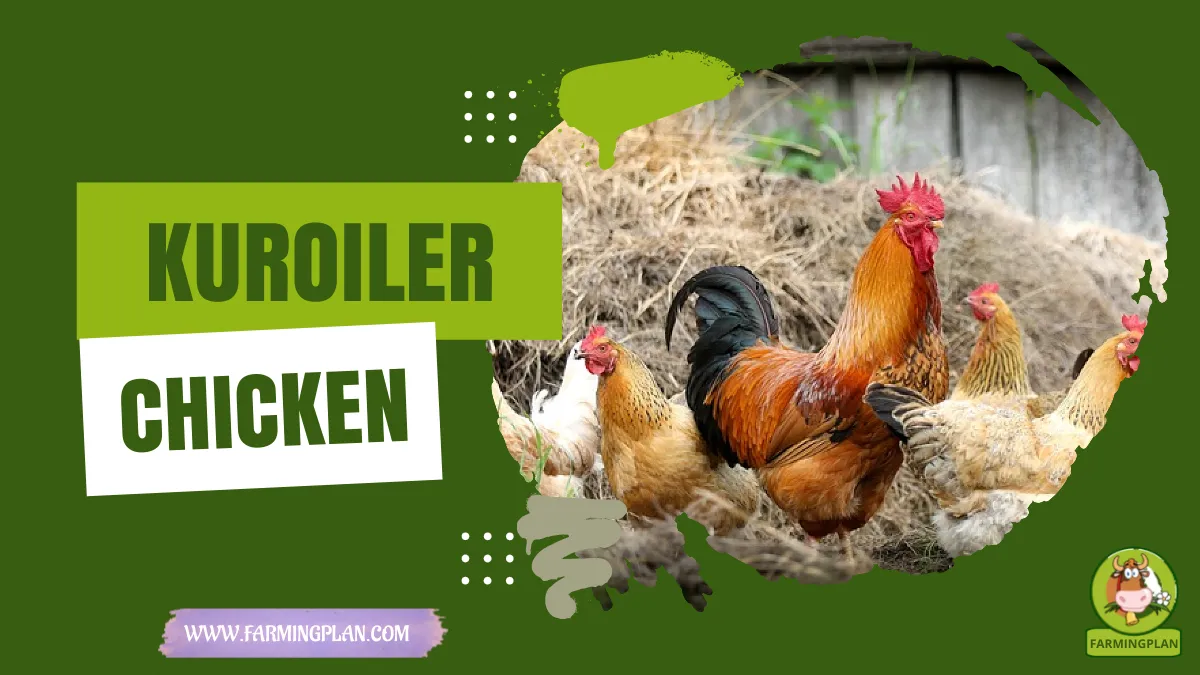
Kuroiler Chicken has a strong and colorful appearance. You’ll notice different feather colors like black, brown, and mixed patterns. These variations come from its hybrid genetic features. Unlike broilers, Kuroiler birds look more like local chickens but grow much bigger. In my farm, I’ve seen Kuroiler cocks reach up to 3–4 kg body weight, while hens grow around 2–3 kg. Their long legs and active movement make them perfect for free-range systems. Their strong immune system also gives them better disease resistance compared to other breeds.
Growth and Productivity Traits
Kuroiler chicks grow faster than local chickens but slower than commercial broilers. This balance makes them ideal for sustainable poultry farming. They start laying eggs at around 5–6 months of age. Egg production is impressive too. A healthy laying hen can produce 150–200 eggs per year. The eggs have rich egg-yolk color and contain good vitamins, which increases their market demand. From my experience, farmers earn well from both meat production and egg production.
Nature/Temperament
Kuroiler Chicken has a calm and friendly nature. I find them easy to manage, even for beginners. They don’t panic easily and adapt well to human interaction. This makes them perfect for backyard chicken keepers and small farms. At the same time, they are active foragers. They love to search for insects, grains, and kitchen waste. This behavior reduces feed costs and makes them excellent bio-converters of agricultural waste.
Suitability for Different Environments
From my experience, Kuroiler birds perform well in both rural and semi-urban environments. They can survive in free-range systems, where they roam freely, or in semi-intensive setups with limited space. They also mix well with other poultry breeds like Rhode Island Red hens or Leghorn cocks. This flexibility helps farmers expand their poultry enterprise without much trouble.
Food & Diet
Feeding Kuroiler Chicken properly is the key to success. I always start with high-quality feed for day-old chicks. During the first few weeks, chicks need protein-rich starter feed to support growth. As they grow, I switch to grower feed and later layer feed for egg-laying hens. I also include kitchen waste, grains, and green vegetables. This mix reduces feed costs and improves overall nutrition.
Dos and Don’ts in Feeding
I always make sure clean water is available all the time. Fresh water keeps birds healthy and improves digestion. I also avoid feeding spoiled or moldy food because it can cause diseases. One trick I use is combining commercial feed with agricultural waste. This approach saves money and keeps birds active. A balanced diet ensures better body weight, egg production, and meat yield.
Usage/Purpose
Kuroiler Chicken is a true dual-purpose breed. Farmers raise it for both meat and eggs. The meat is tasty and has a texture similar to local chicken, which attracts higher market prices. Egg production is also strong. The eggs are nutritious and popular in local markets. This combination helps farmers earn income from multiple sources.
Ideal for Small and Large Farms
I’ve worked with small backyard poultry farmers and larger poultry enterprises. Both benefit from Kuroiler birds. Small farmers use them for home consumption and extra income, while larger farms focus on commercial production. Because of its adaptability, Kuroiler chicken fits perfectly into free-range systems and semi-intensive systems.
Special Features
One of the best things about Kuroiler Chicken is its strong immunity. Compared to broilers, it resists common poultry diseases better. This reduces the need for expensive treatments. Kuroiler birds act as bio-converters. They can turn kitchen and agricultural waste into valuable protein. This reduces feed costs and increases profit. From my experience, buyers prefer Kuroiler meat because it tastes like indigenous chicken. Its eggs also have rich color and better nutrition, which attracts customers.
Health Issues & Prevention
Even though Kuroiler Chicken is hardy, it can still face diseases like Newcastle disease, coccidiosis, and respiratory infections. Symptoms include weakness, diarrhea, and reduced egg production. I always monitor my birds daily. Early detection helps prevent major losses.
Prevention and Biosecurity
Vaccination is essential. I follow a proper vaccination schedule for all my birds. Clean housing and proper hygiene also reduce disease risks. I also limit outside visitors and maintain biosecurity measures. These simple steps keep my flock healthy and productive.
Smart Farmers Turn Waste Into Wealth With Kuroiler Chickens — Feed Less, Earn More!
Step-by-Step Farming Guide
When I started Kuroiler chicken farming, I realized that proper planning makes all the difference. Whether you are raising a few birds in your backyard or building a poultry enterprise, you need a clear step-by-step approach. Kuroiler birds are hardy, but they still require the right environment, feeding system, and care routine to reach their full potential. In this section, I’ll walk you through each step based on my personal farming experience. These steps will help you raise healthy birds, reduce losses, and maximize profits.
Step 1: Selecting Quality Kuroiler Chicks
I always begin by sourcing high-quality day-old chicks from a reliable hatchery or mother units. Healthy chicks are active, bright-eyed, and free from deformities. Avoid weak or inactive chicks because they often struggle to survive. Good chicks grow faster and resist diseases better. I also check vaccination records before buying. Investing in quality chicks ensures better returns in both egg production and meat yield.
Step 2: Setting Up Proper Housing
I build a simple but well-ventilated poultry house. Kuroiler birds don’t need expensive housing, but they need protection from rain, heat, and predators. I use dry bedding like rice husk and keep it clean. Proper spacing prevents overcrowding and reduces stress. Good housing improves growth and reduces disease risks.
Step 3: Feeding and Nutrition Management
Feeding plays a major role in success. I start chicks with starter feed, then switch to grower and layer feed as they age. I also include grains, vegetables, and kitchen waste. Balanced nutrition improves body weight and egg production. I always provide clean water and avoid spoiled feed.
Step 4: Health Care and Vaccination
I follow a strict vaccination schedule to protect my flock. Diseases can spread quickly, so prevention is better than treatment. I also keep the farm clean and monitor birds daily. If I notice any unusual behavior, I act immediately. Healthy birds grow faster and produce more.
Step 5: Free-Range or Semi-Intensive System
I allow my birds to roam freely during the day. This reduces feed costs and improves meat quality. Kuroiler birds are excellent foragers, so they find insects and natural food. In semi-intensive systems, I provide a controlled space with additional feeding. Both systems work well depending on your farm setup.
Step 6: Marketing and Profit Strategy
I sell my birds when they reach good body weight. Kuroiler meat has high demand because of its taste. I also sell eggs regularly for steady income. I always check local market prices before selling. Smart timing helps maximize profit.
Read More: Mite Control Secrets for Healthy Living
Expert Tips & Best Practices
Smart Farming Tips
- Choose high-quality Kuroiler chicks from trusted hatcheries
- Maintain proper biosecurity to prevent diseases
- Use a mix of commercial feed and agricultural waste
- Keep clean water available at all times
- Allow free-range movement for better growth
Pro Strategies for Higher Profit
- Sell eggs regularly for steady income
- Target local markets where demand is high
- Monitor body weight and adjust feeding
- Keep records of growth and production
FAQs
What is Kuroiler Chicken?
Kuroiler Chicken is a hybrid breed developed for both meat and egg production. It combines the traits of indigenous chickens and commercial breeds.
How many eggs does a Kuroiler hen lay?
A healthy hen can lay around 150–200 eggs per year. Proper feeding and care improve egg production.
What is the price of Kuroiler Chicken?
The price varies by region and market demand. Generally, Kuroiler birds sell at a higher price than broilers due to better meat quality.
What are the disadvantages of Kuroiler Chicken?
Kuroiler birds grow slower than broilers and need more time to reach market weight. They also require proper management for best results.
How to identify Kuroiler Chicken?
You can identify them by their colorful feathers, long legs, and active behavior. They look similar to local chickens but grow larger and faster.
Conclusion
Kuroiler Chicken offers a powerful opportunity for farmers, breeders, and backyard poultry lovers. From my experience, this breed stands out because it balances egg production, meat quality, and adaptability. It thrives in free-range systems, reduces feed costs by using kitchen and agricultural waste, and delivers strong market demand. With proper care, feeding, and biosecurity, you can turn a small flock into a profitable poultry enterprise. If you’re thinking about starting poultry farming or upgrading your current setup, Kuroiler birds are a smart choice. Try raising a few birds, learn from the process, and scale up gradually. If you found this guide helpful, share it with other farmers, leave a comment, and let me know your experience with Kuroiler chicken farming!