
When I first started raising domestic rabbits on my farm, I quickly learned that proper rabbit housing makes all the difference for animal health and daily productivity. Creating safe shelters, hutches, and enclosures keeps your pet rabbit or farm herd secure from predators, extreme weather, and unnecessary stress. I always tell new handlers that a solid home setup forms the core foundation of good rabbit welfare and long-term success.
Over the years, I have built everything from indoor exercise pen setups in living rooms to large outdoor group housing systems with elevated platform designs and dedicated hay rack features. Whether you want to raise meat rabbits, keep a companion in your family room, or design a custom bunny room, proper environmental enrichment, solid biosecurity protocols, and clean substrate choices matter immensely. In this guide, I will share my firsthand experience, practical husbandry tips, and step-by-step housing plans so you can build the safest, most comfortable living space for your furry friends.
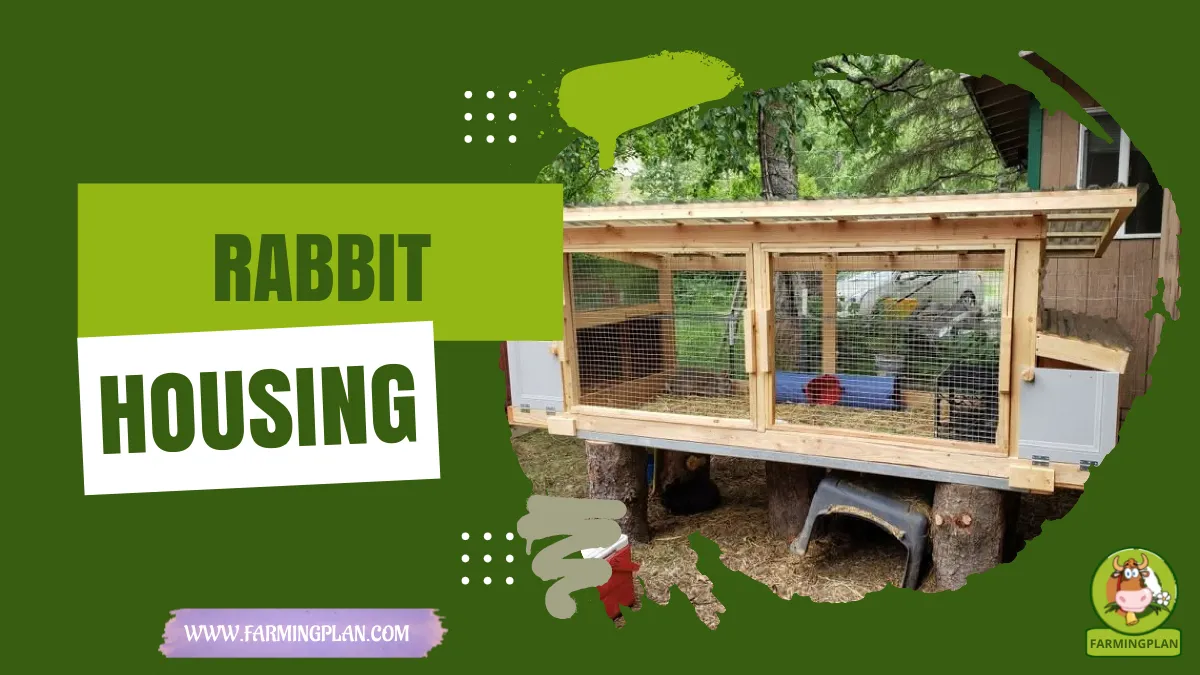
History & Origin of Rabbit Housing
Centuries ago, wild European rabbits dug complex underground burrow systems known as warrens to protect themselves from harsh elements and natural predators. When humans began domesticating these animals for meat and fur during the Roman era, housing consisted of simple stone pits or walled courtyards where herds lived together. By the Middle Ages, French monks refined domestication methods and built dedicated brick or wooden pens to raise animals under controlled conditions. Over time, keepers transitioned toward small wooden rabbit hutch designs and individual wire mesh cages to manage breeding, keep records, and maintain basic sanitation on traditional farms.
During the twentieth century, commercial production favored industrial cage housing with raised wire mesh flooring to speed up manure management and reduce disease transmission. However, research from the Association of Shelter Veterinarians, the Koret Shelter Medicine Program (KSMP), and leading shelter medicine veterinarians like Dr. Kate Hurley, Dr. Chumkee Aziz, and Dr. Becky Stuntebeck transformed modern animal husbandry guidelines. Today, shelter medicine specialists advocate for humane rabbit housing that honors natural behaviors like burrowing, jumping, and social contact. Modern designs emphasize spacious primary enclosures, group housing for compatible pairs, and protective indoor environments over cramped, isolated outdoor hutches.
Read More: Sheep Farming Solutions Drive Remarkable Success
Characteristics of Rabbit Housing
A proper rabbit home must accommodate the physical traits and natural movements of your animals while providing total protection. I always design primary enclosures with adequate height so an adult rabbit can stand fully upright on its hind legs without ears touching the ceiling screen or roof line. The floor space must allow at least three to four continuous hops in any direction, giving your animals enough exercise area for healthy cardiovascular play. You must also consider wire gauge and construction materials carefully to prevent injury, escape, or unwanted chew damage across your setup.
| Housing Component | Key Feature | Primary Benefit |
| Floor Structure | Solid bottom with thick substrate or plastic matting | Prevents sore hocks, pododermatitis, and foot pain |
| Height Clearance | Minimum 24 to 30 inches of vertical space | Allows full upright standing and natural stretching |
| Frame & Walls | Heavy wire gauge mesh and chew-resistant materials | Stops escape, deters predators, and resists gnawing |
| Ventilation Setup | Open mesh panels with optional HEPA air purifier | Maintains high air quality and controls ammonia vapor |
| Safety Features | Secure latching systems and visual barriers | Blocks predators, lowers stress, and stops fighting |
Variations in housing depend heavily on whether you keep your animals in shared rooms, dedicated outdoor sheds, or free-running indoor environments. Outdoor shelters require insulated walls, weatherproof roofing, and heavy fencing to shield animals from foxes, coyotes, and birds of prey. Indoor condos, custom exercise pen setups, and converted dining rooms focus more on bunny proofing, cable protectors, and floor protection like non-toxic mats or couch covers. No matter which layout style you choose, ensure all building components feature non-toxic paints, safe woods, and sturdy latches that curious paws cannot open.
Rabbit Housing Temperament in Home Settings
Rabbits are inquisitive, highly intelligent creatures that thrive when given a safe environment that respects their prey-animal instincts. In my experience, a frightened animal will quickly panic, bolt, or hide if it feels exposed in an open room or noisy area. Providing hiding places, wooden nest boxes, and cardboard visual barriers inside the living space instantly reduces stress and builds confidence. When animals feel secure in their primary environment, they display happy behavioral indicators like chinning furniture, performing joyful binkies, or sprawling out for relaxing naps.
Social compatibility plays a massive role in deciding your overall stocking density and housing layout for long-term health. Domestic rabbits are naturally social creatures that enjoy living with bonded companions, provided both animals undergo proper spaying or neutering. However, housing unbonded individuals or intact adults together in small pens leads to violent territorial fights, severe bite wounds, and stress. I always use positive reinforcement training, visual barriers, and neutral meeting spaces when bonding pairs or small groups. Creating quiet home base zones free from barking dogs or sudden household noises allows your pets to develop calm, friendly personalities over time.
Food and Diet of Rabbit Housing
Feeding your animals properly inside their housing setup requires dedicated space for fresh grass hay, clean water, and daily greens. The absolute center of any rabbit environment is an unlimited supply of high-quality timothy, orchard, or meadow grass hay served in a clean hay rack or hay feeder. Placing the hay feeder directly above or inside the litter box encourages natural eating habits, as rabbits love to munch while using their litter trays. I always install heavy ceramic bowls or chew-resistant hanging feeders for uniform pellet distribution so animals do not tip their food onto messy floor substrate.
Watering systems demand daily attention to keep your herd hydrated and healthy throughout every season. You can use heavy ceramic water bowls or vacuum-sealed water bottles with stainless steel sipper tubes attached securely to cage walls. I personally prefer wide ceramic bowls because they mimic natural drinking postures, but you must clean them daily to remove floating hay and stray droppings. Never place daily feeding stations right next to damp corners or resting sick beds where mold or bacteria might grow. Keep fresh water, clean grass hay, and crisp leafy greens elevated off dirty floor areas to maintain strict hygiene standards across your rabbit environment.
Purpose Usage of Rabbit Housing Enclosures
Farmers, breeders, pet guardians, and shelter managers design enclosures to meet very specific daily operational needs. Livestock farmers building setups for meat rabbits prioritize easy sanitation, efficient manure collection under pens, clear biosecurity protocols, and durable watering systems. These specialized systems allow producers to manage feeding schedules, monitor growth rates, track breeding cycles, and perform routine health checks on every individual efficiently. Easy-to-clean galvanized wire mesh and pull-out droppings trays reduce daily labor requirements while maintaining clean air quality across the facility design.
Companion animal owners and animal shelters focus on social enrichment, flexible room dividers, and integrated family living spaces. Modern pet guardians often transform spare bedrooms, kitchens, or living room corners into stylish bunny room environments complete with custom condos, ramps, and play spaces. Animal welfare organizations use modular primary enclosures and quarantine units to separate new intakes, treat sick animals, and host potential adopters safely. Whether you run a production farm, operate a rescue shelter, or keep two bonded pets at home, tailored housing designs improve overall management and support long-term animal health.
Special Features of Rabbit Housing
Modern housing designs blend natural animal instincts with smart, functional construction ideas to maximize overall comfort. One outstanding feature in modern pens is the inclusion of multi-level structures featuring an elevated platform or internal ramp. Rabbits love jumping onto elevated spaces to survey their surrounding territory, which builds muscle tone and provides mental stimulation throughout the day. Installing dark, enclosed nest box areas at the base mimics natural underground burrows, giving timid animals an immediate sense of safety during scary moments.
Another fantastic modern design trend centers on custom DIY modular exercise pens and interactive enrichment zones. Keepers can easily reconfigure wire grid panels to expand living spaces or adjust overall stocking density based on individual behavior-based housing decisions. Incorporating chew-resistant materials, non-toxic wood blocks, dig boxes filled with safe substrate, and hanging foraging toys keeps animals busy for hours. These integrated environmental enrichment features prevent boredom, stop destructive gnawing on baseboards, and drastically reduce stereotypical stress behaviors like cage-bar biting or over-grooming.
Health Issues & Disease Prevention of Rabbit Housing
Improper housing layout, poor ventilation, and dirty substrate choices directly cause severe medical conditions in domestic rabbits. Damp bedding, accumulated urine, and poor air quality lead to dangerous ammonia buildup, causing upper respiratory infections and painful eye irritation. Unsanitary floor conditions combined with wet manure quickly attract flies, creating a life-threatening condition known as fly strike during warm weather months. Furthermore, housing animals on bare, hard wire mesh without resting pads causes chronic ulcerative pododermatitis, commonly known as sore hocks, which requires immediate veterinary treatment from qualified veterinarians.
“Clean Air, Dry Substrate, And Protective Barriers Keep Infectious Diseases Out Of Your Rabbit Enclosure.”
Preventing infectious disease transmission requires strict biosecurity protocols, routine sanitizing solution applications, and proper quarantine spaces. Diseases like Rabbit Hemorrhagic Disease Virus (RHDV2) spread rapidly through contaminated shoes, insects, or infected equipment brought inside from external facilities. You should work closely with shelter medicine veterinarians to establish a solid vaccination status for your herd and administer regular flea medications as needed. Maintain a dedicated quarantine zone for newly arrived animals, enforce strict handwashing, control wild rodent access, and maintain proper temperature and climate control to protect your herd from fatal heat stroke or sudden temperature drops.
Design Safe Rabbit Housing With Proper Space, Ventilation, And High Welfare Standards For Happy Animals.
Step-by-Step Pet Owner Care Guide of Rabbit Housing
Setting up a safe, high-welfare home setup requires careful planning, proper equipment, and step-by-step assembly. I always recommend planning your overall room layout, gathering all safety materials, and securing essential care products before bringing your new animals home. Below, I have laid out my detailed guide to help you build and maintain a complete rabbit home environment from start to finish.
Step 1: Choose Location and Gather Materials
First, select a quiet indoor room or fully sheltered, predator-proof area away from direct draft lines, hot radiators, and loud household appliances. Gather your structural supplies, including sturdy wire grid panels, chew-resistant cable protectors, non-toxic plastic floor liners, heavy ceramic food bowls, and a large hay rack. Make sure your chosen location receives gentle natural lighting during the day while maintaining consistent room temperatures between 60°F and 72°F. Double-check that your floor space provides at least 8 to 12 square feet for a single animal or bonded pair, excluding extra exercise pen space.
Step 2: Assemble Framework and Install Floor Protection
Begin building your primary enclosure framework by linking wire grid panels together using heavy-duty plastic connectors and reinforced zip ties. Lay down a durable, waterproof base layer like thick linoleum, non-toxic plastic mats, or washable canvas liners to protect your underlying home carpets from accidental urine spills or scattered manure. Ensure all seams align tightly so sharp wire edges or loose zip tie tails point outward away from your animals. Double-check all frame locks, corner joins, and latches to guarantee the outer structure remains completely stable under daily use.
Step 3: Setup Litter Trays and Substrate
Place a large, open-top cat litter box or plastic utility pan in a quiet back corner of the newly constructed enclosure frame. Fill the bottom with two inches of safe, dust-free paper pulp pellets or organic wood pellets, but avoid cedar or pine shavings that emit damaging aromatic oils. Cover the pellet base with a generous handful of clean grass hay to encourage natural foraging and positive potty habits. Line the rest of the living space floor with soft fleece blankets, washable rugs, or smooth resting pads to protect sensitive hocks and foot pads.
Step 4: Install Feeding and Watering Stations
Mount your heavy hay feeder directly above or adjacent to the litter box so your animals can munch continuously while using their litter trays. Secure a stainless steel water bottle or place a heavy, tip-proof ceramic water bowl in an easily accessible front corner away from dirty litter corners. Fill the feeding tray with a measured portion of fresh, plain timothy pellets free from colorful seeds, nuts, or sugary dried fruits. Check that all watering systems dispense water freely and that food bowls sit securely without tipping over onto surrounding bedding.
Step 5: Add Enrichment and Hiding Spaces
Introduce essential environmental enrichment items including a wooden hidey house, cardboard tunnels, non-toxic willow balls, and untreated apple wood chew sticks. Position at least one spacious hiding place per animal so every rabbit can retreat into a dark, private zone whenever they feel startled or tired. Add an elevated platform or sturdy wooden box to encourage jumping, climbing, and stretching throughout their daily cardiovascular play routine. Ensure all introduced toys consist of non-toxic, chew-resistant materials that will not splinter or cause internal blockages if ingested.
Step 6: Complete Bunny Proofing and Exercise Pen Setup
Expand your home base by attaching a flexible exercise pen around the enclosure perimeter to create a safe, expanded play space. Perform thorough bunny proofing across the surrounding room by wrapping all exposed electrical cords in thick plastic cable protectors and blocking narrow gaps behind heavy furniture. Place sturdy furniture coverage or visual barriers around delicate baseboards, house plants, and wooden table legs to prevent destructive chewing behaviors. Lay down extra non-slip rugs across slick hardwood or tile floors to give your running pets reliable physical traction.
Step 7: Daily Care and Sanitation Protocols3
Establish a strict daily maintenance routine to keep the environment fresh, sanitary, and completely odor-free for your household. Dump, wipe down, and refill all litter trays every one to two days using an animal-safe sanitizing solution or diluted white vinegar mixture. Top off grass hay racks twice daily, rinse and refill freshwater containers, and sweep up scattered manure or stray fur from resting pads. Perform weekly deep-cleaning sessions by washing fleece liners, wiping down wire grids, and inspecting chew toys for sharp, damaged edges.
Read More: Sheep Feed Secrets for Ultimate Flock Success
Expert Tips and Best Practices for Rabbit Housing
- Install an indoor HEPA air purifier near your rabbit room to filter out stray fur, dander, allergy triggers, and fine dust particles.
- Never use cedar or untreated pine shavings inside enclosures, as volatile organic compounds can harm sensitive rabbit livers and lungs.
- Mount visual barriers between adjacent cages to lower stress, stop territorial spraying, and reduce aggression in multi-rabbit spaces.
- Provide dark wooden hiding places or cardboard nest boxes so shy animals feel completely secure during routine room cleaning.
- Place non-slip rugs or fleece mats over slippery tile or hardwood floors to protect joints and encourage confident jumping.
- Check wire gauge thickness on all outdoor fencing panels to prevent persistent predators like raccoons or dogs from tearing through mesh.
- Maintain strict noise control around breeding or resting rooms to keep animals calm and prevent sudden panic injuries.
- Perform weekly health checks during routine cleaning to inspect teeth length, check foot pads for redness, and evaluate body condition scores.
- Rotate interactive toys, chew blocks, and foraging boxes weekly to keep your pets mentally stimulated and active.
- Apply non-toxic furniture coverage or baseboard guards along living room edges to protect your home structure during free-roaming exercise hours.
FAQs
What is the home of rabbit called?
A rabbit’s home is commonly called a hutch, cage, or enclosure when kept by humans indoors or outdoors. In the wild, rabbits live in complex underground tunnel networks known as warrens or burrows.
What is the best floor for indoor rabbit housing?
The best indoor flooring is a non-slip, waterproof base covered with soft fleece blankets, washable rugs, or smooth resting pads. Avoid bare wire mesh floors, as they cause painful foot sores and chronic pododermatitis over time.
How big should a rabbit enclosure be for two rabbits?
A primary enclosure for two bonded rabbits should provide at least 12 square feet of continuous floor space, paired with a larger 24 to 32-square-foot exercise pen. The structure must also stand high enough for adult animals to stretch fully upright without touching the top screen.
Can rabbits live outdoors all year round?
Rabbits can live outdoors if provided with an insulated, weatherproof shelter that protects them from extreme rain, freezing winds, direct sun, and predators. However, indoor housing is much safer because it shields animals from severe heat stroke, wild disease exposure, and stress.
How do you control ammonia smell in rabbit housing?
You can control ammonia odors by using highly absorbent paper or wood pellet litter inside trays and spot-cleaning damp spots daily. Maintaining good room ventilation and running a HEPA air purifier also keeps overall indoor air quality fresh and clean.
Conclusion
Creating a safe, comfortable, and well-ventilated rabbit housing environment is the most important decision you will make as an owner or breeder. By providing adequate space, soft solid flooring, proper hay feeders, and interactive enrichment toys, you guarantee your animals live healthy, stress-free lives. Whether you build a large outdoor group enclosure or set up an indoor bunny room, prioritizing cleanliness and biosecurity pays off immediately in happy behavioral responses. Take time today to evaluate your current setup, make necessary safety upgrades, and leave a comment below sharing your favorite enclosure building ideas with our community! Design Safe Rabbit Housing With Proper Space, Ventilation, And High Welfare Standards For Happy Animals