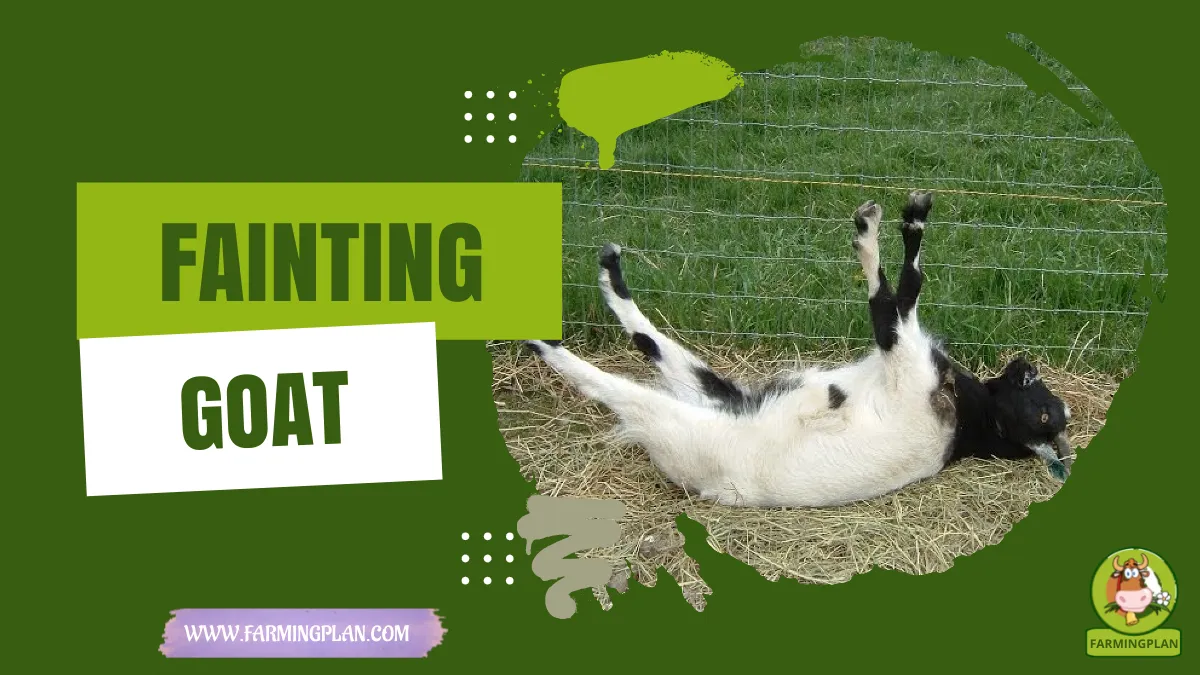
When you step into my pasture, you instantly notice the delightful personality of the Fainting Goat. I have raised livestock for years, and these wonderful creatures always bring a huge smile to my face. People often ask me about the fainting goats price or search for a fun fainting goats video online, but living with them is a truly special experience. Despite what their common name implies, these goats never actually lose consciousness or pass out during an episode.
Instead, a natural hereditary trait temporarily stiffens their legs whenever they get sudden excitement or surprise. They make fantastic family pets, efficient brush clearers, and reliable farm animals for keepers of any experience level. Whether you want to explore raising goat kids, buy fainting goats for sale, or simply learn about breed characteristics, my personal guide gives you all the practical details you need to succeed.
History & Origin of Fainting Goat
My journey with the Tennessee fainting goat began after studying their rich lineage across North America. Historical records suggest that a traveling farm worker named Jon Tinsley arrived in Marshall County, Tennessee, around the 1880s carrying four unusual animals. He brought three does and one buck featuring a rare genetic mutation that caused sudden stiffness. Tinsley eventually sold his small herd to a local doctor named H. H. Mayberry before moving along. Dr. Mayberry carefully preserved and bred these distinctive animals, laying the foundation for an iconic American livestock lineage.
Preservation And Breed Recognition
Over time, dedicated breeders recognized the incredible value of these animals and worked hard to save them from disappearing. The Livestock Conservancy eventually listed the breed to protect its unique genetics from extinction. Breeders formed the Myotonic Goat Registry to maintain pure bloodlines, careful pedigree tracking, and healthy breeding practices across the United States and Nova Scotia. Archives like the DAD-IS database managed by the Food and Agriculture Organization and historical research by experts like Jay L Lush document their incredible story. Today, agricultural institutions like Virginia State University celebrate these stiff-leg goats for their valuable agricultural contribution and historic charm.
Read More: Bangur Pig Secrets to Boost Your Farm Success
Characteristics of Fainting Goat
The most defining characteristic of these goats stems from a harmless genetic condition called myotonia congenita. This specific trait involves a mutation in the CLCN1 gene, which affects the skeletal muscle chloride channel system. When a loud noise or sudden movement surprises the goat, the muscle chloride channel 1 delays immediate relaxation in the muscle cells. The goat briefly freezes, and its legs turn stiff for a few seconds. This biological process mirrors human conditions such as Becker-type myotonia or Thomsen disease, as verified through a specialized muscle biopsy conducted by a Nervous Disease Institute. However, it causes no pain or physical harm to the animal whatsoever.
Distinctive Body Conformation And Coat
Beyond their famous trait, these animals display an impressive muscular conformation with a sturdy, broad frame. They feature large, prominent eyes and a strong back that provides excellent balance. Their coats come in many colors and coat patterns, ranging from solid black and bright white to beautiful multi-colored combinations. Some animals even grow soft cashmere fiber beneath their outer coat during harsh winter months. Their heavy body build delivers top-quality meat qualities, making them popular among farmers who evaluate Breed Facts published in Goat Rancher magazine.
Nature/Temperament of Fainting Goat
I love spending my mornings in the barnyard because my goats greet me with warm energy and quiet enthusiasm. They display a much calmer personality compared to standard inquisitive livestock breeds. They rarely attempt climbing fences or jumping over farm gates, which saves you plenty of stress and repair costs. They form deep bonds with human handlers, making them ideal pets for younger children or beginner farmers. Their peaceful nature creates a serene pasture environment that instantly puts visitors at ease.
Vocalizations And Social Dynamics
Communication within the herd remains pleasantly quiet and modest. You will hear soft bleats and gentle vocalisation during feeding times rather than loud, disruptive noise. These goats enjoy hanging out together in tight pasture groups to keep each other safe and comfortable. Their steady demeanor prevents aggressive fights or territorial bullying within the farmyard. Even when strange noises occur, their temporary freezing response prevents them from wildly sprinting into dangerous hazards or breaking pasture boundaries.
Food & Diet of Fainting Goat
Proper nutrition forms the absolute foundation of a healthy, energetic pasture herd. I feed my animals high-quality grass hay alongside rich native pasture forage throughout the entire year. Goats require clean roughage to maintain proper rumen function and consistent digestive health. You must ensure your animals always have access to fresh, clean drinking water every single day. Keep their feeding troughs off the ground to prevent feed contamination and keep parasites away.
Vital Minerals and Nutritional Supplements
Goats need free-choice loose minerals specially formulated with proper copper levels to thrive. Never offer sheep mineral mix to your goats because it lacks the crucial copper content they need. During late pregnancy or cold winter spells, I supplement their routine feeding with balanced grain mixes. This nutritional boost supports steady growth rate, healthy lactation, and high reproductive rate. Avoid feeding moldy feed, toxic garden plants, or sweet human snacks that disturb their sensitive stomachs.
Usage/Purpose of Fainting Goat
Farmers value these animals for their efficient feed conversion and excellent body structure. Their heavy muscle density produces high-yielding, premium meat for local market sales. They grow rapidly on natural pasture diets without requiring expensive commercial feed setups. Their high FEC (fecal egg count) resistance and solid PCV (packed cell volume) levels demonstrate strong overall natural health. This impressive resilience keeps veterinary costs remarkably low for small farm owners.
Eco-Friendly Brush Control And Companionship
Beyond meat production, these animals serve as phenomenal natural lawnmowers and brush clearing helpers. They clear stubborn weeds, thick briars, and overgrown brush with relentless enthusiasm. Their gentle spirit makes them ideal candidates for educational farms, petting zoos, and rural homesteads. Many owners keep them strictly as affectionate companions because of their comical antics and charming temperaments. They fit seamlessly into almost any sustainable agricultural lifestyle.
Special Features of Fainting Goat
One of my absolute favorite traits of this breed is their incredible natural hardiness. They showcase exceptional resistance against internal parasites compared to many other domestic goat breeds. Their sturdy hooves resist foot rot even during wet, muddy seasons in the spring. Their strong immune systems help them adapt quickly to cold winter winds or hot summer sun. This natural toughness ensures your herd stays happy and thriving with minimal chemical intervention.
Surprising Facts And Cross-Species Comparisons
People often get confused when researching fainting conditions online and stumble across searches like fainting goat syndrome in cats or fainting goat syndrome in humans. While other animals and humans can experience rare myotonic conditions, our goats remain the true classic icons of this genetic trait. Pop culture loves them too, featuring them everywhere from the famous Fainting Goat restaurant to video games like Fainting goats game. Their unique physical response is as fascinating as comparing the exotic muscular systems of wild animals like polar bears, an anaconda, or massive walruses!
Health Issues & Prevention of Fainting Goat
The core fainting trait causes no pain, but you must design a safe environment for your herd. Never scare or startle your goats deliberately just to watch them freeze. Avoid leaving sharp equipment, open holes, or loose debris inside their regular pasture boundaries. If an animal freezes near a steep incline, they could roll down and sustain a minor bruise. Provide flat, smooth, well-maintined pastures so your animals remain safe whenever they freeze.
Preventive Veterinary Care And Routine Maintenance
Routine maintenance protects your animals against common livestock health issues. Schedule regular hoof trimming every six to eight weeks to maintain proper foot alignment. Maintain a strict vaccination protocol covering enterotoxemia and tetanus under your veterinarian’s guidance. Perform periodic fecal tests to monitor internal parasite counts and treat only when necessary. Clean housing, fresh air, and dry bedding eliminate respiratory problems before they ever start.
“Always Handle Your Unique Animals With Gentle Care And Joyful Patience Everyday.”
Step-by-Step Farming Guide for of Fainting Goat
Setting up a successful goat farm requires careful planning, proper infrastructure, and dedicated daily care routines. I have compiled my personal step-by-step framework to help you establish a safe, prosperous environment for your animals right from day one.
Step 1: Secure Pasture Setup and Fencing Construction
Before bringing your new Fainting Goats home, you must build robust pasture boundaries and secure housing. Construct sturdy four-foot-tall woven wire fencing around your whole pasture parameter to keep predators out. Avoid barbed wire because it can easily scratch or tear an animal’s hide during a freeze. Provide a dry, draft-free shelter filled with clean pine shavings or fresh straw bedding. Ensure your barn offers great ventilation to prevent moisture build-up and keep air circulating freely.
Step 2: Selecting and Purchasing Healthy Stock
Always source your foundation animals from reputable breeders registered with official breed associations. Carefully inspect each goat’s eye color, hooves, body conformation, and overall vitality before buying. Ask the owner about the animal’s pedigree, vaccination history, and recent parasite control management. Healthy goats display bright eyes, smooth coats, alert ears, and active grazing habits. Purchasing healthy stock saves you endless frustration and medical expense in the long run.
Step 3: Daily Feeding and Management Routines
Establish a consistent daily feeding schedule every morning and evening to build trust. Provide unlimited clean pasture grass or fresh hay inside elevated feeder racks off the floor. Replenish clean water buckets daily and clean out any fallen leaves or dirt immediately. Offer fresh loose mineral supplements in a weatherproof container placed inside their main barn shelter. Spending quiet time with your animals daily builds a strong bond and helps you spot early health issues fast.
Step 4: Health Monitoring and Herd Maintenance
Regular health checkups keep your Fainting Goats performing at their absolute best throughout the year. Inspect their hooves monthly and trim excess hoof wall using sharp, specialized hand trimmers. Check their lower eyelid color regularly using the FAMACHA scale to monitor internal parasite levels. Clean out barn bedding weekly to eliminate odor, reduce fly populations, and keep dampness away. Maintaining a disciplined health routine protects your investment and keeps your animals happy.
Read More: Goose Care Secrets: Ultimate Guide for Success
Expert Tips & Best Practices of Fainting Goat
- Install Smooth Fences: Use high-grade woven wire fencing without sharp edges to prevent scrapes when goats freeze near boundaries.
- Keep Barn Floors Dry: Layer heavy straw or wood shavings in shelter spaces to protect freeze-prone animals from cold concrete floors.
- Offer Loose Minerals Continuously: Always supply free-choice goat minerals with adequate copper to support bright coats and strong immunity.
- Avoid Deliberate Fright: Never startle your goats on purpose; treat them gently to maintain trust and prevent accidental injury.
- Practice rotational Grazing: Move your herd across different pasture paddocks every few weeks to break parasite cycles naturally.
- Provide Fresh Water Always: Clean out stock tanks daily because goats refuse to drink dirty or stagnant water.
- Monitor Hoof Health Regularly: Schedule bi-monthly hoof trims to prevent lameness and ensure proper leg alignment.
FAQs
Do fainting goats feel pain when they freeze?
No, the temporary freezing trait causes zero pain or physical discomfort to the animal. It is simply an automatic muscular response caused by a natural genetic condition.
How long does a typical fainting episode last?
A standard episode lasts only 10 to 15 seconds before the muscles relax completely. The goat gets right back up and resumes grazing as if nothing happened.
How much do these goats usually cost to buy?
Prices generally range from $200 to $600 depending on pedigree, registration, age, and physical quality. Registered breeding stock with show lineage may cost significantly more.
Are these goats good pets for beginner farmers?
Yes, their calm temperament, low jumping ability, and friendly nature make them absolute outstanding pets for beginners. They bond quickly with human keepers and need minimal complex infrastructure.
Can these goats jump over standard farm fences?
Unlike standard goat breeds, they rarely jump fences due to their heavy muscular build and stiffening trait. A standard four-foot fence keeps them safe inside your pasture boundaries.
Conclusion
Raising these incredible animals brings immense joy, practical self-sufficiency, and endless entertainment to any farm or homestead. Their gentle personalities, parasite resistance, and famous freezing trait make them truly standout livestock companions. By following proper feeding routines, building secure housing, and providing attentive care, you can maintain a thriving herd for years to come. Whether you want an efficient brush cleaner, a high-quality farm animal, or a loving family pet, this remarkable breed delivers everything you need. I encourage you to share your own farm experiences, post your thoughts in the comments section below, and join our growing community of passionate animal keepers today! Discover amazing Fainting Goat facts and care tips from a seasoned farming specialist.