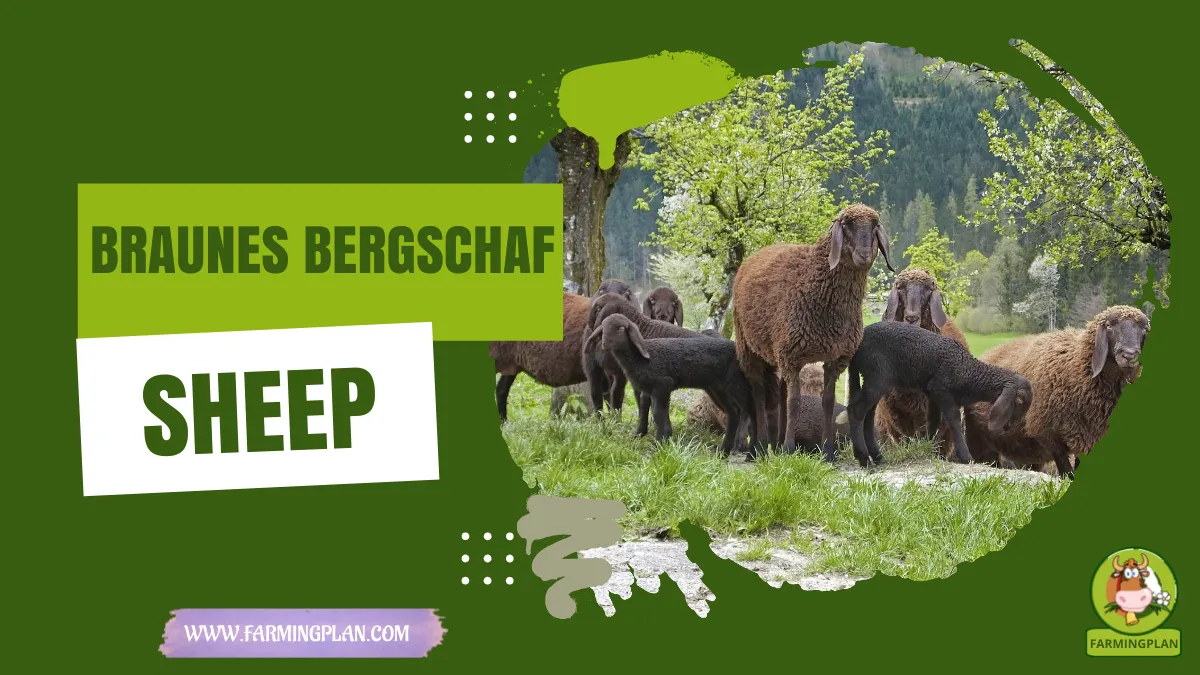
I love working with mountain sheep breeds on the farm, and the Braunes Bergschaf sheep holds a special place in my heart. This incredible livestock breed comes directly from the steep Alpine Region, making it extremely hardy, adaptable, and ideal for rugged terrain. Originating across Austria, Tyrol, and parts of southern Germany like Oberbayern, these animals carry a rich history of mountain shepherding and transhumance. When I watch them navigate steep slopes in places like Ultental, Schnalstal, and Passeiertal, I always admire their sure-footed nature.
They produce wonderful brown wool with medium fineness, perfect for natural-coloured loden fabrics and felt slippers. Their dense fleece top coat protects them against heavy rains, freezing winds, and harsh Alpine snowstorms. Beyond their thick wool yield, these animals offer strong maternal function, great lambing rates, and excellent meat production for local mountain farmers. Whether you manage a large farm in Salzburg or keep a small homestead in Styria, adding these brown sheep breeds to your pasture management strategy brings immense value.
History and Origin of Braunes Bergschaf Sheep
My journey with Alpine sheep began years ago when I studied traditional landrace genetics in Tyrol. The history of this magnificent breed ties directly to the ancient Steinschaf sheep and the local Tiroler Steinschaf lines. Shepherds in South Tyrol, Austria, and northern Italy developed these animals over centuries of careful selection. They crossed regional stock like the Bergamasca and Juraschaf to refine the body frame while keeping the weather tolerance intact. The Food and Agriculture Organization of the United Nations records this genetic history within the Global Databank for Animal Genetic Resources. Official organizations like the Associazione Nazionale della Pastorizia maintain precise Herdbook records to protect pure lines.
Preserving Tradition Through Transhumance Culture
Shepherding traditions run deep in mountain communities where farmers practice seasonal transhumance every year. Shepherds move their livestock from deep valley pastures up to high elevation alpine meadows near Niederjoch. During these seasonal treks, the animals build amazing stamina and strong leg structure. Farmers gather near traditional shepherd huts, echoing sounds of the Alphorn and yodeling across valleys during autumn drives. This cultural heritage preserves essential genetics while creating sustainable meat and wool products. Today, organized breeding associations like the Schweizerische Vereinigung Schwarz-Braunes Bergschaf SBS keep detailed performance literature to safeguard this vital agricultural resource.
Read More: Bhuj Goat Care Discover Amazing Secrets
Characteristics of Braunes Bergschaf Sheep
When I inspect a flock, the striking dark brown fleece immediately catches my eye. The wool colour ranges from deep chest-nut brown to rich chocolate shades. This dense pile wool features a distinct dual-coat structure with a protective top coat and a soft undercoat. Fiber users actively seek out this unique material to produce traditional loden fabrics without using synthetic chemical dyes. A shorn fleece yields several kilograms of high-quality fiber each year. The medium fineness makes it ideal for durable outdoor gear, heavy blankets, and comfortable felt slippers.
Structural Frame and Breed Standards
These medium to large animals possess a sleek head with long, drooping ears and a slightly Roman nose profile. Both rams and ewes are naturally polled, which makes handling much safer during daily routine tasks. Their strong legs and durable hooves allow effortless movement across rocky slopes and muddy paths. Rams typically weigh between 80 to 120 kilograms, while adult ewes average around 60 to 80 kilograms. Their deep chest and long back provide exceptional meat yields without sacrificing agility in rough terrain.
Nature and Temperament of Braunes Bergschaf Sheep
I always enjoy spending time among these calm, gentle creatures during morning farm rounds. They exhibit a peaceful temperament, making them very easy to handle for beginner farmers and experienced shepherds alike. Unlike some high-strung breeds, they stay relaxed during routine health checks and shearing procedures. Their strong flocking instinct keeps the group together on open mountain pastures, which reduces the risk of individual animals straying into danger. They form strong bonds with their caretakers when you treat them with patience and regular handling.
Suitability for Smallholders and Livestock Guardians
Their friendly attitude makes them a practical choice for small family farms and homesteads. Children and new handlers can easily learn basic shepherding skills around these docile animals. They co-exist peacefully with other livestock, including cattle, goats, and horses. When you pair them with trained livestock guardian dogs, the flock rests securely even in remote grazing areas. Their calm energy creates a stress-free environment on the farm, making daily chores a truly rewarding experience for everyone involved.
Food and Diet of Braunes Bergschaf Sheep
Feeding these animals requires a simple, natural approach based on quality roughage and clean water. On high pastures, they thrive on diverse wild grasses, herbs, and native Alpine plants. Their efficient digestive system extracts maximum nutrients from forage that other breeds often reject. During summer grazing months, high-quality pasture management supplies almost all their basic energy requirements. I always rotate grazing paddocks regularly to allow grass recovery and prevent parasite build-up in the soil.
Winter Nutrition and Mineral Requirements
When winter brings heavy snow, you must adjust their diet to maintain body condition and support pregnancy. Feed them high-quality meadow hay along with clean, fresh water at all times. Pregnant ewes need supplemental energy from balanced grain mixes during the final weeks of gestation. Never offer moldy feed or drastic dietary changes, as this causes severe digestive upset in ruminants. Always provide free-choice mineral blocks containing essential trace elements like selenium, copper, and zinc to support overall metabolic health.
Usage and Purpose of Braunes Bergschaf Sheep
I raise these versatile animals primary for their outstanding dual-purpose capability. They yield high-quality, lean meat with a mild, delightful flavor that consumers love. Young lambs gain weight steadily on grass alone, making lamb production cost-effective and profitable for small producers. At the same time, their unique colored fleece provides steady income through niche fiber markets. Artisans pay top prices for raw, natural brown fleece that requires no chemical dye treatment.
Land Management and Weed Control
Beyond meat and fiber, these Braunes Bergschaf Sheep act as incredible natural land management tools. Their eager grazing habits help clean up brush, weeds, and invasive woody plants on steep hillsides. By clearing overgrown vegetation, they reduce wildfire risks and maintain open pasture landscapes across mountain regions. Their hooves gently break up hard soil crusts, encouraging fresh grass seed germination without causing severe soil erosion on fragile slopes.
Special Features of Braunes Bergschaf Sheep
What sets these animals apart is their incredible physical resilience in severe weather conditions. They tolerate freezing temperatures, heavy rains, and dense fog without showing signs of stress. Their thick water-repellent fleece keeps their skin dry during long storms on open range. Their exceptionally strong hooves rarely suffer from foot rot or cracks when walking over rough, stony ground. Their high walking ability allows them to cover long distances daily in search of fresh pasture and water sources.
Exceptional Maternal Instincts and Fertility
The maternal function in this breed is truly remarkable compared to many modern commercial lines. Ewes lamb easily without human intervention and show immediate, loving bonds with their newborns. They possess generous milk supply, allowing them to raise vigorous twins without supplemental bottle feeding. Many ewes exhibit non-seasonal estrus, meaning they can breed throughout the year for flexible lambing schedules. This high fertility rate ensures consistent herd growth and strong economic returns for your farming operation.
Health Issues and Prevention Strategies of Braunes Bergschaf Sheep
Even hardy mountain breeds require vigilant health management to maintain peak performance. Internal parasites like stomach worms and liver flukes pose constant risks during wet spring grazing seasons. I establish a strict parasite monitoring schedule using routine fecal egg counts before administering targeted dewormers. In damp winter barns, poor ventilation leads to severe respiratory issues like pneumonia. Ensure your barn provides fresh airflow while keeping the bedding dry and free from dust.
Preventive Care and Hoof Maintenance
Preventive care forms the foundation of a successful livestock health program on any farm. Schedule annual vaccinations for clostridial diseases and tetanus well before the lambing season begins. Inspect and trim hooves twice a year to clear out trapped dirt and prevent bacterial infections. Maintain proper mineral balance in their daily diet to prevent metabolic disorders like milk fever or ketosis during lactation. Keep clean shelter available so the flock can escape driving rains and extreme heat during summer months.
Every Dedicated Shepherd Finds Great Joy In Raising Strong Mountain Livestock.
Step-by-Step Farming Guide for Braunes Bergschaf Sheep
Setting up a successful mountain sheep operation requires clear planning, proper infrastructure, and consistent management routines. I built my own farming system by focusing on animal welfare, simple housing design, and strict rotational grazing strategies. Following a structured roadmap keeps your flock healthy, reduces unnecessary labor, and boosts long-term profitability. Here is my practical guide to establishing and maintaining your own thriving herd from day one.
Step 1: Setting Up Secure Housing and Pasture Fencing
Design a sturdy housing shelter that protects your flock from strong winds, heavy snow, and driving rain. You do not need expensive heated barns; an open-sided shed with dry wood shavings or straw bedding works perfectly. Ensure the shelter provides minimum sixteen square feet of floor space per adult sheep. Install strong peripheral fencing using woven wire or multi-strand electric fences to keep predators out. Verify that gates swing smoothly and latch securely to simplify livestock movements between pastures.
Step 2: Selecting Healthy Foundation Breeding Stock
Purchase your initial breeding animals from reputable breeders registered with official Herdbook associations. Carefully inspect each animal for clear eyes, clean nostrils, strong teeth, and a level topline. Reject any sheep showing signs of limping, pale mucous membranes, or chronic coughing. Select ewes with well-formed udders and two functional teats to ensure effortless lambing performance. Choose a strong, active ram with great body conformation to improve your herd genetics over time.
Step 3: Implementing Daily Feeding and Mineral Protocols
Establish a consistent daily feeding schedule to keep your livestock calm and digestive systems stable. Offer fresh, clean water every morning and check water troughs frequently during freezing winter months. Provide high-quality grass hay during periods when natural pasture growth slows down or stops. Place weather-resistant mineral blocks in raised feeders to keep them clean and dry at all times. Monitor the body condition score of your flock monthly to adjust feed rations as needed.
Step 4: Managing Breeding and Lambing Care
Plan your breeding season so lambs arrive when spring weather warms the pastures and grass starts growing. Flush ewes with extra grain or premium pasture three weeks before introducing the ram to boost ovulation rates. Keep detailed records of mating dates to predict expected lambing windows accurately. Prepare a clean, dry lambing pen equipped with warm heat lamps, fresh straw, and clean towels. Ensure newborn lambs consume vital colostrum within the first six hours of life to build strong immune systems.
Step 5: Executing Annual Shearing and Wool Processing
Schedule professional shearing once or twice a year, typically in early spring before hot summer weather arrives. Keep sheep off feed and water for twelve hours prior to shearing to make the process comfortable for the animal. Store clean brown fleece in breathable wool bags away from dampness, dust, and direct sunlight. Sort the harvested wool by quality grade, separating clean fleece from dirty belly wool to maximize sale value. Sell your raw wool directly to craft spinners, loden mills, or specialty fiber markets.
Read More: Angeln Cattle: Ultimate Guide to Powerful Dairy Farming
Expert Tips and Best Practices for Braunes Bergschaf Sheep
- Practice strict pasture rotation every two weeks to break parasite lifecycles naturally.
- Keep detailed written records for lambing dates, medical treatments, and wool yields.
- Inspect hoof health regularly to catch early signs of wear or foot rot.
- Provide deep, clean straw bedding in lambing areas to prevent hypothermia in newborns.
- Maintain positive daily contact with your flock using small grain treats to build trust.
- Partner with an experienced local veterinarian who understands small ruminant care.
- Monitor body condition scores closely during late pregnancy to prevent pregnancy toxemia.
FAQs
What is the primary purpose of raising this mountain sheep breed?
Farmers raise this versatile breed for dual-purpose production of lean meat and high-quality brown wool. Their exceptional hardiness also makes them ideal for landscape management and controlling brush on steep hillsides.
How much wool does a single mature sheep produce each year?
An adult animal produces between four to six kilograms of dense wool per year through regular shearing. The dark brown fiber features medium fineness and works wonderfully for traditional loden fabrics and felt products.
Are these sheep suitable for beginner livestock owners?
Yes, their calm temperament, gentle nature, and easy handling characteristics make them excellent choices for beginners. They adapt quickly to routine care and require minimal intervention during natural lambing processes.
What type of weather conditions can these animals handle?
These mountain animals handle extreme cold, heavy snow, driving rain, and strong winds without issue. Their water-repellent dense fleece and strong constitution protect them against harsh Alpine winter climates.
Do these sheep require high-protein commercial grain feeds daily?
No, they thrive on a natural diet of roughage, pasture grasses, wild herbs, and quality meadow hay. You only need supplemental grain during late pregnancy, heavy lactation, or severe winter weather conditions.
Conclusion
Raising the Braunes Bergschaf sheep offers a unique opportunity to connect with rich Alpine traditions while building a sustainable farming enterprise. These resilient animals deliver impressive meat production, valuable brown wool, and unmatched land stewardship capabilities with minimal fuss. Their calm personality and tough nature make daily care a smooth, pleasant experience for any shepherd. I encourage you to share your farming experiences, leave a comment below with your questions, and join our growing community of dedicated livestock breeders today!