
I love working with unique domestic sheep breeds, and the Bizet sheep stands out as a remarkable livestock choice for any farm. Over my years as a livestock specialist, I have worked with diverse animals across different climatic zones, yet this French heritage breed holds a special place in my heart. Originating from the rugged Massif Central region, these animals feature a distinct white blaze, dark face, and a charming woolly coat that protects them against harsh weather. As a lifelong farming specialist, I love sharing my passion for rare, heritage livestock like the magnificent Bizet sheep.
Whether you manage a small homestead or run a commercial farm, understanding their temperament, wool production, and grazing habits helps you build a flourishing flock. People often compare them to other ancient Bizet Sheep breeds like the Ouessant sheep, Noire du Velay, or Caussenards, but their unique traits make them truly exceptional. In this article, I will share my personal hands-on experience, practical husbandry techniques, and proven strategies to help you raise healthy animals while supporting valuable agricultural biodiversity.
History and Origin of Bizet Sheep
My journey with small ruminants led me straight to the volcanic hills of the Massif Central in France. Local éleveurs developed this sturdy breed centuries ago to survive harsh weather and sparse vegetation. The lineage traces back through traditional Caussenards populations that adapted perfectly to high-altitude living over generations. Farmers selected these animals for extreme climate resilience rather than fast commercial growth, creating a truly rustique stock.
By the 20th century, modern crossbred stock threatened the survival of traditional French breeds. Organisms like ROM Sélection stepped in to create official conservation programs and manage genetic selection. They even introduced small populations to remote locations, including the isolated Kerguelen Islands, to study their hardiness in subantarctic environments. Today, dedicated éleveurs et sélectionneurs work tirelessly to maintain pure lines, ensuring these historical animals continue grazing our natural settings.
Read More: Dresdner Chicken Breed Guide: Amazing Raising Secrets
Characteristics of Bizet Sheep
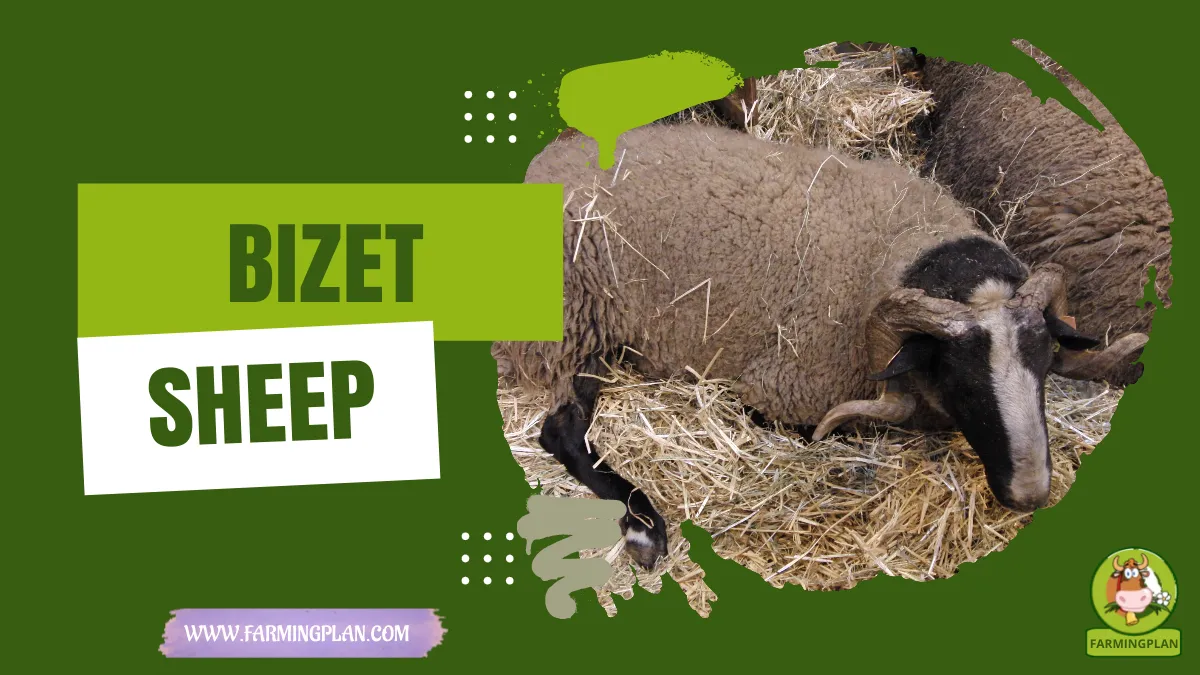
When you look at a Bizet Sheep ram, the first thing you notice is the striking head structure. The rams sport magnificent spiral horns that sweep outward, while the ewes, or brebis, remain polled. Their wool colour features a deep brown or blackish hue, set off by a bright white mark on the face. Their long-tailed frame and compact build help them navigate rocky ground with incredible ease and balance.
In terms of physical metrics, a mature ram reaches a solid weight while maintaining an average height at the withers around seventy centimeters. The ewes display smaller figures for Hauteur au garrot femelles and Poids adulte femelles, making them exceptionally manageable for small-scale breeders. Their thick woolly coat has a coarse fibre diameter, perfect for traditional wool textile industry uses like durable carpets or rugged outerwear.
Nature and Personality Traits of Bizet Sheep
I always tell new farmers that temperament matters just as much as physical traits when choosing livestock. These small ruminants show a calm, sensible disposition that makes daily farm chores a total breeze. They form tight-knit flocks and move together naturally, which simplifies rotational grazing and seasonal herd movement across open fields.
While rams can display typical dominance during the autumn breeding season, they generally stay manageable with proper handling. Ewes make devoted, attentive mothers that bond quickly with their newborn lambs. Their steady nature makes them fantastic choices for hobby farmers, educational exhibits, or eco-grazing projects where peaceful human interaction is essential.
Healthy Food, Diet, and Feeding Guidelines of Bizet Sheep
Feeding these hardy animals is remarkably straightforward because their digestive systems thrive on rough forage. They evolved on natural pastures full of tough grasses, shrubs, and wild herbs across mountainous terrain. I always provide mine with high-quality pasture during spring and summer, supplementing with clean grass hay throughout the cold winter months.
You must offer clean, fresh water and mineral blocks tailored specifically for sheep at all times. Avoid giving them cow or horse feed, as excessive copper levels prove fatal to small ruminants. During peak pregnancy and lactation, I top off the breeding females’ diet with modest grain rations to maintain optimal body condition and promote strong lamb growth.
Usage and Real Farm Utility of Bizet Sheep
These versatile animals serve multiple valuable roles on a modern, sustainable homestead. Historically, farmers prized them for dual-purpose production, harvesting both tasty meat and thick fleece. Their coarse wool finds great use in specialty hand-spinning communities, craft markets, and industrial textile production that values durability over fine softness.
Beyond traditional yields, these herbivores excel at ecological maintenance and solar grazing initiatives. Cities and private landowners hire these sheep for vegetation management and pollination services, clear brush, and reduce wildfire risks without heavy machinery. Their active foraging habits keep land healthy while eliminating noxious weeds across diverse climatic zones naturally.
Special Features of Bizet Sheep
What sets this breed apart from commercial stock like Southdown, Ile de France, or Rambouillet is its sheer adaptability. These animals withstand freezing mountain rains, scorching summer heat, and sparse forage without losing physical condition. Their strong hooves resist common foot problems even when grazing damp soils or rocky hillsides.
Furthermore, their genetic profile represents a vital reservoir of biological diversity. Centuries of natural selection created a breed with natural parasite resistance and exceptional longevity. Owning these rare animals means you become a crucial part of global conservation efforts, preserving functional heritage traits that modern industrial farming often loses.
Health Issues and Disease Prevention of Bizet Sheep
Prevention remains the absolute key to keeping your herd healthy and thriving year-round. Like most small ruminants, these sheep can contract internal parasites like barber pole worms if pasture management slips. I run regular fecal tests and rotate pastures frequently to break parasite life cycles without relying heavily on chemical dewormers.
Watch out for common livestock ailments like foot rot, pulpy kidney disease, and respiratory infections during sudden weather changes. Maintain a strict vaccination schedule for clostridial diseases like CDT, keep hooves neatly trimmed, and keep shelter areas well-ventilated. Prompt attention to subtle signs of illness keeps simple issues from becoming herd-wide emergencies.
Every Dedicated Farmer Secretly Loves Raising Unique Heritage Livestock.
Step-by-Step Farming Guide for Bizet Sheep
Step 1: Setting Up Secure Farm Fencing and Pasture Boundaries
Before bringing your livestock home, you must build robust perimeter fencing around your fields. I strongly recommend high-tensile woven wire paired with a powered electric top wire to deter predators. Make sure your fencing stands at least four feet high to keep agile stock safely inside their designated grazing zones. Inspect your pasture for toxic plants, loose wire, or hazardous holes before turning animals loose. Divide your total acreage into smaller paddocks to enable effective rotational grazing routines. Good perimeter setup protects your investment, maintains pasture health, and ensures peace of mind day and night.
Step 2: Designing Comfortable Shelter and Adequate Housing Spaces
While this heritage race tolerates extreme weather, you still need to supply clean shelter from driving rain and harsh winds. A simple three-sided run-in shed facing away from prevailing winds works wonderfully for general housing. Ensure the structure provides dry bedding, ample head clearance, and continuous cross-ventilation to prevent respiratory issues.
During lambing season, clean individual penning areas inside your primary barn to give newborn lambs a safe environment. Deeply bed these spaces with fresh straw, changing it regularly to maintain high sanitary standards. Proper housing reduces stress, keeps fleece clean, and gives your herd a cozy refuge during severe winter storms.
Step 3: Purchasing Healthy Foundation Breeding Females and Rams
Sourcing your initial animals from reputable, registered éleveurs contrôlés ensures top-tier genetic quality and health. Carefully examine prospective stock for clear eyes, sound feet, clean backsides, and bright, alert attitudes. Check the teeth on older stock to confirm they can graze efficiently across your pastures.
Review the seller’s health records, including recent deworming schedules, vaccination histories, and scrapie monitoring status. Buying certified disease-free foundation stock prevents introducing serious health complications into your clean farm environment. Investing in high-quality rams and brebis sets your entire breeding operation up for long-term success.
Step 4: Implementing Daily Feeding Routines and Water Management
Establish a consistent daily feeding schedule to keep your animals calm, healthy, and predictable. Offer fresh water in clean, freeze-proof troughs that you scrub out weekly to prevent algae buildup. Check forage levels daily, making sure every animal has adequate access to hay feeders without crowding.
Monitor body condition scores regularly, adjusting feed rations based on weather, pregnancy status, and pasture quality. Supply loose mineral mixes formulated specifically for sheep in weather-protected feeders year-round. Consistent daily nutrition keeps immune systems strong and maintains optimal wool production throughout every season.
Step 5: Managing Shearing Schedules and Fleece Processing
Schedule professional shearing once a year, preferably in early spring before warm weather sets in fully. Clean, dry wool brings higher prices, so keep your sheep indoors on clean straw the night before shearing. Skirt the shorn fleeces immediately, removing dirty tags, vegetable matter, and heavily soiled edge pieces. Store clean fleece in breathable paper or burlap bags inside a cool, dry room away from sunlight. You can sell raw fleeces directly to local hand-spinners, trade with wool mills, or craft unique textile products yourself. Proper fleece handling maximizes your herd’s secondary revenue stream while keeping animals cool for summer.
Read More: Braunes Bergschaf Sheep Master Guide for Modern Farmers
Expert Tips and Best Practices for Bizet Sheep
- Practice strict rotational grazing to break parasite cycles and maximize pasture regrowth.
- Keep detailed breeding, lambing, and health records in a dedicated binder or farm app.
- Trim hooves every three to four months to prevent foot rot and maintain proper alignment.
- Provide deep, dry straw bedding during winter to insulate newborn lambs from cold ground.
- Establish a solid working relationship with a local livestock veterinarian before emergencies happen.
- Monitor body condition scores monthly to catch nutritional deficits early in pregnant ewes.
FAQs
Where did the Bizet sheep breed originate?
This hardy breed originated in the rugged Massif Central region of France. Local farmers developed them across the Cantal area to withstand harsh mountain climates.
What makes the appearance of Bizet sheep distinct?
They feature dark wool paired with a bright white blaze on their face and tail tip. The rams grow impressive spiral horns, while the ewes remain polled.
Are Bizet sheep suitable for eco-grazing projects?
Yes, their active foraging style and calm demeanor make them ideal for vegetation management. Cities and farmers use them to clear brush and manage natural pastures safely.
How often do you need to shear Bizet sheep?
You should shear these animals once per year, usually in early spring. Regular shearing keeps the sheep comfortable during summer and yields valuable coarse wool.
What do Bizet sheep eat on a farm?
Their diet consists primarily of natural pasture grasses, wild shrubs, and quality grass hay. You must supplement their feed with clean water and sheep-specific minerals daily.
Conclusion
Raising Bizet sheep offers a deeply rewarding path for farmers wanting hardy, beautiful, and historically rich livestock. These incredible French animals combine exceptional climate resilience with gentle temperaments and striking visual traits. By adding this heritage race to your pasture, you support vital global biodiversity while building a sustainable homestead. Are you ready to take the next step in your farming journey? Leave a comment below, share this guide with fellow breeders, or contact a local heritage livestock association today! Discover the legendary Bizet sheep breed! Learn history, characteristics, diet, and step-by-step farming care tips from a specialist.