A goose brings incredible energy, charm, and natural pest control to any homestead or farm. As a long-time farming specialist, I love watching these wonderful birds roam across open pastures with their long necks held high. Many people confuse them with ducks or swans, but these social waterfowl belong to the Anatidae family within the order Anseriformes. In this complete guide, I will share my personal experiences raising these intelligent animals, covering everything from their unique vocalizations to their daily needs. Whether you want a single female goose for fresh eggs or a guard gander for farm protection, you will discover why adding them to your flock is a brilliant choice.
History and Heritage of Geese
I have studied waterfowl history for decades, and the journey of these farm birds truly fascinates me. Ancient farmers domesticated wild species thousands of years ago from the wild Greylag and Swan species. The Proto-Indo-European word ǵʰh₂éns shows how long humans have lived alongside them. Historical records show that people kept them for meat, down feathers, and natural alarm systems long before modern poultry farming existed.
Cultural Impact and Worldwide Spread
Throughout history, humans admired these birds for their impressive loyalty and strong social bonds. From ancient Roman guards to modern free-range farms, these creatures have earned respect across the globe. Today, farmers everywhere value these traditional farm animals for their resilience and incredible grazing efficiency.
Read More: Ancient Tumbler Pigeon: Best Farming
Characteristics of Goose
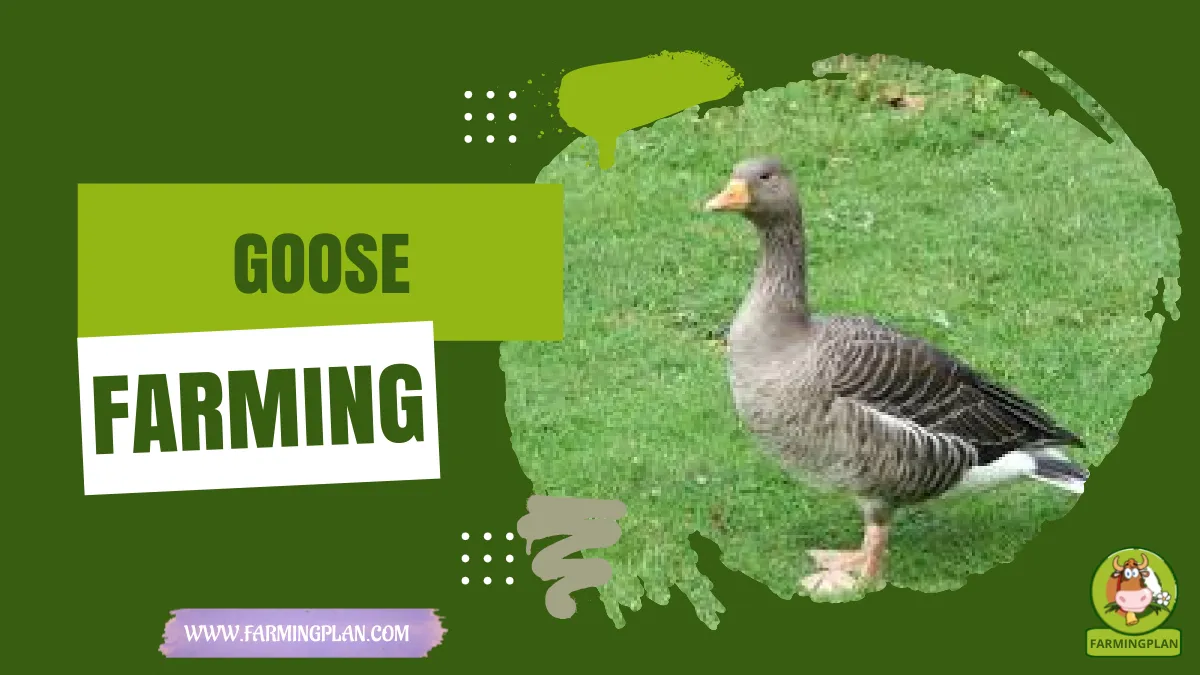
When you look closely at these waterfowl, you immediately notice their majestic build and distinctive features. They feature long necks, feathered lores, and reticulate tarsi on their sturdy legs and webbed feet. A majestic white goose stands out brilliantly on green pastures, while gray and brown varieties blend into natural field surroundings.
Key Differences Between Species
You can easily tell males and females apart once you gain a little hands-on experience. A male gander usually grows larger, carries a bolder stance, and makes higher-pitched calls. A female goose tends to have a slightly smaller body, a lower voice, and a calmer disposition. Young goslings hatch with soft down feathers and quickly develop adult plumage within a few months.
Nature and Active Temperament of Goose
I love observing flock dynamics on my farm every single morning. These birds form tight-knit bonds and communicate constantly using loud honks, gentle murmurs, and body language. They look out for one another and establish clear social hierarchies within the barnyard.
Defense Mechanisms and Personality
While some people worry about aggression, proper handling makes a huge difference in their personality. A guard gander protects his mate and nest with fierce loyalty, often hissing or spreading his wings to deter intruders. When you raise them with gentle human touch from day one, they become affectionate, curious companions who greet you at the gate.
Food and Nutrition Guidelines of Goose
Feeding these birds is straightforward because they excel at natural grazing. They consume large amounts of fresh grass, weeds, and clovers, which reduces your total feed bills significantly. I supplement their pasture diet with quality waterfowl pellets to provide balanced vitamins and minerals throughout every season.
Crucial Feed Dos and Don’ts
You must always provide clean, deep water alongside their food so they can wash down every bite safely. Never offer dry bread, moldy grains, or salty snacks, as these foods cause serious digestive issues. I always keep fresh grit available to help them grind down tough plant material in their gizzards.
Uses and Farming Purpose of Goose
On my farm, these birds serve multiple valuable roles that make farm life much easier. They act as chemical-free lawnmowers and lawn weeders, clearing unwanted grass around crops without damaging mature plants. A healthy female goose also lays large, delicious eggs during her spring breeding season.
Guard Duties and Down Production
Their loud warning honks make them superior security guards for homesteads. They detect strange noises long before dogs or humans notice anything unusual. Farmers also harvest soft down feathers during natural molting periods to produce ultra-warm bedding materials.
“A Happy Goose Brings Endless Joy And Powerful Protection To Your Growing Farm Everyday.”
Remarkable Features and Flying Secrets
One of the most breathtaking sights in nature is watching wild flocks, like the Canada Goose or Bar-headed Anser indicus, fly overhead. They utilize the famous flying geese paradigm, traveling in a classic V-shape formation to save energy. The lead bird cuts through wind resistance, allowing trailing birds to glide effortlessly across thousands of miles.
Pro Tip: Observe energy saving in flight formation during seasonal migrations; birds take turns leading the V-shape so no single bird becomes exhausted!
Superior Adaptations and Hardiness
These waterfowl possess thick layers of down beneath water-resistant outer feathers, keeping them warm even in freezing pond water. Their sharp, serrated bills act like natural shears, clipping grass effortlessly down to the root line.
Health Issues and Prevention
Keeping your flock healthy requires daily observation and quick action at the first sign of trouble. Common issues include bumblefoot, angel wing from poor diet, and respiratory infections caused by damp bedding. Watch out for lethargy, droopy wings, cloudy eyes, or sudden loss of appetite in your birds.
Preventive Care and Housing Hygiene
Preventing illness starts with dry, clean housing and well-ventilated coop quarters. Clean out dirty straw weekly, ensure fresh air circulates freely, and keep drinking troughs clean. Regular worming treatments and fresh water access will keep your flock thriving for over fifteen years.
Read More: Bantu Pig Secrets Unleashed: Farming Business From Scratch
Step-by-Step Goose Raising Guide
Raising these majestic waterfowl successfully requires proper planning, correct equipment, and daily care routines. Over my years as a farm specialist, I have perfected a simple step-by-step system that ensures high survival rates, excellent growth, and happy birds on any property.
Step 1: Housing and Pen Setup
Build a sturdy, predator-proof predator shelter with at least six square feet of floor space per bird. Line the floor with clean, dry straw or wood shavings to protect their feet and absorb moisture. Secure all doors with heavy-duty latches to keep raccoons and foxes out at night.
Step 2: Selecting Proper Water Sources
Provide clean water troughs deep enough for birds to submerge their entire heads and wash their nostrils. A small plastic pool gives them space to bathe, preen feathers, and keep their skin healthy. Change bath water frequently to maintain high sanitation standards across your yard.
Step 3: Feeding and Brooding Young Goslings
Place newly hatched babies in a warm brooder box set to ninety degrees Fahrenheit for their first week. Feed them unmedicated chick starter crumble mixed with water, alongside fine green grass clippings. Gradually lower brooder temperatures by five degrees each week until they grow full adult feathers.
Step 4: Establishing Pasture and Grazing Routines
Rotate your birds across clean, chemical-free grassy pastures to supply rich natural nutrition continuously. Fence off sensitive gardens, young saplings, and delicate flower beds so your flock grazes only where you want them. Provide shade trees or simple tarp shelters to protect them from hot summer sun rays.
Step 5: Daily Handling and Flock Management
Spend fifteen minutes every day hand-feeding healthy treats like chopped lettuce or peas to build trust. Speak softly and move calmly around your birds to raise friendly, confident, and docile flock members. Perform weekly health checks on feet, eyes, and feather quality to catch potential problems early.
Expert Tips for Success
- Offer Unmedicated Starter: Never feed young birds medicated starter feed designed for chickens.
- Provide Deep Water: Ensure water containers are deep enough for nostrils to stay completely clean.
- Build Strong Fences: Protect your valuable flock from nocturnal predators with strong hardware cloth.
- Encourage Early Socialization: Handle young babies daily to prevent aggressive adult behaviors later.
- Maintain Clean Bedding: Refresh dirty straw frequently to prevent respiratory mold diseases.
FAQs
What is the main difference between a goose and a duck?
Geese are generally larger than ducks, featuring much longer necks and stouter bills built for grazing grass rather than sifting water. They also show strict herbivorous feeding habits and form long-term monogamous pair bonds compared to most duck breeds.
What is the correct plural term for a goose?
The correct plural form for a single bird is “geese” when referring to multiple animals. However, the term “gooses” is occasionally used as a verb to describe a poking motion or sudden push.
How do you tell a female goose from a male gander?
A male gander is typically larger, possesses a longer neck, and makes higher-pitched warning calls than a female. A female goose has a slightly broader body, sits lower to the ground, and utters deeper honking sounds.
What do farm geese eat on a daily basis?
Farm birds eat primarily fresh pasture grass, weeds, clovers, and high-quality commercial grain pellets. They also enjoy fresh vegetable treats like chopped lettuce, kale, and peas, alongside fresh water and digestive grit.
Can a goose make a good pet for a small farm?
Yes, when raised with regular human touch from a young age, they become loyal, affectionate, and protective farm companions. They keep lawns neatly trimmed, warn owners of strangers, and provide great entertainment with their bold personalities.
Conclusion
Raising these amazing birds on your farm or homestead brings endless joy, natural weed control, and outstanding security. By providing deep water, clean housing, and nutritious pasture grazing, you ensure a healthy life for your flock. I encourage you to welcome a pair to your farm this season and experience their incredible charm firsthand. Share your thoughts, ask questions in the comments below, or pass this helpful guide along to fellow farm enthusiasts today! Discover amazing goose care tips today! Learn how to raise healthy, happy waterfowl on your farm with my expert guide.