A well-designed Duck House is essential for keeping ducks safe, healthy, and productive. Even though ducks are hardy, they need a secure shelter to rest, lay eggs, and stay protected from predators and harsh weather. Many beginners assume ducks can live freely near ponds or in a poultry barn, but a proper Duck’s House makes a huge difference. I often create simple duck house plans using scrap wood, hardware cloth, chicken wire, and strong flooring. Raised structures with cinder blocks, nest boxes, ventilation, and sturdy doors ensure a dry, clean, and comfortable home for every duck.
History & Origin– Where the Duck House Concept Began
Humans have raised ducks for thousands of years. Historical records from the Ming Dynasty show farmers raising ducks alongside rice fields. These farmers created simple shelters from bamboo and straw to protect birds at night. These early structures acted as the first versions of the Duck House. Ducks also played an important role in traditional agriculture and cuisine. Farmers raised birds not only for eggs but also for famous dishes like Peking Duck, a legendary meal in Chinese cuisine known for its crispy skin and rich flavor.
This dish became one of the world’s most recognized traditional culinary delicacies, and it increased the demand for organized duck farming. As duck farming expanded worldwide, housing systems improved. Farmers started using wooden sheds similar to a chicken coop or poultry barn. These shelters helped farmers collect duck eggs, control breeding, and protect birds from predators. Modern farming practices introduced better building materials. Today, duck houses may include fiberglass insulation, drop ceiling panels, waterproof roofing like Endura 4-ft x 6.58-ft Corrugated Asphalt Roof Panel, and predator-proof fencing such as poultry net electric fence.
Even hobby farmers now use advanced ideas like floor plan layouts, automated doors, and strong roofing panels. Yet the core idea remains the same: a simple, protective shelter where ducks can rest safely.
Read more: Shetland Duck: Swedish Blue Ducks in Scotland
Characteristics – What Makes a Good Duck House Design
A well-designed Duck House focuses on safety, ventilation, and easy maintenance. When I build shelters for ducks, I start by thinking about the size of the flock. Ducks need enough floor space to move comfortably. Overcrowding creates stress and disease problems. I usually design a simple floor plan that includes three areas: sleeping space, nest box section, and ventilation openings. Ducks do not perch like chickens, so the floor remains open. I often cover the floor with straw or wood shavings to absorb moisture. Another important feature is predator protection. Ducks cannot defend themselves well, so strong fencing is essential.
I always recommend using hardware cloth instead of chicken wire because it prevents raccoons and foxes from reaching inside. Roof design matters as well. I often install corrugated roof panels because they shed rain quickly and last for years. Some farmers prefer insulated roofs using fiberglass insulation for colder climates. Doors must close securely. I install barn door hinges and strong latches to keep predators out. Good lighting also helps during winter months, so sometimes farmers add a low watt bulb for visibility and warmth. These features make a Duck House practical, durable, and comfortable for birds.
Nature & Temperament – How Ducks Behave Around Their House
Ducks behave differently from chickens, and this affects how I design their housing. Ducks enjoy social living, so they prefer staying together inside their Duck House at night. When they feel safe, they walk into their shelter on their own each evening. From my experience, ducks love routine. Once they learn where their house is located, they return there daily. A simple door opening and clear path from the pond to the house makes their routine easier. Ducks also create a lot of moisture. I jokingly call them poop machines because they produce wet droppings frequently. This means ventilation and drainage matter more than in many other poultry shelters.
When ducks feel comfortable in their Duck’s House, they show calm behavior. They lay eggs regularly, sleep peacefully, and avoid stress. Stressed ducks often stop laying eggs or wander away from their shelter. A well-designed shelter reduces anxiety, especially during storms or predator activity. Ducks naturally seek cover when they feel threatened. When they trust their house, they run toward it for protection. Understanding these simple behaviors helps farmers design better housing systems.
Read more: Pomeranian Duck: Evolution of a Landrace
Food & Diet – Feeding Ducks in a Proper Duck House System
Feeding ducks correctly keeps them active and productive. Inside or near the Duck House, I usually set up feeders and clean water containers. Ducks eat grains, vegetables, and commercial poultry feed. Ducklings require a brooder box setup during their early weeks. The brooder area often includes a gentle heat lamp to keep them warm. As they grow older, they move into the main shelter. Adult ducks enjoy grains such as corn, wheat, and barley. They also eat insects, grass, and aquatic plants if they have access to a pond. I often add vegetable scraps from the farm to their diet.
Fresh water always stays close to feeding areas. Ducks need water to swallow food properly. Without water, they can choke while eating dry grains. I also recommend occasional protein supplements. Some farmers add soybean meal or fish meal to support egg production. Avoid feeding moldy grains or salty foods. These can harm ducks quickly. A balanced diet combined with a clean Duck House environment produces healthy birds and consistent egg production.
Usage & Purpose – Why Farmers Build Duck Houses
The main purpose of a Duck House is to protect ducks while improving farm productivity. On many farms I visit, duck houses support both small backyard flocks and large poultry operations. Egg production remains one of the biggest benefits. Ducks lay flavorful eggs that many people use in baking and cooking. Restaurants preparing traditional dishes like roasted duck meals also value farm-raised birds. Some farmers raise ducks for meat, especially breeds used in dishes such as pekin duck or famous roasted duck recipes with spices and sauces. Backyard hobbyists often keep ducks as pets.
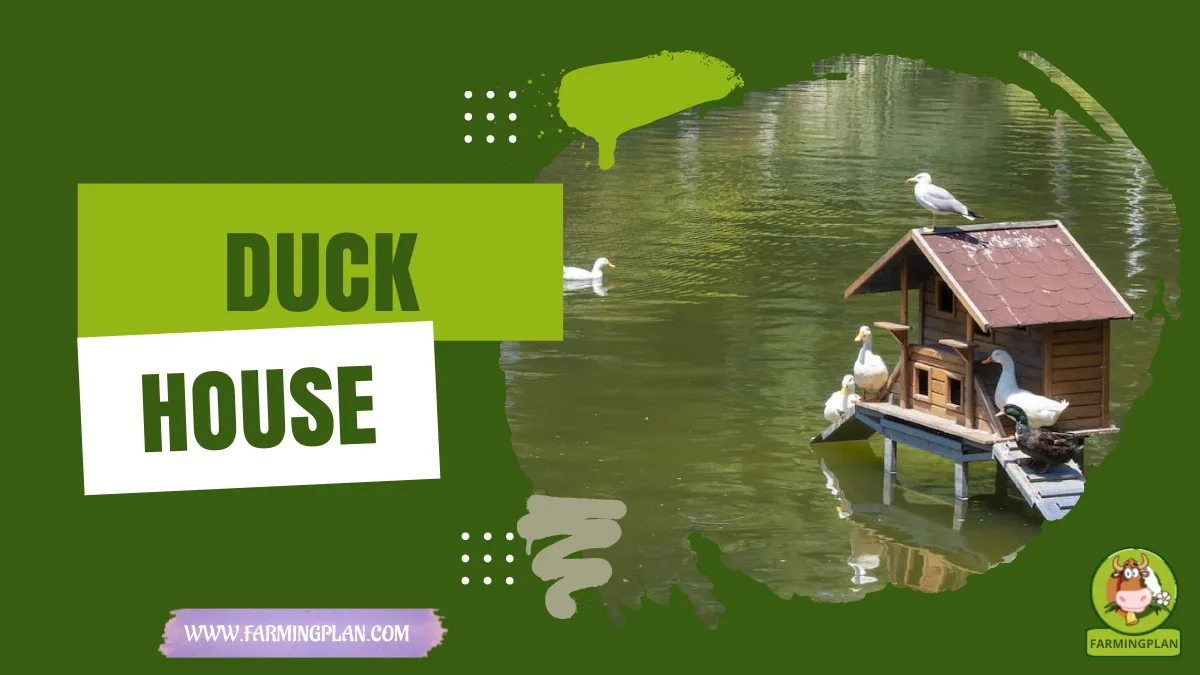
These birds help control garden pests and provide eggs for the household. In these small setups, the Duck House may look similar to a small chicken coop or shed. Some farms also integrate duck housing near ponds. A duck house for pond environments allows ducks to swim during the day and sleep safely at night. Whether for eggs, meat, pest control, or companionship, the Duck House remains the central hub of the entire duck-keeping system.
Read more: Mallard Duck: The Easiest Bird to Identify
Special Features – Unique Advantages of a Well-Designed Duck House
A thoughtfully designed Duck House can include many useful features. I often recommend raised flooring using cinder blocks to prevent flooding. Ducks produce a lot of moisture, so elevation keeps bedding dry. Another feature involves predator protection. Installing poultry net electric fence around the house helps keep foxes, dogs, and raccoons away from the flock. Ventilation also plays a big role. Small openings covered with hardware cloth allow fresh air inside while preventing predators from entering. Some farmers add removable panels for cleaning. I often use peel & stick vinyl tiles or sealed wooden floors for easier maintenance. Tools like Ryobi tools and a Kreg Jig make construction easier and more precise.
A fun addition some people include is a small water porch area where ducks can wash before entering the shelter. This helps keep the interior cleaner. Creative farmers even design houses with decorative finishes using wood stain and barn-style doors. These houses look beautiful while still protecting the birds.
Health Issues & Prevention – Keeping Ducks Safe and Disease Free
Even with a good Duck House, ducks can face health challenges. Dirty bedding and poor ventilation often cause respiratory infections. That’s why I always stress regular cleaning. Wet litter can lead to foot infections or bacterial diseases. Ducks walk constantly on the ground, so their feet need dry bedding. Parasites can also appear in poorly maintained shelters. Mites and lice may spread quickly if the house stays damp and dirty. Young ducklings need special care. A brooder box with safe temperature control prevents chilling. Farmers sometimes use low heat bulbs or heat lamps during early growth stages. Predator attacks remain another serious risk.
Raccoons, foxes, and snakes can enter weak shelters. Strong fencing and secure doors protect birds from these threats. Regular inspection, clean bedding, and proper ventilation prevent most problems before they start.
Step-by-Step Duck House Farming Guide
Building a Duck House does not require complicated engineering. Over the years, I have built dozens of duck shelters for small farms and backyard setups. The goal is simple: create a safe, dry, and comfortable space where ducks can sleep, lay eggs, and stay protected from predators and harsh weather. Many beginners worry that building a duck shelter requires expensive materials. In reality, some of my best houses used scrap wood, basic tools, and recycled materials. The most important things are good ventilation, strong flooring, and secure fencing.
When I design shelters, I also consider climate. A duck house for winter needs insulation and wind protection, while a duck house for pond environments must resist moisture. Below is the exact step-by-step process I recommend to farmers and backyard duck keepers.
Step 1 – Choose the Perfect Location
The first step in building a Duck House is selecting the right location. I always pick slightly elevated ground so rainwater drains away from the shelter. Ducks create a lot of moisture, so dry ground is extremely important. Wet soil quickly turns bedding into mud and increases disease risk. Raising the structure using cinder blocks also helps protect the floor from flooding. Ducks enjoy walking between water and shelter during the day. However, the shelter should sit far enough from the pond to prevent constant mud buildup. Another key factor is predator protection. Avoid placing the house near dense bushes where predators can hide. Clear visibility around the house helps keep the flock safe.
Step 2 – Build the Frame and Walls
Once the location is ready, I build the frame using scrap wood or sturdy lumber. A simple rectangular frame works perfectly for most flocks. The walls should be strong and weather resistant. Many farmers cover the frame with wooden boards or plywood panels. I always leave small ventilation gaps near the roof. Cover these openings with hardware cloth. This keeps air flowing while blocking predators and insects. For doors, I install barn door hinges and a strong Steel-Painted Gate Latch. Secure doors protect ducks during the night when predators are most active.
Step 3 – Install Flooring and Nest Areas
The next step involves creating a comfortable floor. Ducks do not need perches, so the entire floor remains open space. I normally spread thick bedding such as straw, wood shavings, or rice husks. These materials absorb moisture and keep ducks warm. Nest boxes also help collect eggs easily. Unlike chickens, ducks do not require raised nesting areas. I usually build simple wooden boxes along the wall. Placing the boxes in a quiet corner encourages ducks to lay eggs regularly.
Step 4 – Add Roof and Weather Protection
The roof protects ducks from rain, snow, and sun. I prefer corrugated roofing because it drains water quickly and lasts many years. Many farmers install products like Ondura 4-ft x 6.58-ft Corrugated Asphalt Roof Panel because it resists rust and weather damage. In cold climates, insulation becomes important. Adding fiberglass insulation and sealed roof panels helps maintain warmth during winter. Roof overhangs also prevent rain from entering ventilation openings.
Step 5 – Set Up Fencing and Outdoor Space
Ducks love exploring outdoors, so I always create a secure run outside the house. A fenced area gives ducks room to exercise while staying protected. Hardware cloth or poultry net electric fence works well for this purpose. These materials prevent predators from digging under or climbing into the enclosure. The outdoor space should include shade, grass, and access to water. Ducks stay healthier when they can forage naturally. Once the run area is ready, your ducks will have a safe and comfortable home.
Expert Tips & Best Practices for Duck Owners
- Always design a simple duck house drawing before building.
- Use scrap wood and recycled materials to reduce costs.
- Keep bedding dry and replace it regularly.
- Install strong hardware cloth instead of weak chicken wire.
- Build nest box areas in quiet corners.
- Use downloadable duck house plans PDF for inspiration.
- Add fencing to prevent predators from entering. • Provide easy access between pond and shelter.
- Keep feeders and water containers clean daily. • Spread the love by sharing your duck-raising experience with new farmers.
“Build A Comfortable Duck House Today, And Your Ducks Will Reward You With Healthy Eggs, Happy Quacks, And Years Of Farmyard Joy.”
FAQ
What is a duck house called?
A duck house is usually called a duck coop or duck shelter. It works similarly to a chicken coop but focuses more on floor space rather than perches.
Can ducks live in a chicken coop?
Yes, ducks can live in a chicken coop if the structure has enough floor space and good ventilation. Remove perches and add ground-level nest areas for comfort.
How big should a duck house be?
A good rule is about 4 to 6 square feet per duck inside the house. Larger flocks need additional space to prevent stress and disease.
Do ducks need a house if they have a pond?
Yes, ducks still need a shelter even with a pond. The house protects them from predators, bad weather, and nighttime dangers.
How do you keep ducks warm in winter?
Use thick bedding, proper insulation, and wind protection. Some farmers also add low heat bulbs for extremely cold climates.
Conclusion
A well-built Duck House protects ducks, improves egg production, and makes daily farm management easier. From choosing the right location to installing strong roofing and fencing, each step helps create a safe environment for your birds. In my experience as a farming specialist, ducks thrive when they have a dry, clean shelter and easy access to water and food. A thoughtful house design also reduces disease problems and predator attacks. Whether you build a simple backyard shelter or a larger poultry structure, the key is comfort, security, and easy maintenance. If you found this guide helpful, share it with fellow farmers, leave a comment with your duck-raising tips, and spread the love for healthy duck farming.