Duck feed is an essential part of raising healthy, productive ducks whether for eggs, meat, or backyard companionship. Unlike chickens, ducks have unique nutritional needs that require a carefully balanced diet rich in protein, vitamins, and minerals. While ducks can forage for insects, plants, and small aquatic organisms in natural environments, domesticated ducks depend heavily on formulated feed to meet their daily requirements. Choosing the right duck feed ensures proper growth, strong immunity, and consistent egg production. In this guide, we will explore duck nutrition, feed types, formulations, recipes, pricing, and best feeding practices in a simple and practical way.
What Do Ducks Naturally Eat
Ducks naturally consume a wide variety of foods found in aquatic and land environments. Their diet includes insects, worms, small fish, algae, aquatic plants, and seeds. This natural feeding behavior is often referred to as an open water diet, where ducks forage in ponds, rivers, and wetlands. These foods provide essential nutrients like protein, fats, and minerals. However, domesticated ducks rarely have access to such diverse food sources. Therefore, supplemental duck feed becomes necessary to ensure consistent nutrition. Understanding their natural diet helps farmers replicate similar nutritional balance through formulated feeds and improve overall duck health.
Natural Diet vs Domestic Feeding
While wild ducks rely on foraging, farm-raised ducks depend on controlled feeding systems. Natural diets are rich in variety but inconsistent in quantity, whereas commercial duck feed ensures balanced and predictable nutrition. Domestic ducks may not receive enough protein or minerals from natural sources alone. Therefore, combining limited natural foraging with structured feeding improves growth and productivity. Providing clean water and access to safe outdoor environments also helps mimic natural feeding behavior while maintaining proper nutritional intake through supplemental feed.
Types of Duck Feed Available
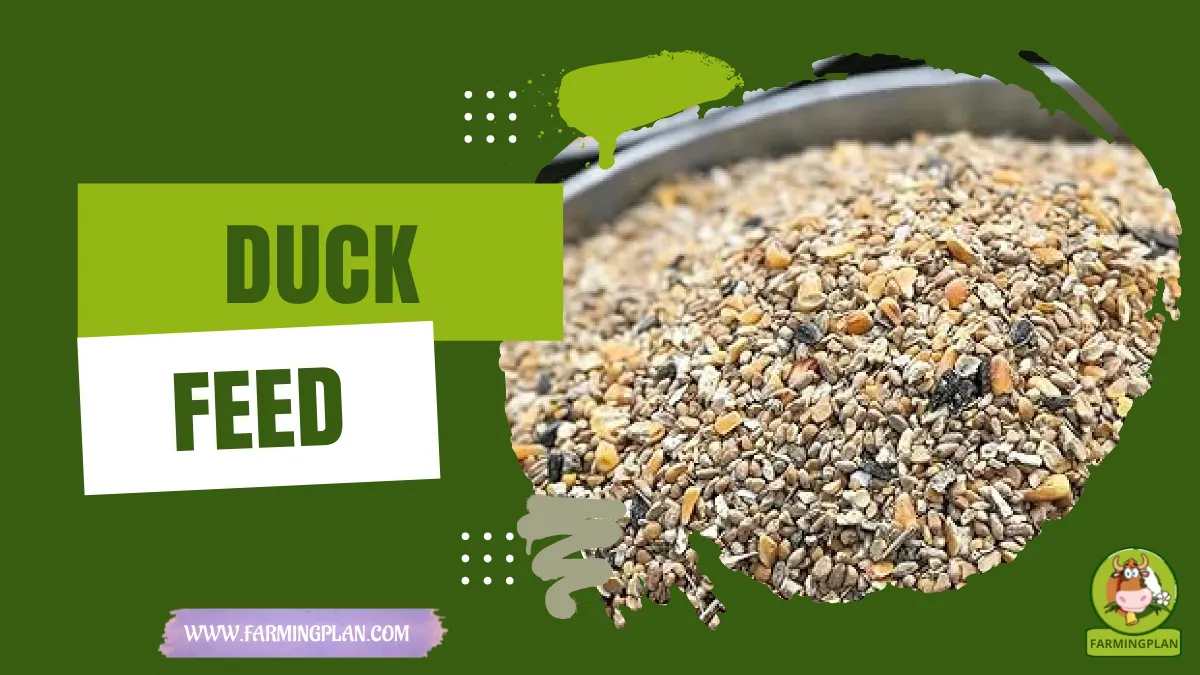
Duck feed comes in several types depending on the age and purpose of the ducks. Starter feed is designed for ducklings and contains higher protein levels to support rapid growth. Grower feed is used during the development stage, while layer feed is formulated for egg-laying ducks with added calcium. Feed also comes in different physical forms such as pellets, mash, and floating feed. Floating feed is particularly useful as ducks prefer feeding in water. Products like Purina Flock Raiser are considered complete feeds suitable for multiple poultry types. Choosing the correct type ensures proper nutrition and efficient feeding.
Feed Forms and Their Benefits
Duck feed is available in pellets, crumbles, and floating forms. Pellets reduce waste and ensure consistent nutrient intake, while crumbles are easier for young ducklings to consume. Floating feed allows ducks to eat naturally in water, improving digestion and reducing contamination. Each form has its advantages depending on farming conditions. Floating feed is especially useful in wet environments, while pellets are preferred for controlled feeding systems. Selecting the appropriate feed form improves feeding efficiency and supports better growth and health outcomes.
Read more: Duck Diseases: What You Need To Know
Duck Feed Nutritional Requirements
Duck feed must contain a balanced mix of nutrients including crude protein, crude fat, crude fiber, vitamins, and minerals. Protein is essential for muscle development and growth, while fats provide energy. Vitamins such as Vitamin A and Vitamin D3 support immunity and bone health. Minerals like calcium and phosphorus are critical for eggshell formation and skeletal strength. Proper nutritional balance prevents deficiencies and promotes optimal performance. Feed manufacturers often list a guaranteed analysis on packaging, helping farmers understand nutrient composition. Meeting these nutritional requirements is key to raising healthy ducks and ensuring consistent productivity.
Importance of Balanced Nutrition
Balanced nutrition ensures ducks grow properly and remain free from diseases caused by deficiencies. For example, insufficient calcium can lead to weak eggshells, while low protein may slow growth. Including probiotics and prebiotics in feed improves digestion and nutrient absorption. Maintaining proper nutrient ratios also helps prevent conditions like poor feather development and metabolic disorders. A well-balanced diet supports immune function, reproductive health, and overall vitality, making it a critical factor in successful duck farming.
Duck Feed Formulation Basics
Duck feed formulation involves combining various ingredients to create a nutritionally complete diet. Common ingredients include ground corn for energy, soybean meal for protein, fish meal for additional protein, and wheat middlings for fiber. Brewers dried yeast may be added to enhance vitamin content and digestion. Minerals such as calcium carbonate and dicalcium phosphate are included to support bone and eggshell development. Proper formulation ensures that ducks receive all essential nutrients in the right proportions. Farmers and feed manufacturers rely on standardized recipes and guaranteed analysis to maintain consistency and quality in duck feed production.
Key Ingredients Explained
Each ingredient in duck feed serves a specific purpose. Ground corn provides carbohydrates for energy, while soybean meal and fish meal supply high-quality protein. Wheat middlings contribute fiber, aiding digestion. Mineral supplements ensure proper bone growth and eggshell strength. Vitamins improve immunity and metabolic functions. The combination of these ingredients must be carefully balanced to meet the nutritional needs of ducks at different stages. A well-formulated feed enhances growth performance, feed efficiency, and overall flock health.
Duck Feed Recipe (Homemade Feed Guide)
Homemade duck feed can be a cost-effective alternative to commercial products when properly formulated. A basic recipe may include ground corn, soybean meal, wheat bran, fish meal, yeast, and a vitamin-mineral premix. The proportions must be carefully measured to ensure adequate protein, energy, and micronutrients. Homemade feed allows farmers to control ingredient quality and reduce dependency on commercial brands. However, improper formulation can lead to nutritional imbalances. It is important to follow reliable recipes and maintain cleanliness during preparation to avoid contamination and spoilage.
Preparation and Safety Tips
When preparing homemade duck feed, all ingredients should be thoroughly mixed to ensure uniform nutrient distribution. The feed must be stored in a dry, cool place to prevent mold growth. Moisture can lead to contamination and reduce feed quality. Farmers should avoid using spoiled or low-quality ingredients. Regular monitoring of feed condition is essential to maintain safety. Proper preparation ensures that homemade feed remains nutritious, safe, and effective for supporting duck health and productivity.
Read more: Laying Ducks: How to Care for Laying Ducks
What to Feed Ducks at the Park
Feeding ducks at parks requires careful consideration to ensure their health and environmental safety. Suitable foods include oats, corn kernels, seeds, and leafy vegetables. These foods are closer to their natural diet and easier to digest. Avoid feeding ducks moldy bread, processed foods, or citrus fruits in large quantities, as these can harm their health. Overfeeding can also disrupt ecosystems and water quality. Responsible feeding practices help maintain a balanced environment while allowing people to interact with ducks in a safe and sustainable way.
Safe Feeding Practices
When feeding ducks in public spaces, moderation is key. Only provide small amounts of appropriate food and avoid leaving leftovers that may attract pests. Clean water should always be available to aid digestion. Feeding ducks responsibly prevents dependency on human food and supports their natural foraging behavior. It also helps reduce pollution and maintain ecological balance in parks and water bodies. Encouraging proper feeding habits ensures ducks remain healthy and environments stay clean.
Duck Feed Price and Duck Feed Price List
Duck feed price varies depending on brand, ingredient quality, protein content, and packaging size. In regions like Bangladesh, duck feed is available in both small bags and bulk quantities, with bulk purchases often being more cost-effective. Imported or branded feeds tend to be more expensive due to higher quality ingredients and processing standards. Local feed options may be more affordable but vary in nutritional consistency. Farmers often compare prices and nutritional value before purchasing to ensure they get the best balance between cost and quality for their ducks.
Factors Affecting Duck Feed Price
Several factors influence duck feed pricing, including raw material costs, transportation, brand reputation, and feed formulation complexity. Higher protein feeds typically cost more due to expensive ingredients like fish meal and soybean meal. Packaging size also affects price per unit, with larger bags offering better value. Seasonal demand and market fluctuations can also impact pricing. Understanding these factors helps farmers make informed purchasing decisions and manage feeding costs effectively.
Read more: Campbell Duck: Farm with Commercial Duck
Choosing the Right Duck Feed
Selecting the right duck feed depends on the age, purpose, and health condition of the ducks. Ducklings require high-protein starter feed, while adult ducks need maintenance or layer feed depending on whether they are used for egg production. Feed form, digestibility, and nutrient content are important considerations. Trusted brands such as Purina Duck Feed provide reliable nutritional balance. Farmers should also consider availability, cost, and ingredient quality when choosing feed. Proper selection ensures ducks receive adequate nutrients for growth, reproduction, and overall well-being.
Matching Feed to Life Stage
Different life stages require different nutritional profiles. Ducklings need higher protein for rapid growth, while laying ducks require additional calcium for eggshell formation. Grower feeds provide a balanced diet during development stages. Using the correct feed type at each stage ensures optimal growth and productivity. Failure to match feed with life stage can lead to deficiencies, poor growth, or reduced egg production. Proper alignment of feed type with duck needs is essential for successful poultry management.
Feeding Management and Best Practices
Effective feeding management is crucial for maintaining healthy ducks and maximizing productivity. Ducks should have regular feeding schedules and constant access to clean water, as water aids in digestion. Feed should be stored properly to prevent spoilage and contamination. Overfeeding or sudden diet changes should be avoided to prevent digestive issues. Monitoring feed intake helps detect health problems early. Including supplements like probiotics can improve gut health. Proper feeding management also reduces waste, improves feed efficiency, and supports overall flock performance in both small and large-scale farming systems.
Health and Environmental Considerations
Proper feeding practices help prevent health issues such as nutritional deficiencies and conditions like angel wing syndrome. Environmental factors, including cleanliness and access to natural water sources, also impact duck health. Poor feeding habits can lead to pollution and ecosystem imbalance, especially in outdoor settings. Maintaining hygiene, balanced nutrition, and responsible feeding habits ensures both ducks and their environment remain healthy. Sustainable feeding practices are essential for long-term success in duck farming.
Prevention Tips for Duck Feeding
- Regularly check feed quality and expiration dates
- Avoid feeding moldy or spoiled feed to prevent diseases
- Do not rely on bread as a main diet (nutritionally incomplete)
- Prevent overfeeding, which can lead to obesity and waste
- Ensure feed contains adequate crude protein for proper growth
- Always provide clean and fresh water alongside feed
- Store feed in a dry, airtight container to avoid contamination
- Avoid sudden changes in diet to prevent digestive stress
- Keep feeding areas clean to reduce bacteria and parasites
- Balance minerals like calcium carbonate and phosphorus for eggshell health
“Good duck feed is not just food—it is the foundation of healthy growth, strong immunity, and consistent productivity in every flock.”
FAQ
What is the best duck feed for ducklings?
Ducklings require high-protein starter feed with balanced vitamins and minerals. Starter feeds are specially formulated to support rapid growth and development. Commercial options are usually recommended for consistent nutrition and safety.
Can ducks eat chicken feed?
Ducks can eat some types of chicken feed, but it may not meet all their nutritional needs. Duck feed typically contains higher niacin levels, which are essential for duck health. Specialized feed is always preferred.
What is the duck feed protein requirement?
Ducklings generally require higher protein (around 18–20%), while adult ducks need lower levels (around 14–16%). Laying ducks may require additional nutrients for egg production and shell strength.
What should I avoid feeding ducks?
Avoid feeding ducks moldy bread, processed junk food, and citrus fruits in excess. These can cause digestive problems and long-term health issues. Always choose natural, safe foods.
How should duck feed be stored?
Duck feed should be stored in a dry, cool place in sealed containers. Moisture and heat can cause mold growth and reduce feed quality. Proper storage ensures freshness and safety.
Conclusion
Duck feed is the foundation of healthy duck farming, influencing growth, reproduction, and overall well-being. Whether using commercial products or homemade formulations, ensuring proper nutritional balance is essential. Understanding what ducks naturally eat, their dietary requirements, and the different types of feed available helps farmers make informed decisions. Factors like feed formulation, protein content, and pricing all play a role in choosing the right feed. By following best feeding practices, maintaining hygiene, and providing access to clean water, farmers can maximize productivity while keeping their ducks healthy, active, and thriving in any environment.