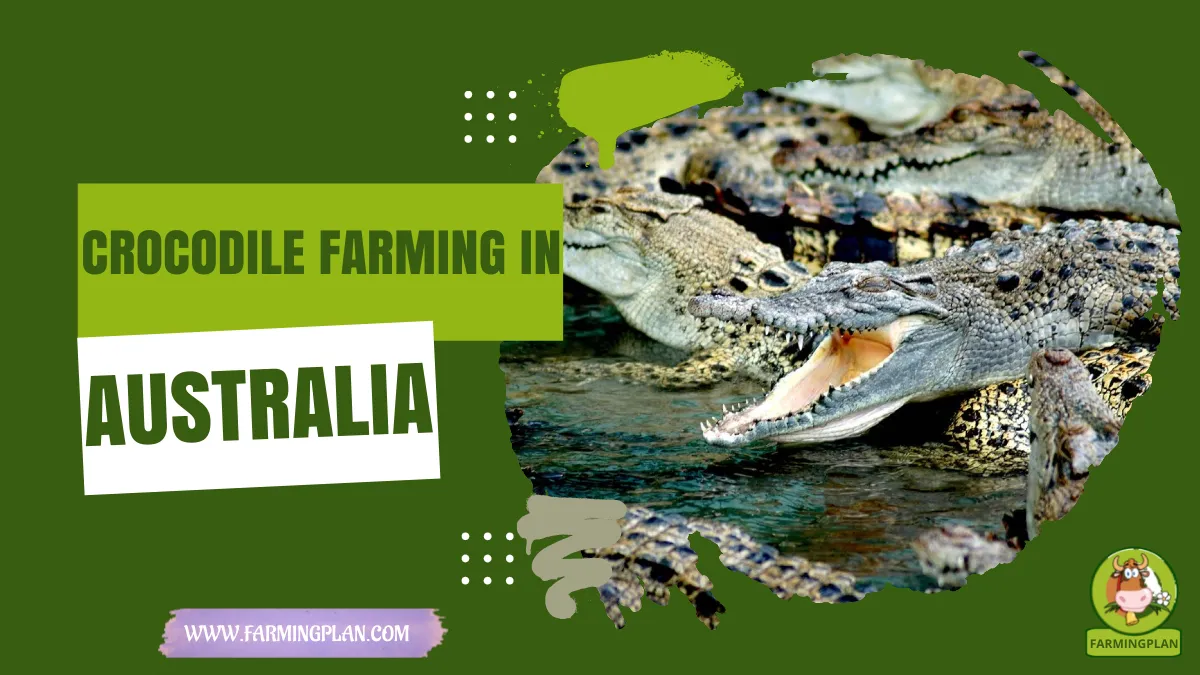
Crocodile farming in Australia requires a high level of expertise, significant financial investment, and a deep understanding of crocodilian biology to turn a challenging agricultural venture into a highly profitable enterprise. When I first stepped onto a commercial crocodile facility in northern Australia years ago, I realized quickly that running a reptile property requires unique dedication, serious infrastructure, and profound respect for apex predators. Crocodile farming in Australia has transformed dramatically over the last few decades, shifting from historic wild harvesting to a highly regulated, sustainable agricultural industry focused primarily on premium saltwater crocodiles (Crocodylus porosus).
Whether you are exploring commercial operations, seeking permits, or learning about animal husbandry, managing these prehistoric reptiles takes deep specialized knowledge, heavy financial investment, and strict safety protocols. Throughout this guide, I will share my personal experiences, key management practices, feeding strategies, and operational steps to help you understand what it truly takes to raise healthy crocodiles down under. Establishing a successful operation centered on crocodile farming in Australia demands continuous attention to precise temperature control, immaculate water hygiene, and strict security compliance under Australian conservation laws.
History & Origin of Crocodile farming in Australia
The history of crocodilians in Australia dates back tens of millions of years, as these ancient reptiles adapted perfectly to the tropical waterways of northern Australia. However, the commercial farming sector has a much shorter, dynamic history. Before the 1970s, unregulated hunting severely depleted wild populations of both saltwater and freshwater crocodiles across the Northern Territory, Queensland, and Western Australia. Recognizing the imminent risk of extinction, Australian state governments instituted complete protection for wild crocodiles in the early 1970s. To satisfy global commercial demand for high-grade belly skins and exotic meat without threatening wild populations, pioneers established the first experimental commercial farms in the late 1970s and 1980s.
Key facilities like CROCODYLUS PARK in Darwin and Koorana Crocodile Farm in Queensland emerged as pioneers in research, captive breeding, and public tourism. Australia signed the CITES (Convention on International Trade in Endangered Species) agreement, establishing strict export restrictions and sustainable egg harvesting programs. Farm Transparency Project and animal protection charity groups like Farm Transparency International Ltd keep a close eye on slaughterhouses and welfare standards, pushing the modern industry to maintain strict ethical codes, proper environmental management, and full trace-ability.
Characteristics of Crocodile farming in Australia
Working directly with saltwater crocodiles has taught me to appreciate their physical capabilities. They are the largest living reptiles on Earth, with adult males capable of growing over 5 to 6 meters in length, though most commercial stock is raised to a specific market size. Their bodies are built for aquatic stealth, featuring armored dorsal scales, powerful muscular tails, and eyes, ears, and nostrils positioned flat on top of their broad snouts.
The scale pattern on the underside or belly of the saltwater crocodile is exceptionally smooth and free of bony plates (osteoderms), which makes Australian crocodile skins globally famous in high-end fashion. Coloration ranges from dark olive-green and tan to mottled gray with dark cross-bands along the tail, giving them excellent camouflage in muddy northern waters.
Read More: Crocodile Farming in Nigeria: Scale Profitable Ventures
Nature/Temperament of Crocodile farming in Australia
Handling crocodiles is nothing like working with standard livestock or domestic pets. Saltwater crocodiles possess an intense, instinctual territorial drive and an unpredictable, explosive temperament. In a farm setting, I always remind my team that a resting crocodile is not a calm animal; it is simply conserving energy while calculating its next movement.
Young hatchlings and juveniles display high stress levels when exposed to loud noises, sudden shadows, or overcrowding. Dominance hierarchies form instantly inside grow-out pens. Larger or more aggressive juveniles will bully smaller pen mates, hog prime basking spots, and bite tails or limbs during feeding time. Because of this aggressive nature, commercial handlers must structure housing to reduce visual contact between animals and maintain strict size sorting to prevent cannibalism and hide damage.
Food & Diet of Crocodile farming in Australia
In my years managing feeding schedules, I have learned that a crocodile’s metabolic efficiency is astonishing. Because they are cold-blooded carnivores, their dietary needs change based on ambient water temperature, age, and seasonal weather patterns. Today, the industry operates under rigorous wild egg ranching permits and managed captive breeding programs on traditional Aboriginal land and commercial settings.
Feeding Guidelines: Dos & Don’ts
- DO thaw all frozen meat thoroughly to core room temperature before feeding to prevent digestive shock.
- DO dust raw meat meals with balanced calcium carbonate and multivitamin powders to maintain strong bone structure.
- DON’T leave uneaten food in heated water enclosures overnight, as rapid bacterial growth will trigger severe skin infections.
- DON’T feed high-fat scraps or processed meat products; excessive fat causes fatty liver disease in captive crocodilians.
High-Protein Diets for Maximum Growth
Proper nutrition drives fast growth rates and keeps hides supple and healthy throughout the commercial rearing cycle. I feed my stock a balanced diet of raw poultry, fresh meat scraps, bone meal, and essential fish meal supplements. Balanced protein levels support strong bone development and build healthy immune systems in growing juveniles.
Critical Dos and Don’ts for Daily Feeding
Never serve spoiled or rancid meat because tainted food quickly spreads digestive infections across an entire pen. Always chop food into manageable pieces so smaller crocodiles can swallow their portions without choking or fighting. Clean up unconsumed food scraps within two hours to keep water channels pure and limit pest infestations.
Usage/Purpose of Crocodile farming in Australia
Crocodile farming in Australia serves a multi-faceted economic purpose. The primary commercial driver is the export of high-grade belly leather to international luxury fashion markets across Europe and Asia. Luxury brands value Australian saltwater crocodile hides above almost all other crocodilian species because of their tight, uniform scale structure.
Beyond hide production, crocodile meat has become a popular, lean protein option across Australian restaurants and export markets. The meat is very low in fat, high in protein, and offers a tender texture often compared to a mix between chicken and crab. Additionally, by-products such as teeth, skulls, and claws are crafted into unique souvenirs. Many facilities operate dual business models by incorporating educational tourism, offering eco-tours, feeding demonstrations, and research partnerships with institutions like CROCODYLUS PARK.
Special Features of Crocodile farming in Australia
What fascinates me most about crocodiles is their incredible evolutionary design. These biological survival machines have remained largely unchanged for millions of years due to a series of extraordinary physical adaptations.
- Palatal Valve: A specialized fleshy valve at the back of the throat allows a crocodile to open its mouth underwater to capture prey without swallowing water or drowning.
- Four-Chambered Heart: Possesses a complex circulatory system with a unique valve (Foramen of Panizza) that can shunt blood away from the lungs directly to peripheral organs during long underwater dives.
- Systemic Immune Power: Their blood contains powerful antimicrobial peptides (crocodillin) that allow them to heal rapidly from severe territorial wounds in bacteria-laden muddy waters without developing lethal infections.
- Nictitating Membrane: A transparent third eyelid acts like natural swim goggles, protecting the eye while maintaining vision under murky river water.
Salt Glands and Powerful Immune Resilience
Saltwater crocodiles feature specialized lingual salt glands that allow them to thrive in harsh, high-salinity coastal environments. Their blood contains powerful antimicrobial peptides that heal deep territorial wounds remarkably fast without serious bacterial infections. These natural defenses make them exceptionally hardy stock when handlers maintain clean, stress-free farm conditions.
Exceptional Energy Efficiency and Basking Control
Crocodiles regulate their core body temperature by shuttling between warm sunlit concrete banks and cool water channels. Their low metabolic rate allows them to convert feed into body weight with astonishing structural efficiency. Watching them bask peacefully hides the reality of their lightning-fast reflexes, which can trigger in a fraction of a second.
Health Issues & Prevention of Crocodile farming in Australia
Maintaining pristine health conditions inside a crocodile facility requires constant vigilance. Disease outbreaks on a crocodile farm are almost always linked to environmental stress, improper water temperatures, poor sanitation, or poor diet. To prevent disease, I enforce strict daily cleaning routines. Water must be completely flushed and refreshed daily in grow-out enclosures. Basking areas must be sanitized regularly, and water temperatures in hatchling houses must be held steadily at 31°C to 33°C to keep their immune systems functioning at full strength.
Common Farm Illnesses and Early Symptoms
Poor water quality and overcrowded pens create severe stress, leading to skin infections, runts, and fatal septicemia. Outbreaks of crocodile pox cause unsightly skin lesions that ruin hide quality and lower the commercial market value. Early warning signs include lethargy, loss of appetite, cloudy eyes, and unusual swimming angles near the water surface.
Preventive Husbandry and Biosecurity Protocols
Biosecurity forms the frontline shield against catastrophic farm disease outbreaks and costly livestock losses. I enforce strict drainage schedules, daily water replacements, and routine pen scrubbing using approved agricultural disinfectants. Isolating sick animals in dedicated quarantine bays prevents pathogens from spreading to healthy commercial stock.
“Patience And Precision Are The True Secrets To Mastering Crocodile Farming In Australia.”
Step-by-Step Farming Guide for Crocodile farming in Australia
Starting and managing a commercial crocodile enterprise in Australia requires systematic planning, land selection, infrastructure design, and adherence to state environmental permits. Below, I break down the exact steps I follow to set up and run an efficient, safe crocodile facility. Heat exchangers or solar heating units must be installed to keep water temperatures consistently warm throughout cooler months.
Step 1: Farm Site Selection and Regulatory Licensing
Selecting the right geographic location is the single most critical decision you will make. Commercial crocodile operations thrive in the tropical, hot climate of northern Australia, such as the Northern Territory, Far North Queensland, or Western Australia. You must secure appropriate agricultural land zoning away from dense residential communities. Simultaneously, you must lodge formal applications with your state environmental agency for a wildlife farming license under the Nature Conservation Act or EPBC Act frameworks. You need to obtain CITES authority approvals, complete property boundary maps, prove your industry experience, and outline clear containment safety procedures before bringing any animals or eggs onto the property.
Step 2: Designing Securing Enclosures and Water Systems
Designing proper containment facilities requires heavy-duty engineering to keep animals secure and prevent escapes. You need to construct high, reinforced concrete perimeter walls fitted with inward-facing overhangs and anti-burrow footings set deep into the ground. Inside the perimeter, build climate-controlled hatchling nursery houses, juvenile grow-out pens, and spacious breeding lagoons. Every pen requires clean water access, smooth non-abrasive concrete surfaces to prevent belly skin damage, and dual drainage systems capable of handling rapid daily water flushes.
Step 3: Wild Egg Harvesting and Artificial Incubation
Most Australian farms rely on wild egg ranching programs authorized by government wildlife authorities. During the wet season, experienced crews collect wild eggs from riverbanks and swamp nests, carefully marking the top of each egg with a pencil before moving it. You must never tilt or rotate a crocodile egg during transport, as doing so breaks the internal membrane and kills the embryo. Once brought to your facility, place the eggs in insulated incubators filled with moist vermiculite or damp damp-sphagnum moss. Keep incubation humidity near 99% and set the temperature precisely to 32°C if you want to produce a balanced ratio of healthy fast-growing males.
Step 4: Hatchling Nursery Care and Early Sorting
When hatchlings break through their shell using their egg tooth, transfer them into heated indoor nursery pens with shallow water depth. Keep water temperatures strictly between 32°C and 33°C to stimulate fast digestion and rapid early growth. Feed small hatchlings a daily diet of finely minced poultry or fish mixed with calcium powders. Every two to four weeks, physically sort hatchlings by size and growth rate. Moving faster-growing juveniles into separate pens prevents dominance bullying, reduces tail-biting injuries, and ensures every small hatchling gets equal access to food.
Step 5: Juvenile Grow-Out Management and Harvest Prep
As stock grows past 12 months old, move them into outdoor grow-out pens or individual climate-controlled pens designed to preserve belly hide quality. Maintain immaculate water hygiene and clean concrete surfaces to stop bacterial skin infections from ruining hide value. Feed juveniles three to four times per week using high-quality meat rations or commercial floating crocodile feeds. Monitor stock daily for any sign of stress or physical injury. Once crocodiles reach the target commercial length of 1.5 to 1.8 meters, process them humanely following the national Code of Practice for the Humane Treatment of Wild and Farmed Australian Crocodiles.
Read More: Crocodile Farming in Kenya: Expert Guide to Big Profits
Expert Tips & Best Practices for Success of Crocodile farming in Australia
Over my years working on crocodile farms, I have compiled several fundamental practices that make the difference between a failing facility and a highly profitable operation:
- Maintain Strict Water Temperature: Never let grow-out water drop below 30°C; cold water shuts down digestion and triggers immediate immune suppression.
- Invest in Non-Abrasive Pen Surfaces: Use smooth, sealed concrete or smooth plastic lining in grow-out areas to prevent scratches on high-value belly hides.
- Practice Regular Size Sorting: Sort juveniles by size every month to eliminate territorial aggression, reducing hide scarring and mortality.
- Enforce Zero-Tolerance Security Rules: Check double-gate entry locks, perimeter fencing, and drainage grates every single day to guarantee absolute containment safety.
- Optimize Feed Timing: Feed animals during the warm late afternoon hours so their body temperatures remain high during initial digestive processing.
- Keep Detailed Batch Records: Track daily feed intake, water exchange rates, growth curves, and pen numbers to catch health issues early.
FAQs
Is crocodile farming legal in Australia?
Yes, crocodile farming is completely legal in Australia, provided operators hold valid licenses under state wildlife and conservation legislation. Facilities must strictly follow state farming regulations, humane welfare codes of practice, and federal CITES guidelines for trade.
Is crocodile farming profitable in Australia?
Crocodile farming can be highly lucrative due to international demand for premium leather and exotic meat products. However, high setup costs, strict regulation, and ongoing feed and heating expenses require careful financial management to secure a profit.
What do farmed crocodiles eat in Australia?
Farmed crocodiles are fed a carnivorous diet consisting mainly of raw poultry meat, fresh fish, kangaroo meat, and red meat by-products. Many modern commercial facilities also supplement their feeding programs with specialized, nutrient-dense commercial pelleted feeds.
How long does it take for a crocodile to grow to market size?
Under optimal water temperatures and feeding schedules, a farmed Australian saltwater crocodile reaches commercial market length (1.5 to 1.8 meters) in about 2 to 3 years. This controlled growth rate is significantly faster than growth rates observed in wild habitats.
Can I keep a crocodile as a pet at home in Australia?
In most Australian states, keeping a saltwater crocodile as a personal pet is strictly prohibited or restricted to specialized commercial/demonstrator permit holders. Some jurisdictions allow specific native freshwater species under strict advanced reptile licensing, but space and safety requirements are extreme.
Conclusion
Crocodile farming in Australia stands as a remarkable example of how strict wildlife regulation, expert animal husbandry, and sustainable farming can turn a dangerous predator into a world-renowned commercial industry. Success in this field requires immense patience, continuous monitoring, excellent water sanitation, precise climate control, and deep operational knowledge. From site selection and egg incubation to juvenile grow-out care, every single step requires absolute dedication to animal health and workplace safety. If you are fascinated by these incredible apex predators, reach out to local wildlife farming associations, visit established crocodile facilities, or share your thoughts in the comments section below to get involved in the conversation today!