Bee Farming is one of the most rewarding and sustainable farming practices I’ve worked with over the years. It not only gives you fresh honey but also supports pollination, which helps crops grow better. When I first started beekeeping, I had many questions about hives, honey extraction, and bee behavior. If you’re searching for bee farming for beginners, bee farming equipment, or even bee farming profit ideas, you’re in the right place. In this guide, I’ll walk you through everything—from setting up your first hive to managing honey bees like a pro. Whether you want to start a small apiary or build a full honey farm, this article will give you practical, real-world knowledge.
History & Origin
Bee farming has a long and fascinating history. Humans have collected honey from wild bees for thousands of years. Early cave paintings even show people gathering honey from hives. Over time, people moved from hunting wild honey to managing bees in artificial hives like skeps. In ancient Egypt and Greece, beekeeping became more organized. Farmers used clay or straw hives to keep honey bees safe while collecting honey and beeswax. These early beekeepers learned how to handle swarms and protect their colonies from predators.
Reads More: Crested Duck Charm: Raise Happy, Healthy Feathered Friends
Modern Beekeeping Evolution And Tools
Modern bee farming took a big leap with the invention of the movable comb hive, especially the Langstroth hive. This design made it easier to inspect frames, harvest honey, and manage bee colonies without destroying the hive. Today, beekeepers use advanced tools like honey extractors, protective clothing, and disease testing labs to keep colonies healthy. I’ve seen how modern practices improve productivity. With better hive designs and knowledge, today’s beekeeping community produces more honey while protecting bee health.
Characteristics
Honey bees are small but highly organized insects. A colony includes a queen, worker bees, and drones. The queen bee lays eggs, while worker bees collect nectar, pollen, and maintain the hive. Drones focus on mating with the queen. The most common species used in bee farming is Apis mellifera. These bees build honeycomb structures inside hives using wax. Their bodies are designed for pollination, with tiny hairs that carry pollen between flowering plants.
Hive Types And Beekeeping Equipment
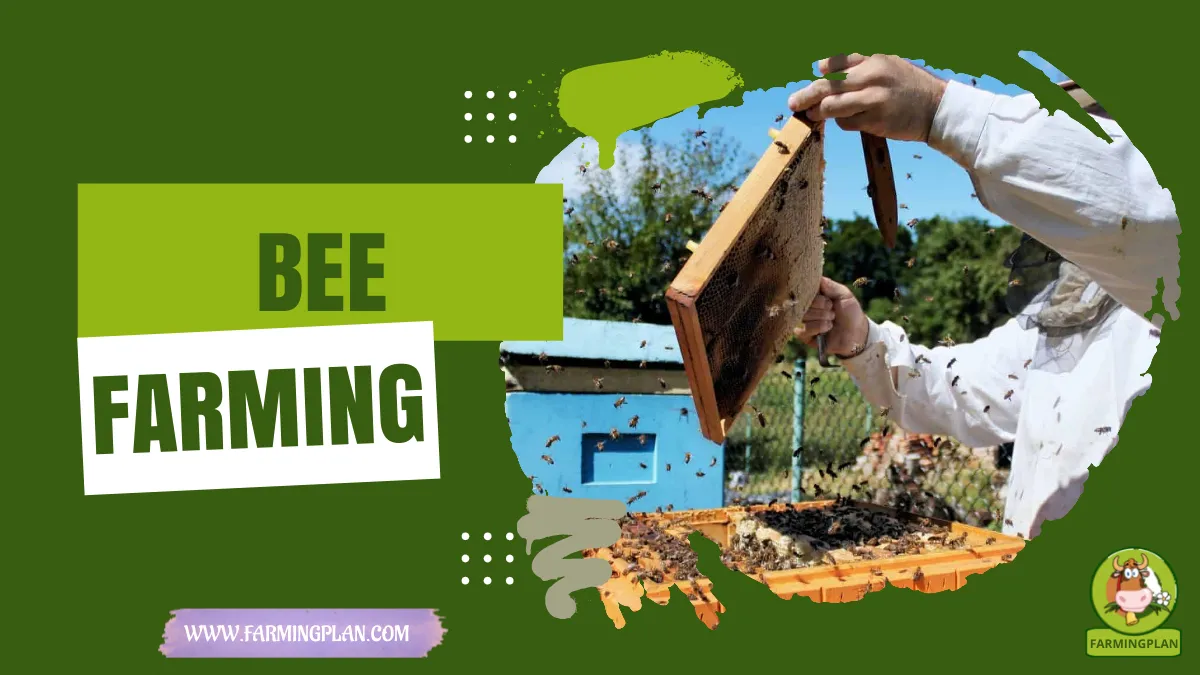
In my experience, choosing the right hive matters a lot. Popular hive types include Langstroth hives, top-bar hives, and Warre hives. Each type offers different benefits in terms of management and honey production. You’ll also need basic beekeeping equipment like a bee smoker, frames, protective clothing, and honey extraction equipment. These tools make inspections easier and safer while protecting you from stings.
Nature/Temperament
Honey bees are social insects. They work together in a highly organized system. Worker bees communicate through dance movements to show where food sources are located. I always find this behavior fascinating because it shows how intelligent and efficient they are. Bees also show defensive behavior when they feel threatened. That’s why protective clothing is important during hive inspections. Calm handling keeps the bees relaxed and reduces stings.
Suitability For Beginners And Farmers
Bee farming suits both beginners and experienced farmers. If you stay patient and follow proper beekeeping practices, you can manage bees successfully. I always recommend starting with a nucleus hive because it already has a queen and worker bees. Beekeeping also fits well with other farming activities. Bees help improve crop yield through pollination, making them valuable for any agricultural setup.
Food & Diet
Honey bees mainly feed on nectar and pollen from flowering plants. Nectar provides energy, while pollen gives protein. In my apiary, I always ensure there are enough wildflowers and crops nearby to support the bees. During peak seasons, bees collect enough food and store it as honey in the hive. This stored honey helps them survive during winter months or when food is scarce.
Supplement Feeding And Dos & Don’ts
Sometimes, bees need extra feeding. I use sugar syrup or pollen substitutes during poor flowering seasons. This helps maintain colony strength and prevents starvation. Avoid feeding contaminated or spoiled food. Also, never overfeed, as it can disrupt natural honey production. Clean feeders and proper ventilation keep the hive healthy and productive.
Usage/Purpose
The main purpose of bee farming is honey production. Fresh honey is in high demand, and you can sell it locally or online. I’ve seen many small farmers turn their apiaries into profitable businesses. Apart from honey, bees also produce beeswax, propolis, and royal jelly. These products have uses in cosmetics, medicine, and crafts, increasing your income potential.
Pollination And Environmental Impact
Bees play a crucial role in pollination. They help crops like fruits, vegetables, and nuts grow better. Many farmers even offer pollination contracts to earn extra income. Bee farming also supports biodiversity. Healthy bee populations improve ecosystems and protect native pollinators.
Special Features
One of the most special features of honey bees is their ability to pollinate efficiently. A single colony can visit thousands of flowers in a day. This boosts crop production and supports plant growth. I’ve personally noticed better yields in farms where bees are active. Their role in agriculture is simply unmatched.
Valuable Hive Products And Sustainability
Bee farming offers multiple products like honey, wax, and venom. These products have high market value and diverse uses. The honey industry continues to grow globally, making it a reliable income source. Beekeeping also promotes sustainable farming. It requires minimal land and integrates well with gardening and crop farming.
Health Issues & Prevention
Honey bees face several health challenges. Diseases like colony collapse disorder, mites, and viruses can harm colonies. Wax moth larvae and pesticide exposure also pose risks. I always monitor my hives regularly to detect early signs of problems. Weak colonies often show reduced activity and poor honey production.
Prevention And Hive Management Tips
Good hive management prevents most issues. Keep hives clean, ensure proper ventilation, and avoid pesticide exposure. Regular inspections help identify queen health and colony strength. You can also work with local beekeepers groups or disease testing labs for better guidance. Healthy bees mean a productive apiary.
“Healthy Bees Mean Sweet Rewards—Care For Your Hive, And It Will Care For You.”
Step-by-Step Farming Guide
Starting bee farming may feel overwhelming, but I’ve broken it down into simple steps. When I began, I followed a structured approach that helped me avoid common mistakes. From selecting the right location to managing honey extraction, every step matters. If you follow these steps carefully, you can build a successful beekeeping operation with healthy colonies and steady honey production.
Step 1: Choose The Right Location For Your Apiary
I always tell beginners that location is everything in bee farming. You should place your hives in an area with plenty of flowering plants. Bees need easy access to nectar and pollen sources. A calm and quiet environment works best because bees prefer minimal disturbance. Make sure the area has good sunlight and proper drainage. Avoid placing hives in low areas where water collects. I also recommend setting up a nearby water source, as bees need water daily. Keep your apiary away from heavy pesticide use to protect bee health.
Step 2: Select The Right Hive And Equipment
Choosing the right hive makes management easier. I prefer Langstroth hives because they allow easy inspection and honey extraction. You’ll also need essential beekeeping equipment like frames, a bee smoker, protective clothing, and an entrance feeder. Invest in good-quality gear. Cheap equipment can cause problems later. Protective clothing keeps you safe from stings, while a smoker helps calm the bees during inspections.
Step 3: Start With A Healthy Bee Colony
Buying a strong colony is key. I usually recommend starting with a nucleus hive. It already includes a queen, worker bees, and brood, which helps you get started quickly. Check the health of the queen and the activity level of worker bees. A strong colony builds faster and produces more honey. Always buy from a trusted local beekeeper.
Step 4: Perform Regular Hive Inspections
I inspect my hives every 7–10 days. During inspections, I check for queen activity, brood patterns, and signs of disease. This helps me catch problems early. Use a smoker gently to calm the bees. Avoid rough handling, as it can stress the colony. Keep notes of your observations to track hive progress.
Step 5: Manage Honey Production And Harvesting
When the hive fills with honeycomb, it’s time for honey harvesting. I use a honey extractor to collect honey without damaging the comb. This allows bees to reuse the comb and produce more honey. Harvest only surplus honey. Leave enough for the bees to survive, especially during winter months. Proper storage keeps honey fresh and safe for sale.
Reads More: Dairy Goat Breeds For Milk: Friendly And Productive Choices
Expert Tips & Best Practices
Smart Tips For Successful Bee Farming
- Start small and expand gradually
- Always wear protective clothing
- Keep learning from local beekeeper groups
- Maintain clean and well-ventilated hives
- Avoid pesticides near your apiary
- Monitor queen health regularly
- Plant wildflowers to support bees
- Use quality beekeeping equipment
- Track seasonal changes and adjust care
- Stay patient—experience builds success
FAQs
What is the cost of starting bee farming?
Starting costs depend on equipment and hive numbers. A beginner setup usually includes hives, protective gear, and bees. Costs stay manageable if you start small.
Is bee farming profitable?
Yes, bee farming can be very profitable. Income comes from honey, wax, and pollination services. Profit increases with experience and proper management.
How much land do I need for bee farming?
You don’t need large amounts of land. Even a small backyard works if it has enough flowering plants and space for hives.
Do bees require daily care?
Bees don’t need daily handling. Regular inspections every week or two are enough to keep colonies healthy.
Can beginners start bee farming easily?
Yes, beginners can start with proper guidance. Starting with a nucleus hive and basic equipment makes the process easier.
Conclusion
Bee farming offers a perfect mix of profit, sustainability, and environmental support. From honey production to pollination benefits, it brings value to both farmers and nature. I’ve shared my personal experience to help you understand how to start, manage, and grow your apiary successfully. If you follow the steps and stay consistent, you’ll see real results over time. Now it’s your turn—start small, learn daily, and build your own thriving bee farming journey. Share your thoughts, ask questions, or connect with other beekeepers to grow together.