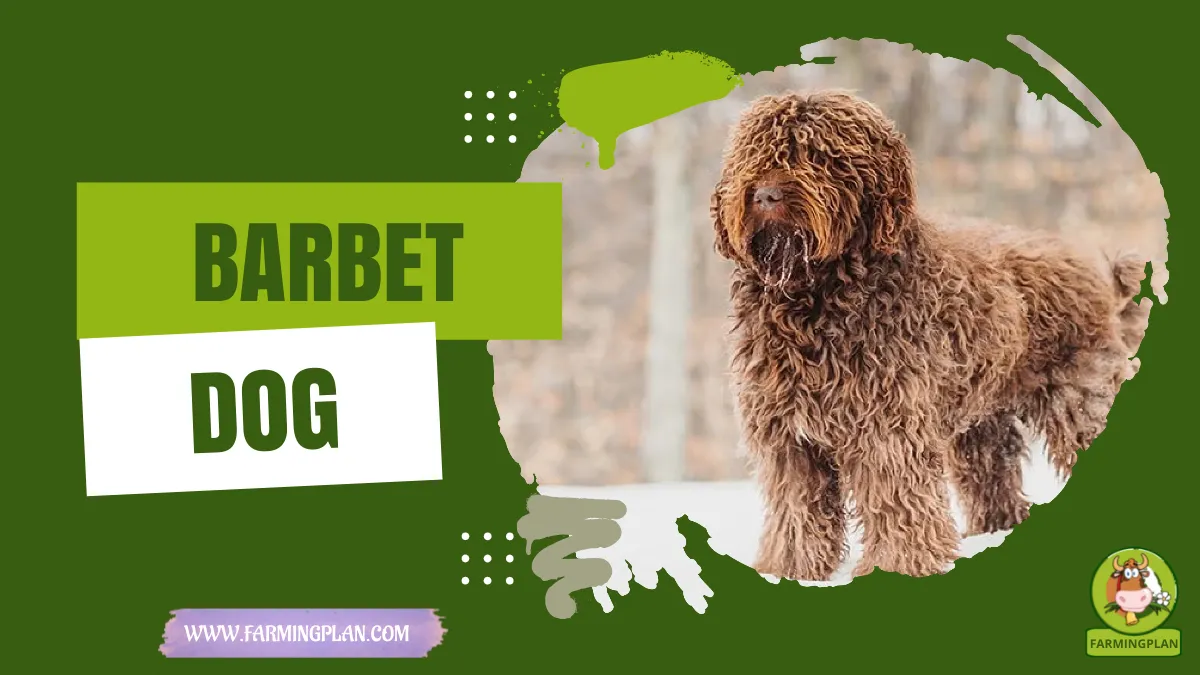
When I first worked with a Barbet dog, I immediately fell in love with this remarkable French water dog breed. Known historically as Le Chien Barbet, this ancient water-retrieving gun dog captures hearts with its joyful spirit and shaggy appearance. If you search for a loyal family companion, the Barbet dog offers a wonderful mix of affection, high intelligence, and playful energy.
As an animal specialist who has raised and trained many gun dog breeds over the years, I love sharing my personal insights about this rare and charming purebred. Today, I will walk you through everything you need to know about this rustic breed, from its rich history in the French countryside to its daily care routines in modern homes.
History & Origin of Barbet Dog
I find the historical journey of the Barbet dog absolutely fascinating. This French water dog traces its roots back to at least the 16th century, making it one of the oldest European water dog types. Historical records and old French literature frequently feature this versatile gundog working alongside hunters in cold marshes and coastal wetlands. Painters often captured their distinctive shaggy silhouette in classic landscape portraits. The word Barbet actually comes from the French word barbe, which means beard, perfectly describing the dense woolly beard covering the muzzle of this hard-working waterfowl retriever.
Shaping Modern Water Dog Breeds
Throughout centuries, French hunters valued the Barbet dog for its outstanding work ethic and willingness to leap into freezing waters. These dogs possessed thick, water-resistant coats and natural webbed paws that made swimming effortless. Geneticists and historians believe that this French breed contributed its strong lineage to several other popular dog breeds we know today, including the Standard Poodle, the Bichon Frise, the Briard, and various Spaniels, Pointers, and Setters. Official recognition grew steadily after the French Kennel Club established early standards in 1894. Later, major organizations like the Fédération Cynologique Internationale, the United Kennel Club, and the American Kennel Club added them to their sporting breed rosters.
Surviving War And Reviving The Lineage
World War I and World War II devastated European dog populations, nearly wiping out this historic gundog breed group. A few dedicated French breeders worked tirelessly to preserve the remaining genetic variety through careful breeding programs and strategic cross-breeding. Organizations like the Barbet Club of America now work passionately to maintain proper breed standard guidelines. Seeing these dogs move from historical wetlands into modern conformation shows, field trials, and loving family homes shows the resilience of this rustic European water dog.
Read More: Criollo Rabbit Care Guide: Amazing Secrets Revealed
Characteristics of Barbet Dog
When you look at a Barbet dog, you immediately notice a balanced, medium-sized sporting breed with a sturdy frame. Their strong body gives them the stamina needed for long days in field trials or scent work. Their expressive eyes radiate friendliness and intelligence underneath a prominent stop and a broad head. Male dogs generally stand around 21 to 25 inches tall at the shoulder, while females measure slightly smaller at 19 to 23 inches. Their physical weight typically balances between 35 and 65 pounds, giving them agility without sacrificing strength.
Coat Texture, Colors, And Hypoallergenic Qualities
The defining hallmark of the Barbet dog remains its thick, curly hair that covers the body from head to tail. This dense coat provides natural protection against harsh weather, cold water, and dense briars during hunting trips. You will see these dogs in solid colors, including classic black, rich brown, grey, fawn, and occasionally white, as well as striking black and white or brown and white combinations. People often ask me about Barbet dog hypoallergenic qualities. While no dog is completely dander-free, their non-shedding coat traps loose hair and dander, making them a great option for people with mild dog allergies.
Unique Swimming Adaptations
One feature I always point out to new dog owners is their natural swimming anatomy. The Barbet dog possesses wide, fully webbed feet that act like paddle fins in the water. Combined with a water-repellent double coat, these webbed paws allow them to navigate marshes and deep ponds with supreme ease. Their strong tail acts like a rudder, helping them steer through choppy waters when retrieving objects during water fowl competitions or simple games of fetch at the lake.
Nature And Balanced Temperament
I can tell you firsthand that the Barbet dog temperament brings immense warmth into any living environment. These dogs display a deeply affectionate, companionable nature that bonds tightly with human family members. They crave human interaction and thrive when included in daily household activities rather than remaining isolated outside. They get along famously with children, showing remarkable patience and playfulness. Their gentle disposition also helps them coexist peacefully with other pets, including cats and other canine friends, especially when properly socialized early on.
High Intelligence And Work Ethic
Intelligence shines bright in every Barbet dog I have trained over my career. They possess a keen mind that loves solving puzzles, learning new commands, and performing complex tasks. Their natural eagerness to please makes them highly trainable for competitive sports like agility trials, dock diving, and scent work. However, their sharp minds mean they bore easily if left without mental engagement. Interactive toys, daily obedience sessions, and constructive tasks keep their minds sharp and prevent destructive habits from surfacing.
Watchdog Abilities And Social Behavior
While the Barbet dog remains alert and will bark to notify you of approaching visitors, they lack aggressive guard dog tendencies. They evaluate strangers with curious interest rather than hostility. Their calm, joyful demeanor allows them to excel as therapeutic service animals and therapy dogs in hospitals or nursing homes. Their steady nerves and loving attitude make them adaptable to quiet evenings on the couch just as much as active outdoor adventures on hiking trails.
Food & Nutrition Guidelines
Feeding your Barbet dog high-quality fuel supports their dense coat, active muscles, and long-term joint health. I recommend selecting a premium commercial kibble, such as Scrumbles Salmon Dog Food or similar top-tier brands that list high-grade protein as the primary ingredient. Look for formulas formulated specifically for medium-sized active sporting dogs. Protein fuels their muscle maintenance, while healthy fats keep their distinctive curly hair soft and resilient against environmental elements.
Essential Fatty Acids And Joint Supplements
Because this French water dog maintains a rich coat and loves intense physical activity, specific dietary additions pay massive dividends. Incorporate sources rich in Omega-3 fatty acids and Omega-6 oils, like salmon oil or flaxseed, into their daily food. These essential fatty acids reduce skin inflammation and enhance coat shine. Furthermore, active dogs benefit greatly from joint-supporting supplements containing glucosamine and chondroitin to protect their knees and hips throughout their adult life.
Feeding Dos And Don’ts
Always control portion sizes based on your dog’s age, weight, and daily activity level to prevent weight gain. Extra weight places unnecessary stress on their frame and joints.
- Do provide fresh, clean water at all times, especially after intense physical exercise or swimming.
- Do split their daily ration into two separate meals to support optimal digestion.
- Don’t feed table scraps high in salt, cooked bones, or toxic foods like onions, chocolate, and grapes.
- Don’t exercise your dog intensely right after a full meal to lower digestive discomfort.
Usage, Roles, And Working Purpose
Historically, hunters bred the Barbet dog as an elite water-retrieving gun dog capable of braving freezing waters to recover downed waterfowl. Their dense coat insulates them against cold temperatures, while their soft mouth allows them to retrieve game without causing damage. In modern times, hunting enthusiasts still deploy them in fields and marshes for Hunt/Point/Retrieve tasks and official water tests like the French brevet de chasse a l’eau.
Excellence In Dog Sports
Beyond traditional hunting roles, this agile French breed shines across various competitive canine sports. Their athleticism and high trainability lead to incredible results in agility courses, obedience rings, dock diving pools, and scent work trials. Their keen sense of smell and steady focus also make them fantastic candidates for professional search-and-rescue teams, helping locate missing persons across challenging wilderness terrain.
The Ultimate Household Companion
For most owners today, the Barbet dog serves primarily as a beloved household companion and family pet. Their adaptability allows them to fit naturally into suburban homes with yards or active urban environments with dedicated daily exercise schedules. They love joining family camping trips, lakeside vacations, and long afternoon hikes, offering cheerful companionship wherever their owners wander.
Special Features of Barbet Dog
The most iconic feature of the Barbet dog remains its plush facial hair. The thick beard on their muzzle gives them an unmistakable, charming rustic appearance. This facial hair shielded their face from sharp marsh grasses during historical hunts, and today it gives them a soft, teddy-bear-like expression that wins over everyone they meet.
Exceptional Water Adaptations
Few breeds match the aquatic capabilities of this French water dog. Their combination of fully webbed paws, water-resistant curly hair, and high swimming endurance sets them apart from standard retrievers. They enter lakes and rivers with total confidence, paddling smoothly even in cold currents that would make other dogs hesitate.
Low Shedding Woolly Coat
Unlike short-haired hunting dogs that shed constantly, the Barbet dog possesses a woolly coat that retains shed hair inside the curls rather than dropping it across your furniture. This trait benefits families seeking a clean home environment and individuals suffering from mild allergies, making this rare French breed a highly coveted companion.
Health Issues, Prevention, And Veterinary Care
Common Genetic Health Considerations
While generally a hardy and robust breed with an average lifespan of 12 to 14 years, the Barbet dog can inherit specific health conditions. Responsible breeding programs perform rigorous DNA test evaluations to minimize these risks. Common health issues that owners and breeders watch out for include:
- Canine Hip Dysplasia: Malformation of the hip joint leading to painful friction and arthritis.
- Elbow Dysplasia: Abnormal growth patterns in the elbow joint causing lameness.
- Eye Conditions: Progressive Retinal Atrophy (PRA) and early-onset cataracts that impact vision quality.
- Epilepsy: Neurological seizure disorders requiring ongoing veterinary management.
- Ear Infections: Moisture and debris trapped in their heavy, hair-covered drop ears.
Preventive Care And Routine Health Testing
Preventative veterinary care keeps your dog healthy for years. Schedule annual checkups with your veterinarian to monitor heart health, joint flexibility, and weight status. Reputable breeders check their breeding dogs against public database registries for hip ratings, elbow scores, and clear eye certifications. Always ask breeders for verified health test results before bringing home a new puppy.
Ear Care and Coat Health Management
Because these dogs feature long, floppy ears filled with soft hair, moisture easily trapped inside can cause frequent ear infections. Inspect and clean their ear canals weekly using a vet-approved ear cleaner, especially after swimming sessions. Drying their ears thoroughly prevents bacteria and yeast from thriving in warm, damp environments.
Pet Owner Care Guide
Taking home a new French water dog requires preparation, time, and consistent care. Follow this step-by-step guide to give your new companion the best possible life from day one.
Step 1: Prepare Your Home Environment
Before bringing your puppy home, secure your living space properly. Fence in your yard with sturdy barriers to keep this curious explorer safe inside your property. Remove toxic indoor plants, secure electrical cords, and store household chemicals out of reach. Set up a comfortable crate with soft bedding to serve as a safe sanctuary for sleep and housebreaking routines. Gather essential supplies including a sturdy harness, a strong leash, stainless steel food bowls, and durable chew toys that withstand active play.
Step 2: Establish Nutritious Feeding Habits
Set up a structured feeding schedule right away to support healthy growth and digestive balance. Feed your growing puppy three to four small meals each day using premium commercial dog food enriched with essential nutrients. As your dog matures into adulthood, transition them to two balanced meals daily to maintain ideal body condition. Always measure food portions accurately rather than free-feeding to prevent obesity. Keep fresh, clean drinking water available at all times, placing water mats under bowls to catch drips from their wet beard.
Step 3: Implement Early Training & Socialization
Start basic obedience training and positive socialization during your dog’s first weeks at home. Enroll in local puppy socialization classes to introduce your dog to new people, unfamiliar animals, and novel sounds in controlled settings. Use positive reinforcement techniques, offering tasty treats and warm praise when your dog follows commands like sit, stay, and come. Consistent, gentle guidance builds deep trust and prevents behavioral issues from developing as your dog grows stronger.
Step 4: Master Essential Grooming Procedures
Managing the long curly coat of your Barbet dog demands a consistent weekly grooming routine. Use a slicker brush and a wide-toothed metal comb to perform line brushing down to the skin, removing hidden tangles before they form painful mats. Pay special attention to high-friction areas like behind the ears, under the armpits, and around the thighs. Trim hair away from the pads of their webbed feet, and bathe them every four to six weeks using mild dog shampoo. Clean their ears weekly and trim their nails regularly to keep their paws healthy.
Step 5: Maintain Daily Exercise & Mental Health
Fulfill your dog’s high energy requirements with at least 60 to 90 minutes of daily physical activity. Take long walks, enjoy off-leash romps in safe fenced parks, and schedule regular swimming outings at nearby lakes or canine pools. Engage their sharp mind with scent work exercises, puzzle toys, and games of fetch. Daily mental and physical stimulation keeps your companion calm, contented, and fully satisfied inside your home.
Expert Tips & Best Practices
- Invest In High-Quality Grooming Tools: Buy a durable slicker brush, a metal pin comb, and professional grooming shears to manage their dense curly hair effectively.
- Dry Ears Thoroughly After Swimming: Always use a soft towel and specialized ear solution to dry ears after water play, preventing painful ear infections.
- Use Positive Reinforcement Training: Reward desired behaviors with high-value treats and enthusiastic praise rather than harsh physical corrections.
- Engage Their Natural Swimming Instincts: Provide regular access to safe water environments like clean lakes or dog pools to keep them physically fit and happy.
- Practice Consistent Line Brushing: Part the coat down to the skin while brushing to find and untangle hidden mats before they require professional shaving.
- Keep Their Wet Beard Clean: Wipe their facial hair with a clean towel after meals and outdoor play to remove food particles and prevent lingering odors.
- Prioritize Early Puppy Socialization: Expose your young dog to diverse environments, loud sounds, and different animals during their first four months to build lifelong confidence.
Read More: Bilberry Goat Heritage: Save Legendary Irish Animals Today
FAQs
Is A Barbet Dog Truly Hypoallergenic?
While no dog breed proves 100% allergy-free, the Barbet dog produces far less dander and drops minimal shed hair compared to standard breeds. Their woolly, curly coat traps loose hair inside, making them an excellent choice for many allergy sufferers. Regular washing and brushing further reduce potential environmental allergens in your home.
How Much Exercise Does A Barbet Dog Need Daily?
An active sporting dog like the Barbet requires roughly 60 to 90 minutes of dedicated physical exercise every single day. They love activities like fast-paced walking, free running in secure areas, swimming, and chasing tennis balls. Combining physical workouts with mental puzzle games keeps them balanced and well-behaved.
How Hard Is It To Groom A Barbet Dog?
Grooming requirements for this French water dog remain relatively high due to their thick, non-shedding curly coat. You need to brush their coat thoroughly two to three times a week to prevent painful matting down at the skin level. Many owners choose to trim their dog’s coat every six to eight weeks for easier maintenance.
Do Barbet Dogs Make Good Family Pets?
Yes, they make extraordinary family pets thanks to their gentle, joyful, and deeply affectionate nature. They build wonderful relationships with children, participate eagerly in family outdoor activities, and coexist peacefully with other household pets when socialized early. Their calm indoor demeanor makes them a joy to live with.
How Rare Is The Barbet Dog Breed Today?
The Barbet dog remains a relatively rare dog breed worldwide, though its popularity continues to grow steadily across North America and Europe. Organizations like the Barbet Club of America work hard to register purebred litters and educate potential owners. Finding an ethical breeder may require joining a waiting list for a puppy.
Conclusion
The Barbet dog represents a extraordinary blend of historical versatility, high intelligence, and unconditional love. This ancient French water dog captures hearts through its beautiful curly coat, webbed paws, and friendly temperament, making it an outstanding choice for active families, hunters, and dog sport enthusiasts alike. Proper care involves regular coat grooming, daily physical exercise, and proactive health testing to keep your loyal companion thriving for years. If you want a joyful, affectionate partner to share outdoor adventures and cozy evenings with, this magnificent sporting breed might be your perfect match. Reach out to local breed clubs or ethical breeders today to welcome a Barbet into your life!